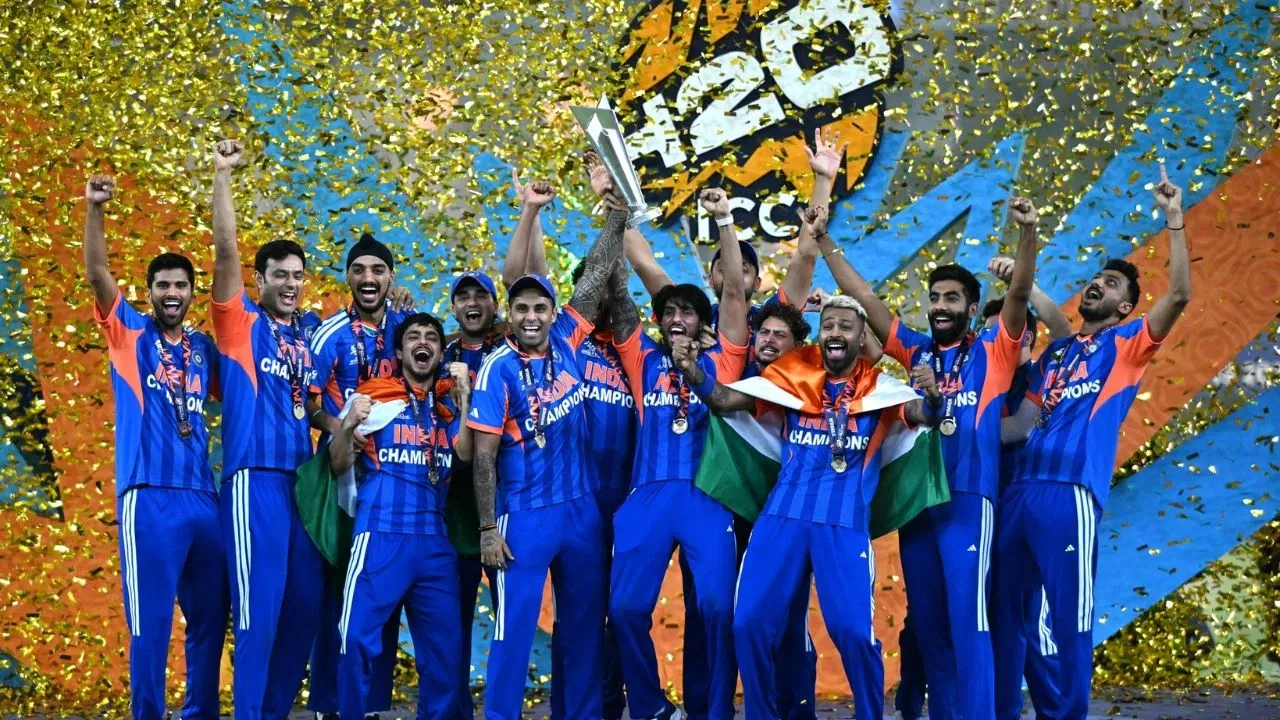
We had players like Abhishek Sharma- Ex-Pakistan head coach Hits Back at Mohammad Amir over ‘slogger’ remark
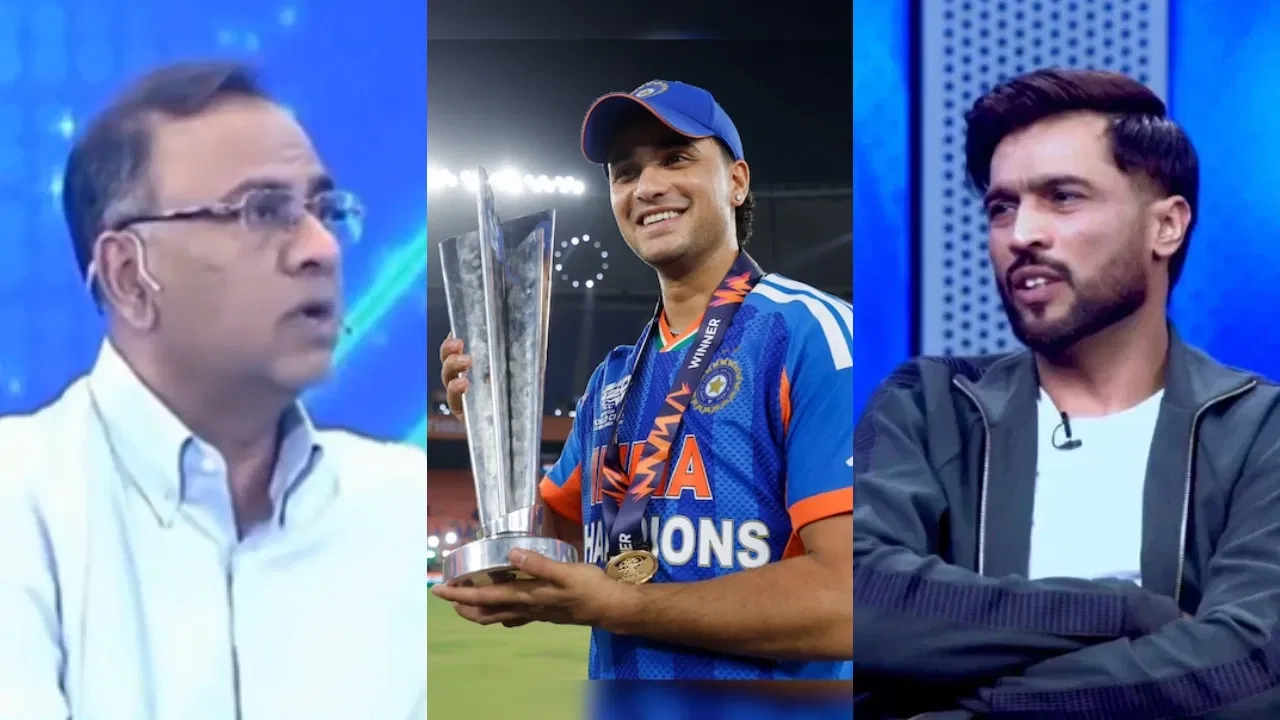
The Drama Unfolds: Basit Ali Criticizes Mohammad Amir Over Abhishek Sharma Comments
Following India’s victory in the T20 World Cup 2026, the cricket world is now abuzz with a fresh controversy involving former Pakistan cricketer Basit Ali and former pacer Mohammad Amir. The drama began when Amir made harsh comments about Indian batsman Abhishek Sharma during the tournament, leading to a war of words between the two former players.
Abhishek Sharma’s T20 World Cup Journey
Abhishek Sharma, the Indian opener, faced a rough start in the T20 World Cup 2026, being dismissed for ducks thrice in the competition. Critics seized the opportunity to question his place in the playing XI of the national team. However, Abhishek silenced his detractors with a sensational performance in the final against the New Zealand National Cricket Team.
During the title clash, Abhishek played a blistering knock of 52 runs, providing India with a strong start and laying the foundation for their victory. His explosive innings not only helped India dominate the match but also led them to lift the T20 World Cup trophy for the third time.
Basit Ali’s Criticism of Mohammad Amir
Following India’s triumph, Basit Ali openly criticized Mohammad Amir for his comments against Abhishek Sharma earlier in the tournament. Basit Ali argued that it was unfair to judge a talented player based on a few poor performances. He emphasized that every cricketer goes through rough patches, but true class always shines through.
During a TV show on ARY, Basit Ali expressed his disappointment with the negative remarks made by Amir, stating, “Three ducks don’t change class, form is temporary. But calling such a classy player like Abhishek ill names is disappointing. I just wish we had two or three players like him in our country.”
Amir’s Predictions Backfire
Amidst the controversy, Mohammad Amir’s predictions about India’s performance in the T20 World Cup also came under scrutiny. Amir had boldly suggested that India might not make it to the knockout stage and had labeled Abhishek Sharma as a “slogger.” He had also predicted New Zealand as the likely winners of the tournament.
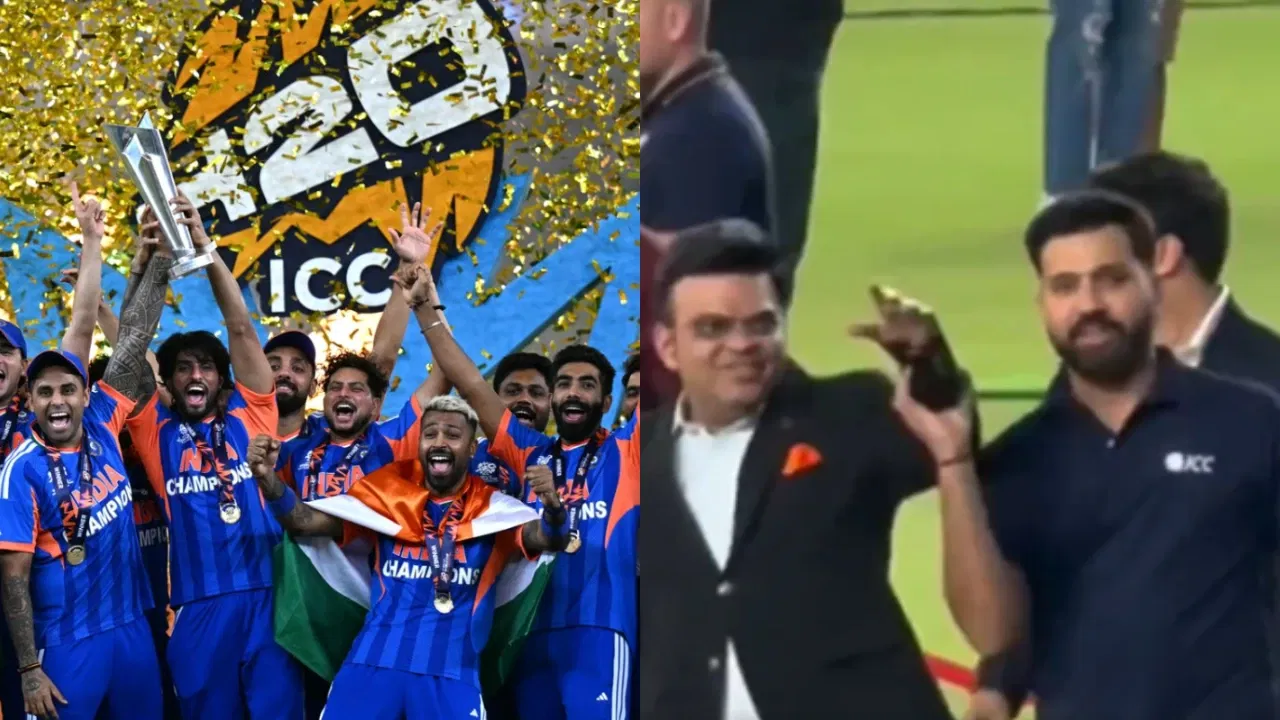
However, India defied all odds and emerged victorious, clinching their third T20 World Cup title. The Men in Blue not only defended their championship but also secured their third consecutive ICC trophy, following their victories in the T20 World Cup 2024 and the ICC Champions Trophy 2025.
The clash of opinions between Basit Ali and Mohammad Amir, coupled with India’s incredible triumph, has added an extra layer of excitement to the T20 World Cup 2026 saga. As fans eagerly await the next cricketing event, the debate surrounding Abhishek Sharma’s performance and the predictions made by former players continues to echo through the cricketing world.
The Impact of Social Media on Cricket Controversies
In the age of social media, controversies in the world of cricket spread like wildfire. The comments made by Mohammad Amir and the subsequent criticism from Basit Ali quickly escalated on various platforms, sparking heated debates among fans and experts alike. Social media platforms such as Twitter, Instagram, and Facebook became battlegrounds for supporters of both sides, amplifying the drama surrounding the T20 World Cup 2026.
Players and analysts are now under constant scrutiny, with every statement or performance dissected and analyzed by millions of followers online. This phenomenon has transformed the way cricket controversies unfold, with opinions from former players like Basit Ali and Mohammad Amir reaching a global audience within seconds.
The Evolution of Predictions in Cricket
Predictions have always been a part of cricket, with experts and fans alike sharing their insights and forecasts before and during major tournaments. Mohammad Amir’s predictions about India’s performance and Abhishek Sharma’s batting display during the T20 World Cup showcased the unpredictable nature of the sport.
While some predictions hit the mark, others, like Amir’s, missed the target entirely. The dynamic and ever-changing nature of cricket makes it a sport where anything can happen, keeping fans on the edge of their seats throughout the tournament.
The Resilience of Players in the Face of Criticism
Abhishek Sharma’s journey in the T20 World Cup exemplified the resilience and determination of players to bounce back from setbacks. Despite facing criticism for his initial performances, Abhishek remained focused and delivered a match-winning performance in the final, proving his worth on the biggest stage of them all.
Players like Abhishek Sharma serve as a reminder that cricket is a game of uncertainties, where a single performance can change the course of a player’s reputation. The ability to overcome criticism and perform under pressure is a hallmark of champions in the sport.
The Role of Former Players in Cricket Controversies
Former players play a significant role in shaping discussions and debates within the cricketing community. Their insights and opinions carry weight due to their experience and knowledge of the game. In the case of Basit Ali and Mohammad Amir, their contrasting views on Abhishek Sharma’s performances sparked a broader conversation about player evaluation and predictions in cricket.
As the T20 World Cup 2026 saga unfolds, the voices of former players will continue to influence the narrative surrounding the tournament and its key moments. Their perspectives provide fans with unique insights into the game, adding depth and context to the controversies that arise.
Looking Ahead: The Legacy of T20 World Cup 2026
As the dust settles on the T20 World Cup 2026, fans and experts reflect on the tournament’s impact on the cricketing landscape. From Abhishek Sharma’s redemption arc to Mohammad Amir’s predictions gone awry, the event provided a rollercoaster of emotions and storylines for followers of the sport.
While controversies and debates will always be part of cricket, the T20 World Cup 2026 will be remembered for its thrilling matches, standout performances, and the clash of opinions between former players. As the cricketing world looks towards future events, the legacy of this tournament will shape discussions and predictions for years to come.
By delving into the nuances of social media’s role in cricket controversies, the evolution of predictions, players’ resilience, and the influence of former players, we gain a deeper understanding of the intricacies that make the T20 World Cup 2026 a memorable chapter in cricket history.
Latest News
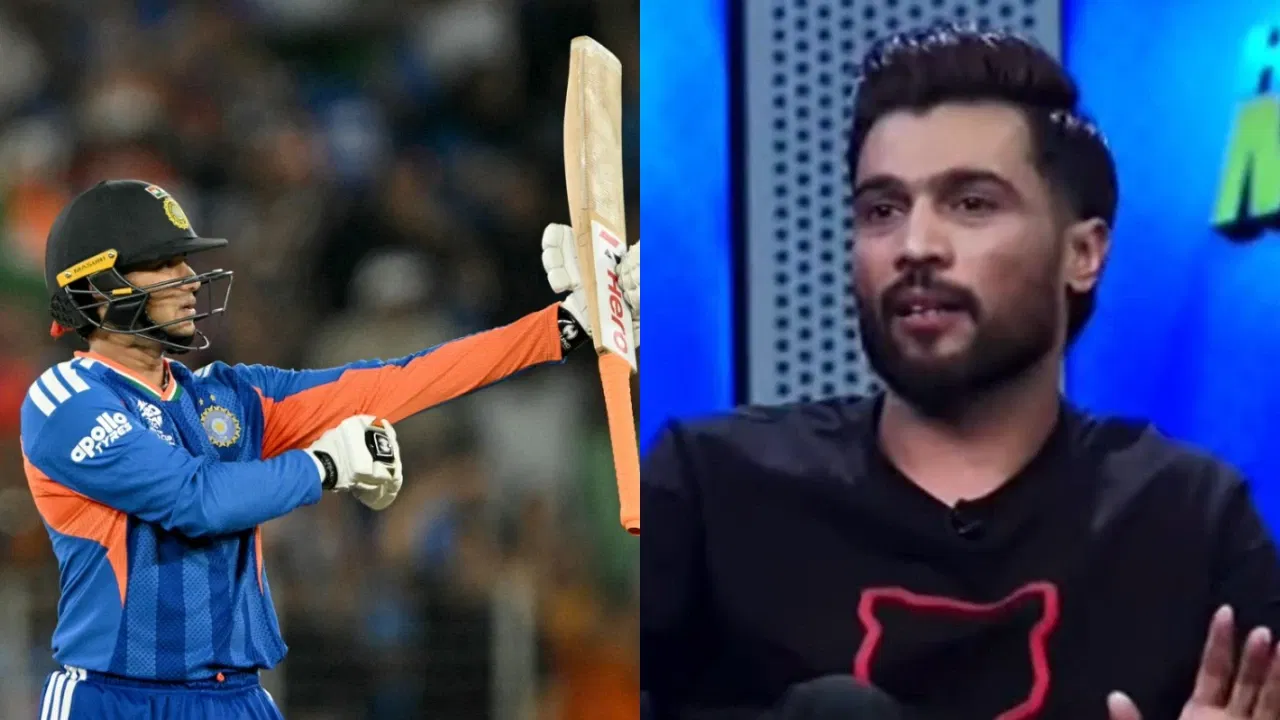
Mohammad Amir breaks silence after Abhishek Sharma slaps him in the face with T20 WC final heroics
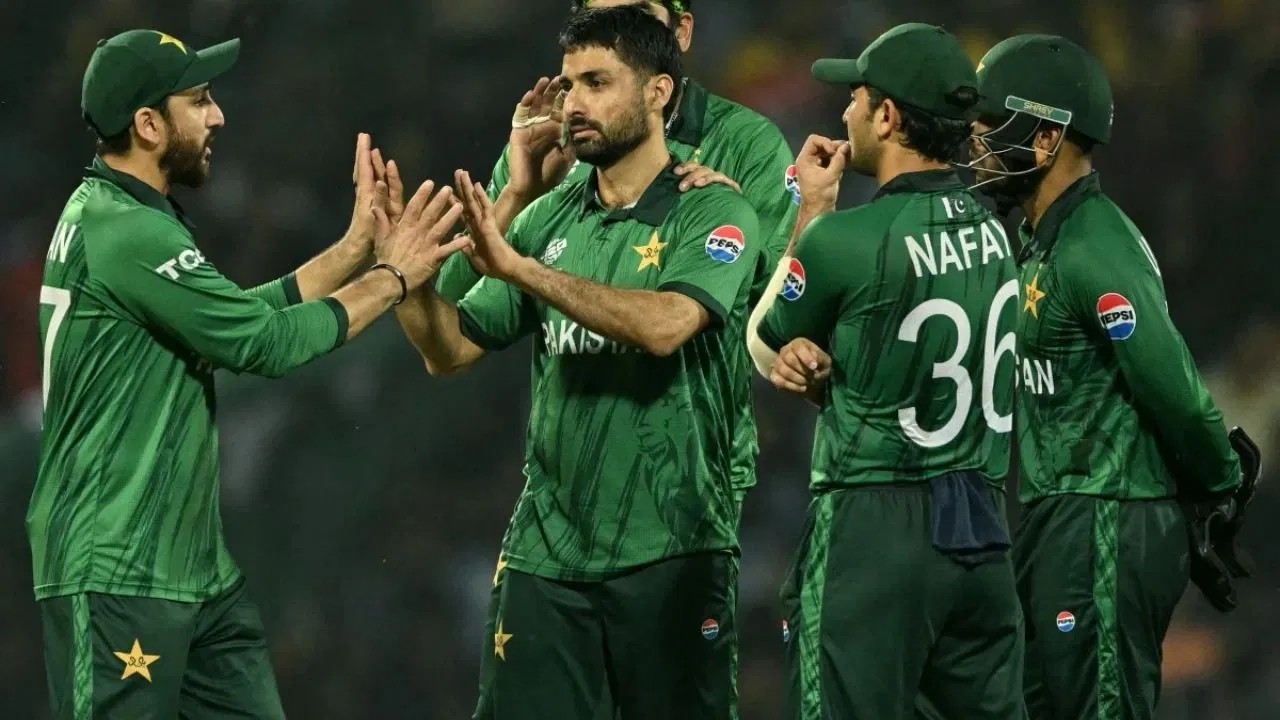
24-year-old Pakistan cricketer announces retirement after T20 World Cup 2026 disaster
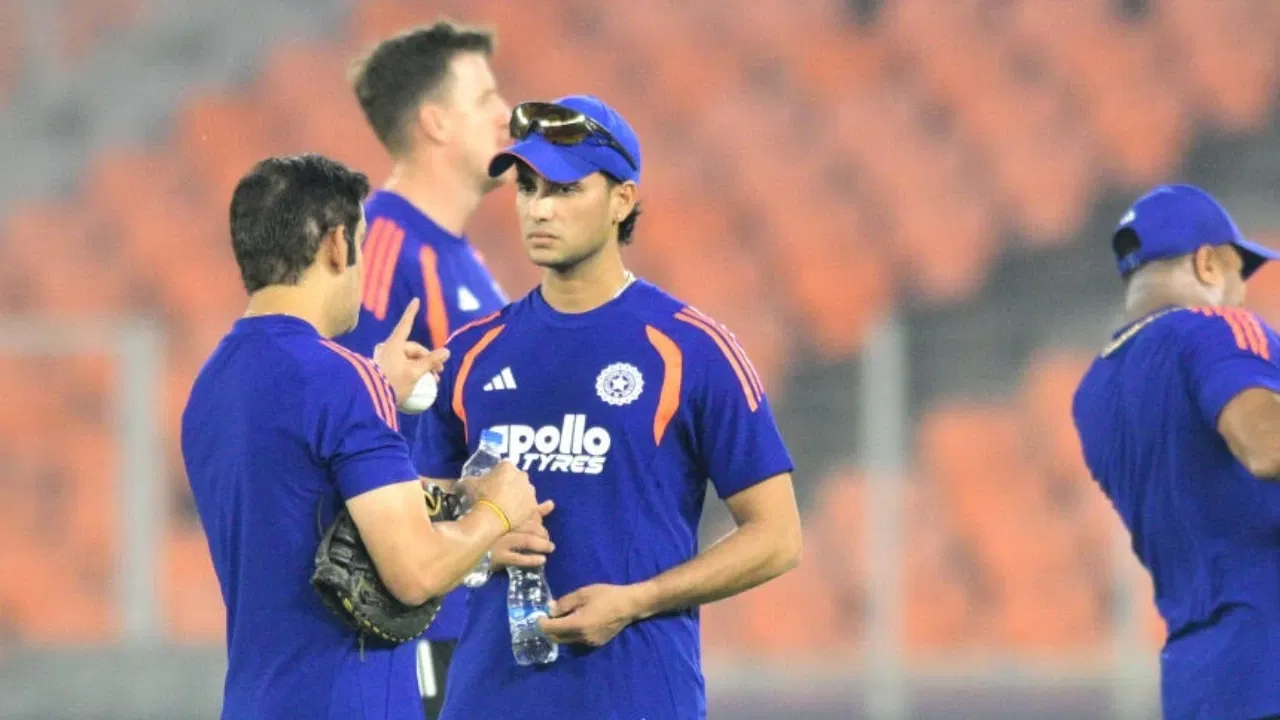
Yuvraj Singh pressure? Gautam Gambhir reveals why Abhishek Sharma wasn’t dropped despite horrible form
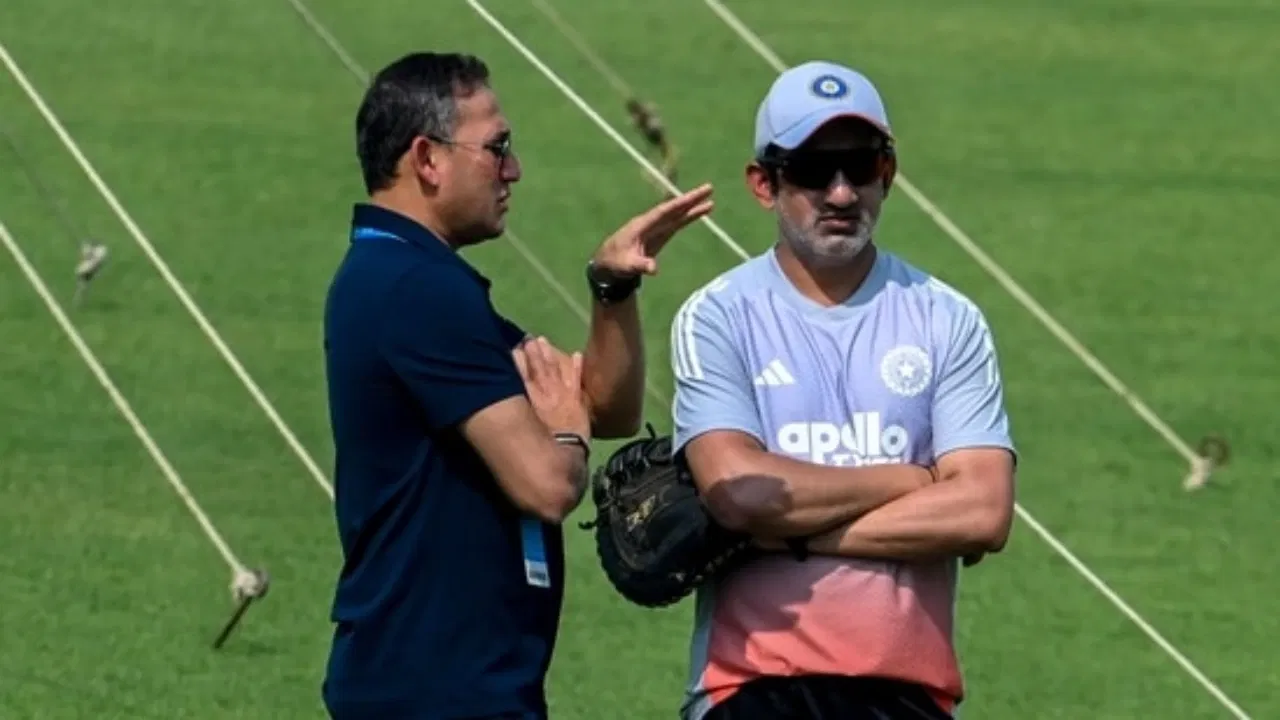
Gautam Gambhir drops big update on India’s 2027 World Cup plans
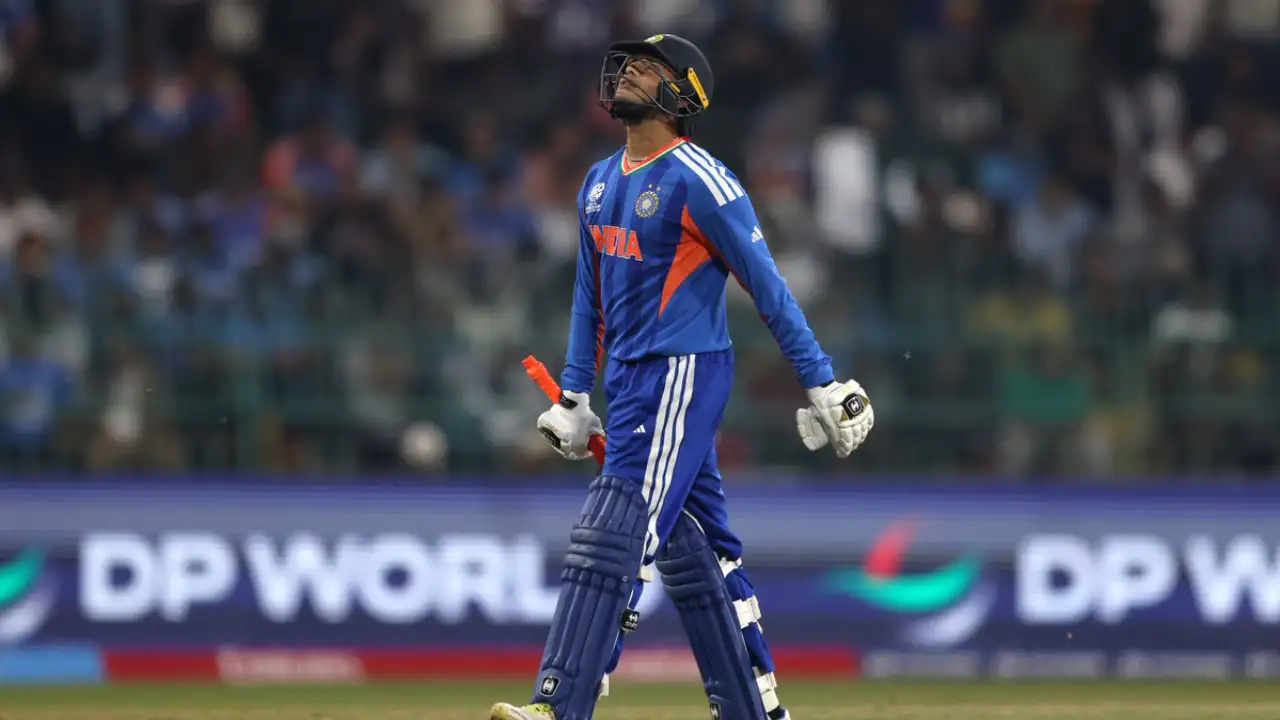
Abhishek Sharma at No.2: India’s worst performers at T20 World Cup 2026
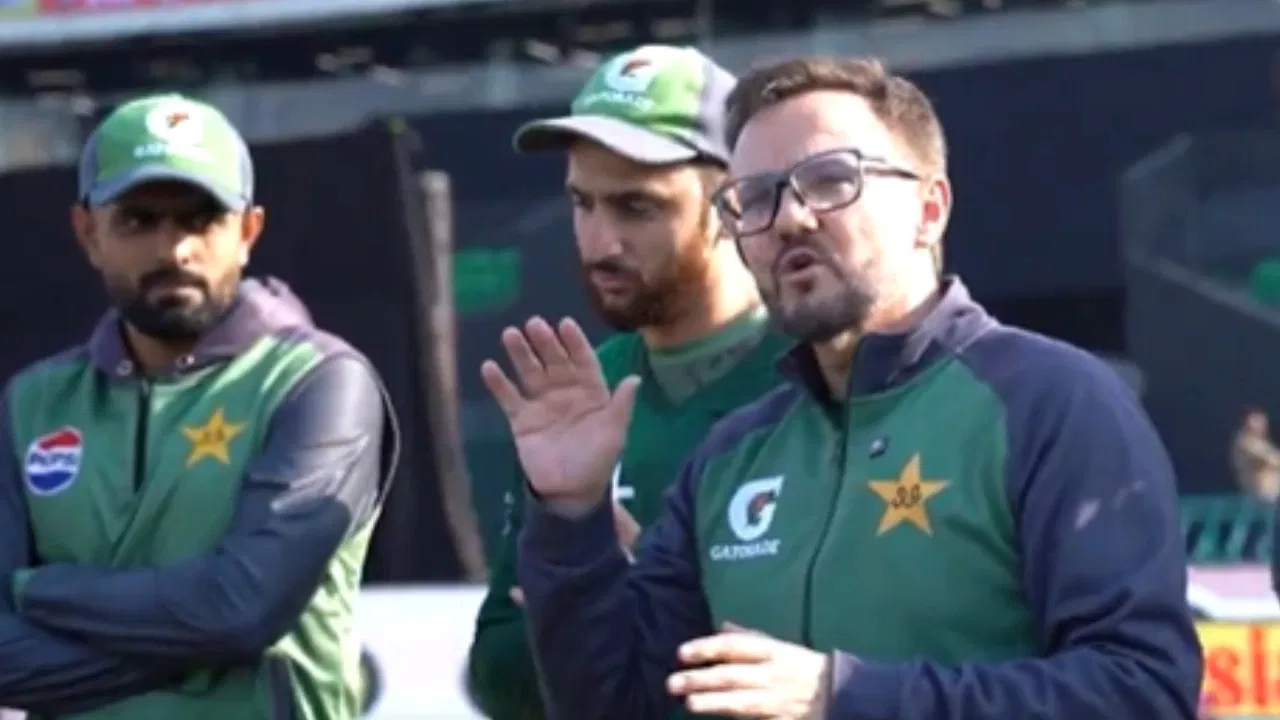
Mike Hesson’s blunt take on Pakistan stars’ snub for Bangladesh tour
Gautam Gambhir finally reveals Jay Shah’s role in making him India head coach
Gautam Gambhir finally reveals Jay Shah’s role in making him India head coach
We had players like Abhishek Sharma- Ex-Pakistan head coach Hits Back at Mohammad Amir over ‘slogger’ remark
I heard a loud slap: Abdul Razaq reveals shocking fight incident involving Mohammad Amir
Harbhajan Singh destroys ‘Ahmedabad Curse’ myth after India’s T20 World Cup 2026 glory
ICC breaks silence on England’s early departure as West Indies, South Africa remain stranded in India
Watch: Rohit Sharma credits ‘script writer’ Jay Shah for India’s T20 World Cup win
Ishan Kishan fires shots at Ajit Agarkar for punishing him after T20 World Cup triumph