“We have always received…” – Usman Khawaja’s wife reveals online abuse of daughters after Bondi attack
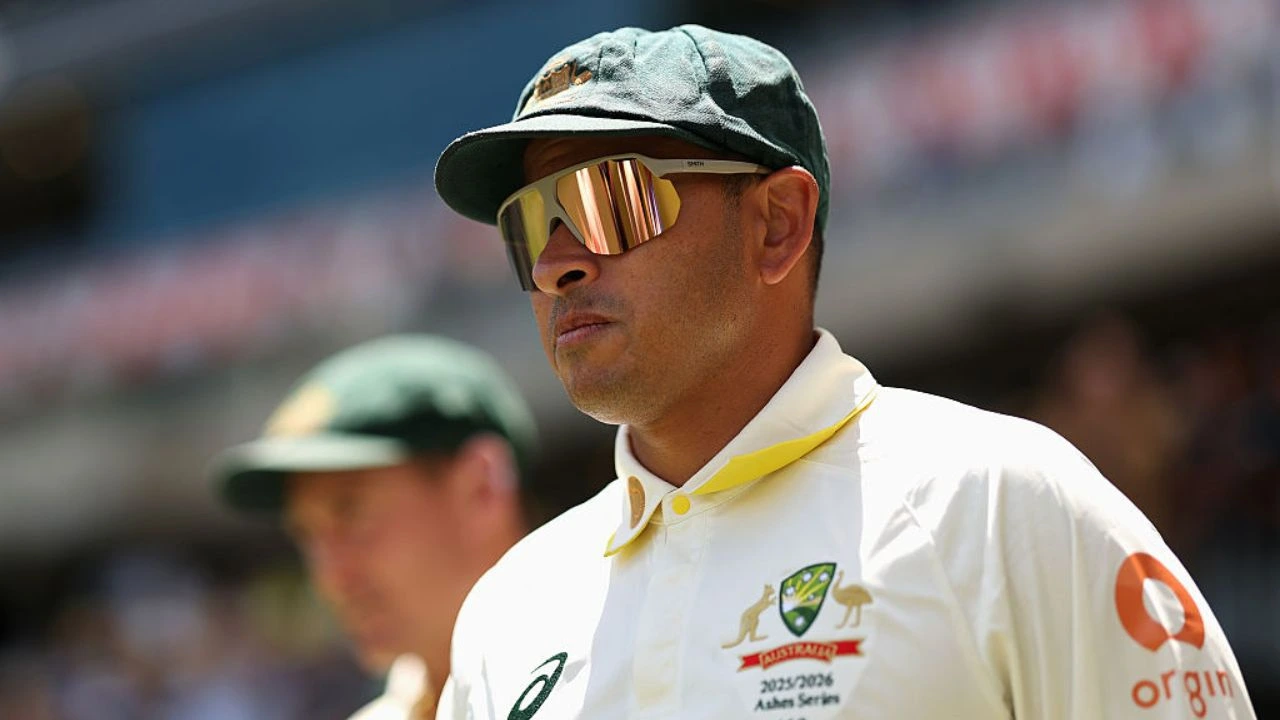
Veteran Australian Cricketer Usman Khawaja’s Family Faces Online Abuse After Bondi Beach Attack
Following the tragic attack at a Jewish event in Bondi Beach, veteran Australia opening batter Usman Khawaja’s family has become the target of online abuse. Usman’s wife, Rachel Khawaja, recently revealed that their young daughters have been receiving hateful messages on social media due to anti-Islamic sentiment stemming from the incident.
The Aftermath of the Bondi Beach Attack
The violent attack at Bondi Beach resulted in the loss of lives and left deep emotional scars on survivors. Tensions escalated across the country, fueling anger and resentment. The alleged involvement of Naveed Akram and his father further intensified anti-Islamic sentiment, leading to an outpour of online abuse.
Despite having no connection to the attack, Khawaja, who was born in Pakistan, found himself unfairly targeted by trolls during the backlash. This tragic incident shed light on how public figures and their families can become victims of hatred and discrimination.
Rachel Khawaja Speaks Out Against Online Abuse
Rachel Khawaja bravely shared her family’s experience with online abuse, emphasizing that the hatred extended even to their young daughters, Aisha and Ayla. She took to social media to expose the abusive comments they received, expressing her frustration and pain over the situation.
While acknowledging that such messages were unfortunately not new for their family, Rachel noted that the recent increase in volume and intensity was alarming. She condemned the cruelty of targeting innocent children and called for an end to such behavior.
Standing United Against Hate
Rachel Khawaja emphasized that antisemitism, Islamophobia, and racism have no place in society. She urged Australians to support one another and stand united against fear and prejudice, emphasizing the importance of solidarity in combating discrimination.
She said, “It is important now more than ever that we continue to come together and stay united. Whether it’s standing up against antisemitism, Islamophobia, and racism, we shouldn’t stand for any of it.”
Usman Khawaja’s Return to the Test Team
Amidst the turmoil surrounding his family, Usman Khawaja’s future in the Australia Test team came into question after he missed the second Test. However, he made a strong comeback in the third Test against England following Steve Smith’s injury, scoring 82 runs in the first innings and helping Australia secure a series victory.
Despite the challenges he faced off the field, Khawaja’s performance on the pitch highlighted his resilience and commitment to the game.
Support and Solidarity in the Face of Tragedy
Throughout the ordeal, Usman Khawaja stood in solidarity with the Jewish community and condemned the senseless violence that occurred at Bondi Beach. He expressed his heartfelt condolences to the families affected by the tragedy, emphasizing the need for unity and compassion during difficult times.
As the Khawaja family navigates through this challenging period, the support and understanding of the community remain crucial in combating online abuse and fostering a culture of inclusivity and respect.
Effects of Online Abuse on Families of Public Figures
The online abuse faced by Usman Khawaja’s family sheds light on the dark side of social media and its impact on public figures and their loved ones. In today’s interconnected world, the anonymity provided by the internet allows individuals to spew hatred and vitriol without consequences, often targeting innocent individuals who have no connection to the events in question.
Public figures like Khawaja and his family are particularly vulnerable to such attacks, as their visibility makes them easy targets for trolls seeking to spread hate and division. The collateral damage inflicted on their families, especially on young children, underscores the need for greater awareness and action against online abuse.
Combatting Hate Speech and Discrimination Online
The rise of online abuse and hate speech poses a significant challenge in the digital age. As platforms like social media become breeding grounds for toxicity and intolerance, there is a pressing need for stronger measures to combat such behavior. Organizations and individuals must work together to create safe online spaces where hate speech is not tolerated, and individuals are held accountable for their actions.
Education and awareness play a crucial role in addressing the root causes of hate speech and discrimination. By promoting empathy, understanding, and respect for diversity, we can build a more inclusive society where individuals are valued for who they are, regardless of their background or beliefs.
Usman Khawaja’s Resilience and Determination
Usman Khawaja’s resilience in the face of adversity serves as an inspiration to many. Despite the challenges and distractions off the field, Khawaja remained focused on his game and delivered a stellar performance when his team needed him the most. His ability to compartmentalize his personal struggles and excel in his professional career demonstrates a remarkable strength of character.
Khawaja’s success on the cricket pitch not only showcases his talent and skill but also reflects his unwavering commitment to his team and his sport. By channeling his emotions and energy into his performance, Khawaja exemplifies the power of perseverance and determination in overcoming obstacles.
Building a Culture of Support and Solidarity
In times of tragedy and turmoil, it is essential for communities to come together in support and solidarity. The outpouring of compassion and empathy for the victims of the Bondi Beach attack and the Khawaja family highlights the strength of unity in the face of adversity. By standing together against hate and discrimination, we can create a more inclusive and compassionate society for all.
As we reflect on the challenges faced by the Khawaja family and the broader implications of online abuse, let us recommit ourselves to fostering a culture of respect, understanding, and acceptance. By valuing each other’s differences and standing up against injustice, we can build a brighter future for generations to come.
Conclusion
The online abuse directed at Usman Khawaja’s family in the aftermath of the Bondi Beach attack serves as a sobering reminder of the dangers of hate speech and discrimination in the digital age. By sharing their story and speaking out against online abuse, the Khawaja family has brought attention to the need for greater awareness and action in combating such behavior.
As we navigate the complexities of social media and its impact on our society, let us heed the call for unity, empathy, and solidarity in the face of adversity. Together, we can create a more inclusive and respectful online community where all individuals are valued and respected. The resilience and determination shown by Usman Khawaja and his family serve as a beacon of hope in the fight against online abuse and intolerance.
Latest News

Mumbai Indians suffer blow! Mitchell Santner, Will Jacks ruled out of IPL 2026 games
MI vs KKR Match Prediction – Who Will Win Match No.2? | IPL 2026

Mumbai Indians Playing XI vs Kolkata Knight Riders Playing XI- Match No. 2 | IPL 2026
MI vs KKR Match 2 Preview: Free Live Streaming, Pitch & Weather Report, Head-to-Head | IPL 2026
Not English cricket! Jos Buttler credits IPL for his success as a cricketer
“Nitish Kumar Reddy is biggest fraud”: Fans fume as SRH star fails vs RCB in IPL 2026 opener
Who is Abhinandan Singh? The Virat Kohli troublemaker who made his IPL debut for RCB vs SRH
Heinrich Klaasen engages in heated chat with 4th umpire after Phil Salt’s controversial catch in IPL 2026
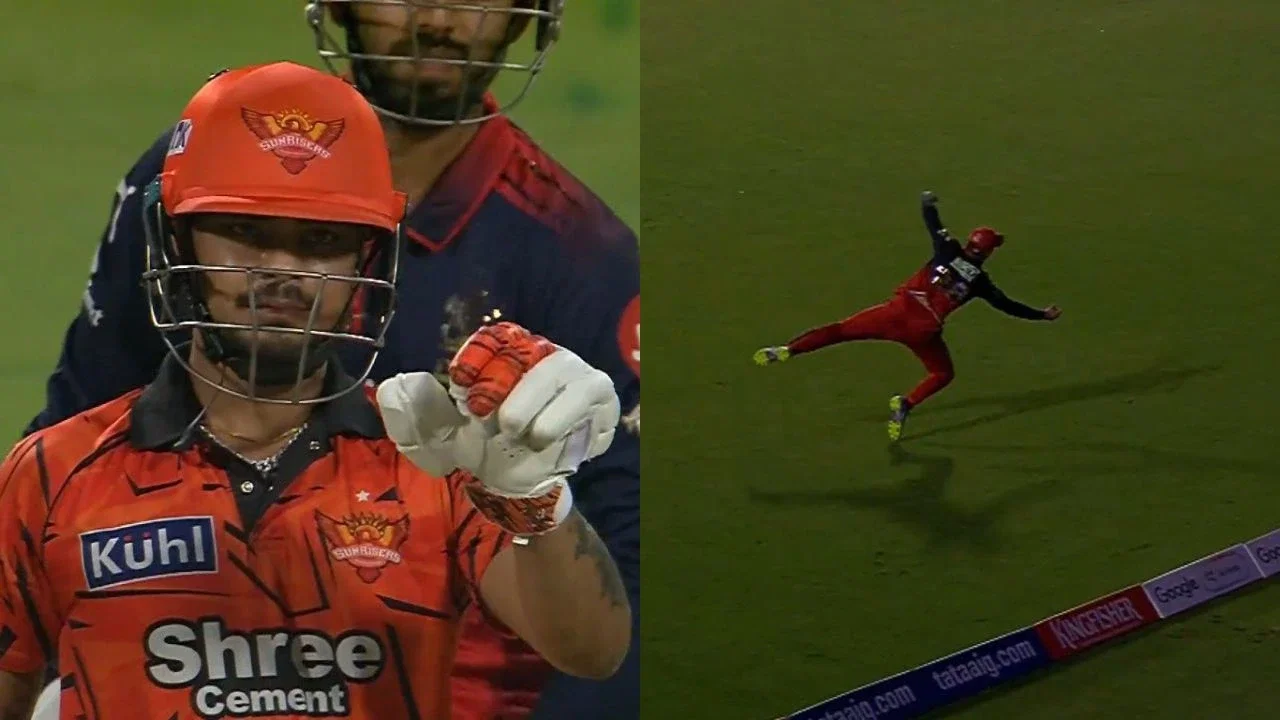
Phil Salt grabs one of the greatest catches in IPL history to dismiss Ishan Kishan
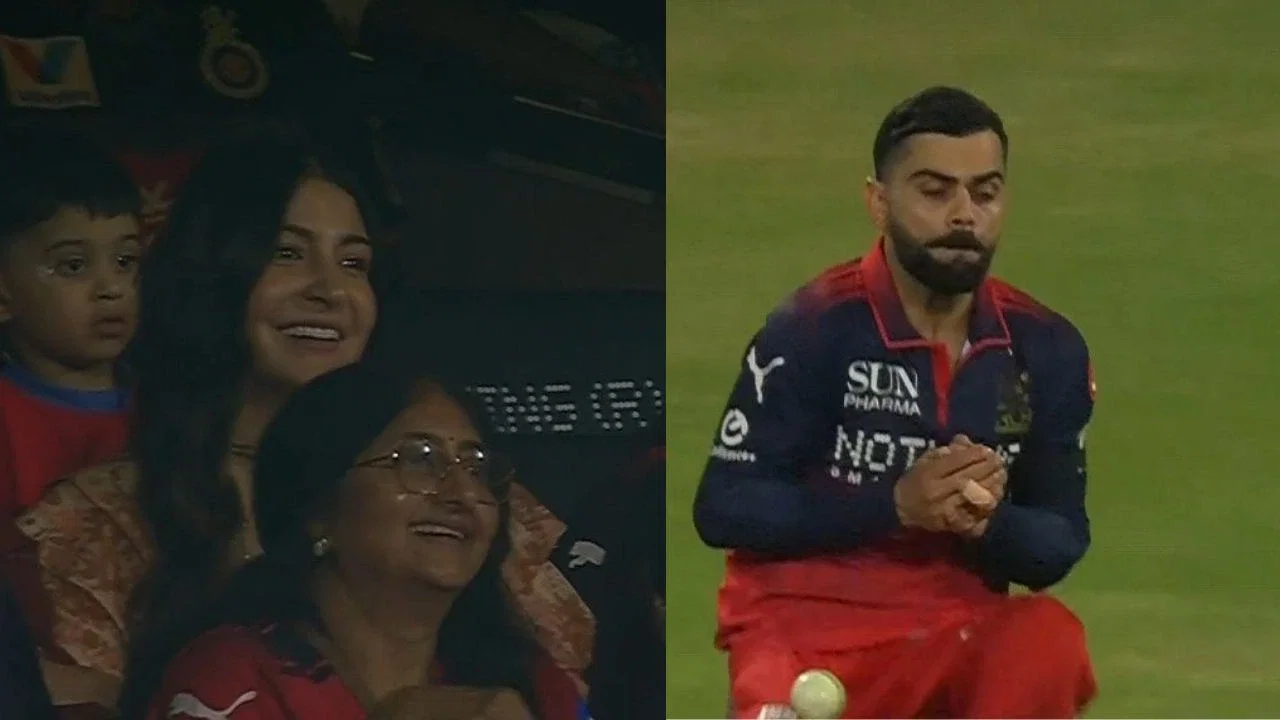
Anushka Sharma laughs as Virat Kohli drops a sitter in RCB vs SRH clash (Watch Video)
Anushka Sharma laughs as Virat Kohli drops a sitter in RCB vs SRH clash (Watch Video)
Anushka Sharma laughs as Virat Kohli drops a sitter in RCB vs SRH clash (Watch Video)
Anushka Sharma laughs as Virat Kohli drops a sitter in RCB vs SRH clash (Watch Video)
Anushka Sharma laughs as Virat Kohli drops a sitter in RCB vs SRH clash (Watch Video)