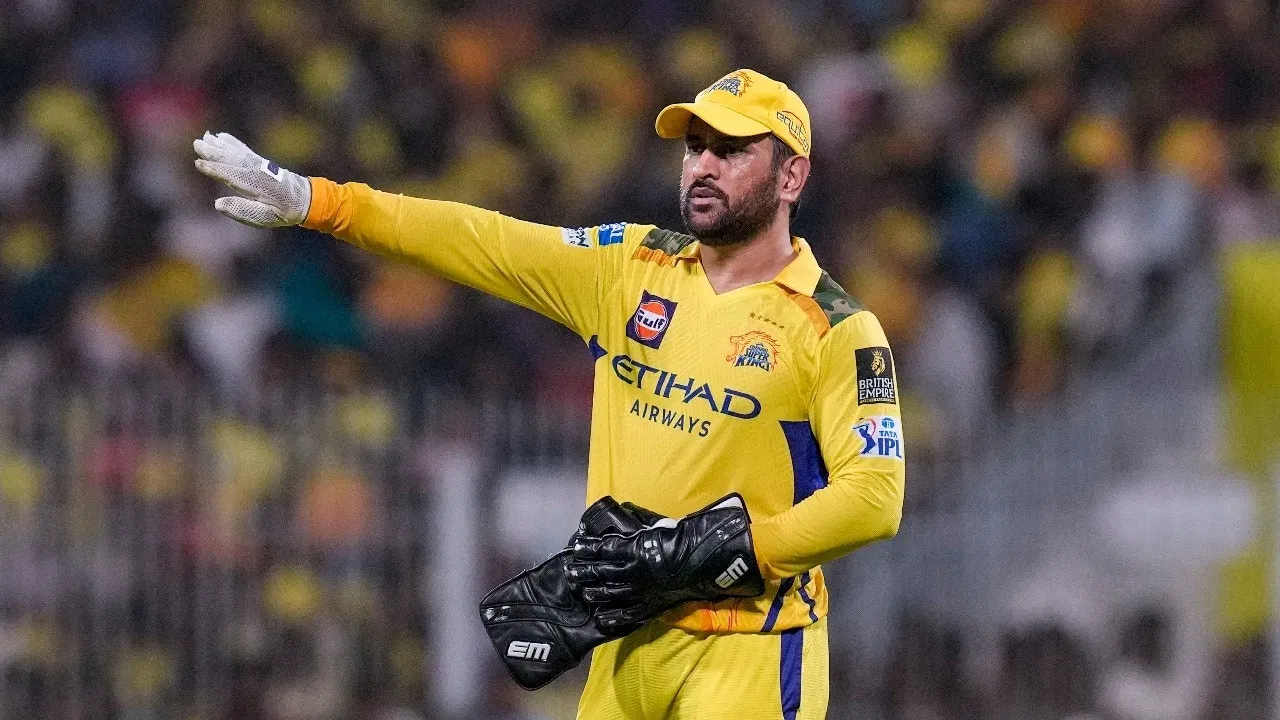
“We will continue to struggle in red-ball cricket” – Gautam Gambhir’s revelation on India’s struggles against spin

Team India’s Test Performance Under Coach Gautam Gambhir: A Detailed Analysis
After facing significant criticism for the team’s performance in Test cricket during his tenure, Team India head coach Gautam Gambhir has responded to the backlash. The former Indian opener highlighted the challenges of adapting to spin-friendly pitches due to continuous practice on flat tracks.
Gambhir’s Insights on the Dilemma
In an exclusive interview with Dainik Jagran, Gambhir emphasized the struggle Indian batters face in playing quality spin bowling on turning tracks. He pointed out that the team’s practice sessions on predominantly flat pitches have hindered their ability to adjust to the demands of red-ball cricket.
Gambhir explained, “We don’t play on those kinds of wickets anymore. If you consistently play on flat tracks, you are bound to struggle on turning wickets. The lack of exposure to turning tracks in practice sessions has been a major obstacle for the Indian team.”
The Importance of Preparation Camps
Gambhir also raised concerns about the tight international scheduling affecting the team’s preparation for Test matches. He advocated for a mandatory practice window on turning tracks before every upcoming Test series to enhance the team’s performance.
“When transitioning from white-ball cricket to the red-ball format, there should be a camp of at least seven to eight days where we can practice on turning tracks. This kind of preparation is crucial for success in Test cricket,” Gambhir stressed.
Challenges Faced by Team India
Under Gautam Gambhir’s coaching tenure, Team India has struggled in Test cricket, securing a win percentage of just 36.84%. The team faced challenges with seven wins, ten losses, and two draws in 19 matches over the past 14 months.
The squad endured tough series losses against Australia and suffered humiliating whitewashes at home against New Zealand and South Africa. Additionally, they failed to progress to the World Test Championship Final in the previous cycle.
Leadership Transition and Future Prospects
Following Rohit Sharma’s retirement from Test cricket, young captain Shubman Gill has taken over the leadership duties. The team is currently in sixth place in the World Test Championship 2025-27 cycle, with four wins from seven Tests, as they continue to adjust to competing against top-tier international teams.
Despite the challenges faced by Team India in Test cricket under Gambhir’s coaching, the focus on enhancing preparation on turning tracks and addressing scheduling concerns could potentially lead to improved performance in red-ball cricket in the future.
Strategies for Improvement in Test Performance
Building on Gambhir’s insights, it is evident that Team India’s performance in Test cricket requires a strategic overhaul to address the challenges they face. One key aspect that needs to be emphasized is the development of spin-friendly pitches in domestic cricket. By exposing players to different pitch conditions at the grassroots level, Indian cricketers can hone their skills and adaptability to a variety of surfaces.
Additionally, investing in advanced technology and analytics can provide valuable data and insights to players and coaches. By utilizing tools like pitch maps, player tracking systems, and video analysis, Team India can identify key areas for improvement and tailor their training sessions to focus on specific weaknesses.
Mental Conditioning and Resilience
Besides technical skills and physical conditioning, mental fortitude plays a crucial role in Test cricket. The ability to stay focused, handle pressure situations, and bounce back from setbacks is essential for success in the longest format of the game. Team India could benefit from incorporating sports psychologists and mental conditioning coaches to help players develop a strong mindset and mental resilience.
Furthermore, fostering a competitive team culture that values hard work, discipline, and unity can significantly impact performance on the field. By instilling a sense of camaraderie and shared goals among players, Team India can build a cohesive unit that thrives under pressure and rises to the occasion in challenging situations.
Strategic Player Development and Rotation
Another aspect to consider is the strategic management of player workloads and rotations. With the hectic international schedule and multiple formats of the game, it is crucial to ensure that players are adequately rested and rotated to prevent burnout and injuries. By carefully managing the fitness and workload of key players, Team India can maintain a strong and balanced squad for Test matches.
Furthermore, investing in the development of young talent and providing opportunities for emerging players to gain exposure at the international level can help in building a strong bench strength for the team. By nurturing a pipeline of talented cricketers and providing them with the right guidance and exposure, Team India can ensure a smooth transition and continuity in performance across formats.
Looking Ahead: The Road to Redemption
As Team India navigates through the challenges and transitions in Test cricket, the focus remains on continual improvement and learning from past experiences. With a proactive approach towards addressing the underlying issues, implementing strategic changes, and fostering a culture of excellence, the team can strive towards reclaiming their dominance in the longest format of the game.
While the road to redemption may be challenging, it is through perseverance, adaptability, and a collective effort that Team India can overcome obstacles and emerge stronger than ever. With the right combination of talent, strategy, and resilience, the future holds promise for a resurgence in Test cricket for the Men in Blue under the mentorship of Gautam Gambhir.
Latest News
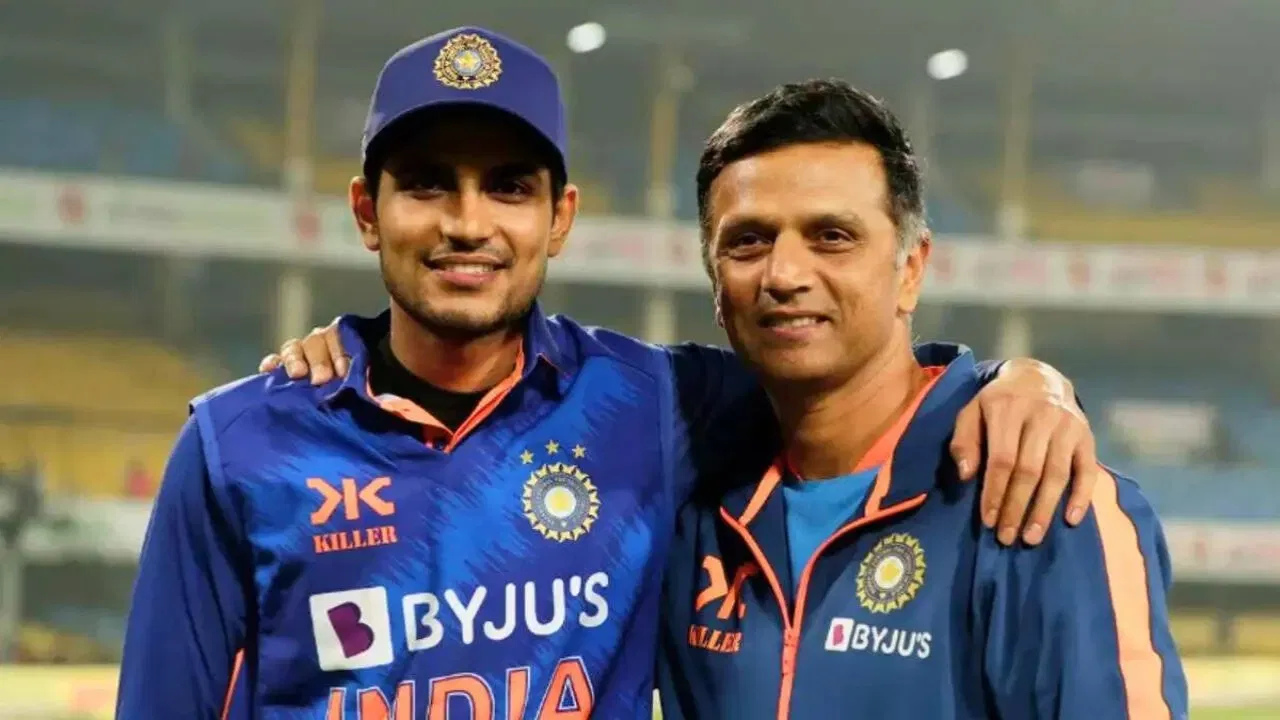
Shubman Gill crowned Cricketer of the Year as Rahul Dravid receives BCCI Lifetime Achievement award

Hardik Pandya booked over ‘obscene act’ with Mahieka Sharma while wrapped in tricolour
Zimbabwe batter put on the same pedestal as Virat Kohli by ex-KKR star
Jasprit Bumrah all set to quit Test cricket? ‘White-ball specialist’ fears emerge
Rohit Sharma set to retire after IPL 2026? Colossal truth behind viral claim revealed
Jasprit Bumrah offered English citizenship to help England win World Cup

Sanjiv Goenka ready to sell Lucknow Super Giants before IPL 2026
IPL 2026 Full Schedule: Match Dates, Venues, Timings and Team Fixtures
Gautam Gambhir’s real face revealed by India batting coach: ‘He’s very clever…’
Pakistan stars told to form alliance and remove Mohsin Naqvi from power
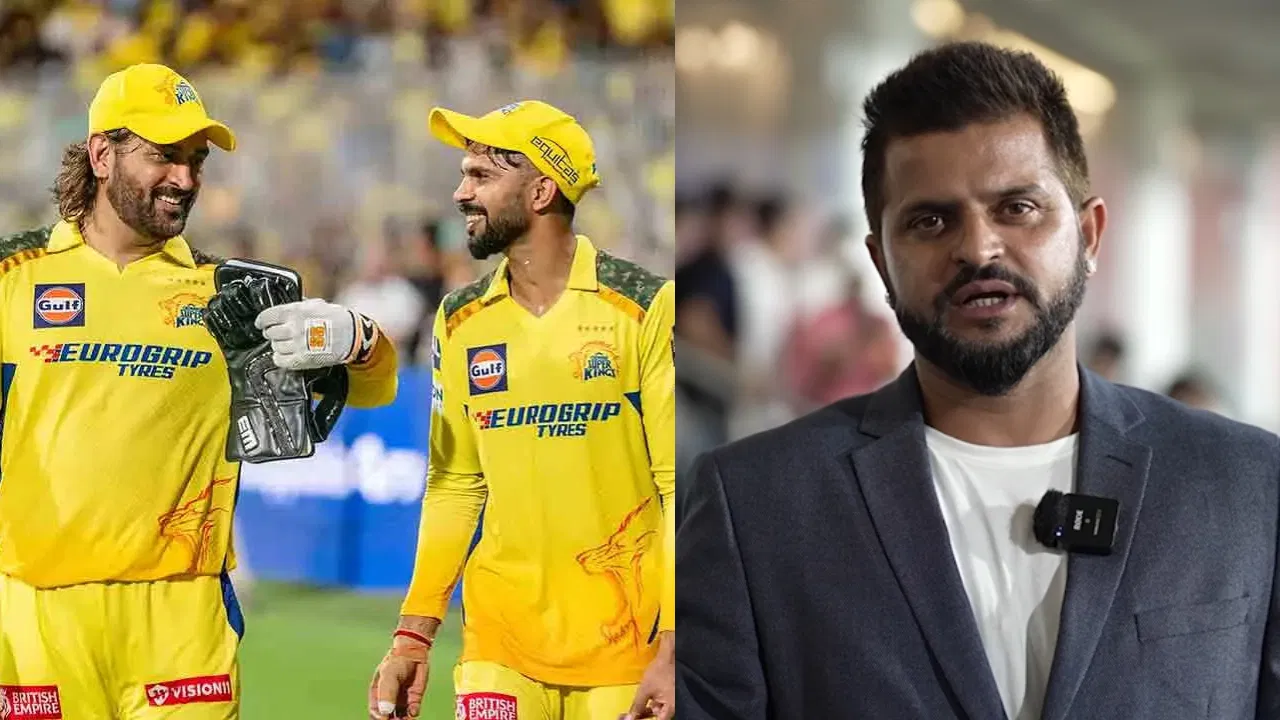
Suresh Raina-MS Dhoni reunion cancelled! CSK deny coaching position to Chinna Thala

Sanju Samson’s entry into India’s Test, ODI teams confirmed? Gautam Gambhir joins ‘justice gang’
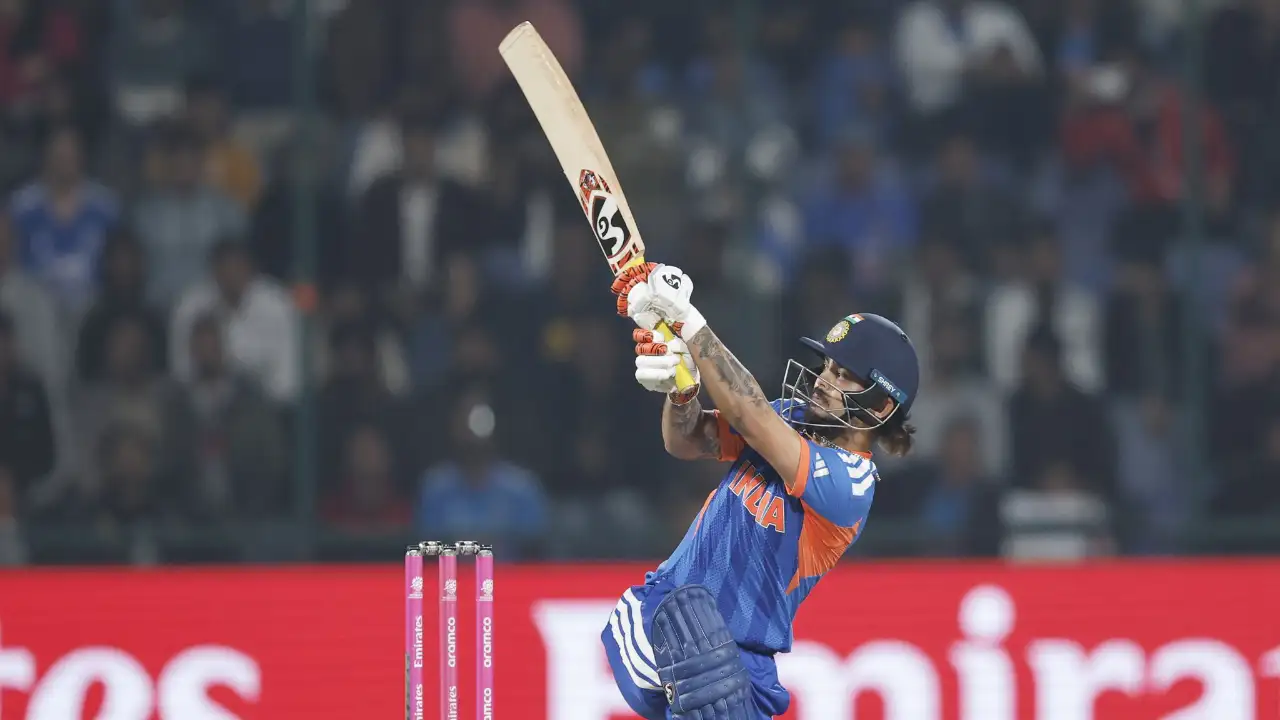
Ishan Kishan rises to World No.2 in ICC T20I Rankings as Rashid Khan dethrones Varun Chakravarthy
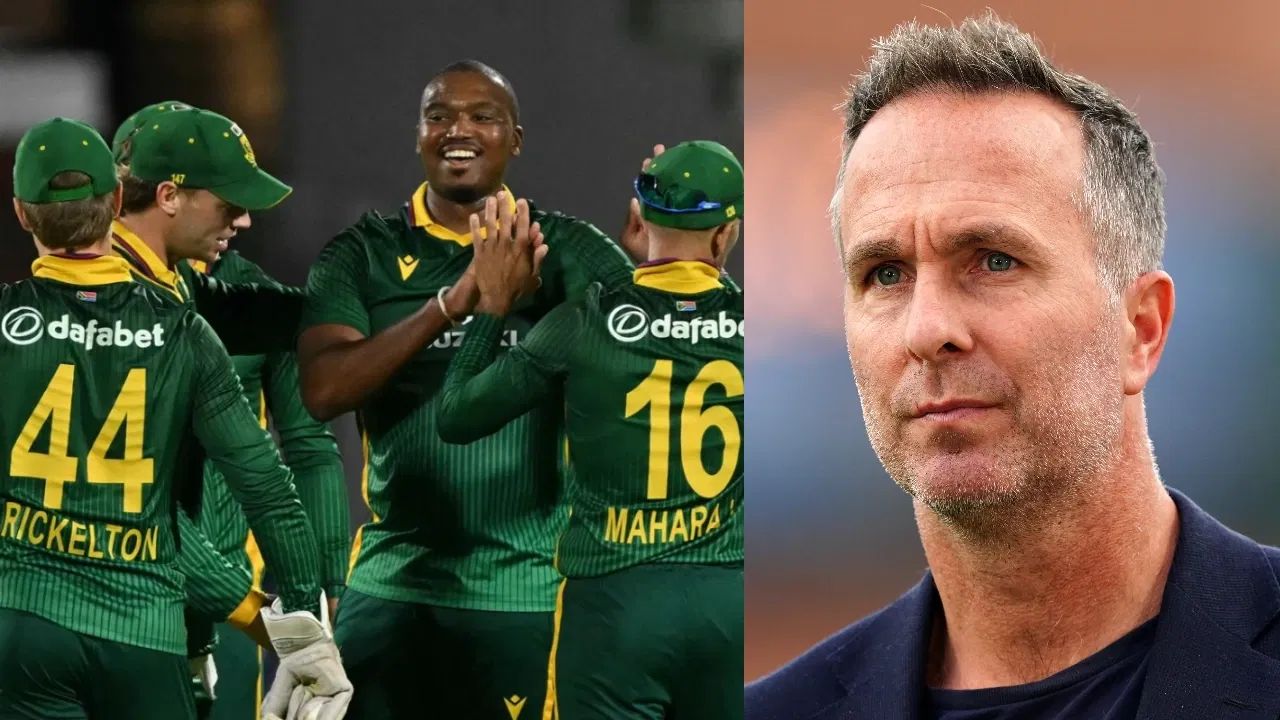
Michael Vaughan brutally trolls South Africa as ‘Stupidest team in T20 World Cup 2026’