What happens if Bangladesh withdraw from T20 World Cup 2026? All possible scenarios explained
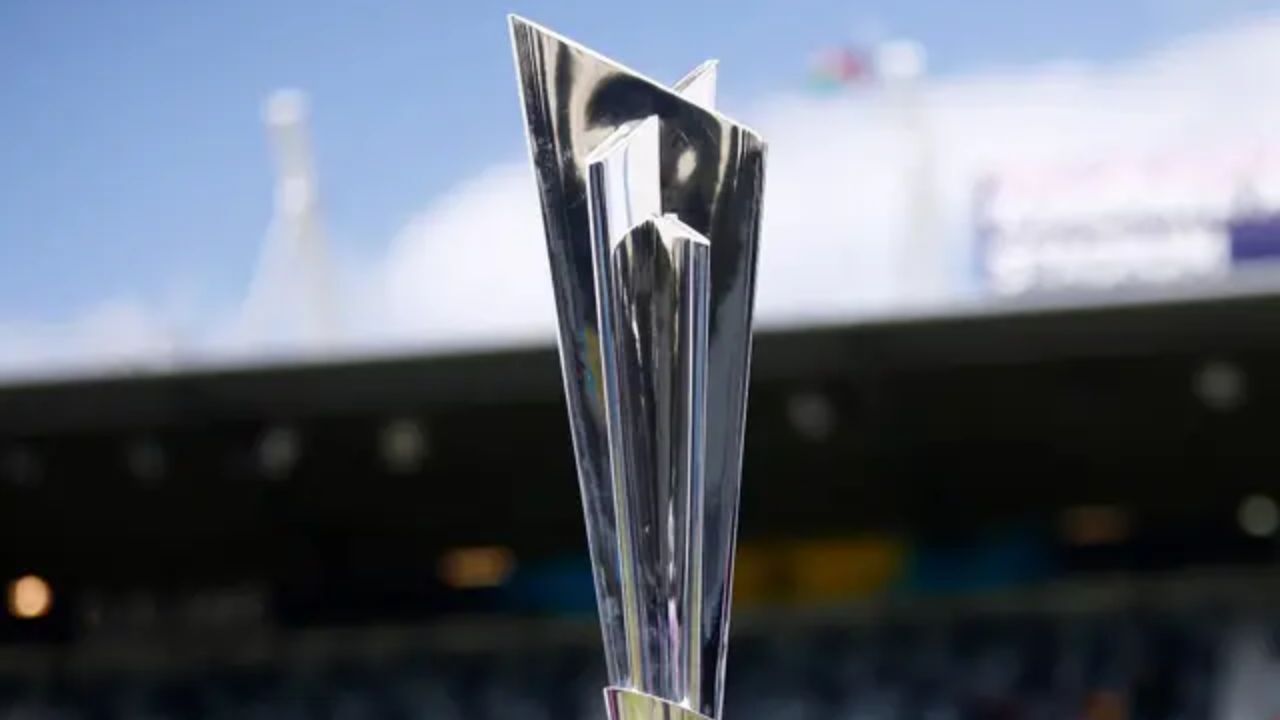
Bangladesh’s Potential Withdrawal from ICC T20 World Cup 2026: What Could Happen?
The Bangladesh Cricket Board (BCB) and the International Cricket Council (ICC) are currently at odds over security concerns regarding the venue for the upcoming ICC T20 World Cup 2026. This disagreement has raised the possibility of Bangladesh withdrawing from the tournament, creating a tense situation in the cricketing world.
Background of the Dispute
The strained relations between India and Bangladesh have been exacerbated by recent attacks on Hindu minorities in Bangladesh. The Board of Control for Cricket in India (BCCI) made a decision to drop Kolkata Knight Riders (KKR) from the IPL 2026 squad, which was perceived as an insult by Bangladesh. This, coupled with safety concerns raised at the government level, has led Bangladesh to express reluctance about traveling to India for the T20 World Cup 2026.
Bangladesh’s Stand
Instead of playing in India, Bangladesh has proposed that their matches be held in Sri Lanka, one of the co-hosts of the tournament. Bangladesh is part of Group C, along with West Indies, England, Italy, and Nepal, with three matches scheduled to take place at Eden Gardens in Kolkata and one at Mumbai’s Wankhede Stadium.
Potential Scenarios
If Bangladesh decides to withdraw from the T20 World Cup 2026, the ICC will be faced with several possible scenarios:
Scenario 1: Middle Ground
The best-case scenario would involve the ICC accommodating Bangladesh’s request to shift their group matches to Sri Lanka while maintaining the rest of the tournament schedule. This solution would preserve the 20-team format but could pose logistical challenges for fans, broadcasters, and other teams.
Scenario 2: Forfeits and Group Disruption
If Bangladesh refuses to travel to India and the ICC does not agree to relocate their matches, the tournament could proceed with Bangladesh’s matches being forfeited to their opponents. This would result in West Indies, England, Italy, and Nepal being awarded the points without playing, effectively ending Bangladesh’s campaign.
Scenario 3: Complete Withdrawal
The most extreme outcome would be Bangladesh completely withdrawing from the tournament. In this scenario, the ICC would need to either find a replacement team at short notice or proceed with the tournament with forfeited fixtures, which could disrupt the competitive balance of the event.
ICC’s Dilemma: Finding a Replacement
If Bangladesh pulls out of the T20 World Cup, the ICC would be tasked with selecting a replacement team. While Scotland is a strong Associate side and has replaced a team in the past, recent qualification results complicate the decision-making process. The ICC would need to consider factors such as recent form, qualification results, travel logistics, and scheduling compatibility when selecting a replacement team.
Overall, the potential withdrawal of Bangladesh from the ICC T20 World Cup 2026 has created uncertainty and could lead to significant changes in the tournament’s structure and dynamics. The ICC must carefully navigate this situation to ensure a smooth and fair competition for all participating teams.
Impact on Bangladesh Cricket
If Bangladesh decides to withdraw from the ICC T20 World Cup 2026, it could have far-reaching consequences for the country’s cricketing community. The team’s absence would not only deprive fans of witnessing their favorite players in action on a global stage but also impact the development and exposure of cricket in Bangladesh. Participation in major tournaments like the T20 World Cup is crucial for the growth of the sport in emerging cricketing nations like Bangladesh.
Furthermore, a withdrawal from the tournament could have financial implications for the Bangladesh Cricket Board (BCB). Participation in ICC events not only brings in revenue through broadcasting rights and sponsorships but also helps raise the profile of the national team, attracting potential investors and sponsors. By opting out of the T20 World Cup, Bangladesh risks losing out on these financial opportunities and the chance to showcase their talent on a global platform.
Regional Diplomatic Relations
The dispute between Bangladesh and India over the T20 World Cup venue also highlights the complexities of sports diplomacy and how it intersects with broader geopolitical issues. Cricket has often been used as a tool for fostering diplomatic relations between countries, but in this case, it has become a point of contention.
The involvement of the BCCI and the Indian government in the decision-making process for hosting the tournament reflects the intertwined nature of sports and politics. The outcome of this dispute could have implications for future sporting events and bilateral relations between India and Bangladesh, as well as the perception of safety and security for visiting teams in the region.
Global Cricketing Landscape
The potential withdrawal of Bangladesh from the ICC T20 World Cup 2026 underscores the challenges faced by cricket’s governing bodies in ensuring the smooth conduct of international tournaments. As cricket continues to expand globally, issues such as venue security, team participation, and scheduling conflicts become more prevalent.
This incident sheds light on the need for clear protocols and contingency plans to address situations where teams express concerns or are unable to participate in major tournaments. The ICC may need to revisit its policies and procedures to better handle similar disputes in the future and ensure the integrity and competitiveness of its events.
Final Thoughts
As the situation between Bangladesh and the ICC unfolds, the cricketing world watches with bated breath to see how the dispute will be resolved. The outcome of this disagreement could have lasting implications for Bangladesh cricket, regional diplomatic relations, and the global cricketing landscape.
Ultimately, finding a resolution that balances the concerns of all parties involved while upholding the spirit of fair competition will be crucial in determining the future of the ICC T20 World Cup 2026. Only time will tell how this predicament will be navigated and what impact it will have on the world of cricket.
Latest News

Mumbai Indians suffer blow! Mitchell Santner, Will Jacks ruled out of IPL 2026 games
MI vs KKR Match Prediction – Who Will Win Match No.2? | IPL 2026
Mumbai Indians Playing XI vs Kolkata Knight Riders Playing XI- Match No. 2 | IPL 2026
MI vs KKR Match 2 Preview: Free Live Streaming, Pitch & Weather Report, Head-to-Head | IPL 2026
Not English cricket! Jos Buttler credits IPL for his success as a cricketer
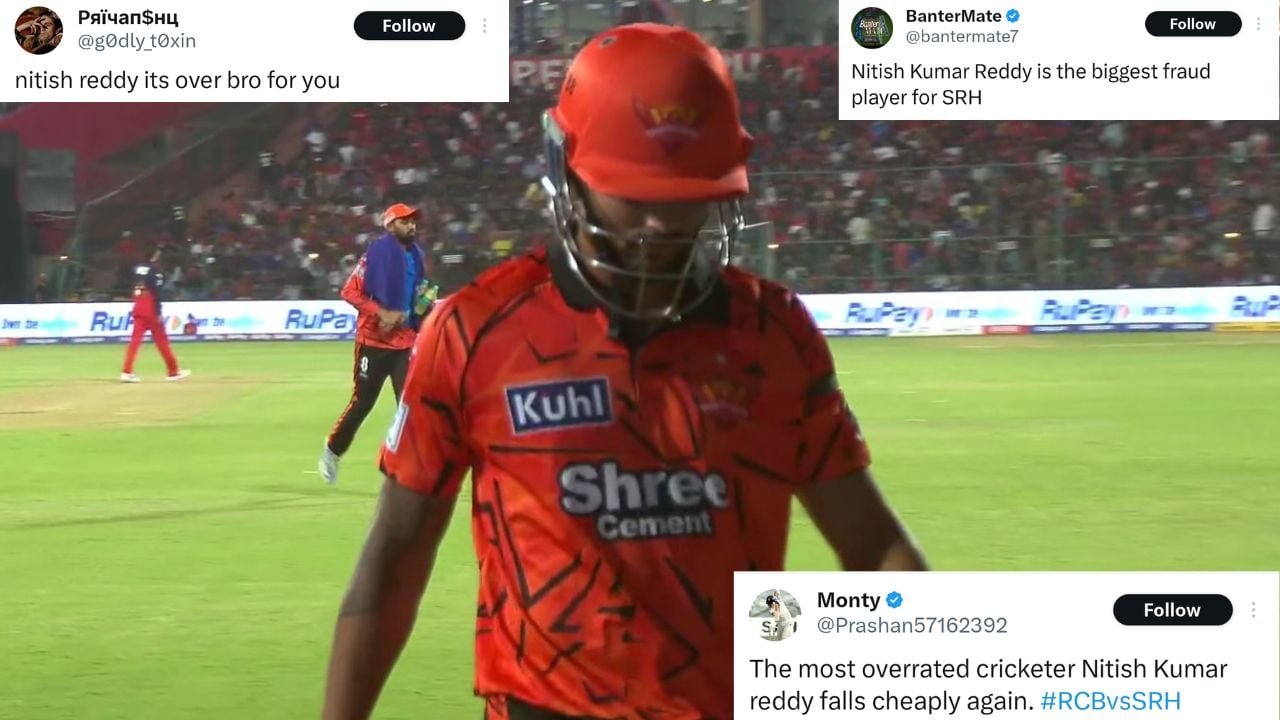
“Nitish Kumar Reddy is biggest fraud”: Fans fume as SRH star fails vs RCB in IPL 2026 opener
Who is Abhinandan Singh? The Virat Kohli troublemaker who made his IPL debut for RCB vs SRH
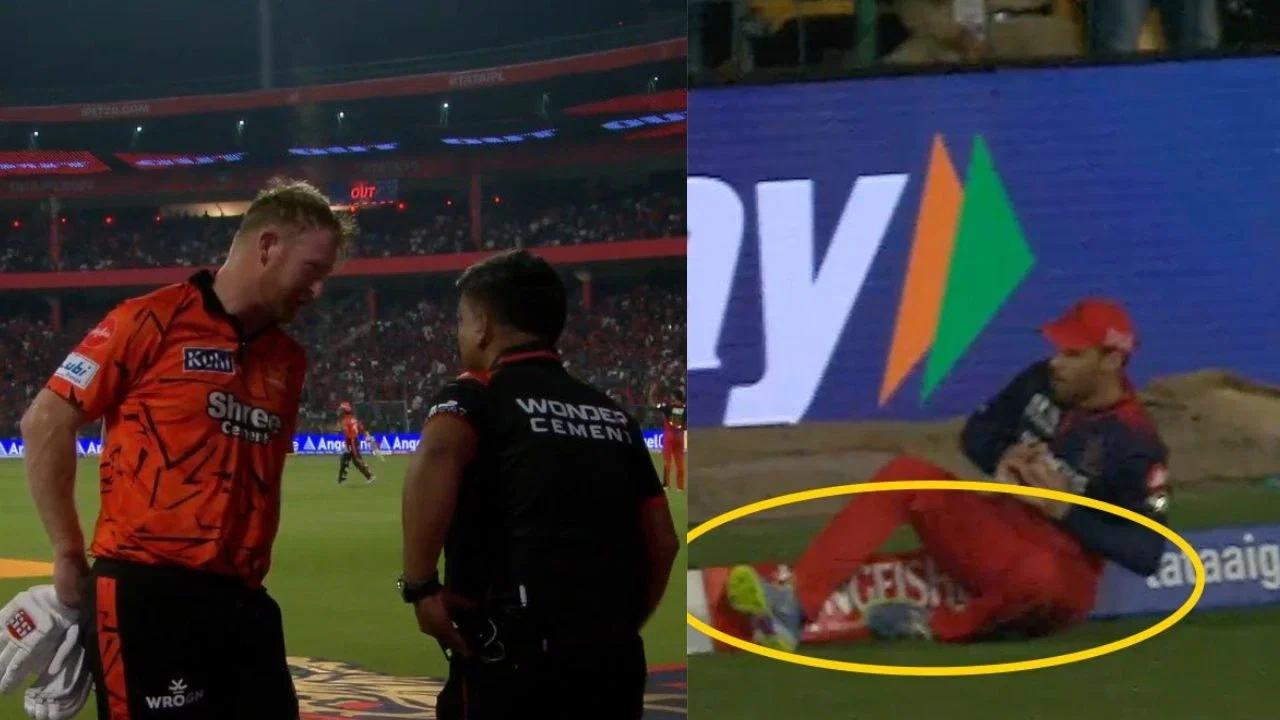
Heinrich Klaasen engages in heated chat with 4th umpire after Phil Salt’s controversial catch in IPL 2026
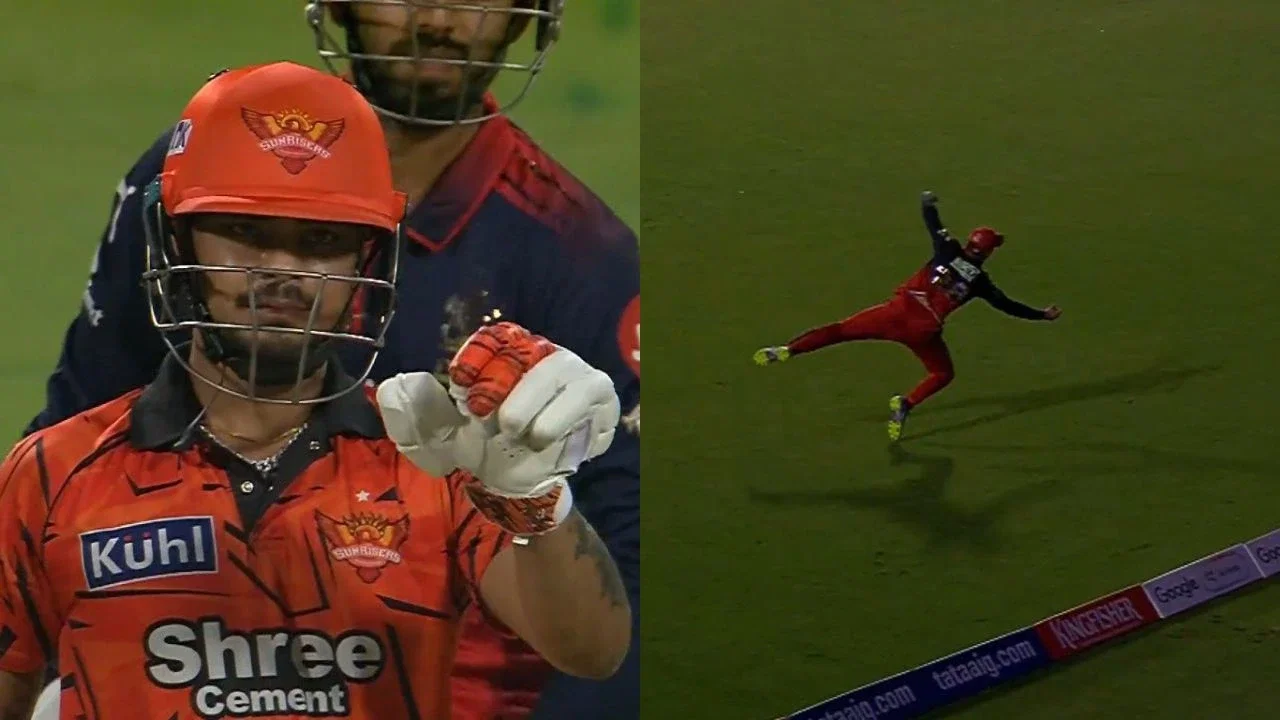
Phil Salt grabs one of the greatest catches in IPL history to dismiss Ishan Kishan
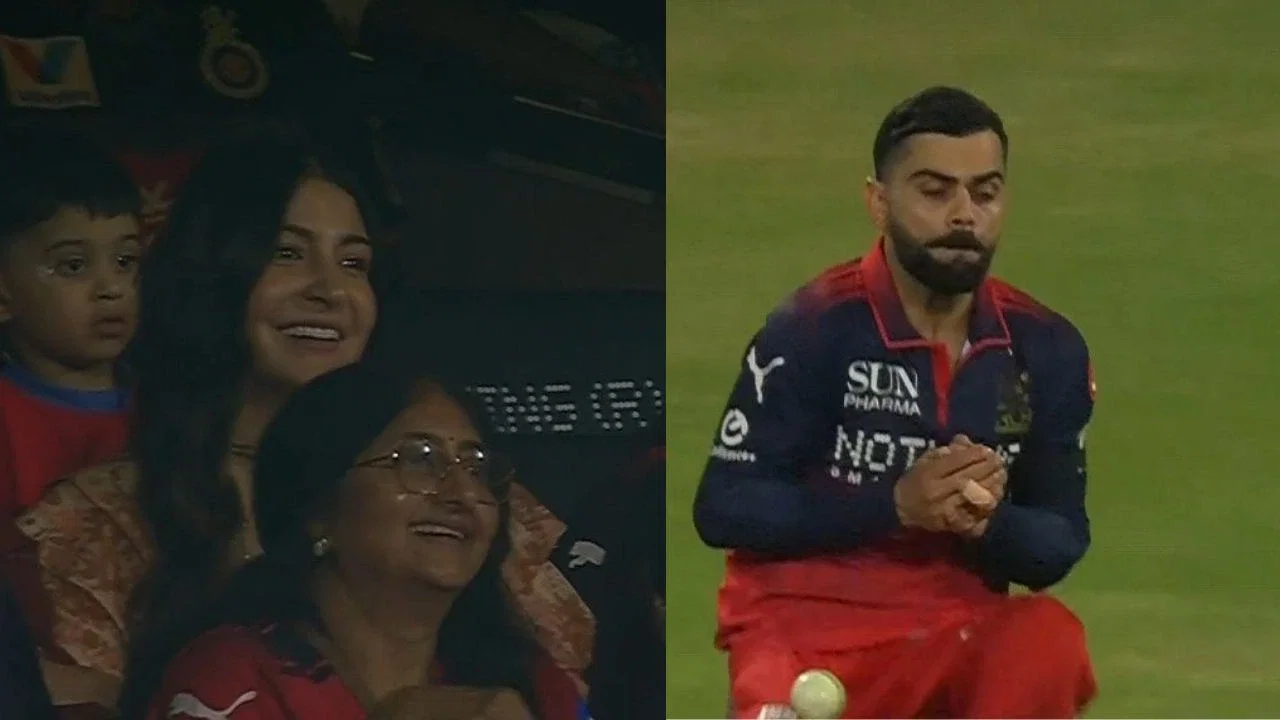
Anushka Sharma laughs as Virat Kohli drops a sitter in RCB vs SRH clash (Watch Video)
Anushka Sharma laughs as Virat Kohli drops a sitter in RCB vs SRH clash (Watch Video)
Anushka Sharma laughs as Virat Kohli drops a sitter in RCB vs SRH clash (Watch Video)
Anushka Sharma laughs as Virat Kohli drops a sitter in RCB vs SRH clash (Watch Video)
Anushka Sharma laughs as Virat Kohli drops a sitter in RCB vs SRH clash (Watch Video)