“When Pahalgam terrorist attack happened…”: India blocked from playing Bangladesh in T20 World Cup 2026
Former Indian Cricketer Manoj Tiwary Opposes India-Bangladesh Match Amid Rising Tensions
Former Indian cricketer and current politician, Manoj Tiwary, recently expressed his strong opinion regarding the potential match between India and Bangladesh at the upcoming ICC T20 World Cup 2026. Tiwary’s statement went beyond the realm of sports, touching on humanitarian issues and the importance of valuing human life.
Tiwary’s Stance on Sports and Humanitarian Issues
Tiwary emphasized that sports should not be prioritized over serious humanitarian matters between countries. He highlighted his longstanding belief that when an Indian citizen is brutally killed in any country, it should not be taken lightly. Tiwary recalled his previous stance on India-Pakistan matches, stating that sporting relations should be halted in such circumstances.
According to Tiwary, the significance of human life surpasses the importance of cricket matches or tournaments. He asserted that India should cease all sporting ties with a country where an Indian national has been harmed, regardless of the nation involved.
India-Bangladesh Match Controversy
Expressing his disapproval, Tiwary firmly stated that India should not engage in a cricket match with Bangladesh in the upcoming T20 World Cup. He emphasized that the issue extends beyond sports and sends the wrong message by allowing matches to proceed amidst tensions.
Despite Tiwary’s objections, reports suggest that the match between India and Bangladesh will proceed as scheduled. Tiwary’s concerns are heightened by recent attacks on the Hindu community in Bangladesh, further fueling the tensions between the two nations.
ICC’s Response to Security Concerns
Earlier, Bangladesh’s Youth and Sports Adviser had raised security concerns, claiming that the ICC deemed it unsafe for Bangladesh to travel to India for the tournament. However, the ICC clarified that independent security assessments have not identified any specific threats to Bangladesh’s safety during the ICC T20 World Cup 2026 in India.
According to reports, internationally recognized security experts have assessed the overall security risk for the tournament in India as low to moderate, which is considered normal for major global sporting events.
Conclusion
Manoj Tiwary’s strong stance against the India-Bangladesh match reflects the complex intersection of sports and politics, emphasizing the need to prioritize humanitarian values over cricket rivalries. As the controversy unfolds, the ultimate decision regarding the match’s fate lies at the intersection of diplomatic relations, security concerns, and the spirit of international sportsmanship.
The Importance of Diplomatic Relations in International Sports
Manoj Tiwary’s opposition to the India-Bangladesh match brings to light the intricate balance between sportsmanship and diplomatic relations. In the realm of international sports, matches not only showcase athletic prowess but also serve as symbolic representations of the relationship between nations. By taking a principled stand against the match, Tiwary underscores the idea that sports should not overshadow or undermine the larger political context in which they exist.
Historically, sports have been used as a tool for diplomacy, fostering friendly relations between countries and promoting cultural exchange. However, in times of conflict or tension, as seen in the case of India and Bangladesh, sports events can become fraught with political significance. Tiwary’s stance highlights the need for careful consideration of the implications of sporting engagements on broader diplomatic ties.
Impact of Sporting Boycotts on Bilateral Relations
While Tiwary’s call for a boycott of the India-Bangladesh match may be rooted in his principled stance on humanitarian issues, such actions can have far-reaching consequences on bilateral relations. Sporting boycotts have been utilized in the past as a form of protest or as a means to exert pressure on governments to address human rights violations or other grievances.
However, the decision to boycott a match must be weighed against its potential impact on diplomatic relations, people-to-people contacts, and overall regional stability. In the case of India and Bangladesh, the decision to proceed with the match despite Tiwary’s objections reflects a delicate balancing act between upholding moral principles and maintaining open channels of communication between nations.
Ensuring the Safety and Security of Players and Fans
As the ICC addresses security concerns surrounding the ICC T20 World Cup 2026, ensuring the safety and security of players, officials, and fans remains paramount. In an era marked by heightened security threats and geopolitical tensions, sports events of this magnitude require comprehensive security measures to mitigate risks and ensure a smooth and secure tournament experience.
By conducting independent security assessments and collaborating with internationally recognized experts, the ICC demonstrates its commitment to prioritizing the well-being of all participants. The assurance of a low to moderate security risk provides reassurance to teams and spectators alike, instilling confidence in the organizers’ ability to manage any potential challenges that may arise.
Looking Ahead: Navigating the Intersection of Sports and Politics
As the controversy surrounding the India-Bangladesh match unfolds, it underscores the intricate interplay between sports, politics, and humanitarian values. Moving forward, stakeholders in the realm of international sports must navigate this complex landscape with sensitivity and foresight, recognizing that sporting events can both unite and divide nations depending on the prevailing circumstances.
Ultimately, the decision to proceed with the match serves as a testament to the resilience of sports in transcending political differences and fostering a spirit of healthy competition and camaraderie. While Manoj Tiwary’s opposition sheds light on important ethical considerations, the broader conversation surrounding the India-Bangladesh match highlights the multifaceted nature of international sports and the challenges of striking a balance between athletic pursuits and diplomatic realities.
Latest News
Mumbai Indians suffer blow! Mitchell Santner, Will Jacks ruled out of IPL 2026 games
MI vs KKR Match Prediction – Who Will Win Match No.2? | IPL 2026
Mumbai Indians Playing XI vs Kolkata Knight Riders Playing XI- Match No. 2 | IPL 2026
MI vs KKR Match 2 Preview: Free Live Streaming, Pitch & Weather Report, Head-to-Head | IPL 2026
Not English cricket! Jos Buttler credits IPL for his success as a cricketer
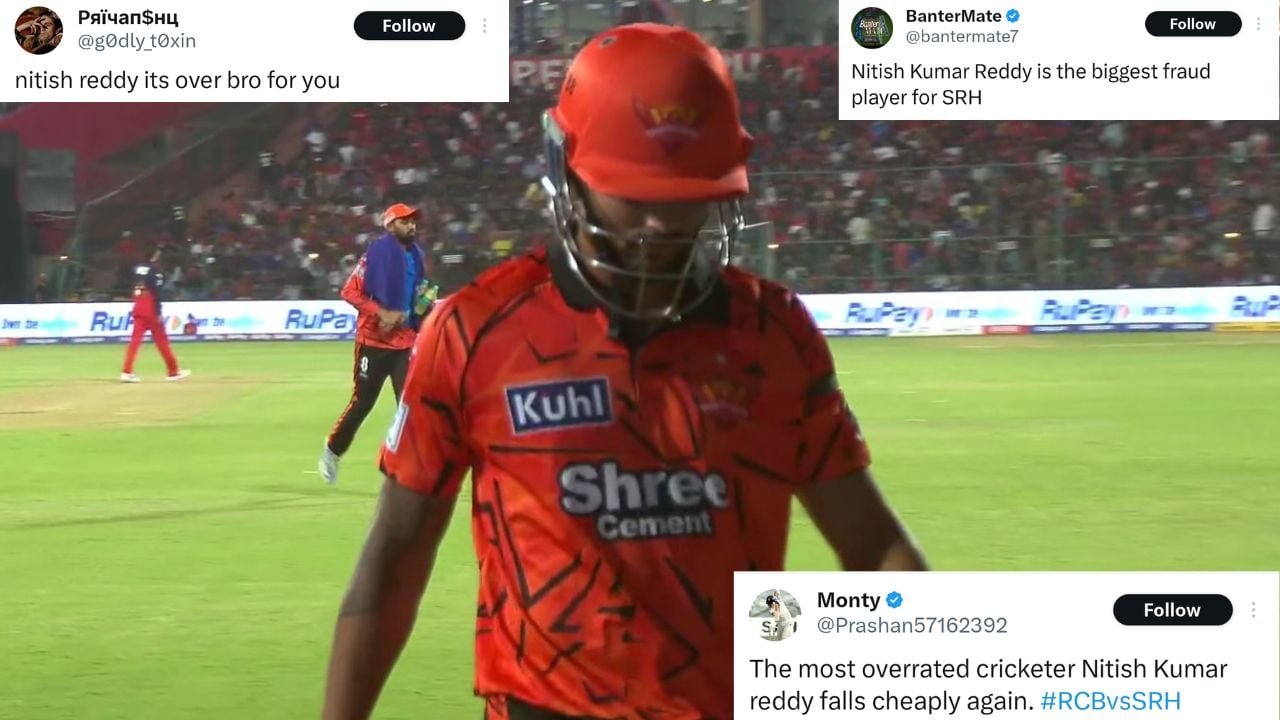
“Nitish Kumar Reddy is biggest fraud”: Fans fume as SRH star fails vs RCB in IPL 2026 opener
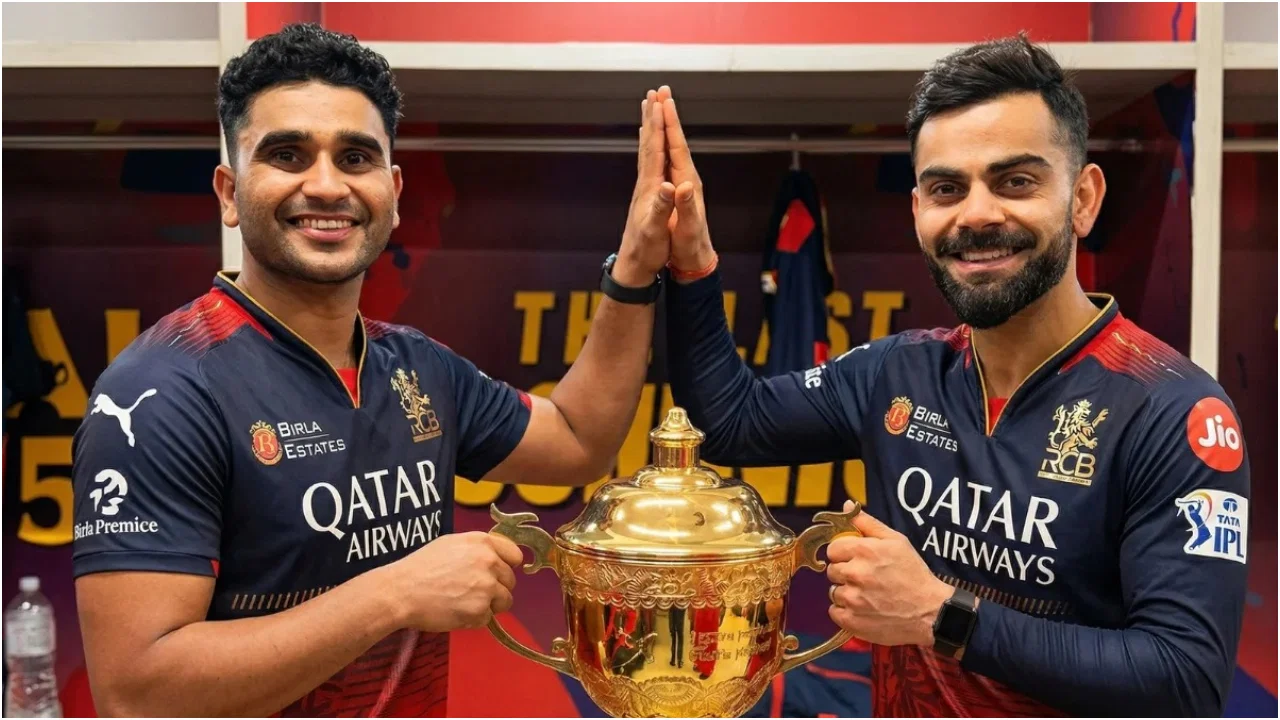
Who is Abhinandan Singh? The Virat Kohli troublemaker who made his IPL debut for RCB vs SRH
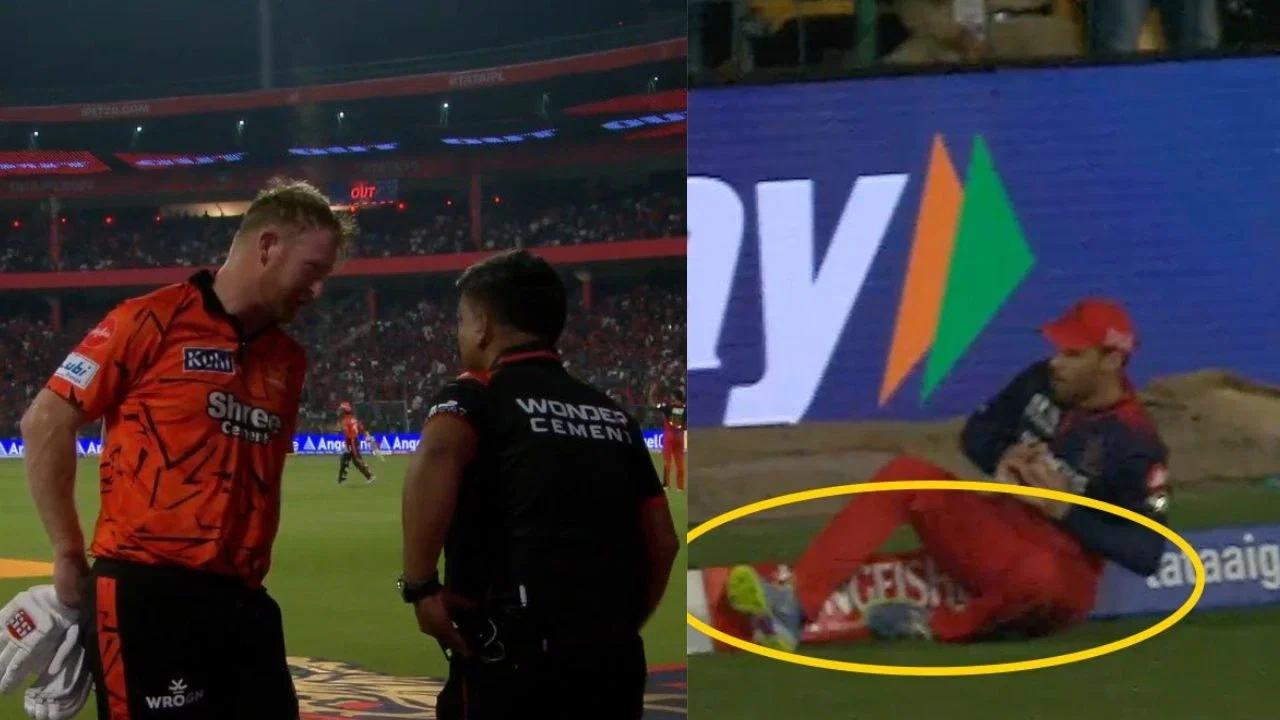
Heinrich Klaasen engages in heated chat with 4th umpire after Phil Salt’s controversial catch in IPL 2026
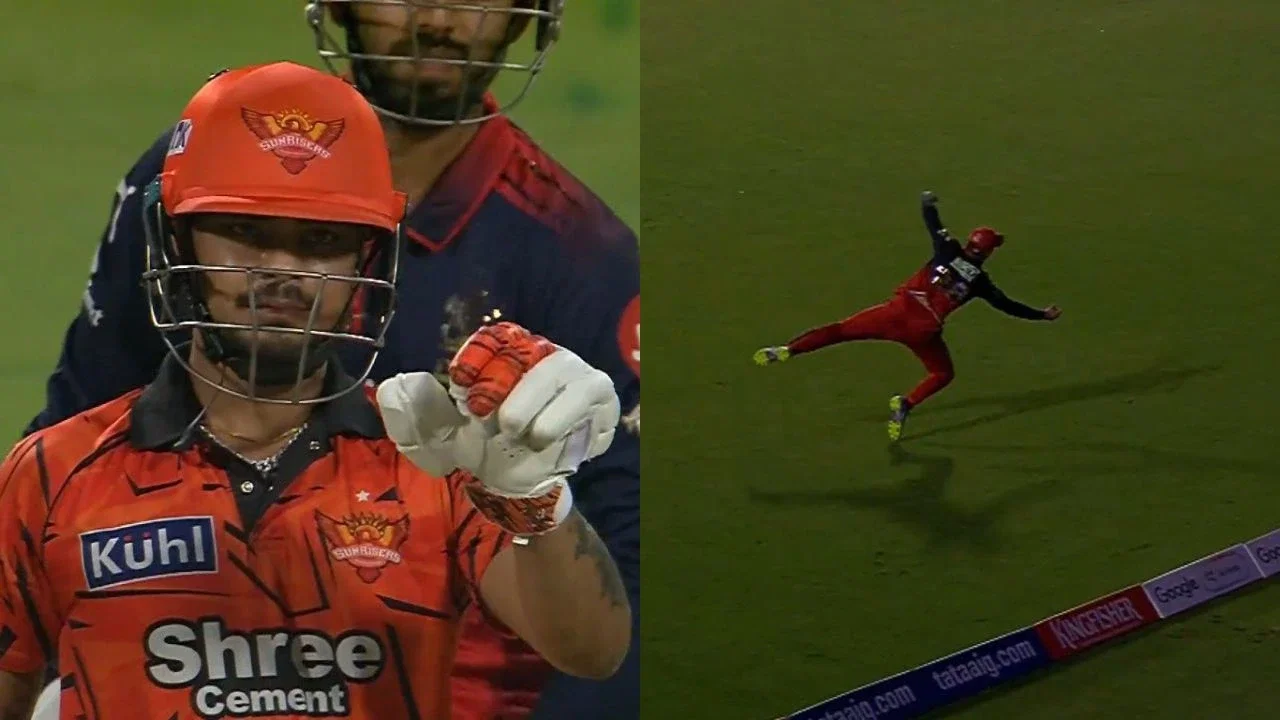
Phil Salt grabs one of the greatest catches in IPL history to dismiss Ishan Kishan
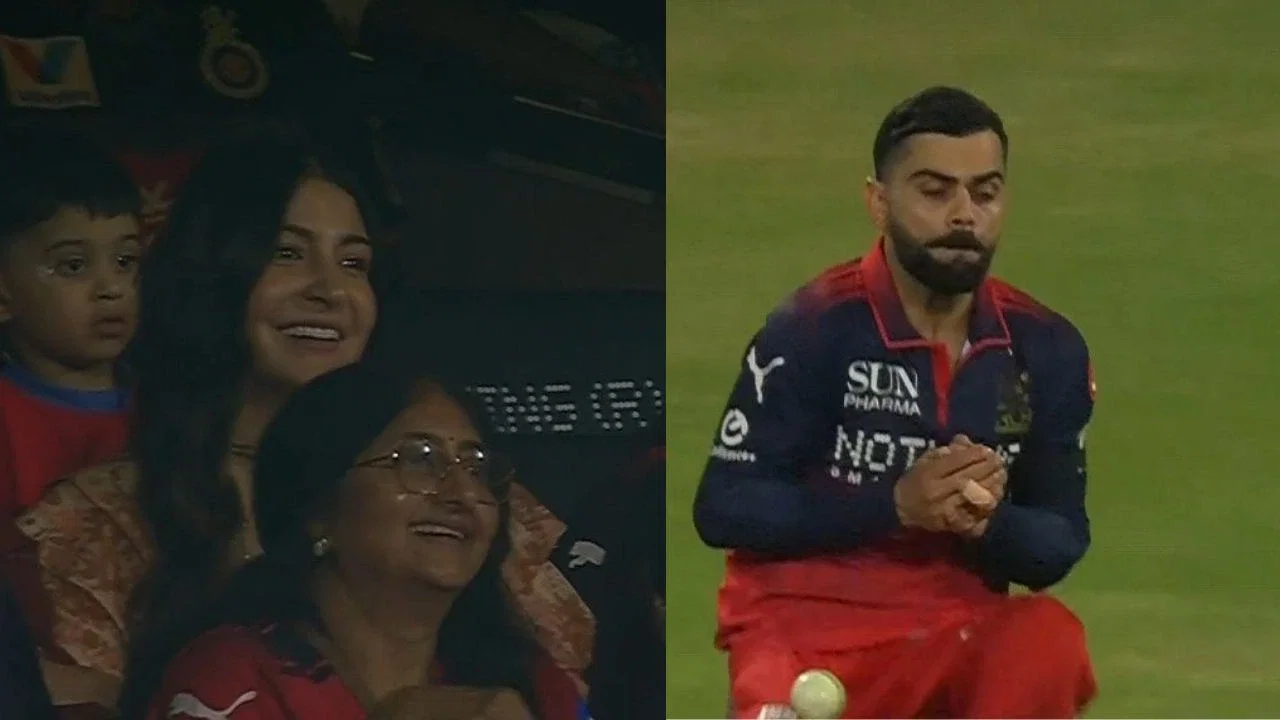
Anushka Sharma laughs as Virat Kohli drops a sitter in RCB vs SRH clash (Watch Video)
Anushka Sharma laughs as Virat Kohli drops a sitter in RCB vs SRH clash (Watch Video)
Anushka Sharma laughs as Virat Kohli drops a sitter in RCB vs SRH clash (Watch Video)
Anushka Sharma laughs as Virat Kohli drops a sitter in RCB vs SRH clash (Watch Video)
Anushka Sharma laughs as Virat Kohli drops a sitter in RCB vs SRH clash (Watch Video)