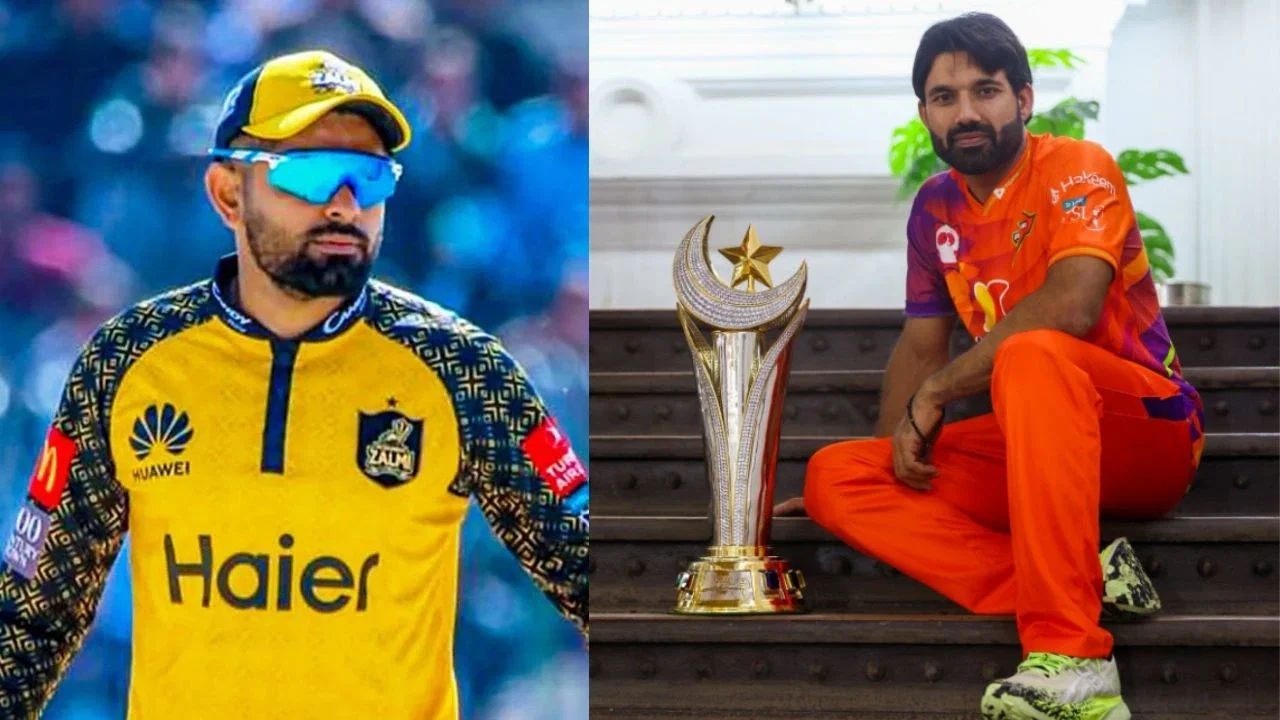
World Cricket unites for Imran Khan: 14 captains pressure Pakistan government over prison conditions
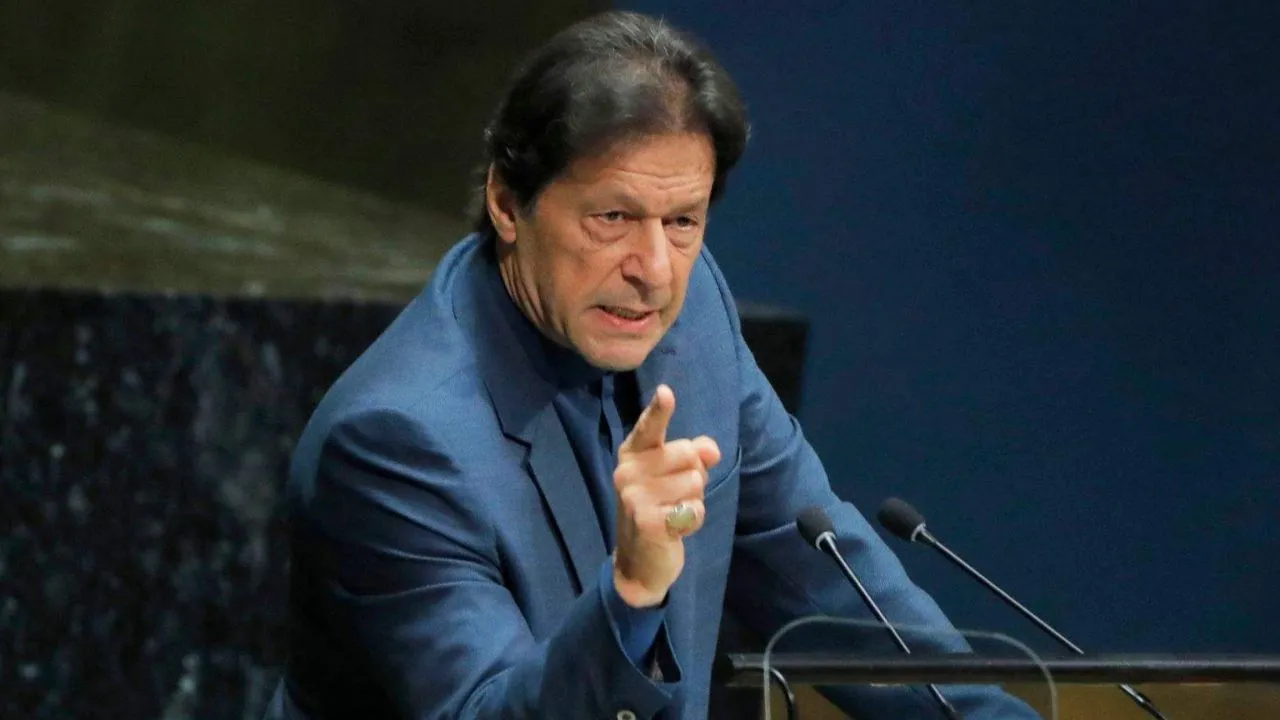
14 Former Cricket Captains Advocate for Fair Treatment of Imran Khan’s Health
There has been growing concern over the health of former Pakistani cricketer and Prime Minister, Imran Khan, who reportedly experienced vision loss while in Adiala Jail. The news has sparked international attention, leading 14 former international cricket captains to come together in a formal appeal to the Government of Pakistan urging fair treatment for the cricket legend.
Petition Drafted by Greg Chappell
The appeal, spearheaded by former Australia captain Greg Chappell, was submitted to Pakistan Prime Minister Shehbaz Sharif. Notable cricketing figures such as Sunil Gavaskar, Kapil Dev, Allan Border, Steve Waugh, and others have also thrown their weight behind the petition, emphasizing the need for improved healthcare for Imran Khan.
Greg Chappell decided to pen the petition after distressing reports emerged regarding Imran Khan’s deteriorating health within the confines of Adiala Jail in Rawalpindi. Khan, who has been incarcerated due to corruption charges for over two years, is said to have lost nearly 85 percent of vision in his right eye.
International Concern for Imran Khan
The 14 former cricket captains from five Test-playing nations expressed deep worry about Imran Khan’s well-being and the conditions of his imprisonment. In their petition, they emphasized the need for Imran Khan to receive humane treatment considering his status as a former national leader and global sporting icon.
“Recent reports concerning his health – particularly the alarming deterioration of his vision while in custody – and the conditions of his imprisonment over the past two and a half years have caused us profound concern,” the former captains stated in the petition.
Sunil Gavaskar’s Strong Words
Indian cricketing legend Sunil Gavaskar, who has a close personal relationship with Imran Khan, spoke out against the treatment being meted out to the former Pakistani cricketer. Gavaskar called the situation “terrible” and highlighted the bond of friendship that extends beyond on-field rivalries.
“It’s terrible what they are doing to him. We have been friends since he was trying to qualify as an overseas player for Worcestershire and not just rivals on the field,” Gavaskar lamented.
Conclusion
The collective voice of these former cricket captains serves to shine a spotlight on the plight of Imran Khan and the need for compassionate and fair treatment, regardless of one’s past or present standing. As the world watches, the appeal to the Pakistan government seeks to ensure that Imran Khan’s health is safeguarded and that he receives the respect and care befitting his stature both on and off the cricket field.
Global Support for Imran Khan
The outpouring of support for Imran Khan extends beyond the cricketing world, with political leaders, human rights organizations, and everyday citizens rallying behind the cause. Leaders from various countries have voiced their concerns over Khan’s health and treatment, calling for his release or at the very least, improved medical care while in custody.
Organizations such as Amnesty International and Human Rights Watch have also condemned the reported conditions of Imran Khan’s imprisonment, citing violations of basic human rights and the need for transparent and fair judicial proceedings. The spotlight on Khan’s case has brought renewed attention to issues of justice and accountability within the Pakistani legal system.
Imran Khan’s Legacy in Pakistan
Imran Khan’s legacy in Pakistan extends far beyond his cricketing achievements. As a former captain of the national cricket team and the current Prime Minister of the country, Khan is a polarizing figure who has inspired millions with his charisma, determination, and vision for a better Pakistan.
Throughout his political career, Khan has championed causes such as education, healthcare, and anti-corruption efforts, earning both praise and criticism for his unyielding stance on these issues. His supporters view him as a symbol of hope and change, while his detractors question his methods and policies.
The Intersection of Politics and Sport
The convergence of politics and sport in Imran Khan’s life showcases the interconnected nature of these two spheres. From leading his team to World Cup victory in 1992 to navigating the complex landscape of Pakistani politics, Khan has demonstrated a unique ability to straddle both worlds with finesse and determination.
As the debate rages on about Imran Khan’s health and treatment, the broader conversation about the intersection of politics and sport continues to evolve. The role of athletes in shaping political discourse, and the responsibility of governments to ensure the well-being of their citizens, are themes that resonate far beyond the boundaries of a cricket field.
Looking Towards the Future
As the world awaits further developments in Imran Khan’s case, the spotlight on his health and treatment serves as a reminder of the fragility of human rights and the importance of upholding basic dignities for all individuals, regardless of their status or past actions.
Whether Imran Khan’s legacy is ultimately defined by his cricketing prowess, his political achievements, or the challenges he faces in the present moment, one thing remains clear: his story is emblematic of the enduring link between sport, politics, and the universal pursuit of justice and fairness.
The collective call for compassion and fair treatment for Imran Khan echoes a broader sentiment that transcends borders and boundaries, reminding us all of our shared humanity and the responsibility we have to stand up for those in need.
Latest News
Naseem Shah charged with central contract violation during PSL 2026
MS Dhoni out of IPL 2026, has not recovered from calf strain
Jasprit Bumrah set to lead MI attack in blockbuster IPL 2026 clash vs KKR
Mitchell Starc to miss IPL 2026, wife Alyssa Healy drops massive update on injury
Nick Knight rejects PSL to join IPL commentary panel
MS vs ISU Match Prediction, Pitch & Weather Report, Playing XIs, Head-to-Head, Free Live Streaming – PSL 2026 Match 4
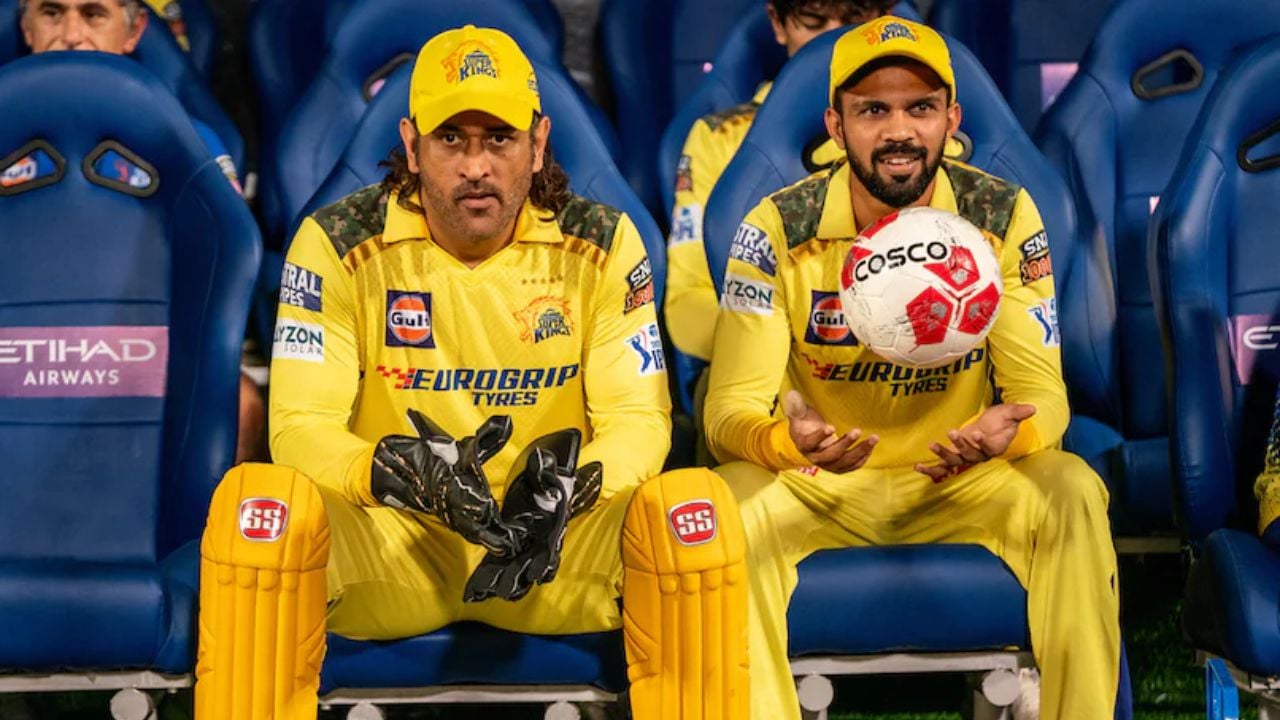
“MS Dhoni doesn’t attend team discussions” – Ruturaj Gaikwad makes stunning revelationtaincy Role

Ben Duckett breaks silence on Noosa Clip scandal, calls it ‘Worst’ moment in cricketing career
“IPL players are grossly underpaid”: Ex-CSK star calls out BCCI
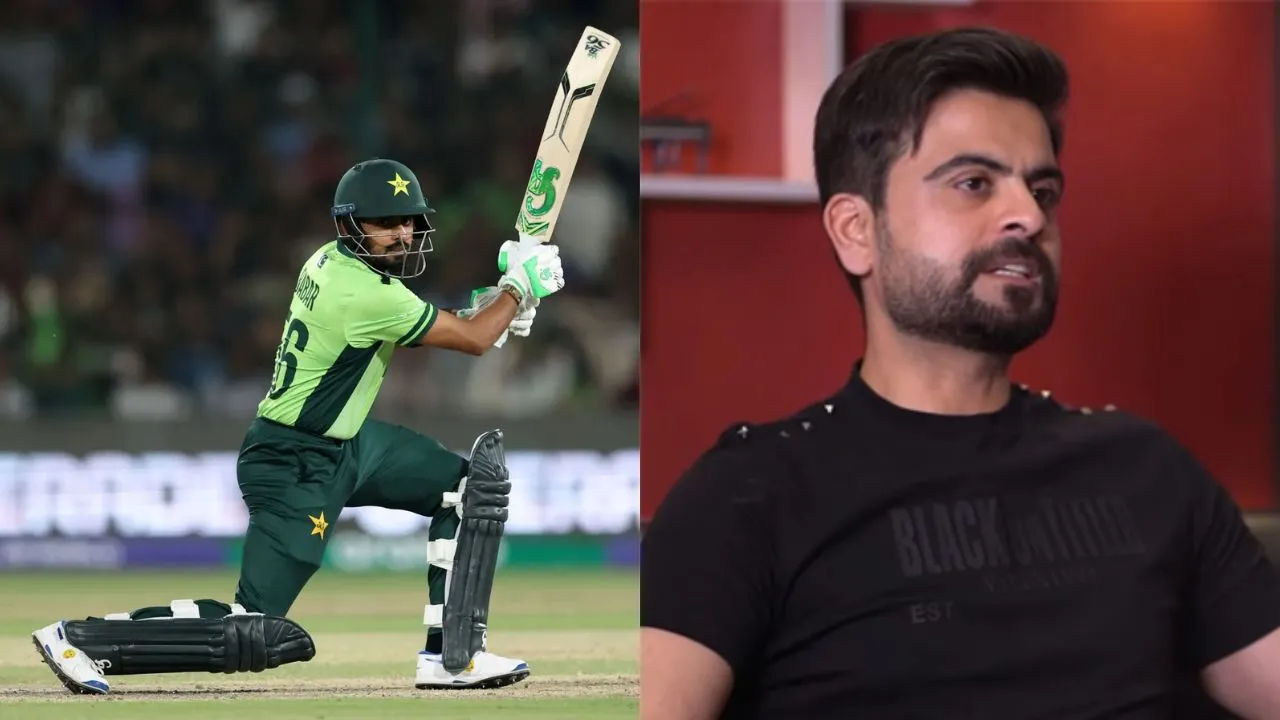
Ahmed Shehzad summoned as former Pakistan skipper takes legal action over serious allegations
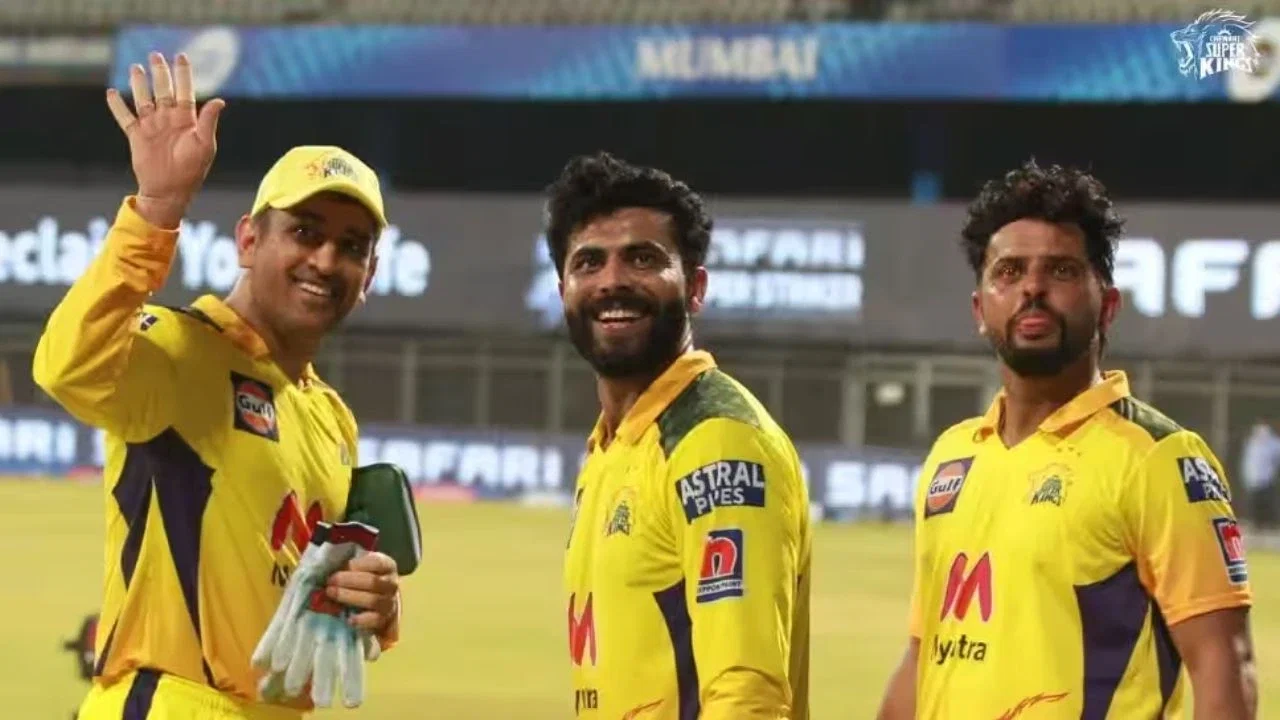
CSK to feature without their legendary duo MS Dhoni and Suresh Raina for the first time
Ishan Kishan set to create history as SRH captain in IPL 2026 opener against RCB
RCB Playing XI vs SRH Playing XI – Match No. 1 | IPL 2026
Delhi Capitals IPL 2026 Full Schedule: DC Fixtures, Dates, Timings and Venues | Squad and Coaches