World Cricketers’ Association turns against Jay Shah’s ICC! Bangladesh T20 WC mess branded a threat to cricket
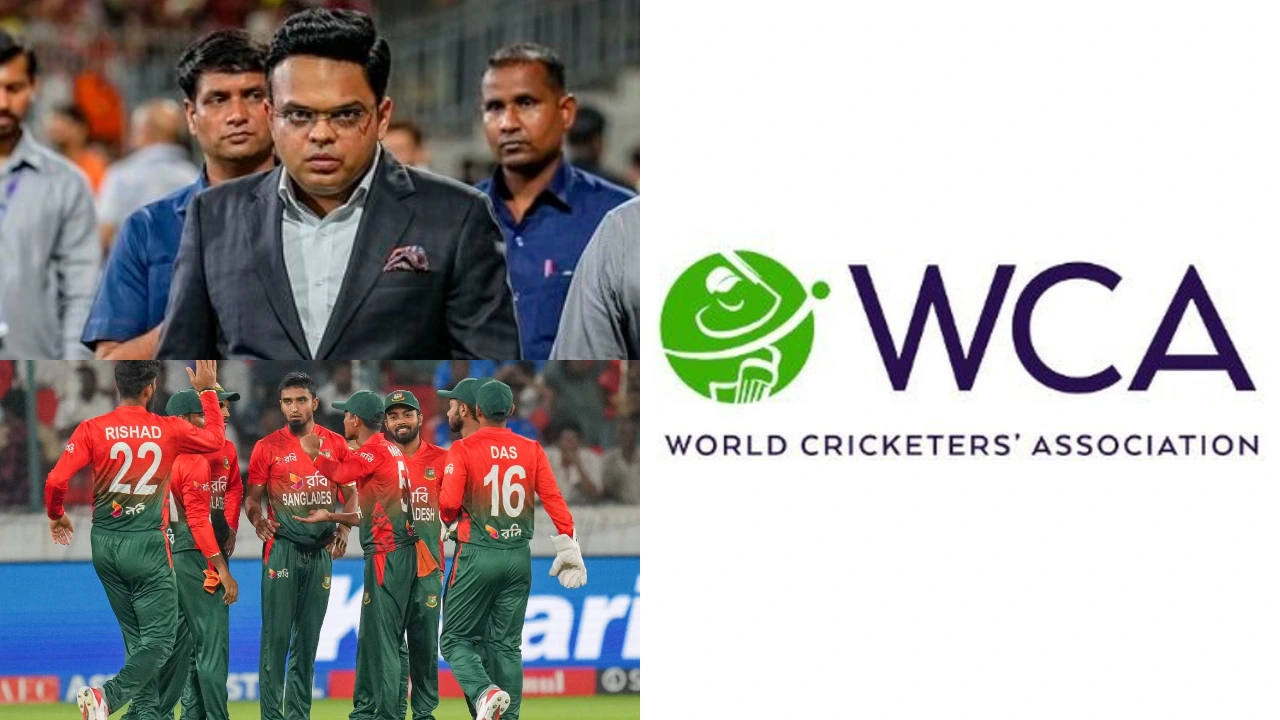
Controversy Hits World Cricket Ahead of T20 World Cup 2026
As the T20 World Cup 2026 approaches, the cricket world is abuzz with controversy, leaving fans and experts divided. The recent decision by Bangladesh to pull out of the tournament has sparked a heated debate, with the World Cricketers’ Association (WCA) expressing serious concerns over the handling of the situation.
Bangladesh’s Withdrawal Shocks Cricket Community
The announcement of Bangladesh’s withdrawal from the T20 World Cup 2026 in India and Sri Lanka came as a shock to many. Despite efforts by the International Cricket Council (ICC) to ensure the team’s security, Bangladesh refused to travel to India, leading to their replacement by Scotland.
While some believe that the Bangladesh Cricket Board (BCB) is to blame for creating unnecessary problems, others argue that the players were not treated fairly in the situation. Regardless of the differing opinions, it is clear that the ones most affected by this decision are the Bangladeshi players.
WCA Criticizes ICC’s Handling of Crisis
The World Cricketers’ Association has condemned the ICC and the BCB for failing to reach a solution that would have protected the players’ interests. WCA CEO Tom Moffat expressed his disappointment, stating that the absence of Bangladesh from the T20 World Cup is a significant loss for the sport, the players, and the fans.
Moffat highlighted the need for every team and player to be treated with respect and fairness, emphasizing that unity and trust are essential for the game’s long-term health. The controversy has shed light on deeper issues within international cricket, particularly in the subcontinent, where political tensions and power struggles have threatened the integrity of tournaments.
Concerns for the Future of World Cricket
The WCA warns that the unequal treatment and power struggles witnessed in this incident could have grave implications for the future of the game. Moffat emphasized the importance of addressing these issues to maintain trust, unity, and the overall health of cricket at a global level.
In conclusion, the controversy surrounding Bangladesh’s withdrawal from the T20 World Cup 2026 underscores the need for fair treatment and unity in international cricket. As the cricket community grapples with the aftermath of this decision, it is imperative that steps are taken to prevent similar incidents in the future and preserve the integrity of the sport we all love.
Impact on T20 World Cup 2026
The absence of Bangladesh from the T20 World Cup 2026 has not only disrupted the tournament’s lineup but has also raised concerns about the overall organization and management of international cricket events. With Scotland stepping in as a replacement team, the dynamics of the competition have shifted, potentially altering predictions and outcomes for the participating teams.
Experts and fans alike are now speculating on how Bangladesh’s withdrawal will impact the group stages, knockout rounds, and ultimately, the championship title. The unexpected turn of events has injected an element of unpredictability into the tournament, adding a layer of excitement and intrigue for cricket enthusiasts worldwide.
Player Welfare and Safety
One of the primary concerns stemming from Bangladesh’s withdrawal is the issue of player welfare and safety. The decision to prioritize the well-being of the players, even at the expense of participation in a prestigious tournament, highlights the growing importance of ensuring secure and conducive environments for athletes in international sports.
The incident has prompted discussions about the responsibilities of cricket boards, governing bodies, and host nations in safeguarding the interests and safety of players, particularly in regions facing political instability or security threats. Moving forward, there is a pressing need for improved protocols and measures to address such challenges and protect the integrity of the sport.
Transparency and Communication
The controversy surrounding Bangladesh’s withdrawal has underscored the significance of transparency and effective communication in resolving disputes and maintaining trust within the cricket community. Clear and open dialogue between stakeholders, including players, officials, and administrators, is vital for addressing grievances, preventing misunderstandings, and fostering a collaborative environment in the sport.
By prioritizing transparency and communication, cricket authorities can enhance accountability, build stronger relationships, and mitigate potential conflicts that could jeopardize the reputation and credibility of the game. Establishing robust channels for dialogue and feedback can facilitate timely resolutions and prevent similar controversies from arising in the future.
Global Implications for Cricket
The fallout from Bangladesh’s withdrawal has reverberated beyond the borders of the T20 World Cup 2026, raising broader questions about the state of international cricket and the challenges facing the sport in a rapidly evolving landscape. The incident has prompted a reevaluation of governance structures, decision-making processes, and the balance of power within cricket’s global ecosystem.
As stakeholders reflect on the implications of this controversy, there is an opportunity to enact meaningful reforms that strengthen the foundations of cricket, promote fairness and inclusivity, and safeguard the interests of players, teams, and fans worldwide. By addressing underlying issues and fostering a culture of collaboration and respect, the cricket community can chart a path towards a more sustainable and harmonious future for the sport.
In conclusion, the controversy surrounding Bangladesh’s withdrawal from the T20 World Cup 2026 serves as a critical wake-up call for the cricket world, prompting introspection, dialogue, and action to address systemic challenges and uphold the values of integrity, fairness, and unity in the sport. By learning from this incident and embracing a spirit of cooperation and transparency, cricket can emerge stronger and more resilient, ready to face the opportunities and challenges that lie ahead.
Latest News
Virat Kohli’s explosive threat during coach’s conspiracy revealed: “Will beat the living hell out of…”
Dinesh Karthik can become head coach of India, England or Australia: Jitesh Sharma makes bold claim
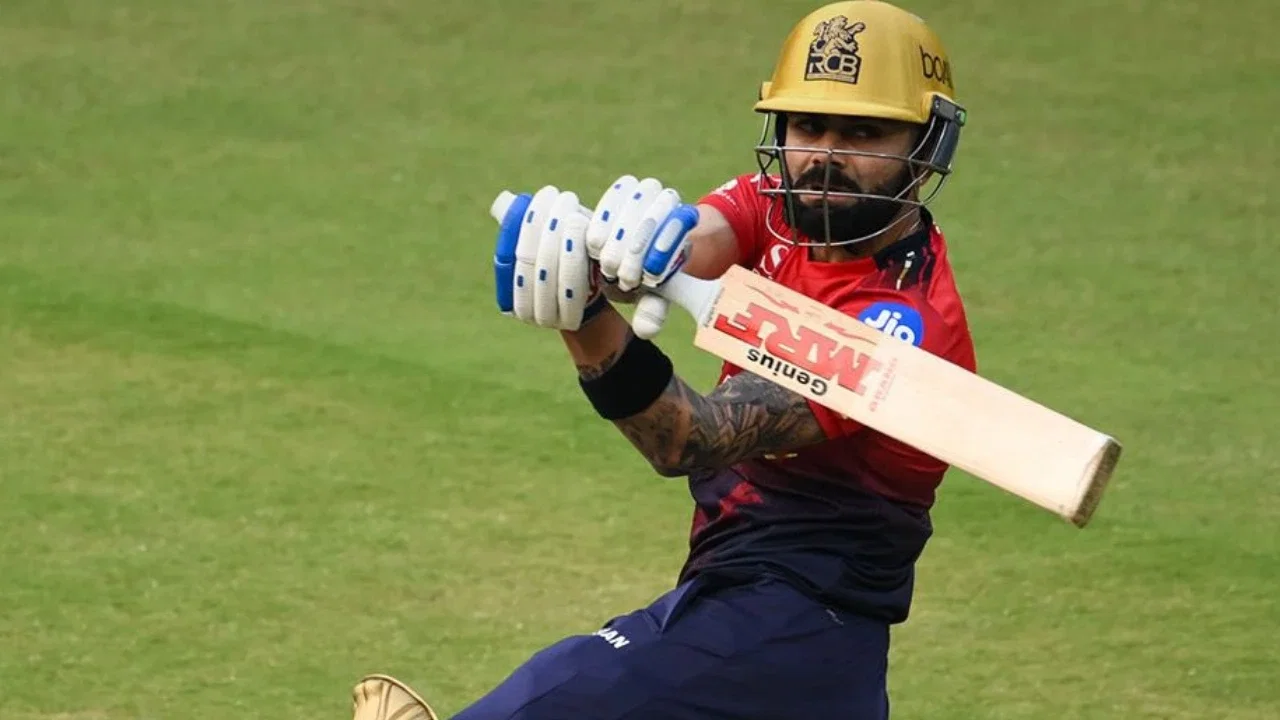
Virat Kohli turns Abhishek Sharma with explosive batting for RCB ahead of IPL 2026

Not Tim Seifert! KKR eye 21-year-old Indian as wicketkeeper for IPL 2026
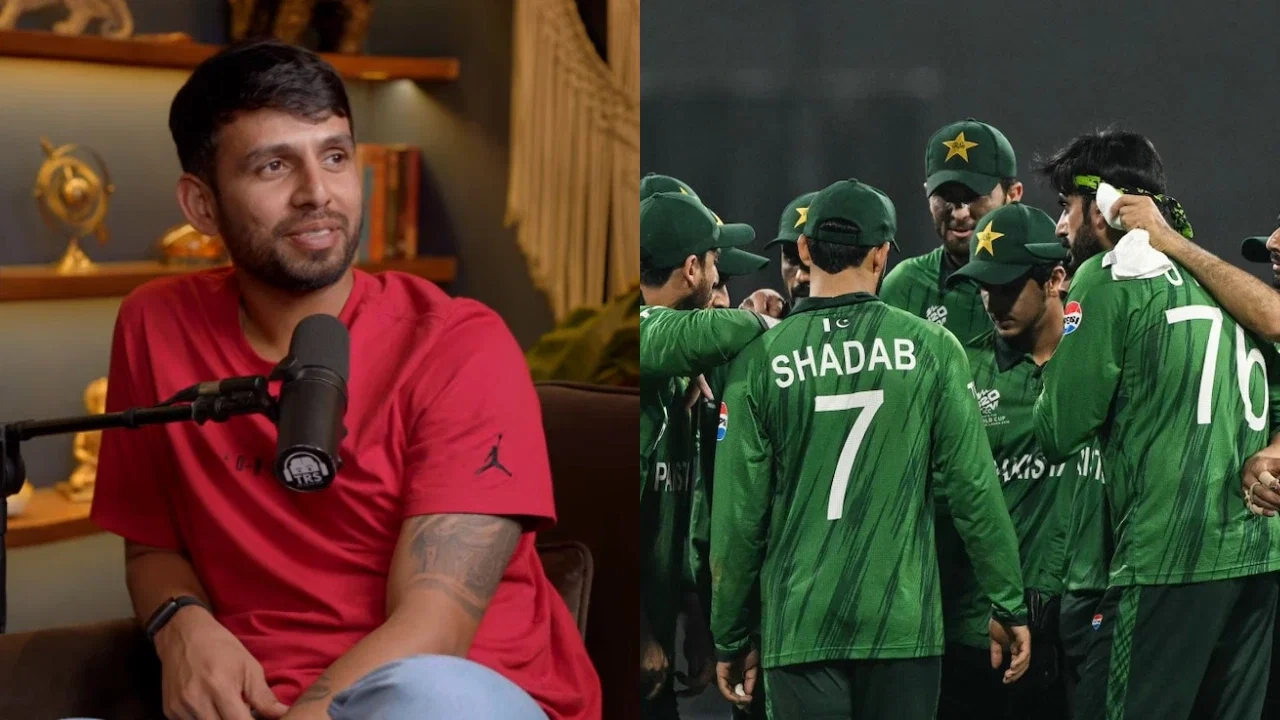
“Itna dete nahi importance inko”: Jitesh Sharma trolls Pakistan, reveals unheard story
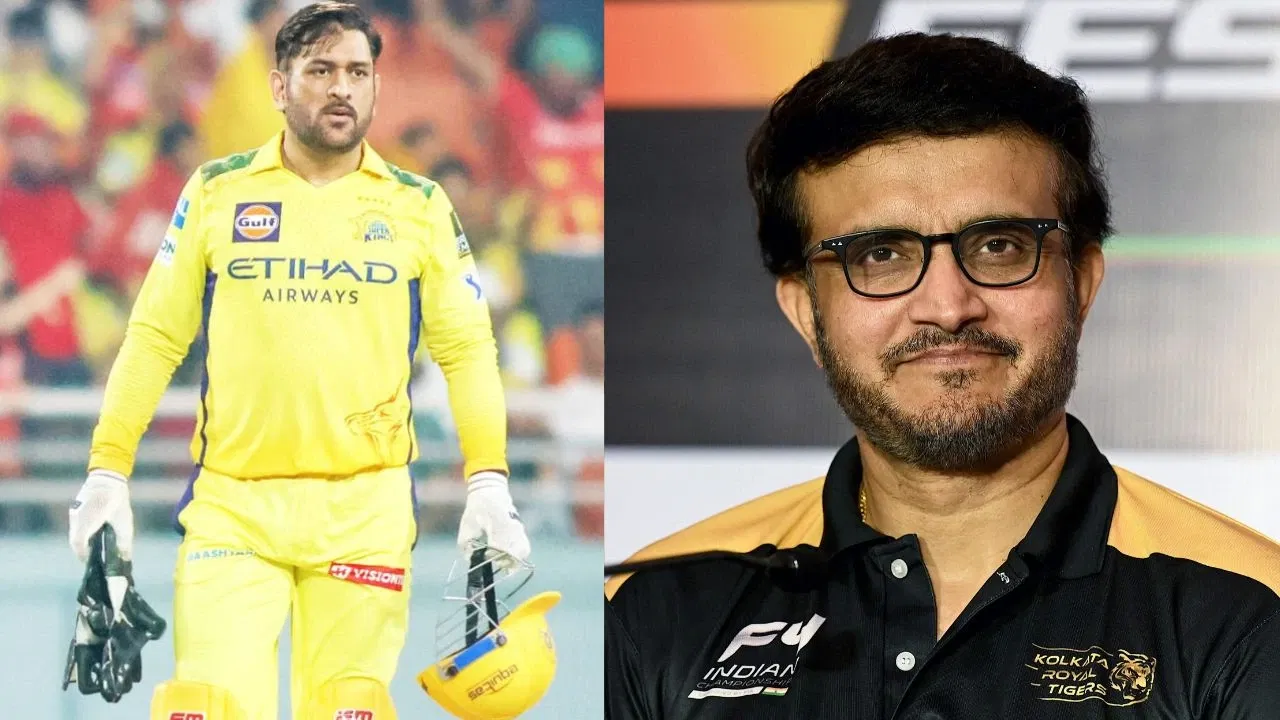
‘I liked young MS Dhoni more than the mature one’: Sourav Ganguly drops huge statement
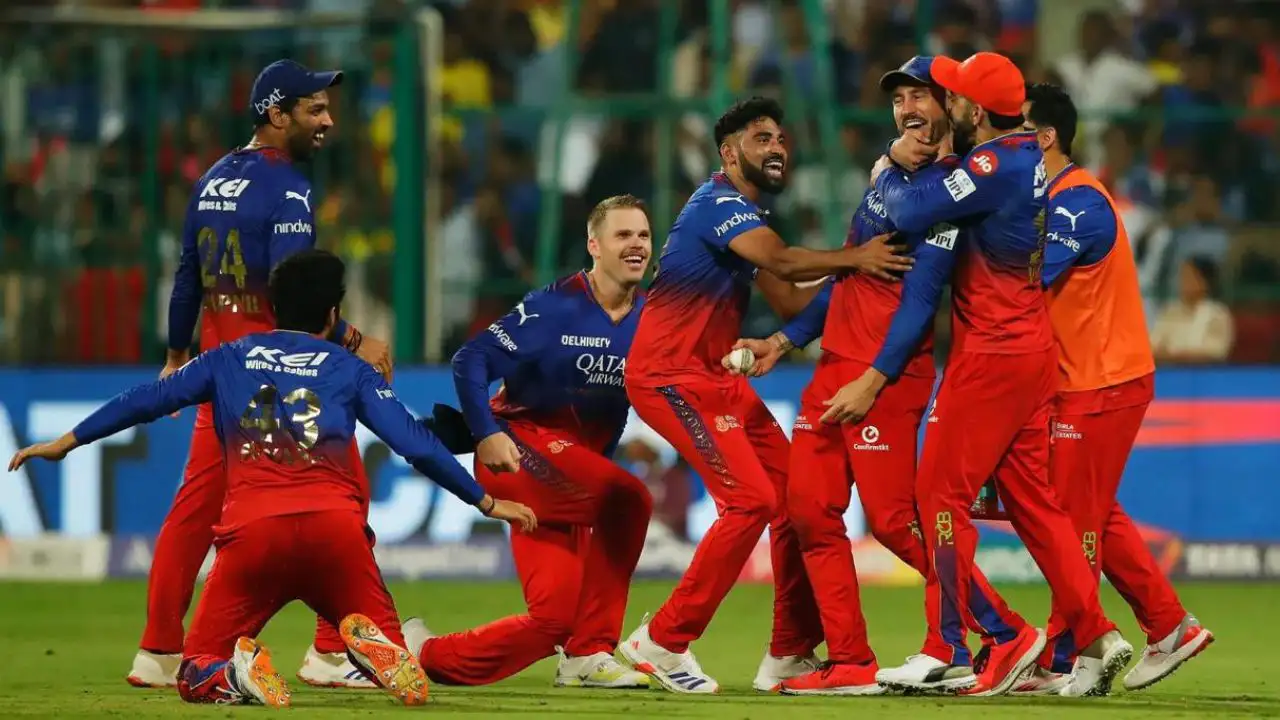
RCB suffer huge blow! SLC blocks Nuwan Thushara’s IPL 2026 participation
Border-Gavaskar Trophy 2027 schedule announced; Ahmedabad among five venues selected
BCCI announces India’s 2026-27 international home season schedule; series vs AUS, WI, SL, ZIM finalized
Irfan Pathan reveals Yuvraj Singh’s secret method to train Rishabh Pant ahead of IPL 2026
Virat Kohli, Rohit Sharma ODI schedule: Full list of matches they will play in India’s 2026-27 home season
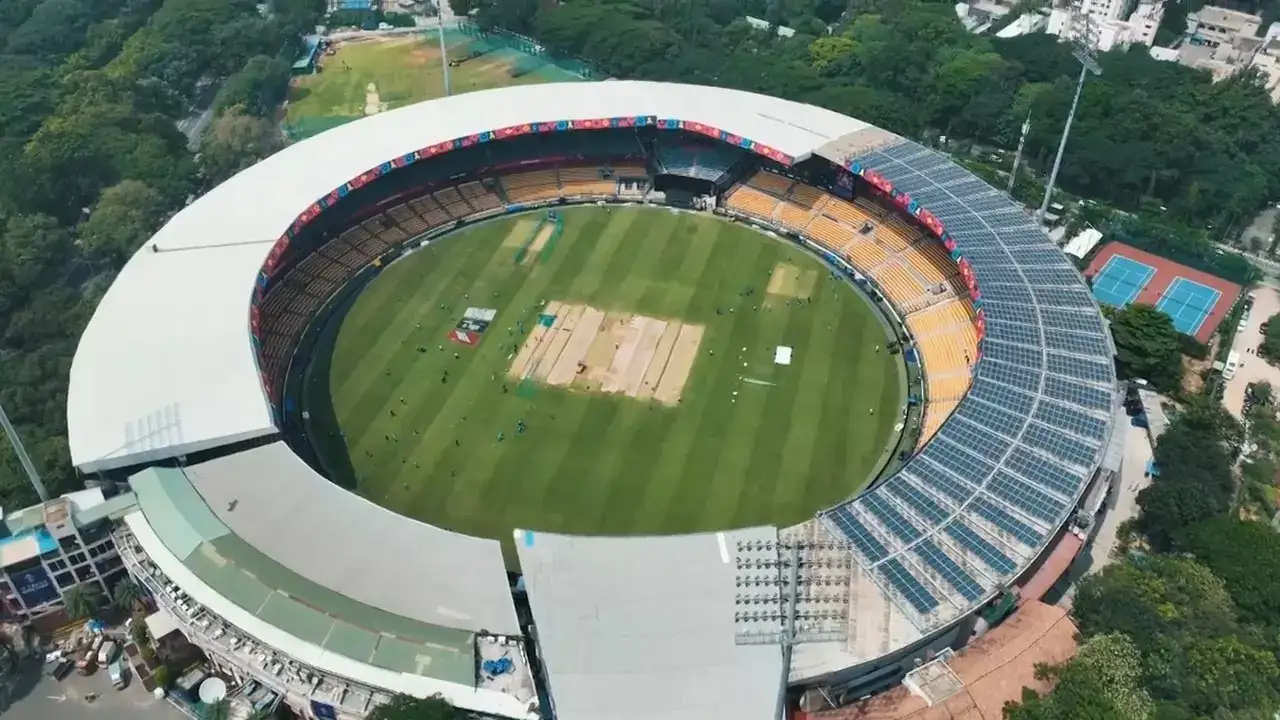
Days before RCB vs SRH IPL 2026 match, M. Chinnaswamy Stadium looks like a ‘construction side’
IPL 2026 second-half schedule announcement date revealed by BCCI secretary
LHQ vs HYDK Match Prediction, Pitch & Weather Report, Playing XIs, Head-to-Head, Free Live Streaming – PSL 2026 Match 1