World Cup 2026 schedule changed suddenly!! Bangladesh level fresh accusations against ICC

Bangladesh Cricket Board Accuses ICC of Unfair Treatment
The ongoing standoff between the Bangladesh Cricket Board (BCB) and the International Cricket Council (ICC) has taken a new turn with fresh allegations being leveled against the ICC. This comes in the wake of the ejection of Mustafizur Rahman from the Indian Premier League 2026 (IPL 2026), which led to BCB’s decision to boycott the ICC T20 World Cup 2026 in India.
BCB Refuses to Travel to India for T20 World Cup
The Bangladesh Cricket Board, supported by the Government of Bangladesh, expressed concerns over the safety of their players in India, leading to their refusal to participate in the ICC T20 World Cup scheduled to begin on February 7. Despite their stance, the ICC replaced Bangladesh with Scotland in the elite tournament.
U-19 Team Joins the Fray
Following Bangladesh’s early exit from the Under-19 World Cup 2026, the U-19 team also raised issues regarding the scheduling and treatment by the ICC. Habibul Bashar, the game development coordinator, accused the ICC of subjecting them to a hectic schedule that adversely affected their performance on the field.
Scheduling Woes for Bangladesh U-19 Team
Bashar highlighted that the council made sudden changes to the schedule without prior notice, forcing the team to adapt and travel extensively. Despite requests to rearrange practice games to minimize travel, their pleas fell on deaf ears. The team was initially scheduled to play in Masvingo and Bulawayo, cities four hours apart, for their group-stage matches, but the schedule was abruptly altered.
“The schedule was very unfair to us. We were supposed to play two warm-up matches in Masvingo and then travel to Bulawayo for our opening group-stage matches. However, the sudden change meant we had to play our warm-up games at different venues, resulting in unnecessary travel,” Bashar explained.
Unequal Treatment?
Comparisons were drawn with other teams like India, Australia, and England, who had more favorable schedules during the tournament. While the India U-19 team remained in Bulawayo for all their matches, Australia played in Windhoek, and England had matches scheduled in Harare and Bulawayo, highlighting a discrepancy in treatment.
As the allegations continue to surface, it remains to be seen how the ICC will respond to Bangladesh’s claims of unfair treatment and scheduling issues. The controversy adds another layer to the already strained relationship between BCB and the international cricket governing body.
Impact of the Standoff on Bangladesh Cricket
The ongoing dispute between the Bangladesh Cricket Board and the International Cricket Council has far-reaching consequences beyond just the immediate issues of player safety and scheduling. The decision to boycott the ICC T20 World Cup has not only led to Bangladesh losing their spot in the prestigious tournament but has also raised questions about the country’s standing in international cricket.
By taking a stand against what they perceive as unfair treatment by the ICC, Bangladesh has demonstrated a willingness to prioritize the well-being of their players and uphold their principles. However, this bold move has also put them at odds with the governing body of world cricket, potentially jeopardizing their future participation in international events.
Challenges Faced by Emerging Cricket Nations
The accusations of unequal treatment and scheduling woes faced by the Bangladesh U-19 team shed light on the challenges that emerging cricket nations often encounter when competing on the global stage. Limited resources, lack of infrastructure, and disparities in funding compared to more established cricketing nations can put teams like Bangladesh at a disadvantage.
While the ICC strives to promote inclusivity and growth of cricket worldwide, instances of perceived favoritism or neglect can hinder the development and progress of teams from smaller cricketing nations. It is essential for the governing body to address these concerns and ensure a level playing field for all participating teams to foster a competitive and fair environment in international cricket.
Building Trust and Resolving Conflicts
In the world of sports, trust and communication are vital in maintaining healthy relationships between governing bodies, teams, and players. The current standoff between BCB and the ICC underscores the importance of open dialogue, transparency, and mutual respect in resolving conflicts and addressing grievances.
Moving forward, both parties must engage in constructive discussions to find common ground and work towards a resolution that benefits the overall health and integrity of cricket. By fostering trust, understanding, and collaboration, the BCB and the ICC can rebuild their relationship and ensure that similar disputes are handled more effectively in the future.
The Future of Bangladesh Cricket
Despite the current challenges and tensions, Bangladesh has shown resilience and determination in standing up for their rights and principles. As a rising cricketing nation with a passionate fan base and talented players, Bangladesh has the potential to make a significant impact on the international cricket scene.
By addressing the issues at hand, working towards solutions, and continuing to focus on the development and growth of cricket within the country, Bangladesh can overcome the current setbacks and emerge stronger on the global stage. With the right support, resources, and a unified approach, Bangladesh Cricket can navigate through this turbulent period and position themselves as a formidable force in world cricket.
In conclusion, the ongoing standoff between BCB and the ICC highlights the complexities and challenges faced by emerging cricket nations in navigating the competitive landscape of international cricket. By addressing issues of fairness, communication, and trust, the parties involved can pave the way for a more harmonious and equitable future for cricket worldwide.
Latest News
Mitchell Starc to miss IPL 2026, wife Alyssa Healy drops massive update on injury
Nick Knight rejects PSL to join IPL commentary panel
MS vs ISU Match Prediction, Pitch & Weather Report, Playing XIs, Head-to-Head, Free Live Streaming – PSL 2026 Match 4
“MS Dhoni doesn’t attend team discussions” – Ruturaj Gaikwad makes stunning revelationtaincy Role

Ben Duckett breaks silence on Noosa Clip scandal, calls it ‘Worst’ moment in cricketing career
“IPL players are grossly underpaid”: Ex-CSK star calls out BCCI
Ahmed Shehzad summoned as former Pakistan skipper takes legal action over serious allegations
CSK to feature without their legendary duo MS Dhoni and Suresh Raina for the first time
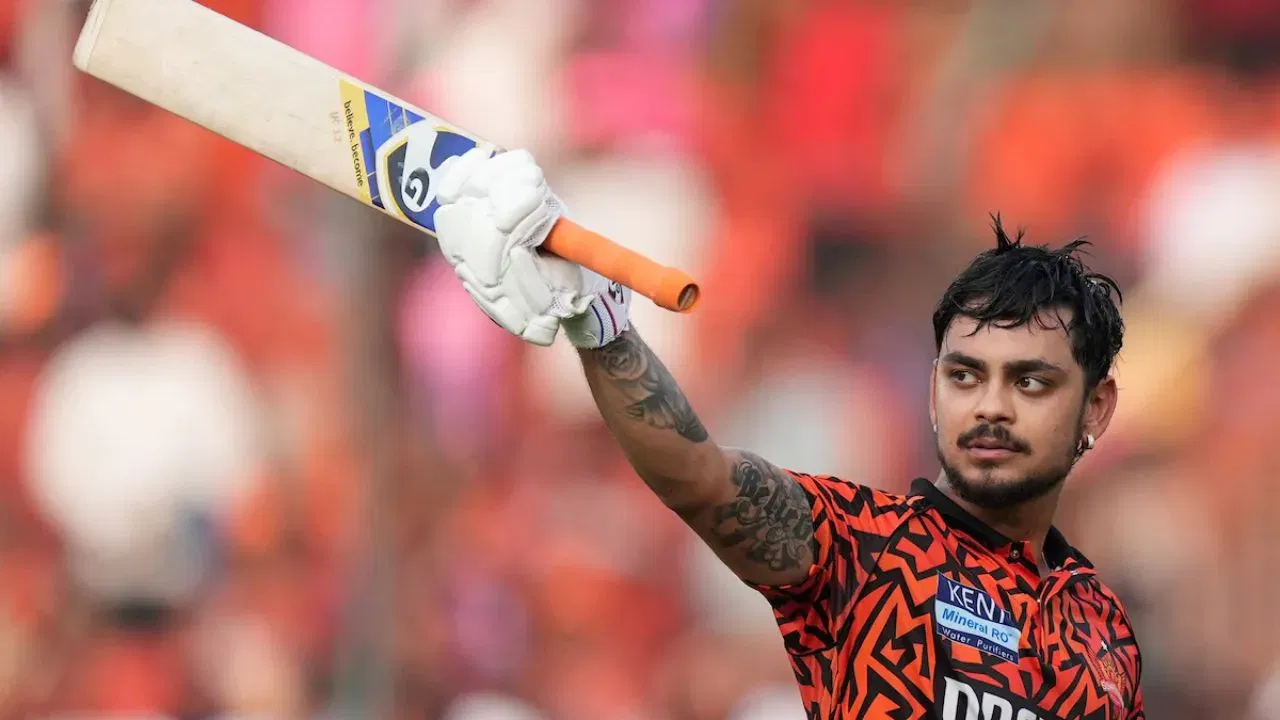
Ishan Kishan set to create history as SRH captain in IPL 2026 opener against RCB

RCB Playing XI vs SRH Playing XI – Match No. 1 | IPL 2026
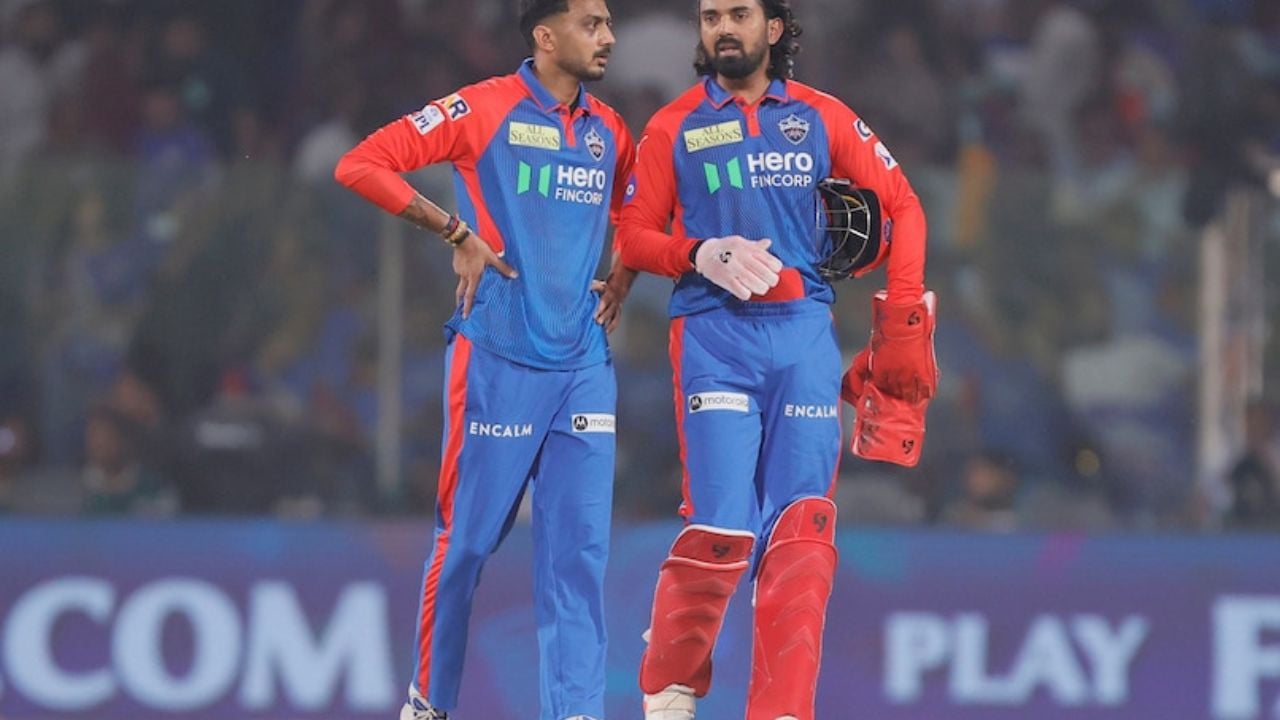
Delhi Capitals IPL 2026 Full Schedule: DC Fixtures, Dates, Timings and Venues | Squad and Coaches
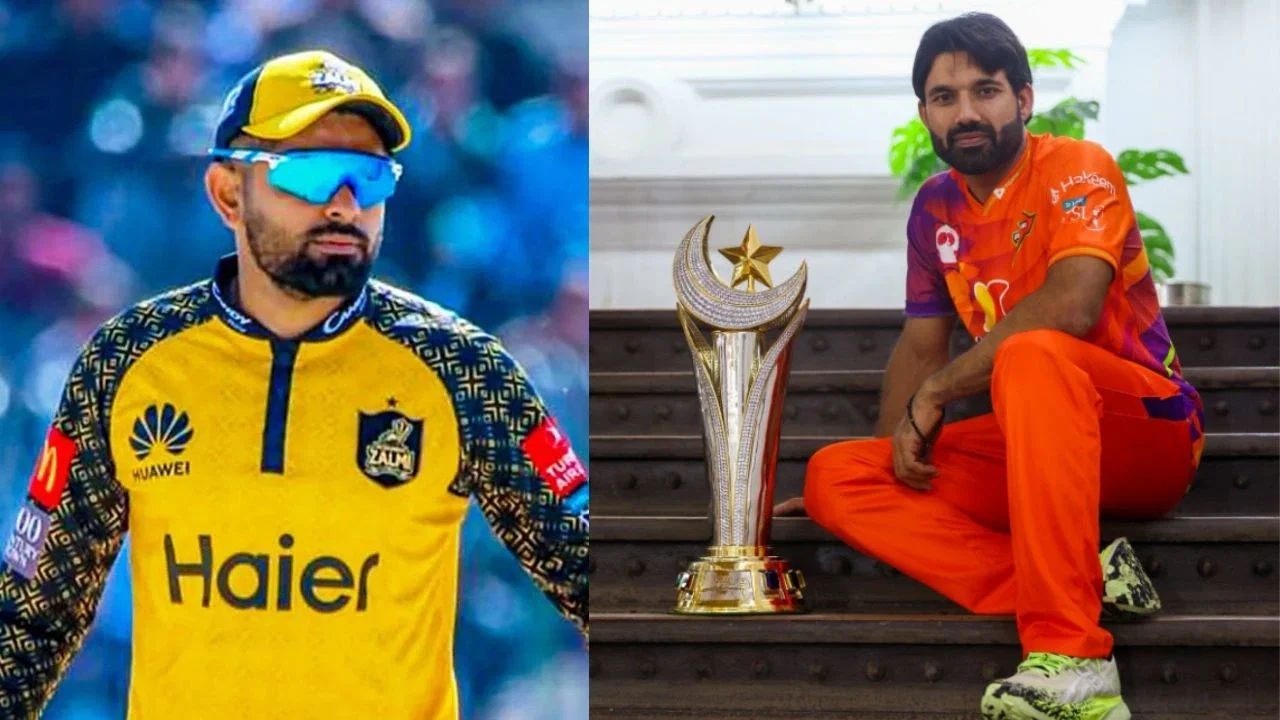
PSZ vs RWP Match Prediction, Pitch & Weather Report, Playing XIs, Head-to-Head, Free Live Streaming – PSL 2026 Match 3
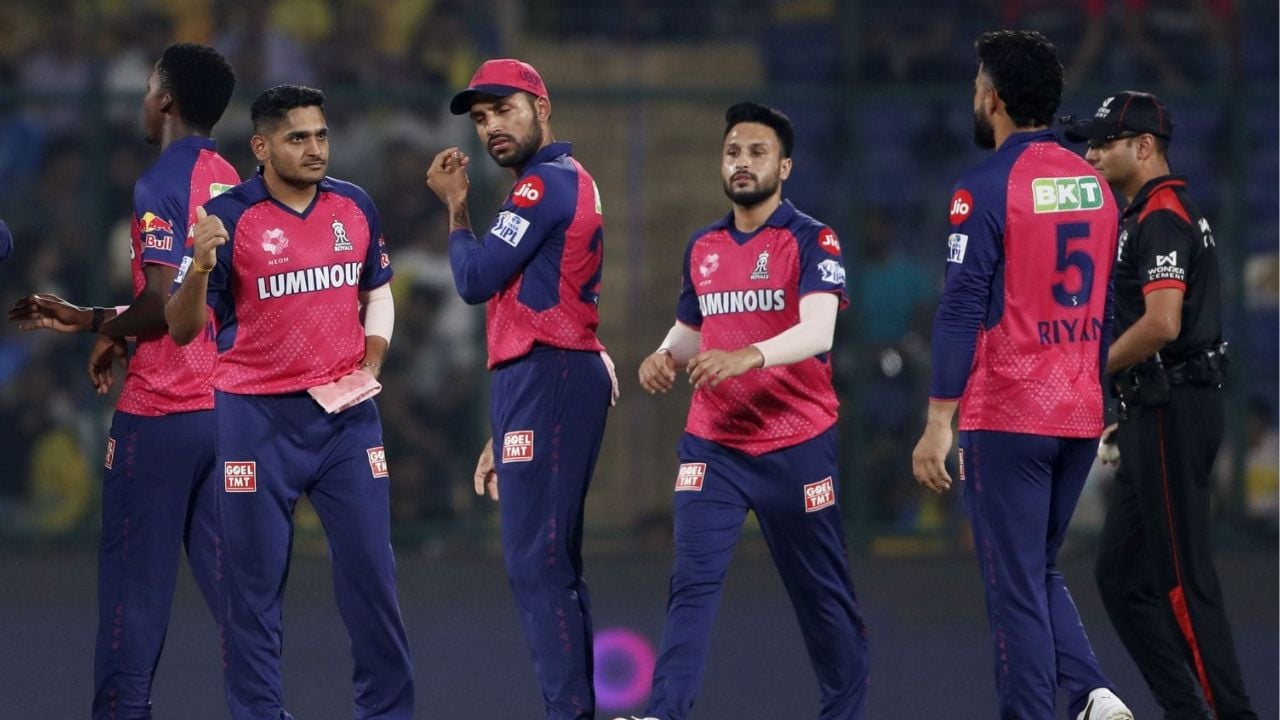
Rajasthan Royals IPL 2026 Full Schedule: RR Fixtures, Dates, Timings and Venues | Squad and Coaches
Mumbai Indians add Akash Madhwal for IPL 2026 amid suspense over Jasprit Bumrah’s availability