WTC pitch ratings analysis: Which countries have the best & worst Test surfaces?
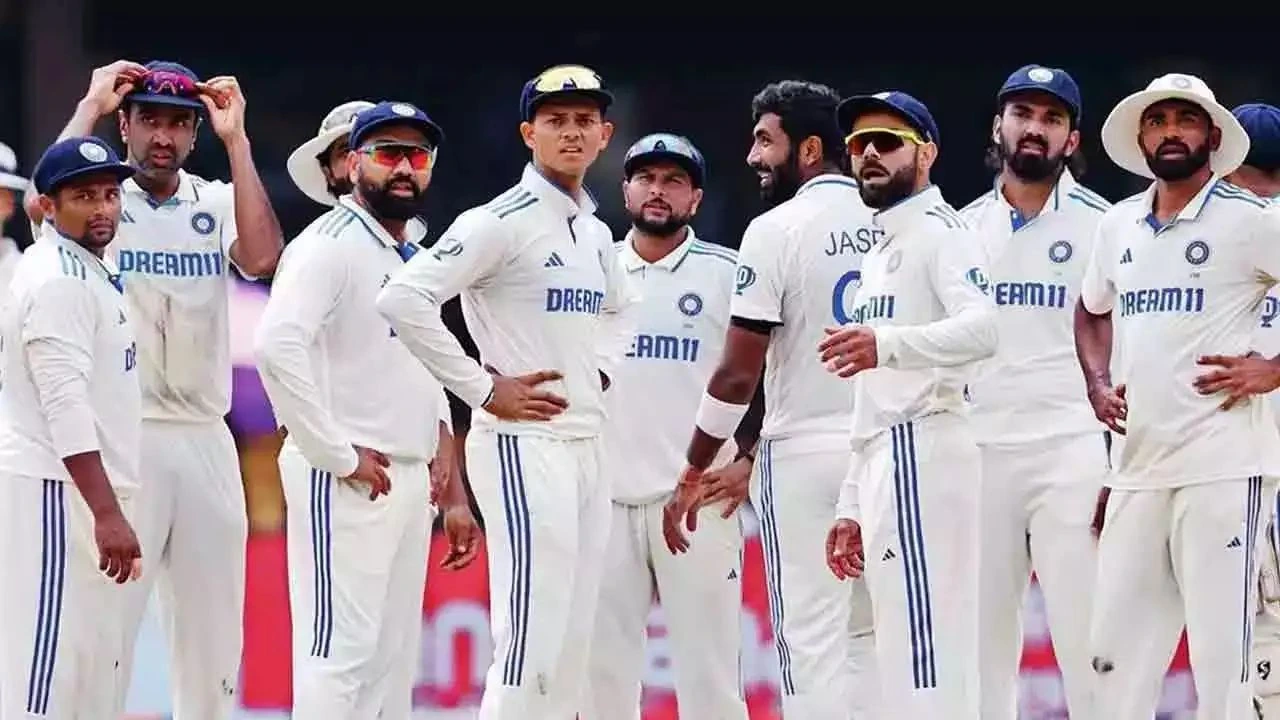
ICC’s World Test Championship (WTC): Pitch Ratings Analysis
The World Test Championship (WTC), introduced by the International Cricket Council (ICC) in 2019, aimed to add more context and competitiveness to Test cricket, the longest format of the game. With the completion of three full cycles and the fourth edition currently underway, the ICC has been closely monitoring pitch and outfield ratings to evaluate the quality of playing conditions in Test matches.
Assessing Pitch Quality
For every international Test match, match referees assess the pitch and outfield quality and provide their feedback to the ICC. Until November 2023, these conditions were graded using six different labels, ranging from Very Good to Unfit. However, the ICC later streamlined the system to four categories to ensure consistency in evaluations.
By the end of 2025, teams had participated in 224 Test matches across four WTC cycles at 58 venues worldwide. New Zealand, Australia, and South Africa clinched the WTC title in the first three editions respectively.
Pitch Ratings Analysis
To facilitate fair comparisons, older pitch rating labels were aligned with the new system. Previously, ratings like “Good” and “Average” were reclassified as “Satisfactory,” while “Below Average” and “Poor” were now considered “Unsatisfactory.”
During the 2025-26 Ashes series, pitch ratings garnered attention, particularly at the Melbourne Cricket Ground (MCG) where the fourth Test ended within two days. With 36 wickets falling and no batter reaching a half-century, the MCG pitch received an “unsatisfactory” rating. In contrast, the Perth pitch earned a “very good” rating despite a quick finish to the match.
Pitch Ratings By Country
World Test Championship pitch ratings have revealed significant differences between countries. New Zealand has consistently received a “very good” rating for 18 out of the 22 WTC Tests hosted. Australia follows with 43.75% of their WTC Tests played on “very good” pitches, while England and India have 36.58% and 32.25% respectively.
On the other hand, Sri Lanka has only managed one “very good” pitch out of 18 home WTC Tests. A total of 10 pitches across the WTC have been rated “unsatisfactory,” with Australia, India, and Pakistan each hosting two such Tests. Notably, no pitch in England or New Zealand has received an “unsatisfactory” rating, and no pitch has been deemed “unfit” in the WTC.
Conclusion
As the WTC progresses, pitch ratings continue to play a crucial role in evaluating the quality of playing conditions in Test cricket. The data highlights the disparities in pitch quality across different countries, shedding light on the efforts needed to maintain consistent and fair playing surfaces in international Test matches.
Stay tuned for more updates on the ICC’s World Test Championship and the evolving landscape of Test cricket!
The Impact of Pitch Quality on Game Outcomes
One interesting aspect to explore is the impact of pitch quality on game outcomes. A pitch rated as “very good” may offer a balanced contest between bat and ball, leading to more competitive matches that last the full five days. On the other hand, pitches rated as “unsatisfactory” may heavily favor either batsmen or bowlers, potentially resulting in lopsided matches that end quickly. Understanding how pitch ratings correlate with game results can provide valuable insights into the dynamics of Test cricket.
Environmental Factors and Pitch Conditions
It’s important to consider the influence of environmental factors on pitch conditions. Pitches in countries with varying climates and terrains may exhibit different characteristics, leading to diverse ratings. Factors such as weather patterns, soil composition, and maintenance practices can all impact the quality of the pitch and ultimately affect gameplay. By analyzing how these environmental factors interact with pitch ratings, a more comprehensive understanding of the challenges faced by groundsmen and teams can be gained.
Striving for Consistency in Pitch Quality
Ensuring consistency in pitch quality across different countries remains a key challenge for the ICC and cricketing bodies worldwide. By setting standards for pitch maintenance and monitoring, governing bodies can work towards creating a level playing field for all teams. Implementing guidelines for ground preparation, regular assessments, and feedback mechanisms can help improve the overall quality of pitches and enhance the spectator experience.
The Evolution of Pitch Preparation Techniques
With advancements in technology and ground maintenance practices, the art of pitch preparation has evolved over the years. Groundsmen now have access to specialized equipment, turf management techniques, and data analytics to optimize pitch conditions. By incorporating scientific principles and best practices, ground staff can create pitches that offer a fair contest between bat and ball while also ensuring player safety. The evolution of pitch preparation techniques underscores the commitment to enhancing the quality of playing surfaces in Test cricket.
Future Trends in Pitch Ratings and Analysis
Looking ahead, the future of pitch ratings and analysis in the World Test Championship is ripe with possibilities. Innovations in data collection, performance tracking, and pitch monitoring technologies can revolutionize how pitch quality is assessed and improved. By embracing data-driven approaches and collaboration between stakeholders, the cricketing community can foster innovation in pitch maintenance practices and elevate the standard of playing conditions in Test cricket. The evolving landscape of pitch ratings promises exciting developments in the years to come.
As the World Test Championship continues to unfold, the scrutiny on pitch quality and ratings will remain a focal point for players, officials, and fans alike. By delving deeper into the nuances of pitch conditions, we can gain a deeper appreciation for the intricacies of Test cricket and the role that playing surfaces play in shaping the outcomes of matches.
Stay tuned for further insights and analysis on the evolving world of Test cricket and the captivating journey of the ICC’s World Test Championship!
Latest News

Mumbai Indians suffer blow! Mitchell Santner, Will Jacks ruled out of IPL 2026 games
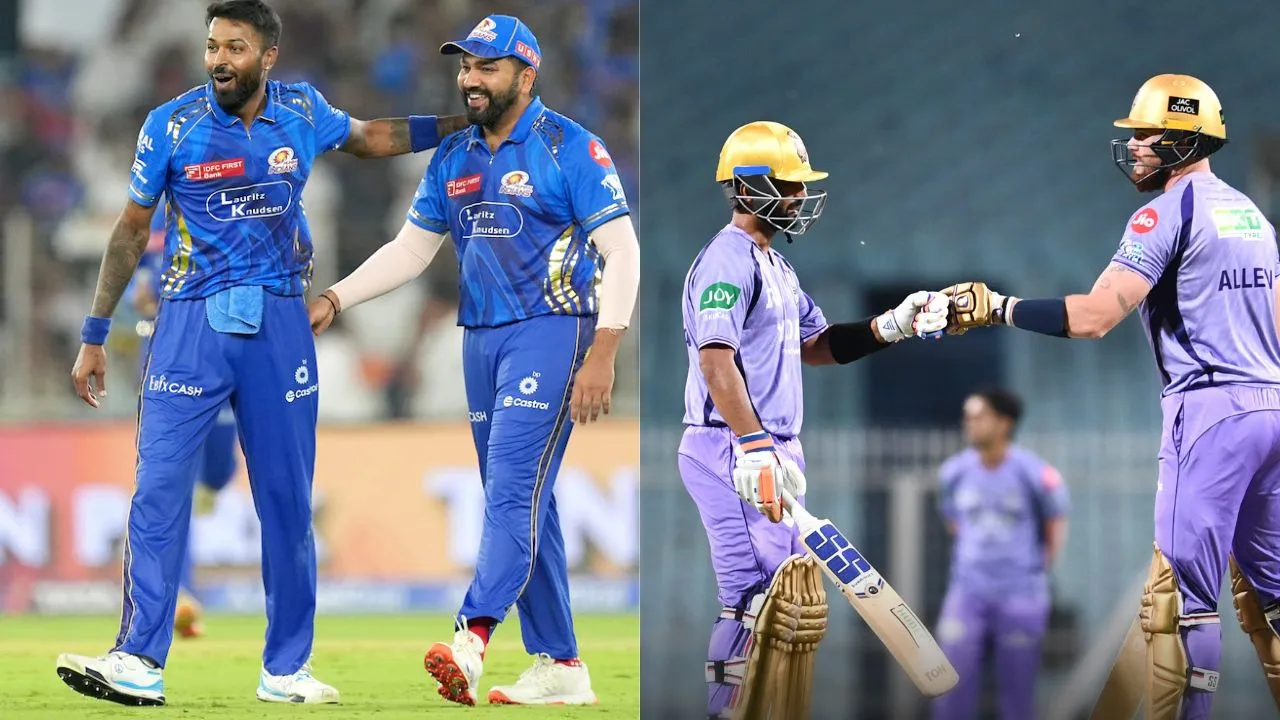
MI vs KKR Match Prediction – Who Will Win Match No.2? | IPL 2026

Mumbai Indians Playing XI vs Kolkata Knight Riders Playing XI- Match No. 2 | IPL 2026

MI vs KKR Match 2 Preview: Free Live Streaming, Pitch & Weather Report, Head-to-Head | IPL 2026

Not English cricket! Jos Buttler credits IPL for his success as a cricketer
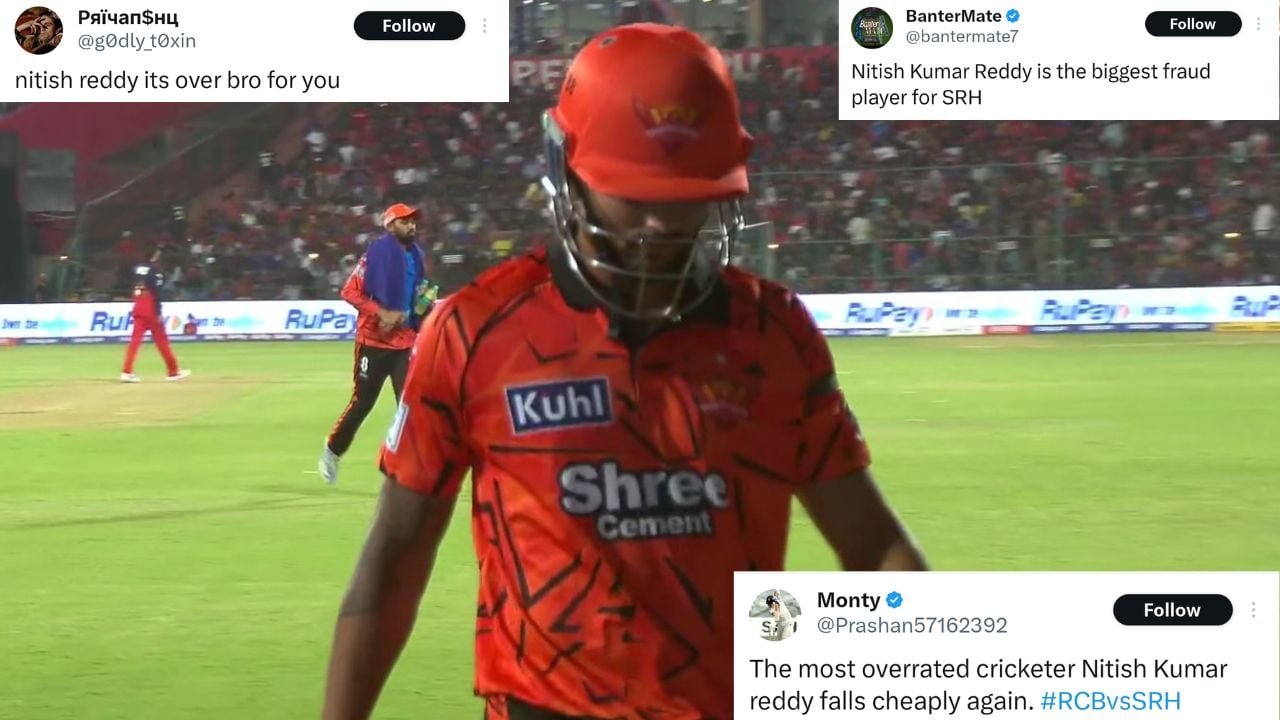
“Nitish Kumar Reddy is biggest fraud”: Fans fume as SRH star fails vs RCB in IPL 2026 opener

Who is Abhinandan Singh? The Virat Kohli troublemaker who made his IPL debut for RCB vs SRH
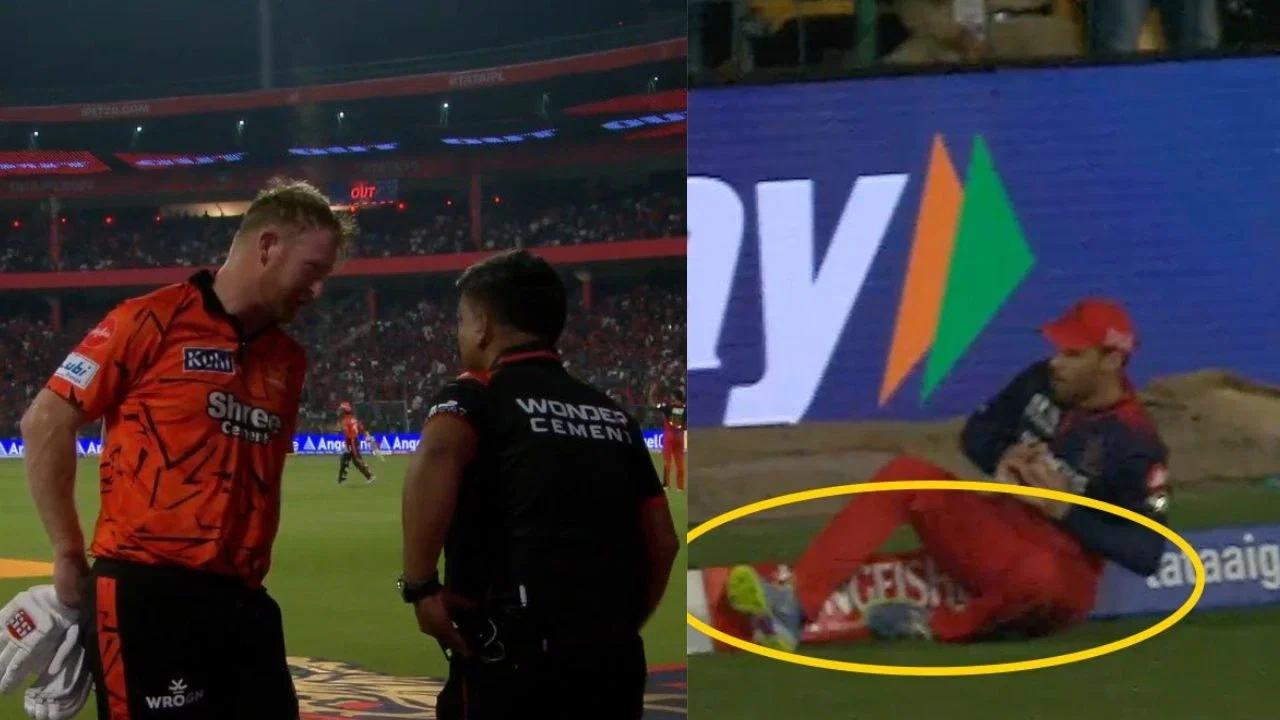
Heinrich Klaasen engages in heated chat with 4th umpire after Phil Salt’s controversial catch in IPL 2026
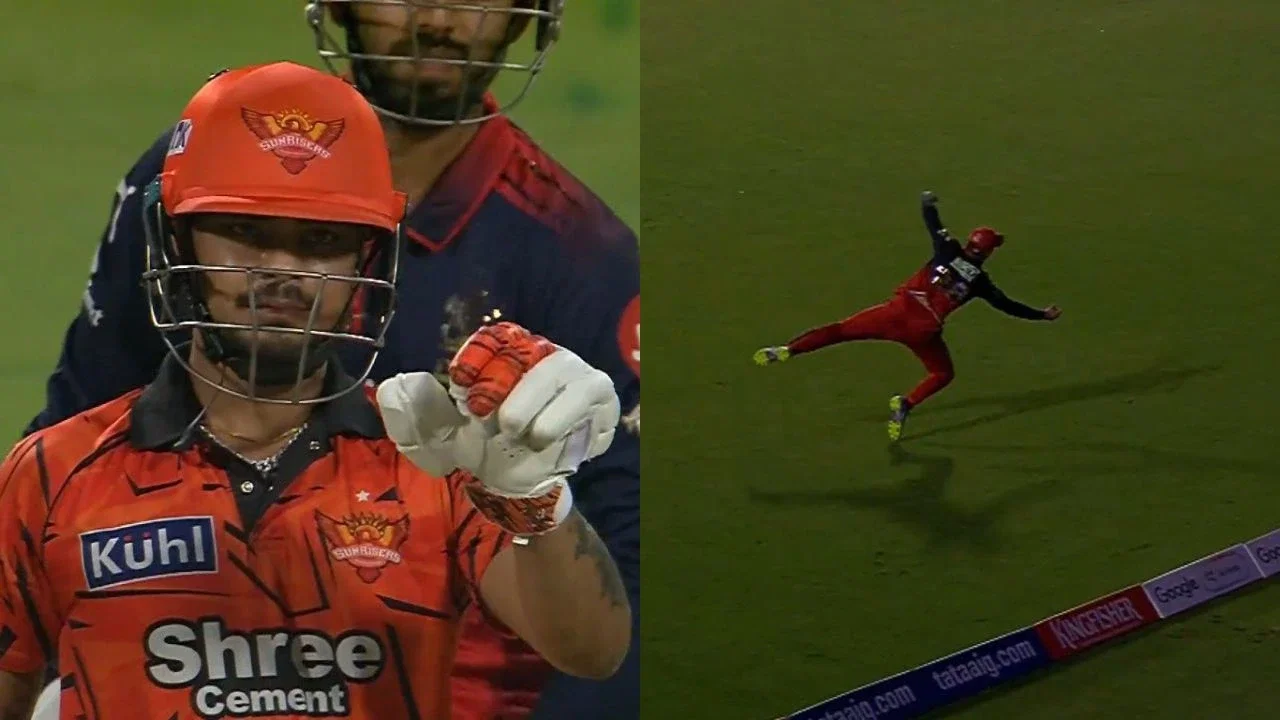
Phil Salt grabs one of the greatest catches in IPL history to dismiss Ishan Kishan

Anushka Sharma laughs as Virat Kohli drops a sitter in RCB vs SRH clash (Watch Video)
Anushka Sharma laughs as Virat Kohli drops a sitter in RCB vs SRH clash (Watch Video)
Anushka Sharma laughs as Virat Kohli drops a sitter in RCB vs SRH clash (Watch Video)
Anushka Sharma laughs as Virat Kohli drops a sitter in RCB vs SRH clash (Watch Video)
Anushka Sharma laughs as Virat Kohli drops a sitter in RCB vs SRH clash (Watch Video)