WTC to be expanded to 12 teams as ICC rejects two-tier proposal in major decision

Expansion of ICC World Test Championship
A recent report from ESPNCricinfo has revealed that the ICC World Test Championship (WTC) will see a significant expansion in the next cycle, with a total of 12 full member nations set to participate. This decision comes after the International Cricket Council (ICC) opted not to introduce a two-tier model for the championship due to lack of support from top officials.
History of ICC World Test Championship
Since its inception, the ICC World Test Championship has featured nine teams competing in three completed cycles. New Zealand, Australia, and South Africa have emerged as champions, while India finished as runners-up in the first two editions.
From the upcoming edition, all 12 Full Members will be part of the ICC World Test Championship, including new entrants Afghanistan, Ireland, and Zimbabwe. This move aims to provide more opportunities for teams to play Test cricket and incentivize their participation in the championship.
Rejection of Two-Tier Model
Initially, there were discussions about implementing a two-tier model for the ICC World Test Championship, with the top teams in tier one and others in tier two. However, this proposal did not receive widespread support, with teams like West Indies, Sri Lanka, and Pakistan opposing the idea. Concerns about the feasibility of a funding model further led to the rejection of the two-tier system.
It was suggested that countries like India, England, and Australia could financially support teams in division two, but these talks did not progress. The decision to maintain a single-tier structure for the championship reflects the ICC’s commitment to promoting Test cricket across all member nations.
Revival of ODI Super League
Another significant development highlighted in the report is the potential return of the ODI Super League, aimed at revitalizing 50-over cricket. The league, which was launched in 2020 but discontinued after the ICC Men’s Cricket World Cup 2023, is expected to make a comeback in 2028.
Administrators believe that the ODI Super League could breathe new life into the format by providing a structured competition for participating teams. The exact number of teams that will take part in the revamped league is yet to be disclosed.
Future of ICC Cricket World Cups
Contrary to speculation, the report confirmed that there will be no increase in the number of teams participating in the ICC Cricket World Cups. The upcoming editions will continue to feature 10 teams, with plans to expand to 14 teams in 2027.
Similarly, the ICC Men’s T20 World Cups will maintain their current format, with 20 teams set to compete in the 2026 edition. The long-term goal of the ICC is to have 32 teams participate in the T20 World Cups, aiming for a more inclusive and competitive global tournament.
On a final note, the ICC has decided not to grant official format status to T10 cricket, emphasizing its focus on traditional formats like Tests, ODIs, and T20s.
As cricket fans eagerly anticipate these changes in the international cricket landscape, the future of the sport looks promising with increased opportunities for teams to showcase their talent on the global stage.
Evolution of ICC World Test Championship
The expansion of the ICC World Test Championship marks a significant shift in the landscape of international Test cricket. With 12 full member nations now participating in the championship, there will be a more inclusive platform for teams to showcase their skills and compete at the highest level. This move highlights the ICC’s commitment to promoting and sustaining the traditional format of the game.
Over the years, the ICC World Test Championship has evolved to become a prestigious tournament that crowns the best Test-playing nation. The inclusion of Afghanistan, Ireland, and Zimbabwe in the upcoming cycle not only enhances the global reach of the championship but also provides these emerging cricketing nations with a valuable opportunity to grow and develop their Test cricket capabilities.
Impact of Rejected Two-Tier Model
While the proposal for a two-tier model was met with resistance and ultimately rejected, the decision to maintain a single-tier structure for the ICC World Test Championship has its own implications. By ensuring that all full member nations compete on the same platform, the ICC aims to foster a sense of equality and competitiveness among teams, encouraging them to strive for excellence and progress in the format.
Although the two-tier model may have offered certain advantages in terms of competitiveness and financial support, the emphasis on a unified championship underscores the ICC’s vision of unity and solidarity within the cricketing community. Moving forward, it will be interesting to observe how the expansion of the championship impacts the performance and dynamics of participating teams.
Revitalization of ODI Super League
The revival of the ODI Super League is a welcome development for fans and players alike, as it provides a structured platform for 50-over cricket. By reintroducing this league, the ICC aims to reignite interest in the format and create a more engaging and competitive environment for ODI cricket.
With the exact details of the revamped ODI Super League yet to be unveiled, there is anticipation surrounding the format, participating teams, and the overall impact it will have on the global ODI landscape. The league’s return in 2028 is poised to inject fresh excitement and energy into the world of 50-over cricket, offering teams a chance to showcase their prowess in this traditional format.
Expansion Plans for ICC Cricket World Cups
While there are no immediate plans to increase the number of teams in the ICC Cricket World Cups, the proposed expansion to 14 teams in 2027 reflects the ICC’s commitment to broadening participation and promoting diversity in the tournament. By gradually expanding the field of teams, the ICC aims to create a more inclusive and competitive World Cup experience for fans and players alike.
Similarly, the roadmap towards having 32 teams participate in the ICC Men’s T20 World Cups demonstrates the ICC’s vision for a truly global and accessible T20 tournament. This expansion initiative aligns with the growing popularity of T20 cricket worldwide and presents a promising future for the format on the international stage.
With these strategic decisions and developments in place, the ICC is poised to shape the future of international cricket, providing exciting opportunities for teams across formats and fostering a vibrant and competitive global cricketing landscape.
Latest News
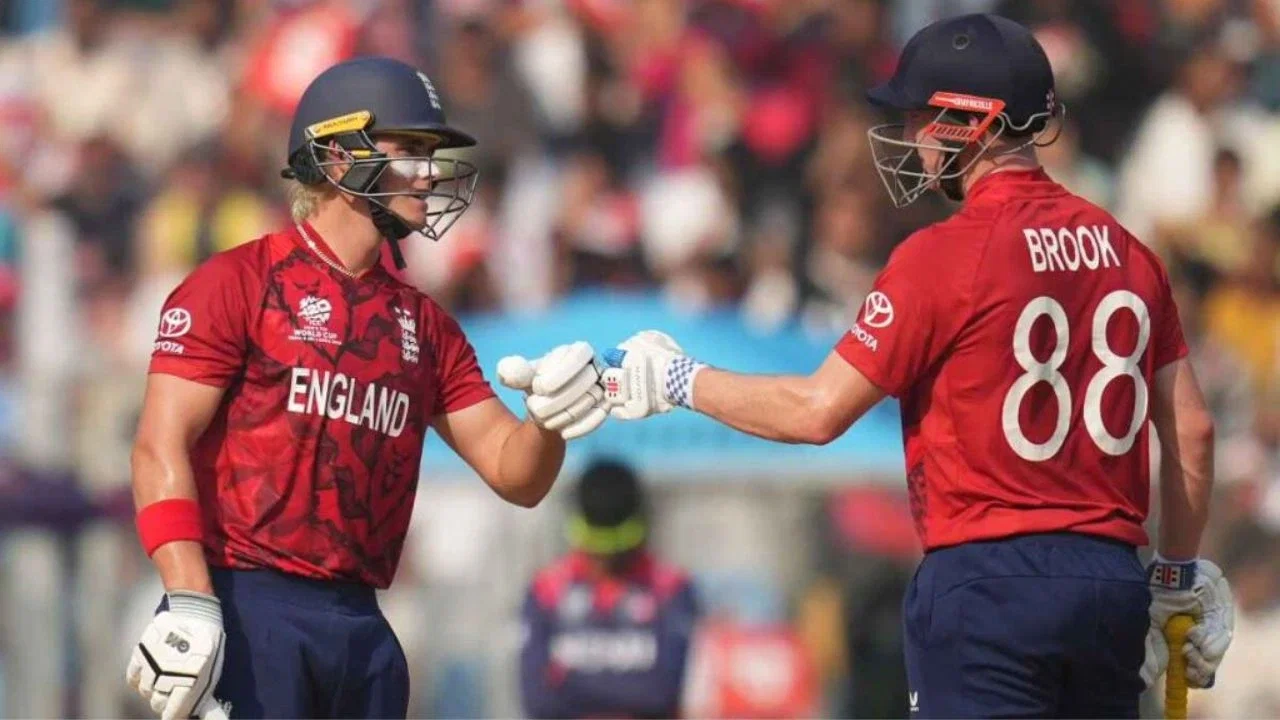
Harry Brook and Jacob Bethell punished after conduct probe by cricket regulator
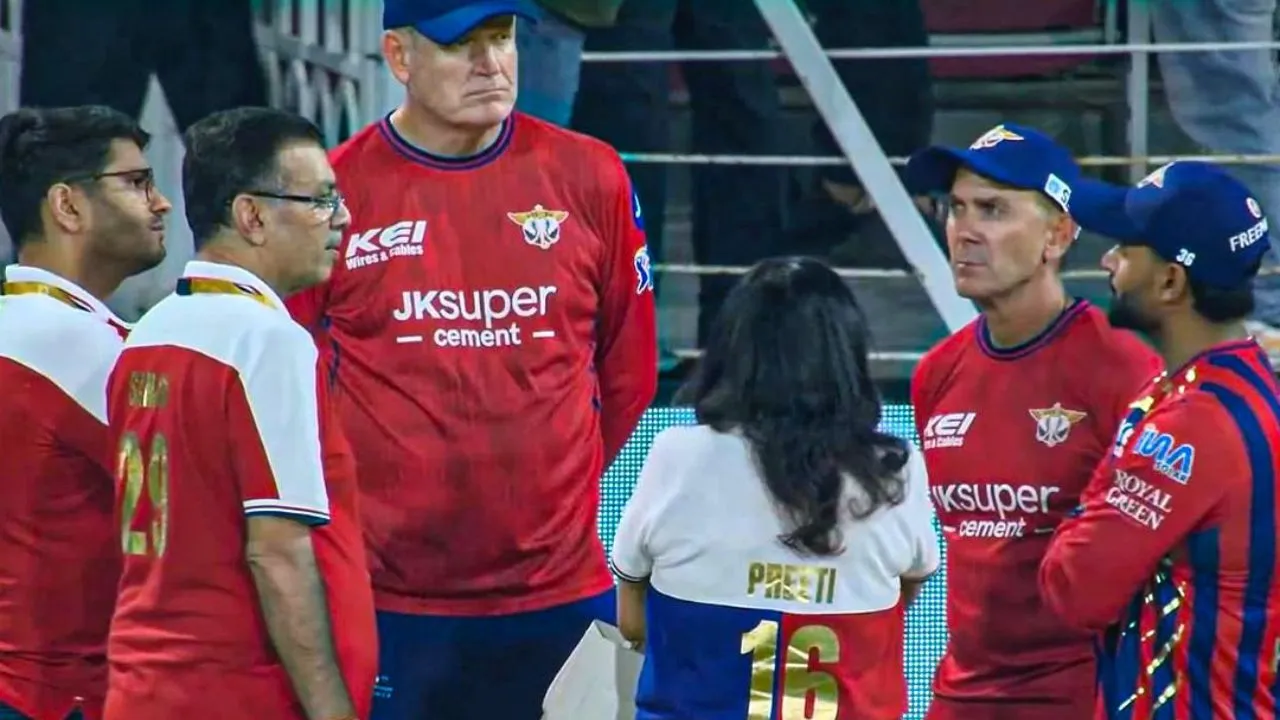
Sanjiv Goenka engages in heated chat with LSG coaches after loss to DC
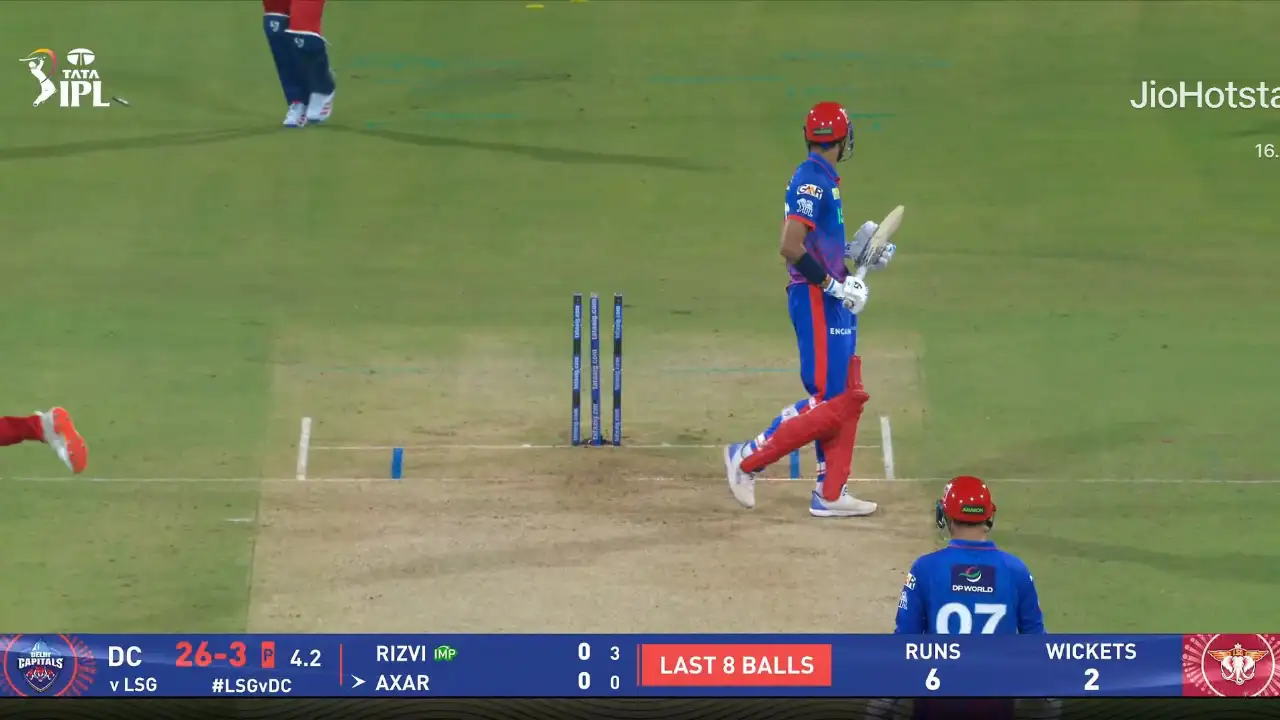
Axar Patel dismissed on ‘Golden Duck’ by Prince Yadav in LSG vs DC IPL 2026 clash
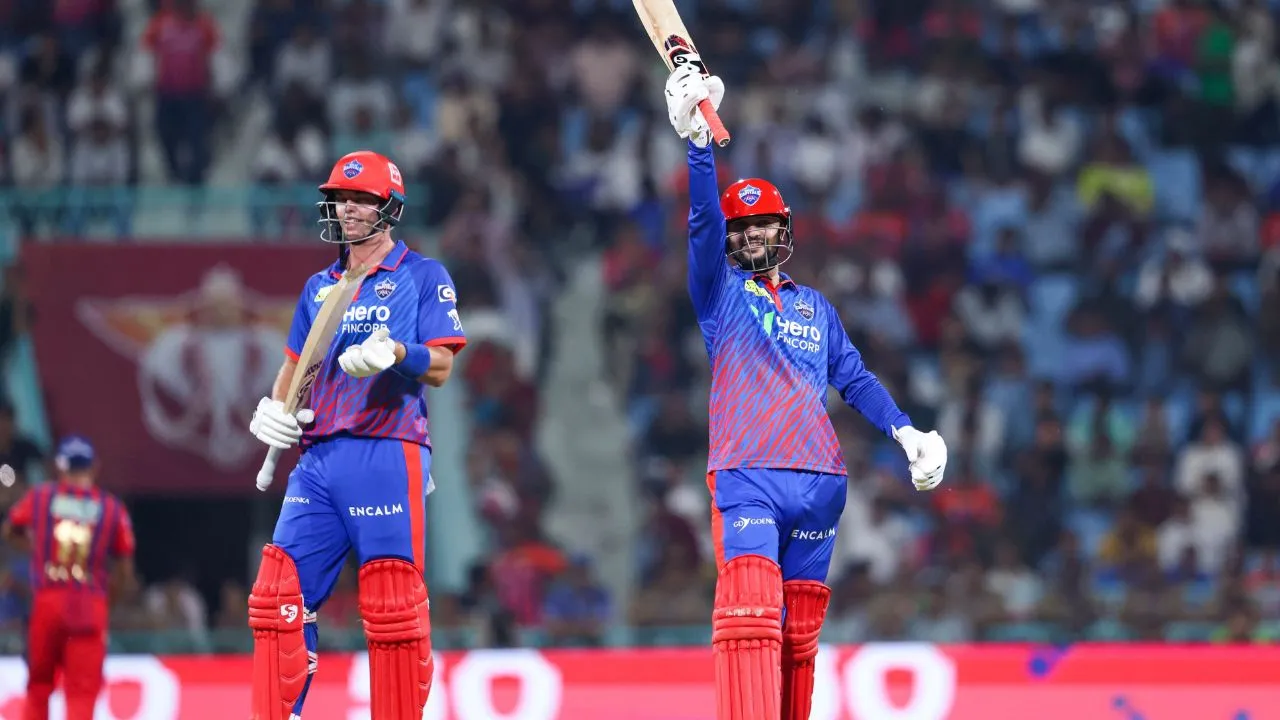
IPL Points Table 2026: Updated Standings, Orange Cap, Purple Cap After LSG vs DC Match 5
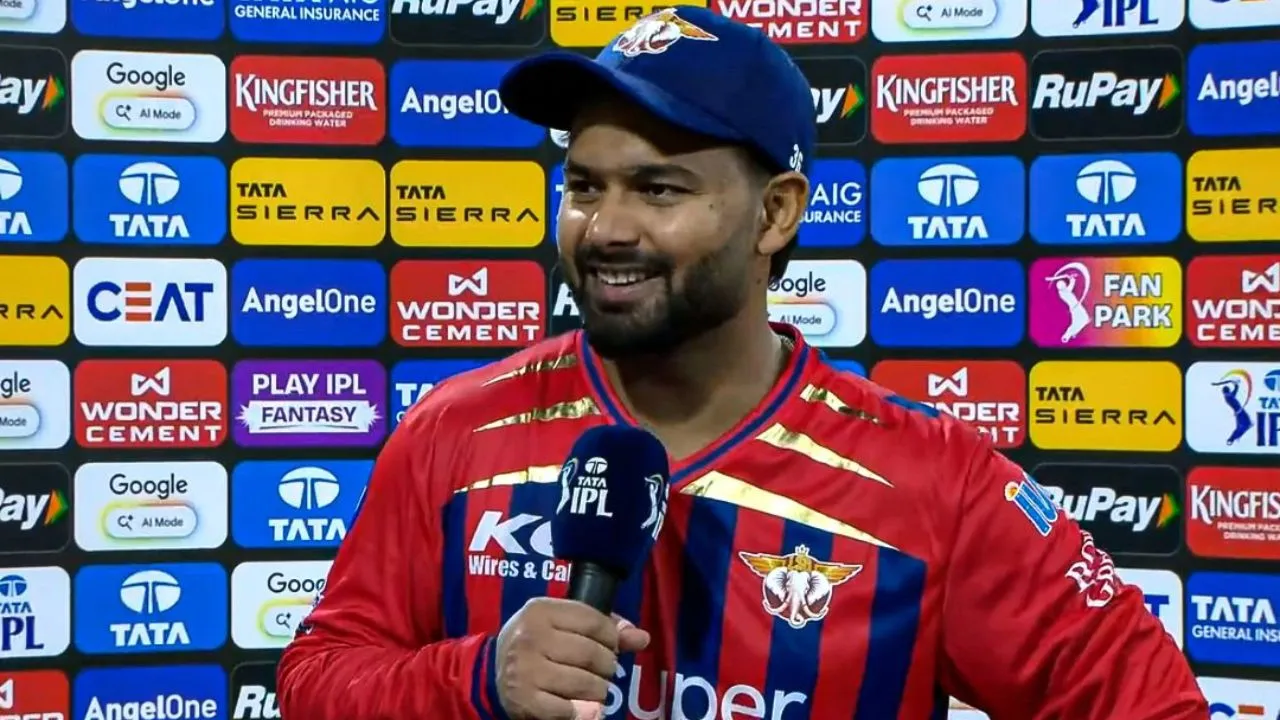
“We didn’t have enough”: Rishabh Pant takes responsibility after LSG’s batting failure in loss to DC in IPL 2026

“Works hard on his game”: Axar Patel lauds Sameer Rizvi after match winning knock vs LSG

KKR vs SRH Match No. 6 Preview: Free Live Streaming, Pitch & Weather Report, Head-to-Head | IPL 2026
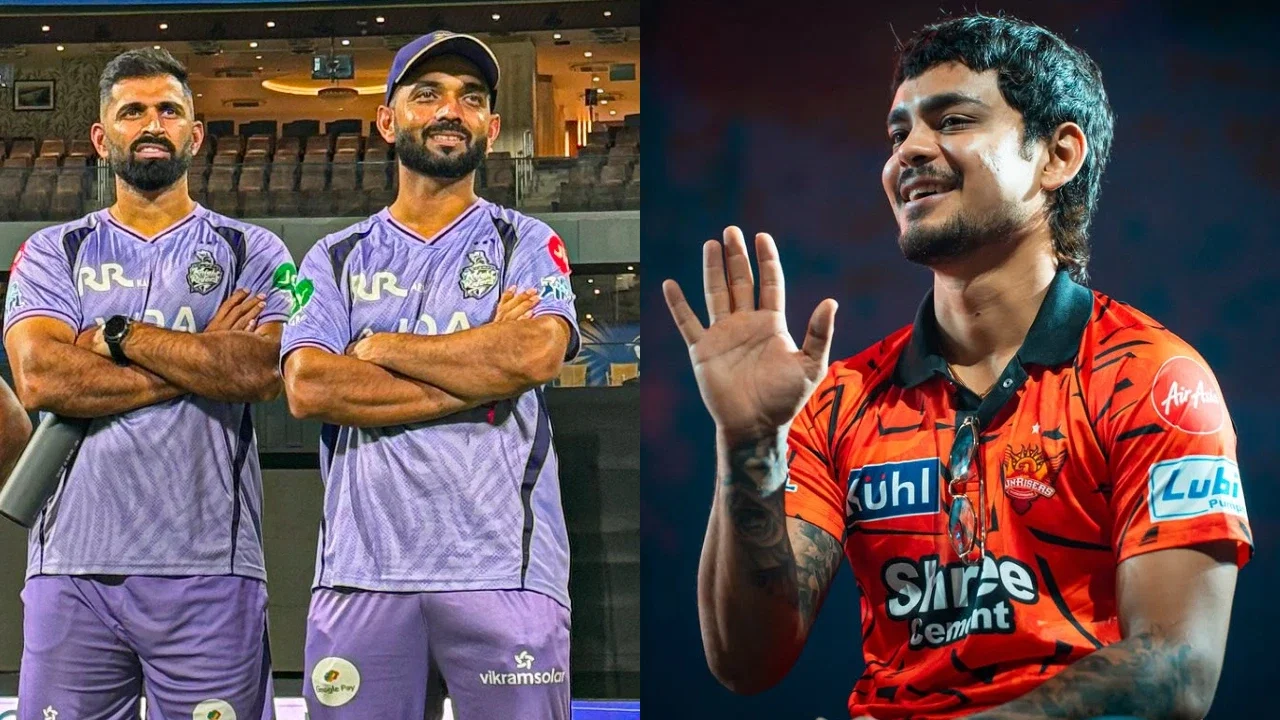
KKR Playing XI vs SRH Playing XI – Match No. 6 | IPL 2026
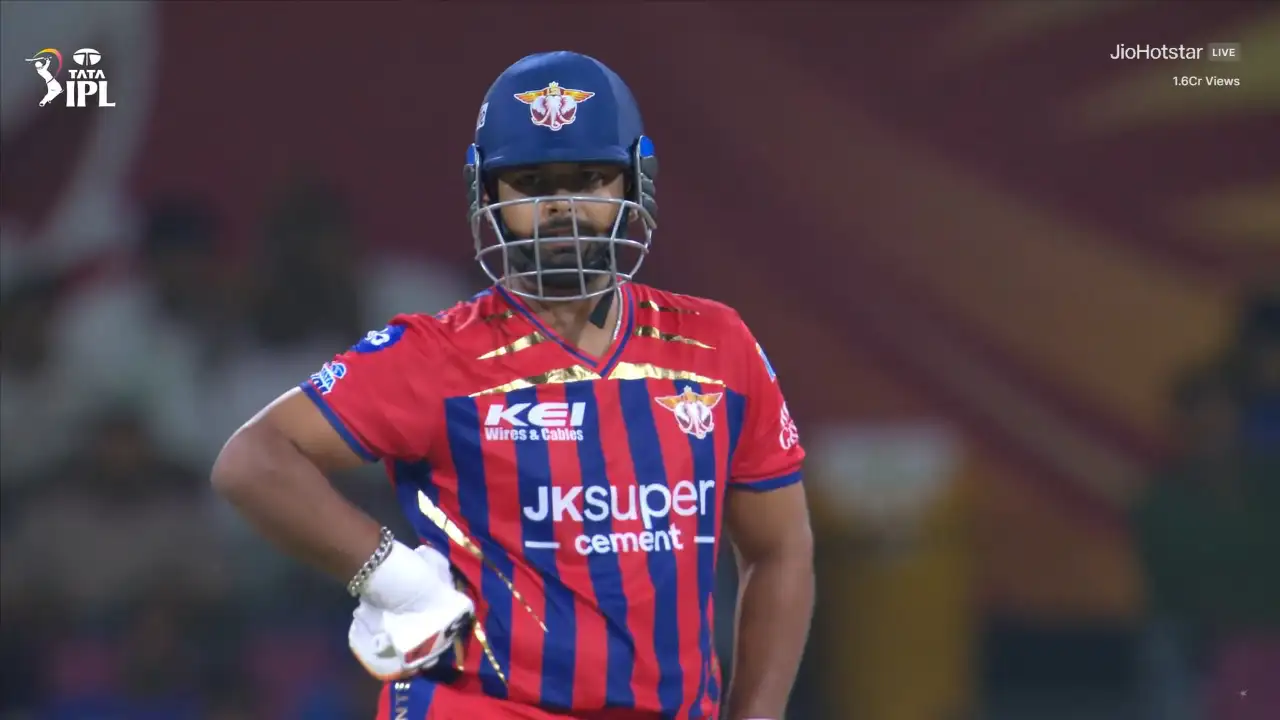
Rishabh Pant’s opening stint cut-short by run-out at non-striker’s end
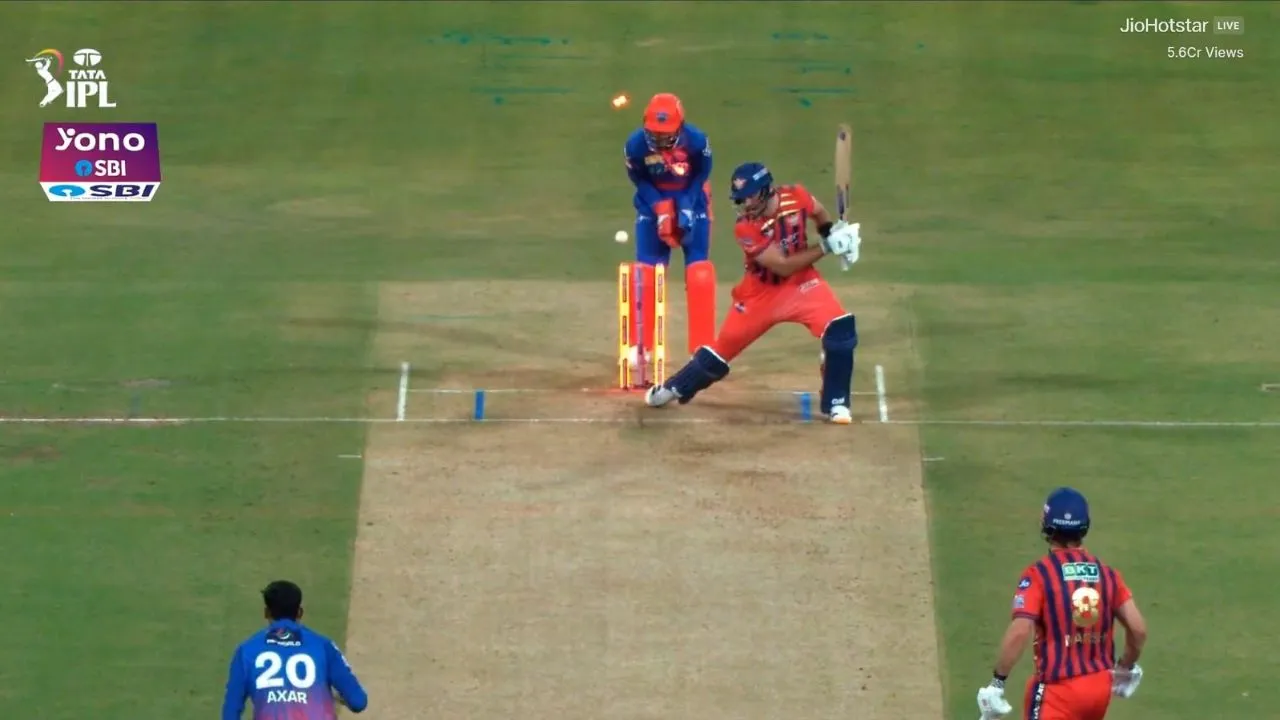
Axar Patel produces a peach to dismiss Aiden Markram in LSG vs DC IPL 2026 clash
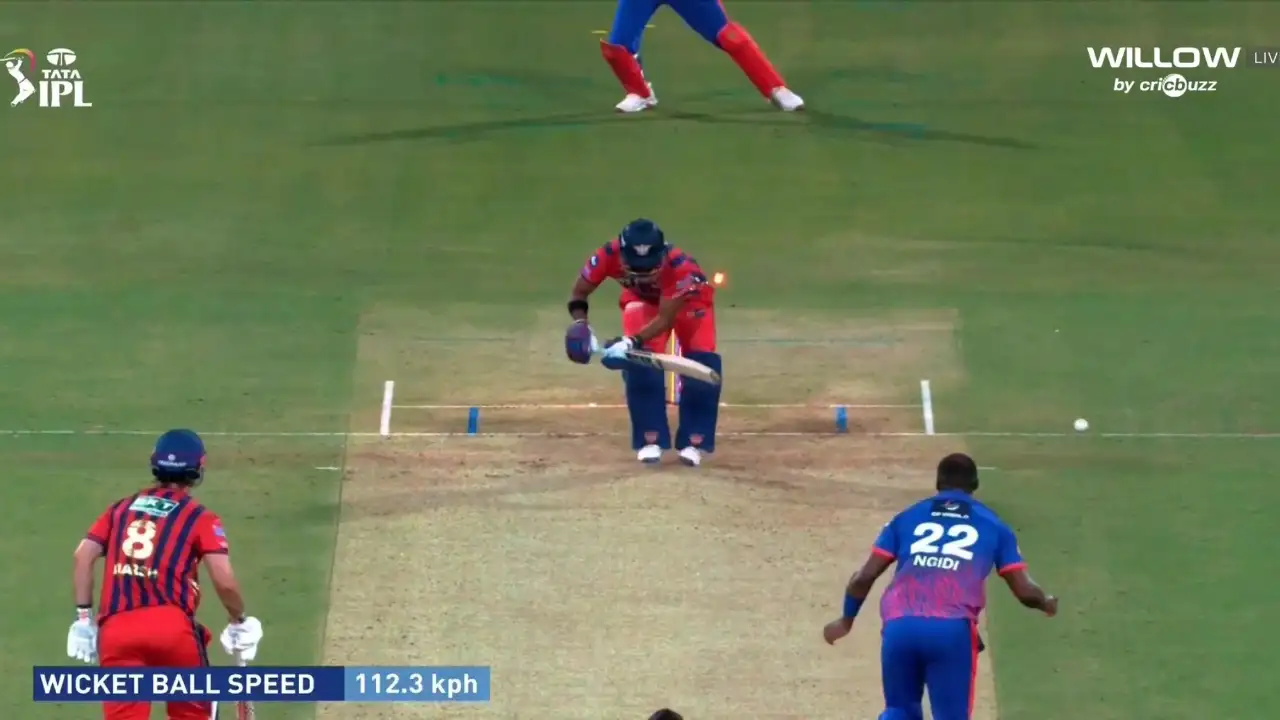
Lungi Ngidi bamboozles Nicholas Pooran with stunning off-cutter in LSG vs DC IPL 2026 clash
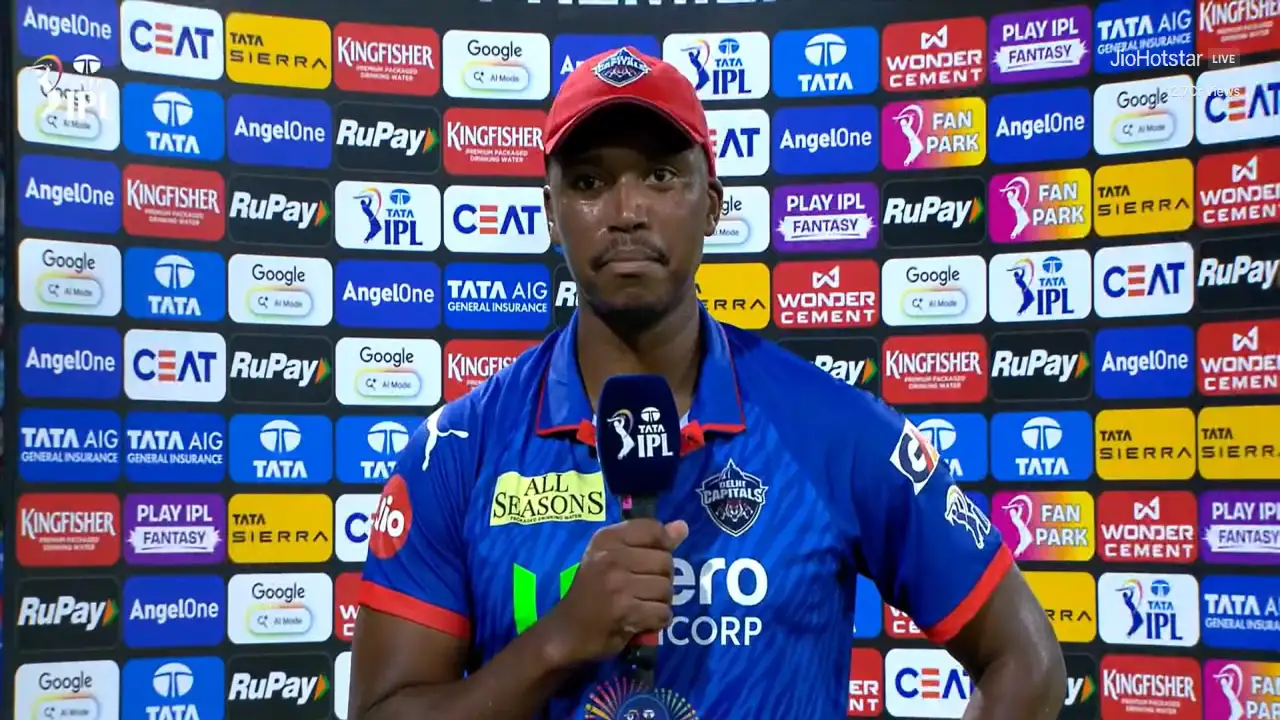
Lungi Ngidi credits KKR mentor after amazing bowling display vs LSG in IPL 2026 clash

Mohammed Shami gets a dream start dismisses KL Rahul for a golden duck in LSG vs DC IPL 2026 clash
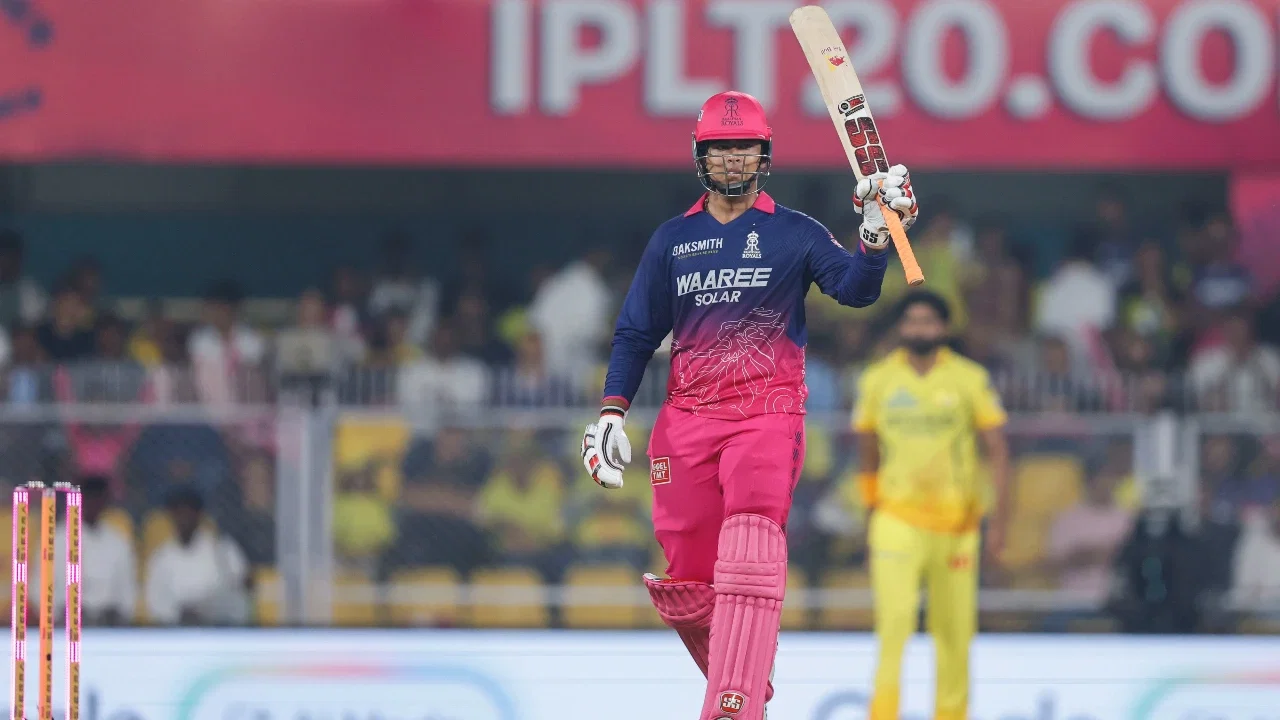
Vaibhav Sooryavanshi to share dressing room with Rohit-Kohli after IPL 2026, predicts ex-Pakistan star