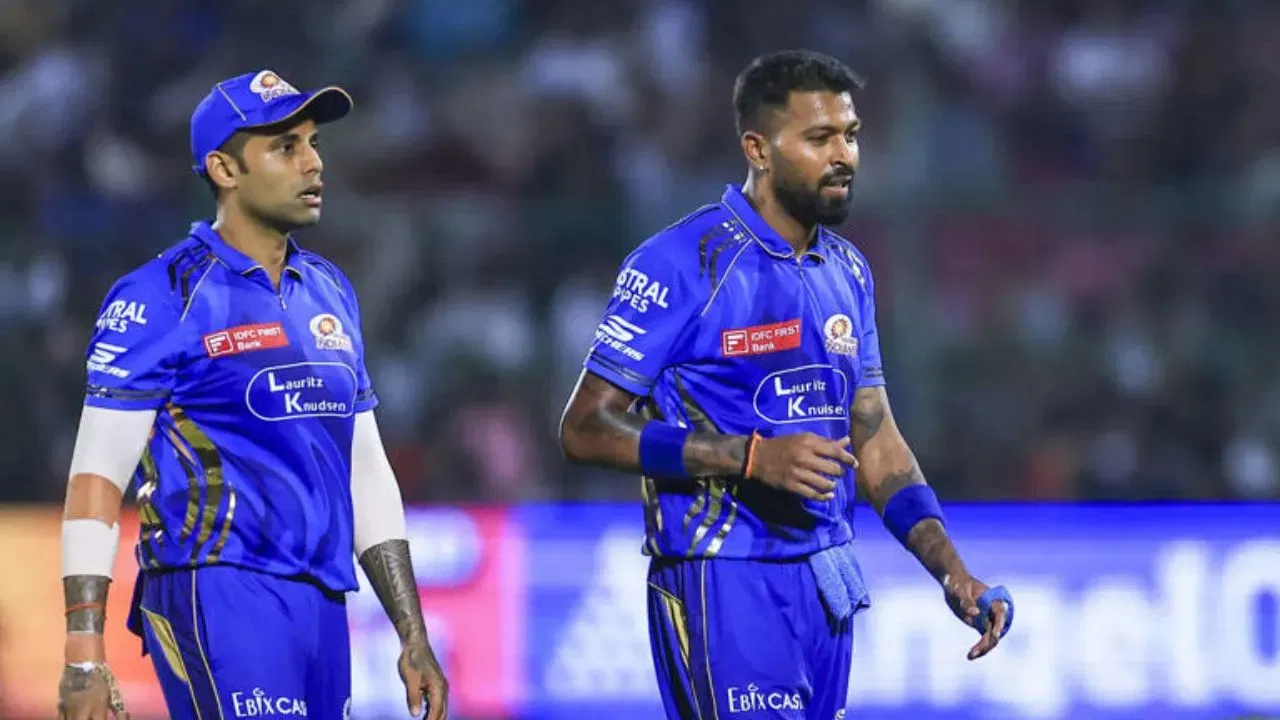
Yograj Singh calls Shreyas Iyer a ‘criminal’, drags his father into controversy with full-blown attack
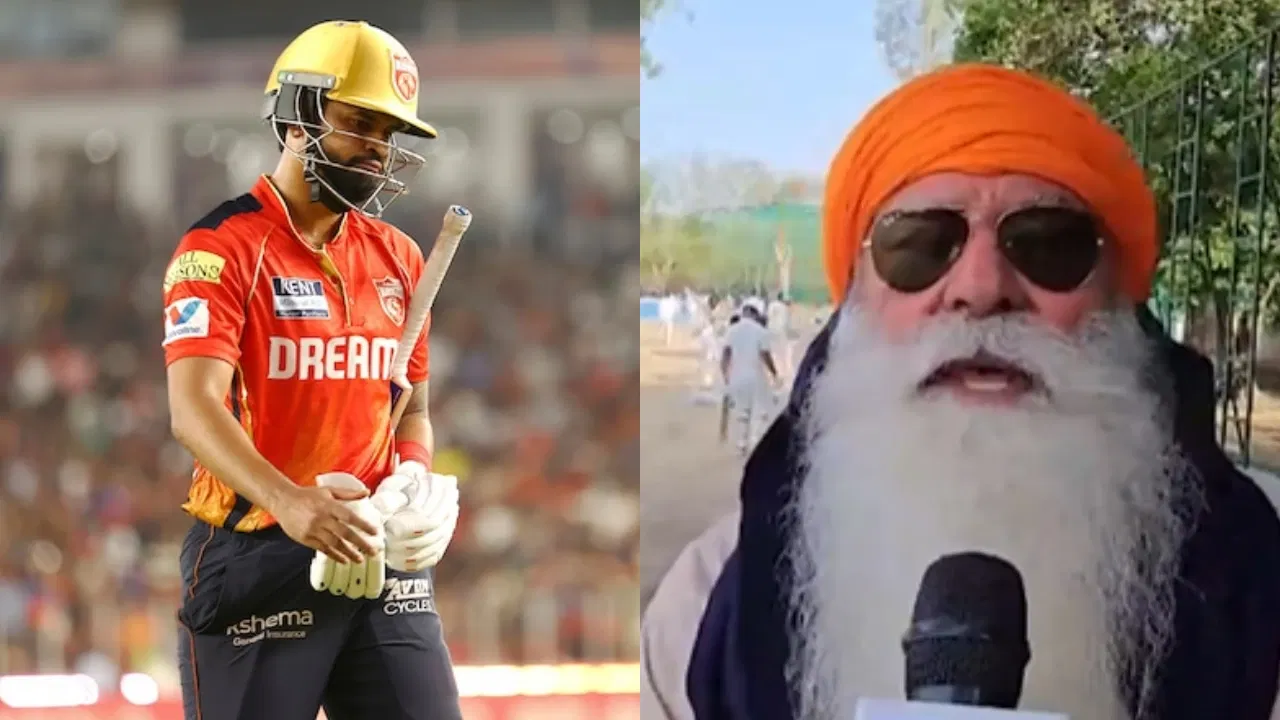
Former Cricketer Yograj Singh Criticizes Shreyas Iyer After Punjab Kings’ IPL 2025 Final Loss
Former Indian cricketer Yograj Singh, well-known for being the father of legendary cricketer Yuvraj Singh, has ignited a controversial debate by referring to Shreyas Iyer as a “criminal” following Punjab Kings’ defeat in the IPL 2025 final on June 3 at the Narendra Modi Stadium in Ahmedabad.
In a candid and outspoken statement, Yograj Singh held Shreyas Iyer responsible for crushing the hopes of Punjab Kings and their fans of securing their first IPL title. He criticized Iyer for making a crucial mistake by attempting a risky big shot during a critical moment in the match against RCB.
Yograj Singh’s Accusations
Yograj Singh was quoted by IANS saying, “There was only one criminal in Punjab’s loss in the IPL final, and he was captain Shreyas Iyer. Someone needs to ask him, after playing such brilliant cricket for Punjab throughout the tournament and knowing that there was no strong finisher left after him, why did he try to hit that six and throw the match away? Is cricket your father’s property?”
During the crucial moment in the match, Shreyas Iyer attempted a risky shot against Romario Shepherd, resulting in his dismissal after edging the ball to the wicketkeeper. Despite a valiant effort from another player (61* off 30 balls), Punjab Kings fell short by seven runs in their pursuit of 191 runs to clinch the IPL 2025 title.
Lessons Learned
Yograj Singh emphasized that overconfidence on Iyer’s part led to the team’s collapse and handed the IPL title to Royal Challengers Bengaluru. He stressed the importance of players understanding that no one is bigger than the game and that such errors occur when a player considers themselves above the sport.
The former cricketer pointed out that only a few exceptional finishers, like MS Dhoni and Yuvraj Singh, possess the ability to turn games around from losing positions, emphasizing that Iyer’s decision-making faltered when it mattered most.
Yograj Singh’s Disappointment
While acknowledging Shreyas Iyer’s contribution to Punjab Kings reaching the final, Yograj Singh expressed disappointment over Iyer’s reckless shot that cost the team the title. Despite finishing the season with impressive stats, Yograj Singh firmly held Iyer accountable for Punjab Kings’ defeat in the final match.
Summing up his sentiments, Yograj Singh concluded, “So, tell me, Shreyas took Punjab to the final, but what did he do in the final? He played a reckless risk at the wrong time and cost his team the title. For me, the only criminal behind Punjab’s defeat in the final is their captain. And honestly, I’m very angry with him.”
Yograj Singh’s criticism has sparked discussions among cricket enthusiasts and analysts, highlighting the importance of responsible decision-making and composure in critical match situations.
Shreyas Iyer’s Response
In the wake of Yograj Singh’s scathing comments, Shreyas Iyer issued a statement addressing the criticism. Iyer acknowledged his error in judgment during the final match but defended his decision as an attempt to seize the momentum and lead his team to victory. He emphasized the fine line between calculated risks and reckless actions in high-pressure situations, expressing regret over the outcome but standing by his intentions to rally Punjab Kings to a championship.
The Pressure of Captaincy
Being a captain in a high-stakes game like the IPL final comes with immense pressure and scrutiny. Shreyas Iyer’s role not only as a player but also as the leader of the team adds another layer of complexity to decision-making on the field. The weight of responsibility to make game-changing decisions while under intense scrutiny can affect even the most seasoned players, requiring a delicate balance of confidence and caution.
The Impact of Criticism on Players
Public criticism, especially from former players and legends of the game like Yograj Singh, can have a significant impact on a player’s mindset and confidence. While feedback and constructive criticism are essential for growth, harsh and unfounded accusations can potentially harm a player’s morale and performance. It is crucial for players to learn from their mistakes, take accountability, and use criticism as motivation to improve rather than allowing it to undermine their self-belief.
Building Resilience in Cricket
Cricket, like any other sport, demands resilience from players to bounce back from setbacks and failures. The ability to learn from defeats, accept criticism, and emerge stronger from challenges is a hallmark of a great player. Shreyas Iyer’s response to criticism and his determination to grow from the experience can serve as a valuable lesson for aspiring cricketers on the importance of mental fortitude and perseverance in the face of adversity.
The Role of Mentors in Player Development
Mentors and coaches play a crucial role in guiding players through their careers, providing support, guidance, and constructive feedback to help them navigate the complexities of professional sports. In the aftermath of a highly publicized defeat, the role of mentors becomes even more critical in helping players process criticism, regain confidence, and focus on their development as athletes and leaders.
Looking Ahead
As the cricketing world reflects on the events of the IPL 2025 final and the ensuing controversy, it serves as a reminder of the unpredictable nature of sports and the valuable lessons that can be gleaned from both victories and defeats. Shreyas Iyer’s journey from criticism to resilience underscores the evolving narrative of a player’s career, showcasing the highs and lows that come with competing at the highest level of the game.
Ultimately, the ability to learn from setbacks, handle criticism with grace, and emerge stronger from challenges defines a player’s character and legacy in the world of cricket. As Shreyas Iyer navigates the aftermath of Punjab Kings’ loss and Yograj Singh’s criticism, his response and future performances will shape his narrative as a player and a leader in the sport.
By exploring the aftermath of Yograj Singh’s criticism, the impact of public scrutiny on players, and the broader lessons for player development and resilience in cricket, this expanded content offers a comprehensive view of the complexities and dynamics at play in professional sports.
Latest News
Pat Cummins in awe of Ishan Kishan’s captaincy
Ex-India star accuses teammates of ‘Racism’, blames it for early international exit
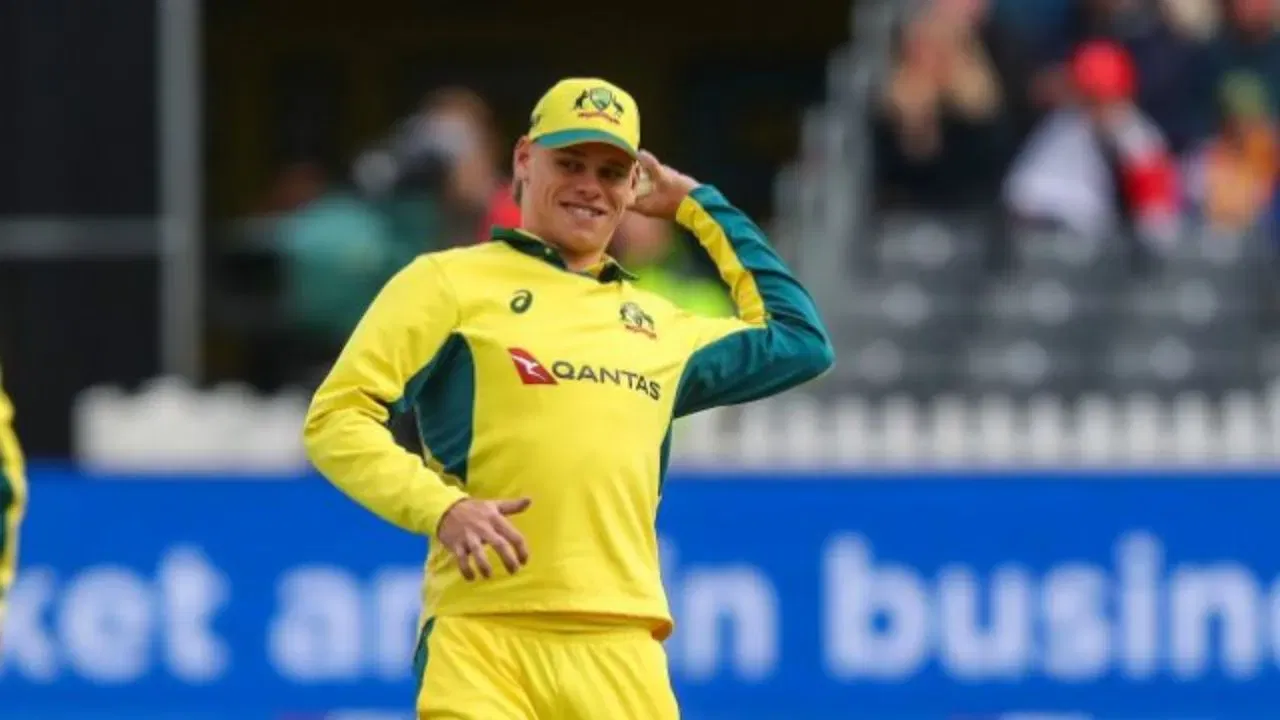
“I love watching Shreyas Iyer bat” – PBKS all-rounder Cooper Connolly ahead of IPL 2026
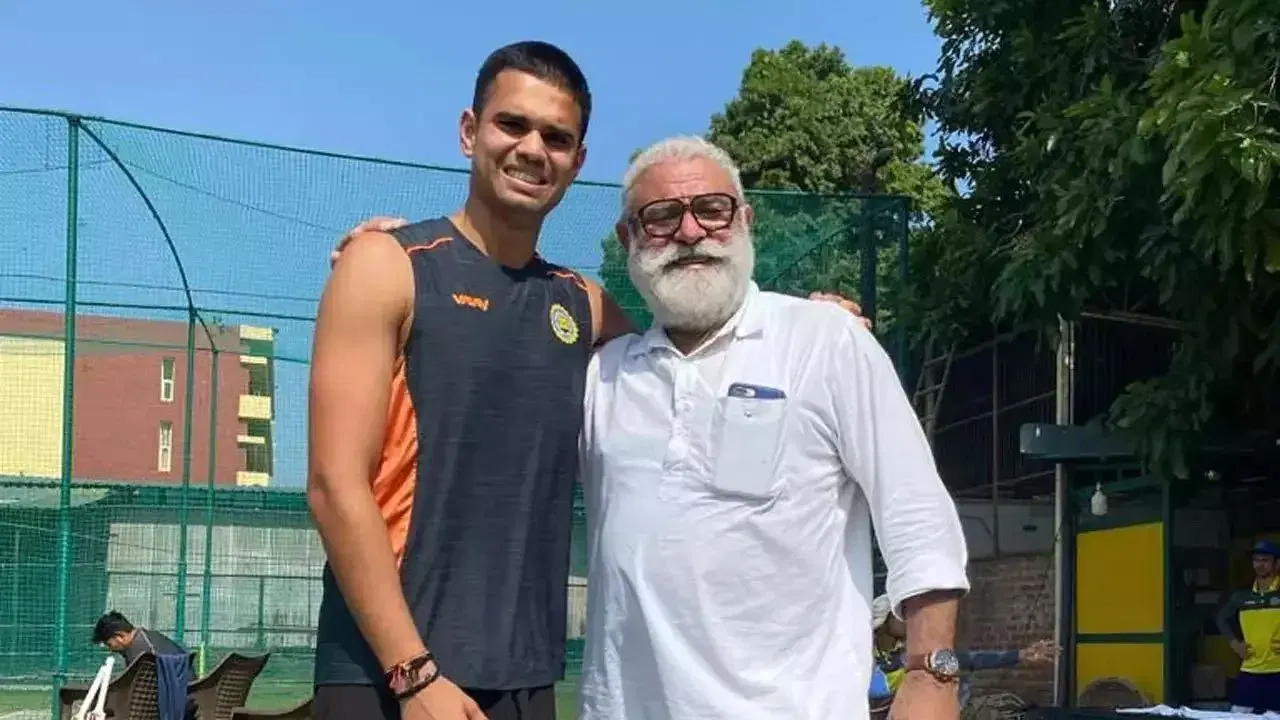
Yograj Singh gives Ravichandran Ashwin belt treatment because of Arjun Tendulkar remarks
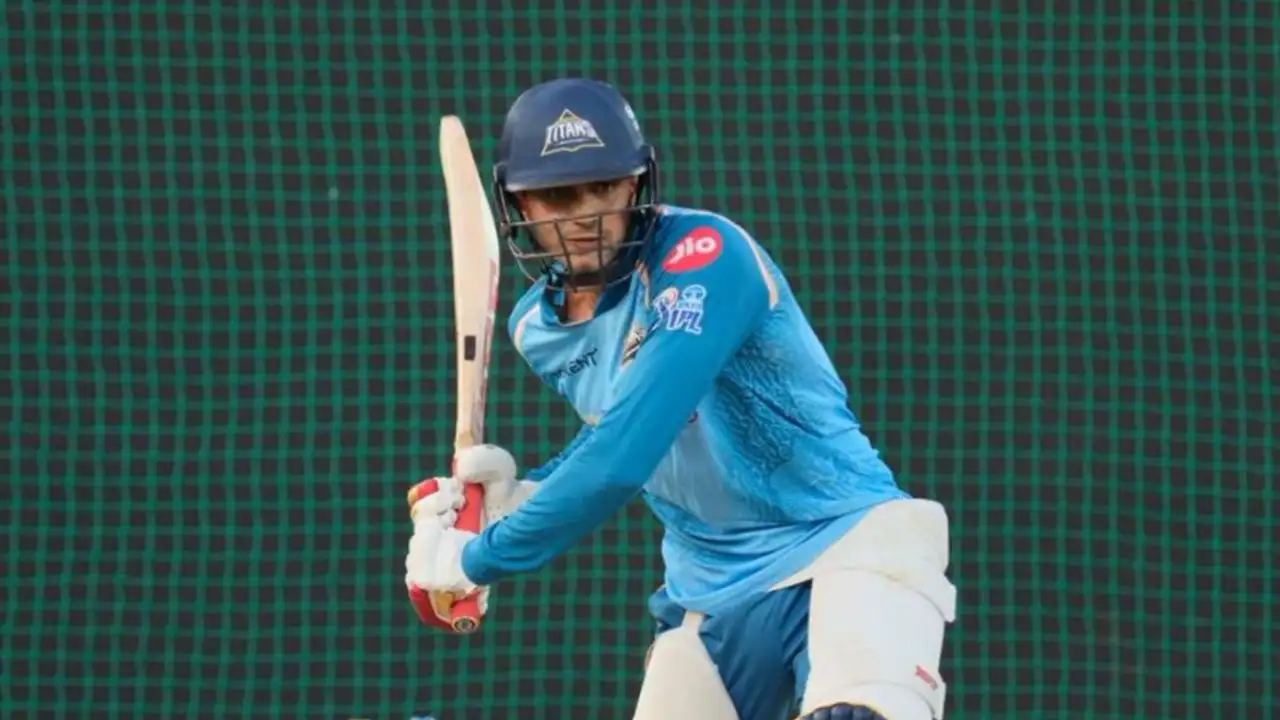
CSK legend advises Shubman Gill the best way to bounce back in T20I team
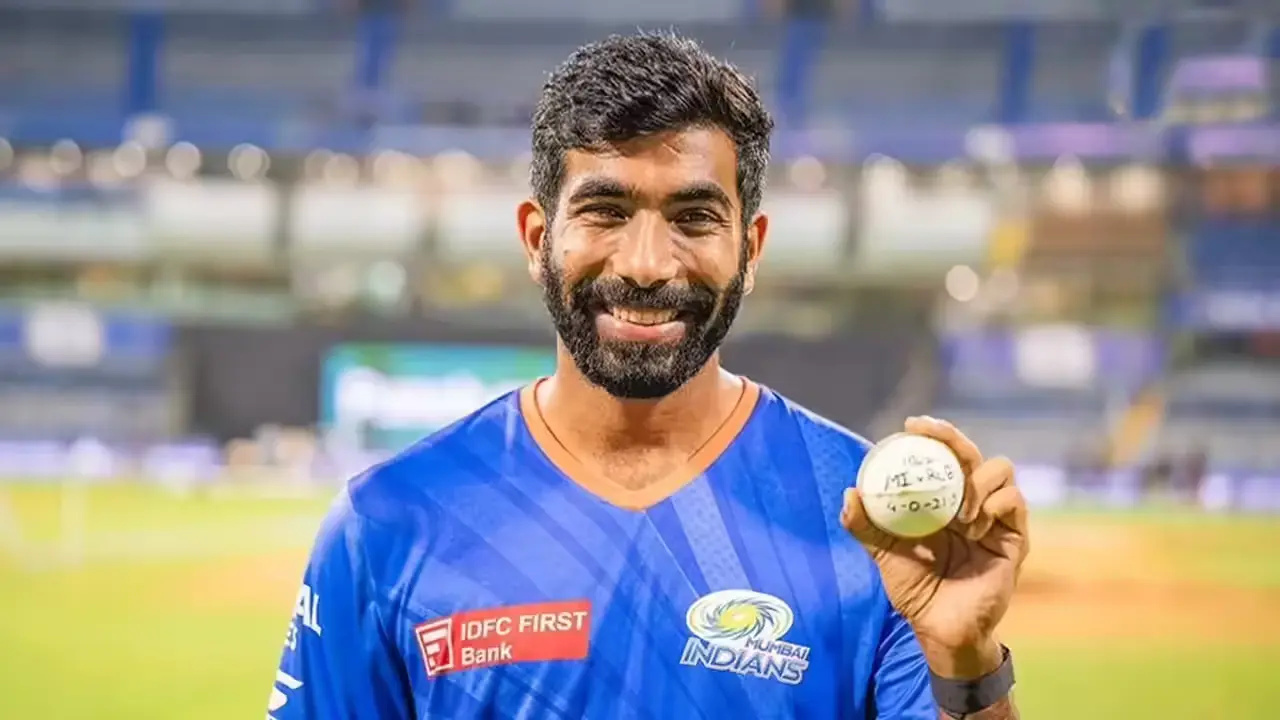
Jasprit Bumrah Injury Scare, reason behind visit to CoE revealed
“Didn’t invite me”: R Ashwin puts Kuldeep Yadav in spotlight over wedding snub
Ireland Cricket announced the full list of central contracts for the 2026-27 season
Gautam Gambhir gets court protection against deep fake allegations

“I’m not coming down” – Jason Gillespie refuses ‘Stupid’ PSL welcome video
Spencer Johnson ditches MS Dhoni’s CSK, set for delayed IPL 2026 arrival

PSL 2026: Full list of players who have withdrawn from the tournament
“He wants Rohit Sharma”: Ex-DC coach drops IPL ‘winning formula’ for MI and Hardik Pandya
“He is a prisoner…”: Ex-KKR cricketer’s massive comment on Rishabh Pant