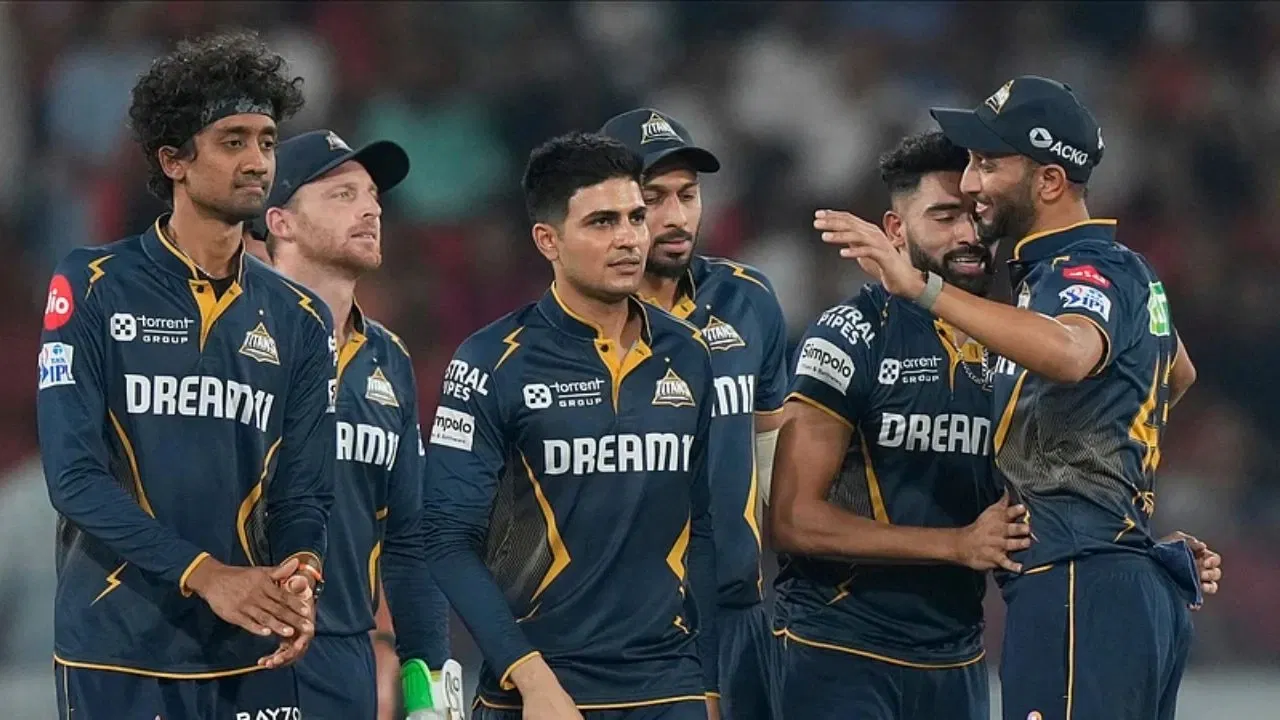
Yograj Singh exposes BCCI selectors’ never-heard-before plan to sack MS Dhoni
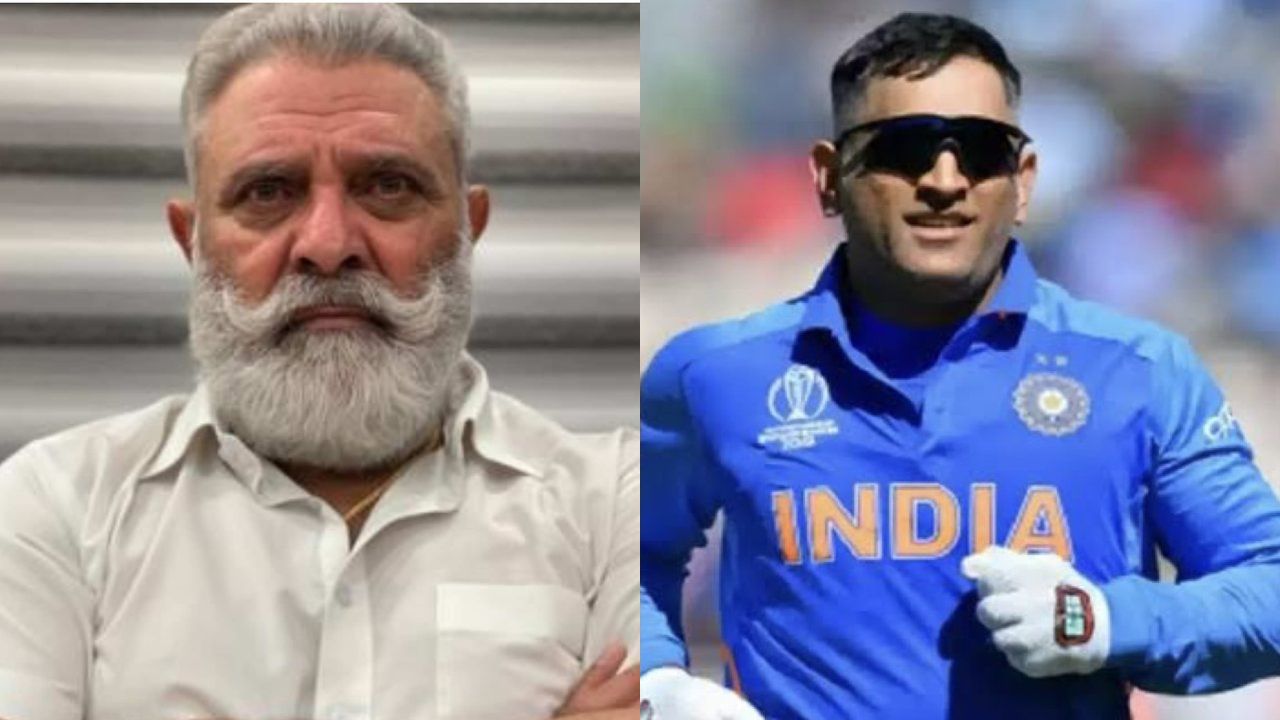
Former India Cricketer Yograj Singh Blames BCCI Selection Committee for Destroying Careers Post 2011 World Cup
Former India cricketer Yograj Singh, known for his bold and controversial statements, is once again making headlines for his recent comments. The father of India legend Yuvraj Singh has accused the BCCI selection committee of ruining the careers of seven cricketers after the 2011 ODI World Cup victory. He also alleged that the committee had plans to remove then-captain MS Dhoni.
The End of an Era Post 2011 World Cup:
The 2011 ODI World Cup win under Dhoni’s leadership was a historic moment for Indian cricket. The victory marked the end of a successful era as several stalwarts like Sachin Tendulkar, Virender Sehwag, Gautam Gambhir, Zaheer Khan, Harbhajan Singh, and others either retired or lost their spots in the national team. Only a few players like Dhoni, Virat Kohli, Suresh Raina, and R Ashwin continued to represent India in the subsequent World Cup in 2015.
Yograj Singh’s Criticism:
In a recent interview with InsideSport, Yograj Singh criticized the former selection committee for their decisions post the 2011 World Cup. He specifically mentioned players like Gambhir, Yuvraj Singh, Zaheer Khan, Mohammed Kaif, VVS Laxman, and Rahul Dravid, accusing the selectors of unfairly discarding them.
“You (BCCI selectors) just destroyed these boys for no reason. Boys like Gautam Gambhir, Yuvraj Singh, Zaheer Khan, Mohammed Kaif, VVS Laxman, Rahul Dravid. You just made them go after 2011. You just destroyed the team after the 2011 World Cup. The careers of 7 players were put into the gutter. That is why were are struggling,” Yograj said.
MS Dhoni’s Captaincy:
Yograj Singh also criticized the treatment of MS Dhoni by the selection committee, revealing that former selector Mohinder Amarnath had intentions to replace him as the captain. After India suffered losses in Test series in England and Australia, there were discussions about replacing Dhoni. However, the then BCCI president N. Srinivasan supported Dhoni, allowing him to continue leading the team for a few more years before passing the captaincy to Virat Kohli.
“We lost 5 series when MS Dhoni was the captain and he was told he would be replaced by Mohinder Amarnath, but that’s not the way to do it,” Yograj said.
In conclusion, Yograj Singh’s recent comments have stirred up discussions about the post-2011 era of Indian cricket and the decisions made by the selection committee. The controversies surrounding player selections and captaincy choices continue to be debated among fans and analysts alike.
Impact of Selection Committee Decisions:
Yograj Singh’s accusations against the BCCI selection committee shed light on the challenges faced by cricketers post the 2011 World Cup. The abrupt end of several players’ careers, including those who had been key contributors to India’s success, raised questions about the criteria and transparency of the selection process. The pressure to rebuild the team with younger talent while phasing out experienced players added complexity to the transition period.
Players like Gautam Gambhir, Yuvraj Singh, and Zaheer Khan, who had been instrumental in India’s triumph in the 2011 World Cup, found themselves sidelined or dropped from the team, leading to a sense of disillusionment among fans and former cricketers. The emotional attachment of millions of supporters to these players further fueled the controversy around the selection committee’s decisions.
Challenges in Team Rebuilding:
The post-2011 era marked a pivotal phase for Indian cricket, with the need to balance experience with youth to ensure a smooth transition. The absence of stalwarts like Sachin Tendulkar and Virender Sehwag left a void in the team, requiring new leaders to emerge and take on greater responsibilities. The pressure on players like Virat Kohli to step up and fill the shoes of the legends became a focal point of discussion within the cricketing community.
The challenges of rebuilding the team post the 2011 World Cup victory highlighted the delicate balance between honoring the contributions of senior players and providing opportunities for young talent to flourish. The role of the selection committee in navigating these complexities and ensuring a seamless transition became a subject of scrutiny and debate.
Legacy of MS Dhoni’s Captaincy:
Yograj Singh’s revelations about the potential removal of MS Dhoni as captain post the 2011 World Cup underscored the complexities of leadership transitions in cricket. Dhoni’s legacy as a successful captain and his ability to navigate moments of crisis were key factors in his tenure extending beyond the initial discussions of replacement. The support of BCCI officials like N. Srinivasan played a crucial role in maintaining stability within the team.
MS Dhoni’s captaincy style, marked by his calm demeanor and tactical acumen, set a benchmark for future leaders like Virat Kohli to follow. The lessons learned from Dhoni’s tenure, including his handling of pressure situations and understanding of player dynamics, continue to influence the approach of captains in Indian cricket. The impact of Dhoni’s leadership transcends wins and losses, shaping the ethos of the team for years to come.
Continued Debate and Reflection:
The aftermath of the 2011 World Cup victory and the subsequent changes in the Indian cricket team’s composition continue to be subjects of analysis and reflection. The debates sparked by Yograj Singh’s comments serve as a reminder of the complexities involved in managing talent, succession planning, and team dynamics in a high-pressure environment like international cricket.
As Indian cricket evolves and embraces new challenges, the lessons learned from the post-2011 era serve as a foundation for growth and adaptation. The narratives of players whose careers were affected by the transition period offer valuable insights into the human side of the sport, highlighting the emotions, aspirations, and struggles that define the journey of a cricketer.
By delving deeper into the repercussions of the selection committee’s decisions, the legacy of MS Dhoni’s captaincy, and the ongoing debates surrounding the post-2011 era, the cricketing community gains a richer understanding of the complexities and nuances that shape the sport at a fundamental level.
Latest News
Vaibhav Sooryavanshi’s India call-up door officially opened – youngster to play with Virat Kohli?
Watch: Nita Ambani fails to recognize Rohit Sharma, calls him a “young boy”
Chennai Super Kings IPL 2026 Full Schedule: CSK Fixtures, Dates, Timings and Venues | Squad and Coaches
Unreal scenes! Abishek Porel lifts dog after pitch invasion during Delhi Capitals’ practice and does this
Chaminda Vaas slams Sri Lanka Cricket for blocking Nuwan Thushara’s IPL participation
Lucknow Super Giants IPL 2026 Full Schedule: LSG Fixtures, Dates, Timings and Venues | Squad and Coaches
Marnus Labuschagne shames PSL on captaincy debut for the Hyderabad Kingsmen
Shubman Gill hates the Impact Player rule – Here’s why
Royal Challengers Bengaluru IPL 2026 Full Schedule: RCB Fixtures, Dates, Timings and Venues | Squad and Coaches
RCB legend warns MI over their veteran pacer ahead of IPL 2026
Not Sanju Samson! EX-CSK star picks Ruturaj Gaikward as orange cap winner in IPL 2026
IPL doesn’t need MS Dhoni in 2026, claims ex-KKR star
NOT CSK and MI! EX-PBKS coach picks franchise to 300 runs in IPL 2026
NOT CSK and MI! EX-PBKS coach picks franchise to 300 runs in IPL 2026