“You don’t associate with today’s T20 cricket”: Nathan Ellis, Shivam Dube’s blunt remarks on Shubman Gill’s slow 46

India National Cricket Team T20I vice-captain Shubman Gill received praise from his teammate Shivam Dube and Australia National Cricket Team pacer Nathan Ellis for his slow but crucial knock in the fourth T20I match of the series.
**Shubman Gill’s Unconventional T20 Knock Earns Praise from Teammates and Opponents**
In a recent T20I match against Australia at the Gold Coast Stadium (Carrara), Shubman Gill’s performance stood out for its uniqueness in the fast-paced world of T20 cricket. Despite playing a slow innings, Gill’s contribution was lauded by both his team members and the opposition.
Shubman Gill, who has been struggling to make an impact with the bat since his return to the T20I setup, played a cautious innings in the fourth T20I match against Australia. Scoring 46 runs off 39 balls, with 4 fours and 1 six, Gill batted with a strike rate of 117.94. Although his slow knock received criticism from some quarters, it was deemed crucial for the team’s performance by his captain and teammate.
**Appreciation from Teammates and Opponents**
India skipper Suryakumar Yadav commended Gill for adapting to the conditions and playing a pivotal role in the match. On the other hand, Australia’s Nathan Ellis acknowledged the importance of Gill’s innings in taking the game deep. Ellis mentioned, “Shubman Gill played an innings which you don’t associate with today’s T20 cricket but that was important for them to take the game deep which to their credit they did.”
Shivam Dube, the Indian all-rounder, also praised Gill for his approach during the match. Dube highlighted the importance of the partnership with Gill and their strategy of focusing on taking singles and twos rather than attempting risky shots. He mentioned, “The partnership with Shubman was important. They were tempting us to hit on the longer boundaries. We decided to stitch a partnership, take singles and twos and whatever deliveries are there to be hit, we would target them. It was crucial for us to stay there.”
**Confidence in Defending the Score**
After posting a total of 167/8 on the board, India was confident of defending the score against Australia. Dube expressed his trust in the team’s bowlers and their well-thought-out plan for the match. He stated, “167 on this ground is definitely a good score because the quality bowling we have, the spinners, the fast bowlers…I trust them and the whole team trusts our bowlers.”
In the end, India secured a comfortable 48-run victory in the match, setting the stage for the series finale in Brisbane. With Gautam Gambhir and Suryakumar Yadav at the helm, the Indian team will be aiming to clinch another series victory in the upcoming game.
In conclusion, Shubman Gill’s unconventional knock may have raised eyebrows, but it ultimately played a crucial role in India’s success in the T20I series against Australia.
**Shubman Gill’s Adaptability and Strategic Play**
Shubman Gill’s innings in the fourth T20I match showcased his adaptability and strategic acumen. In a format known for explosive stroke play and high scoring rates, Gill’s ability to assess the situation and adjust his game plan accordingly was commendable. While some may have criticized his slower innings, his teammates and opponents recognized the importance of his contribution in anchoring the innings and building partnerships.
Gill’s partnership with Shivam Dube was pivotal in the context of the match. Rather than succumbing to the pressure of accelerating the run rate, the duo focused on rotating the strike, picking up singles and twos, and capitalizing on loose deliveries. This patient and calculated approach allowed India to build a competitive total and apply pressure on the Australian team.
**Strategic Bowling and Team Confidence**
Following the batting effort, India’s confidence in defending the total stemmed from their well-rounded bowling attack. Led by experienced campaigners like Jasprit Bumrah and Ravindra Jadeja, the Indian bowlers executed their plans effectively and kept the Australian batsmen in check. The belief in the bowling unit’s ability to deliver under pressure was a testament to the team’s overall confidence and cohesion.
The strategic mindset of the Indian team reflected a well-thought-out game plan and a clear understanding of the dynamics of the match. This strategic approach, combined with individual performances like Gill’s, contributed to India’s success in the T20I series.
**The Evolution of T20 Cricket**
Shubman Gill’s innings highlighted a shift in the traditional approach to T20 cricket. While power-hitting and aggressive stroke play have been the norm in the format, Gill’s innings underscored the value of adaptability and game awareness. In a game where strategies are constantly evolving, players like Gill who can read the game situation and adjust their game accordingly are becoming increasingly valuable assets to their teams.
The acknowledgment of Gill’s unconventional knock by both teammates and opponents speaks to the changing landscape of T20 cricket. As teams continue to innovate and find new ways to succeed in the shortest format of the game, players like Gill who can offer a different dimension to their team’s batting lineup will play a crucial role in shaping the future of T20 cricket.
**Looking Ahead to the Series Finale**
With the series delicately poised, the upcoming match in Brisbane promises to be a thrilling encounter between India and Australia. The competition between the two teams has been intense, with moments of individual brilliance and collective teamwork shining through. As the Indian team aims to clinch another series victory, the focus will be on building on their recent successes and maintaining their strategic approach to the game.
In conclusion, Shubman Gill’s unconventional yet effective innings in the fourth T20I match exemplified the changing dynamics of T20 cricket and the importance of adaptability in modern-day cricket. As the Indian team prepares for the series finale, they will draw inspiration from their collective efforts and strategic play to continue their winning momentum against Australia.
Latest News
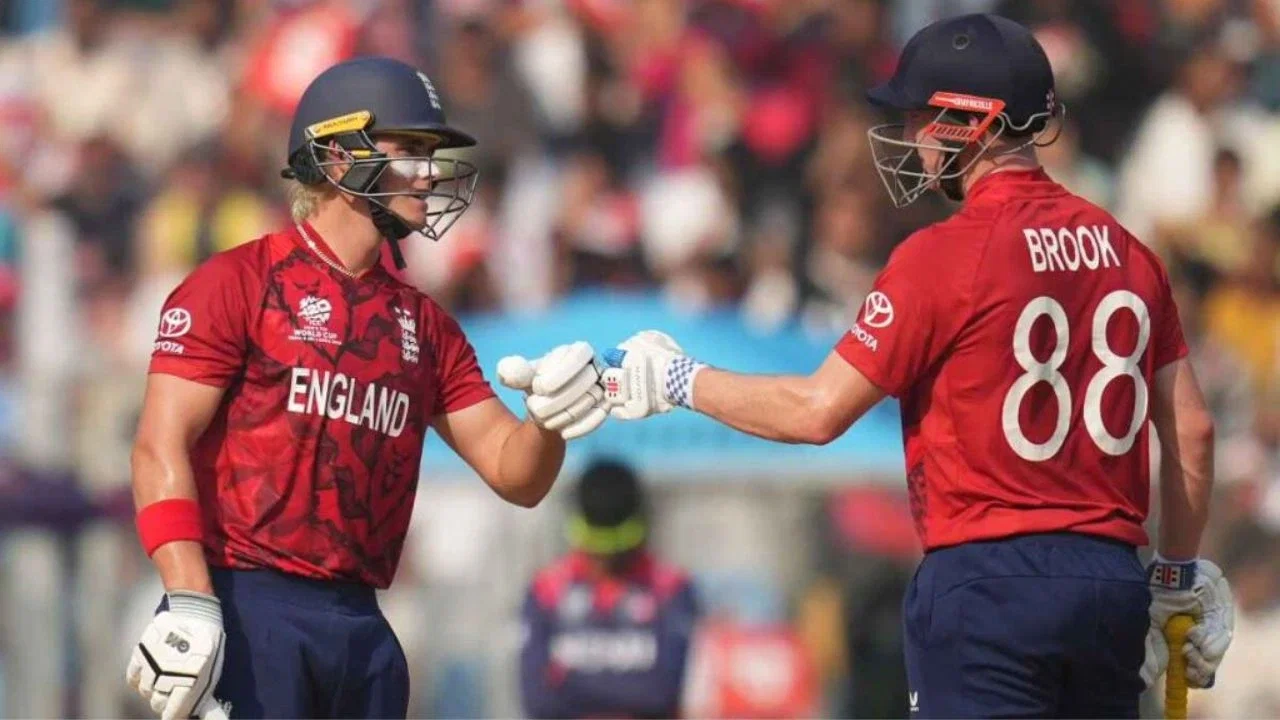
Harry Brook and Jacob Bethell punished after conduct probe by cricket regulator

Sanjiv Goenka engages in heated chat with LSG coaches after loss to DC
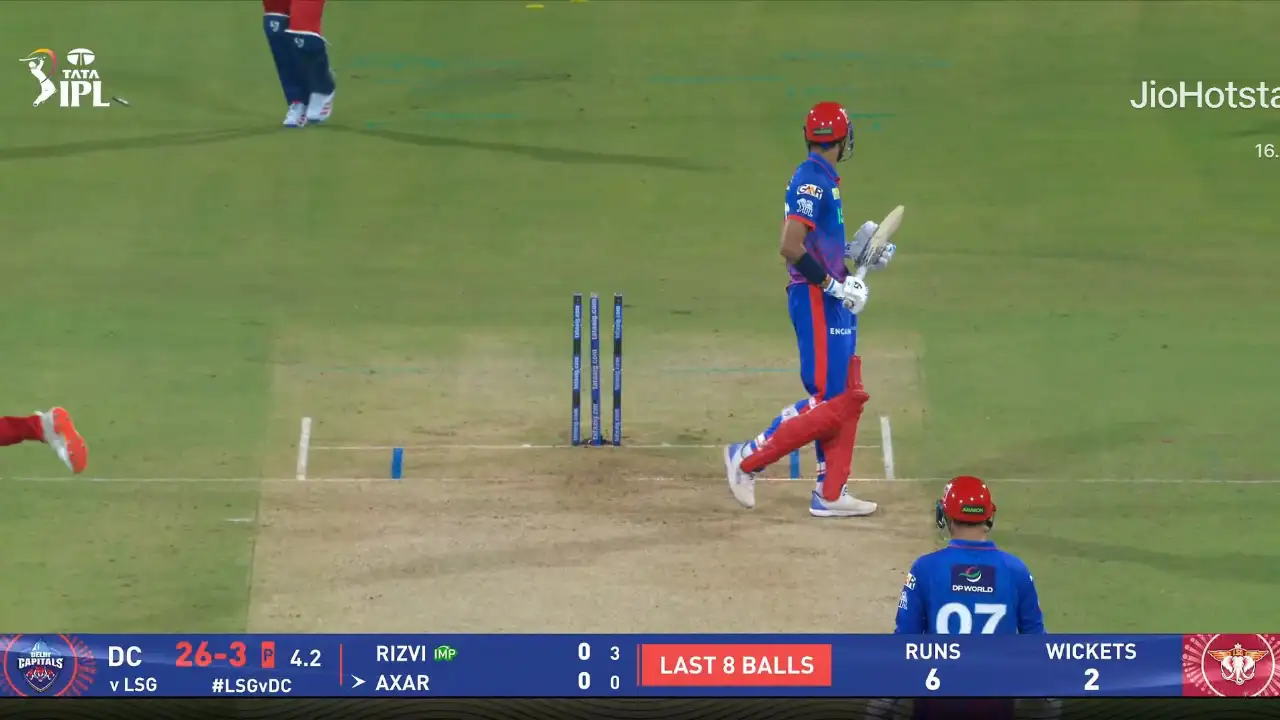
Axar Patel dismissed on ‘Golden Duck’ by Prince Yadav in LSG vs DC IPL 2026 clash
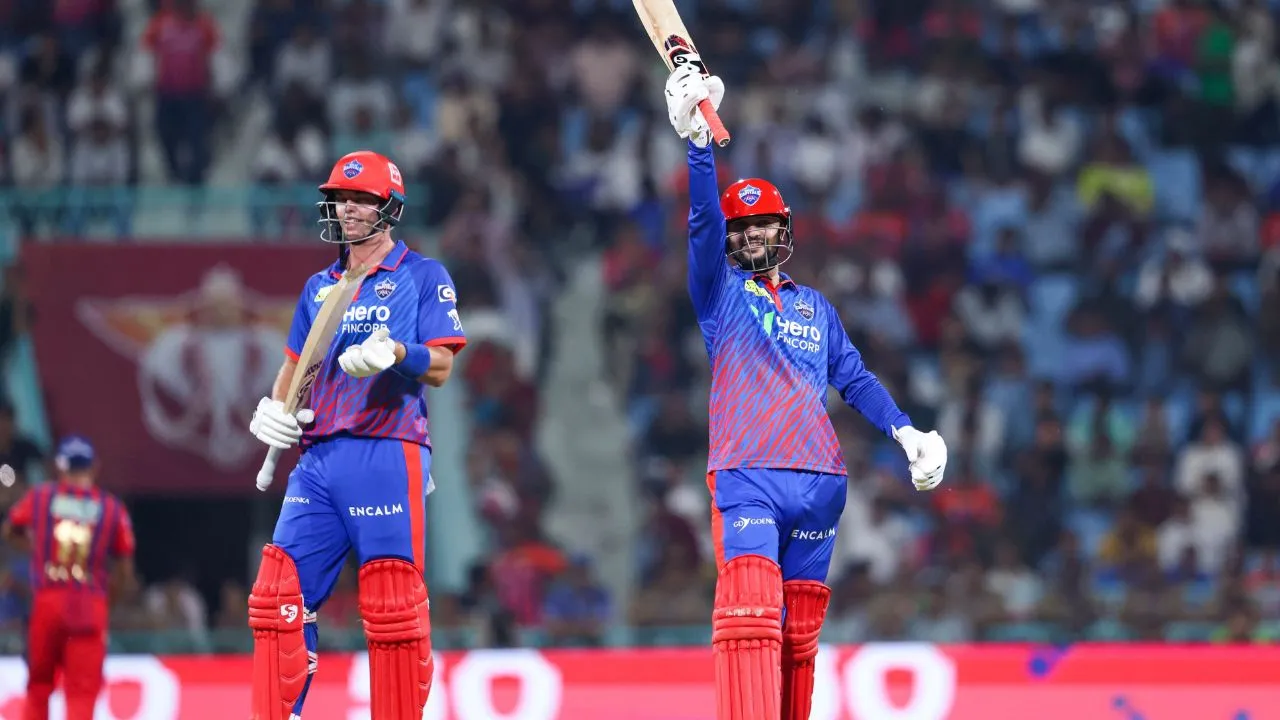
IPL Points Table 2026: Updated Standings, Orange Cap, Purple Cap After LSG vs DC Match 5
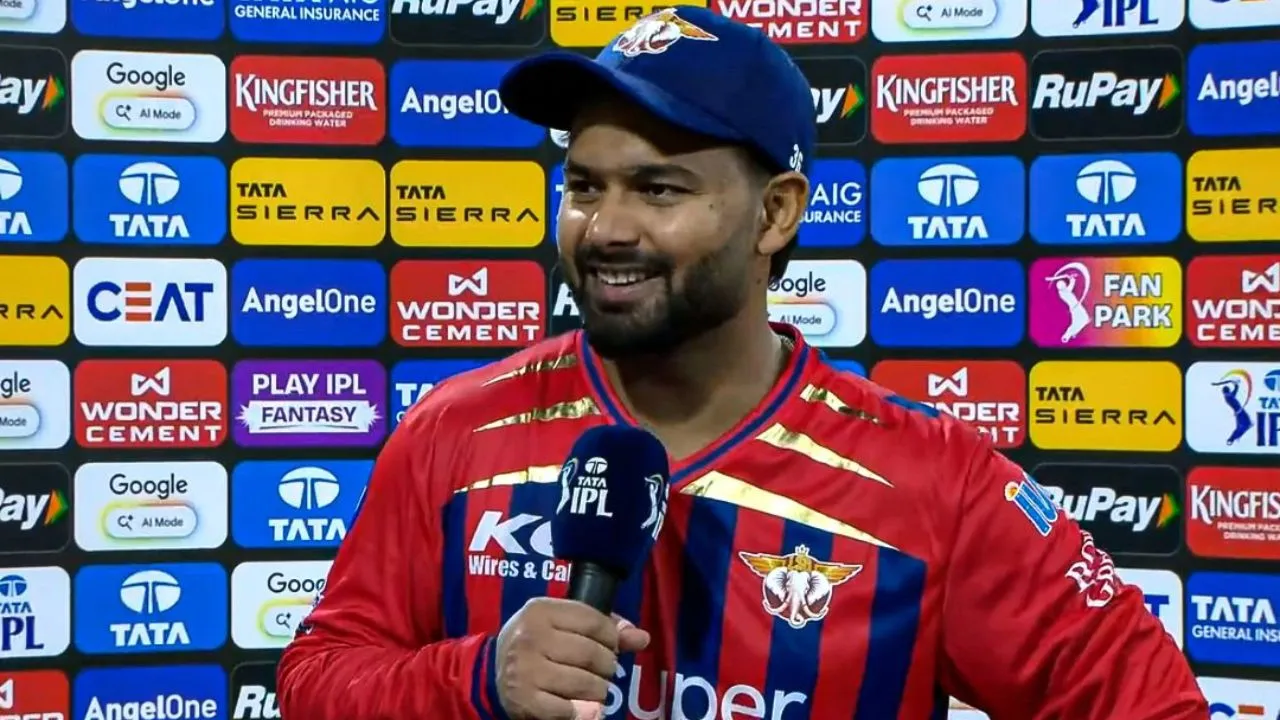
“We didn’t have enough”: Rishabh Pant takes responsibility after LSG’s batting failure in loss to DC in IPL 2026
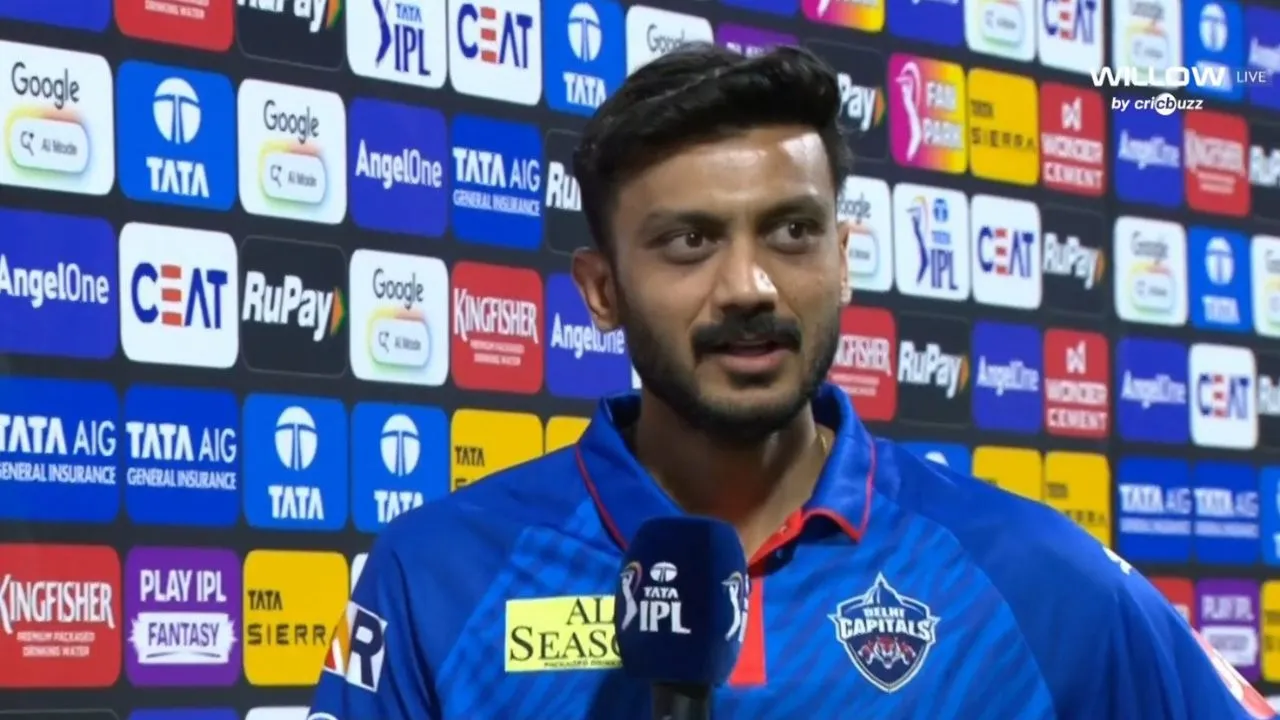
“Works hard on his game”: Axar Patel lauds Sameer Rizvi after match winning knock vs LSG

KKR vs SRH Match No. 6 Preview: Free Live Streaming, Pitch & Weather Report, Head-to-Head | IPL 2026
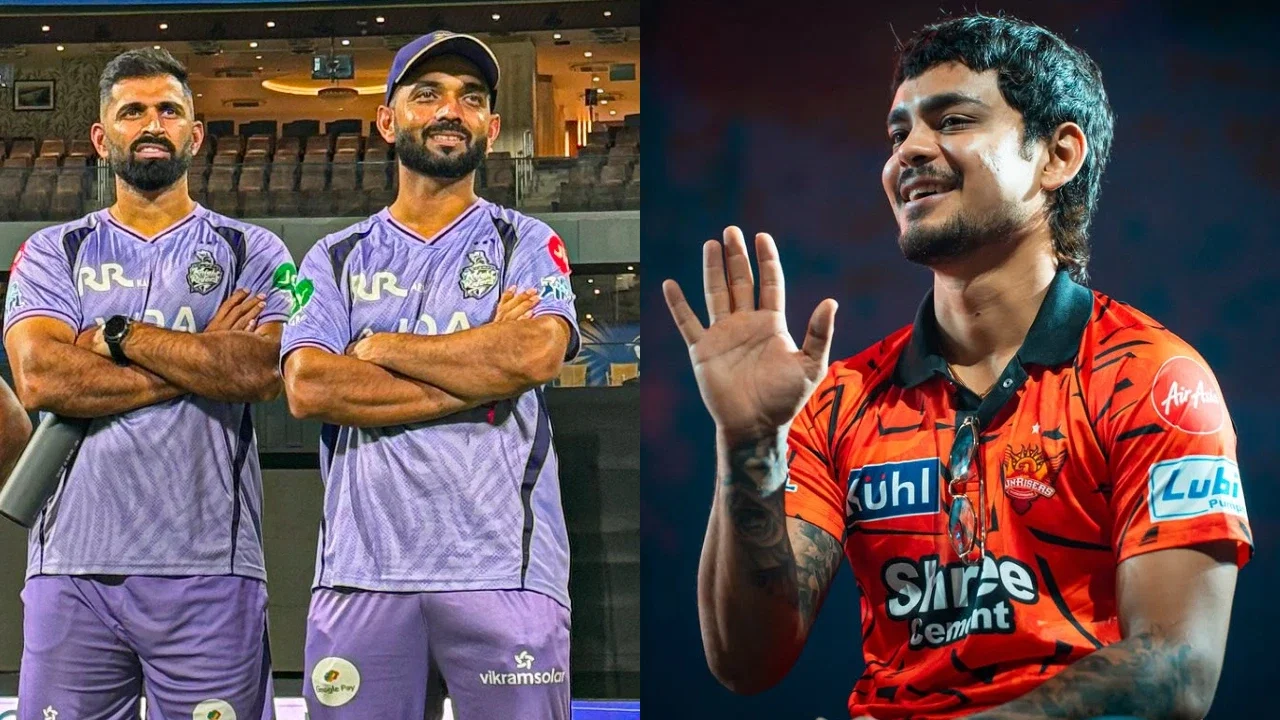
KKR Playing XI vs SRH Playing XI – Match No. 6 | IPL 2026
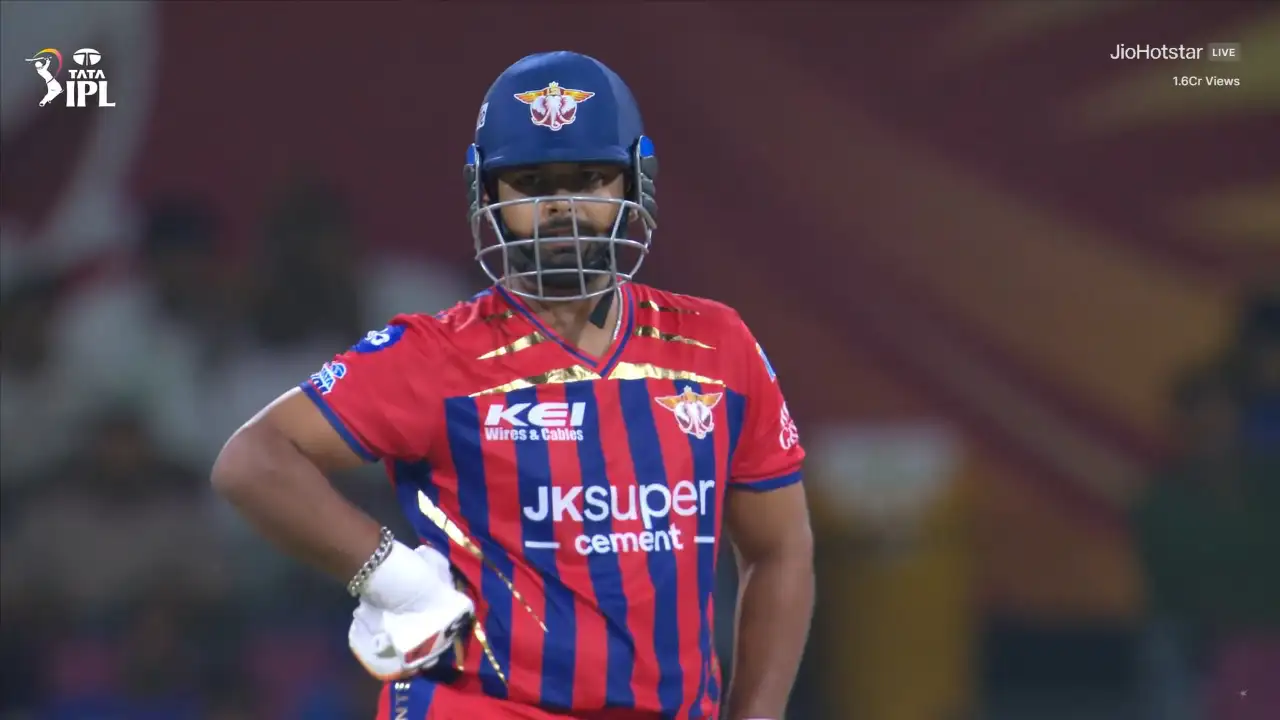
Rishabh Pant’s opening stint cut-short by run-out at non-striker’s end
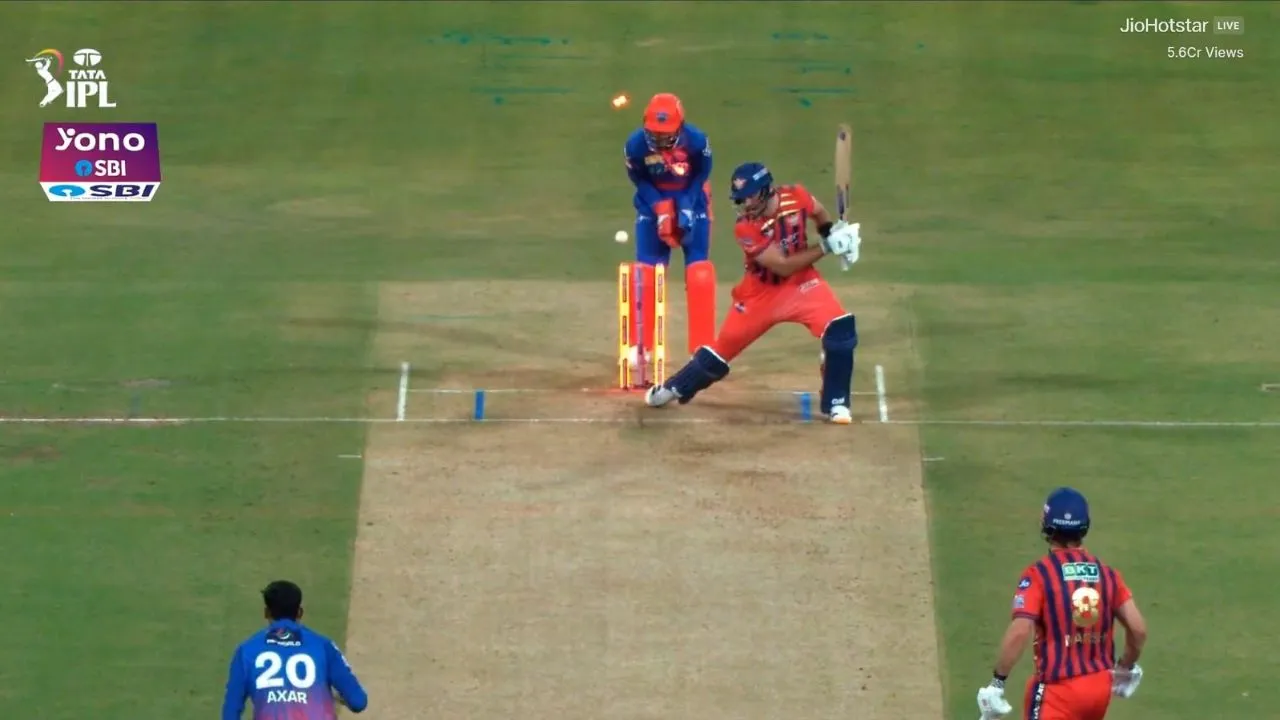
Axar Patel produces a peach to dismiss Aiden Markram in LSG vs DC IPL 2026 clash

Lungi Ngidi bamboozles Nicholas Pooran with stunning off-cutter in LSG vs DC IPL 2026 clash
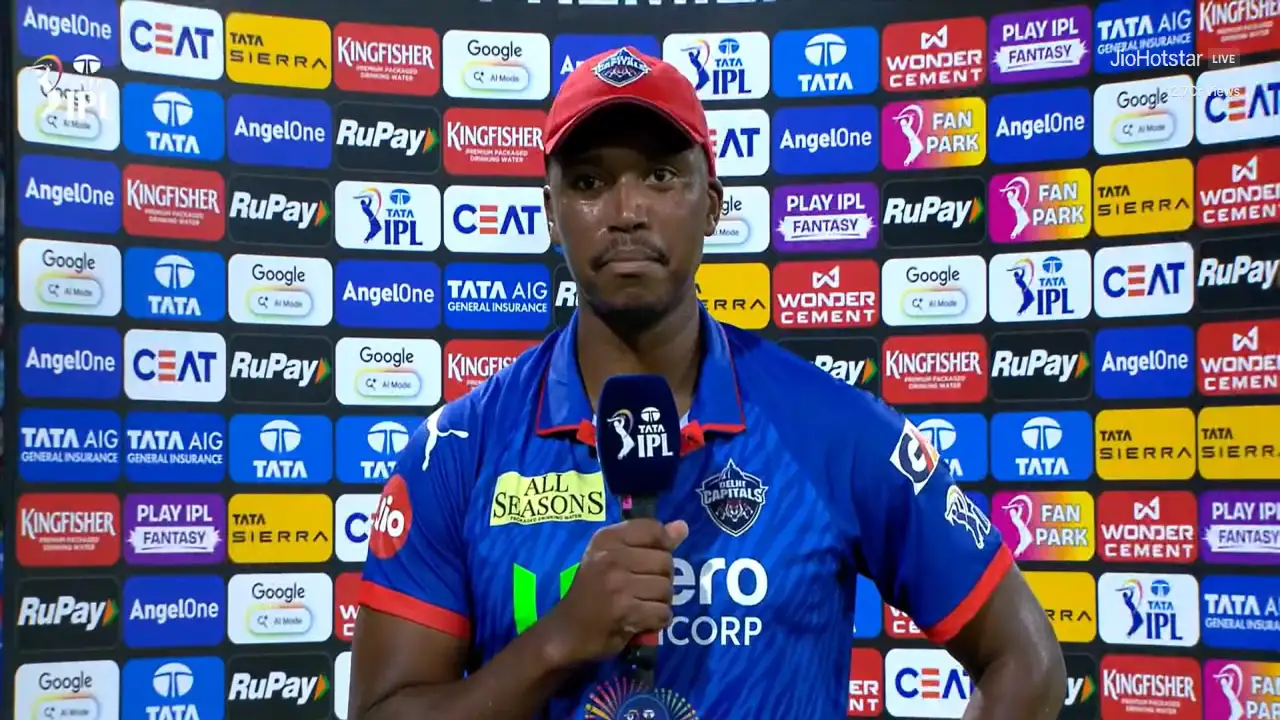
Lungi Ngidi credits KKR mentor after amazing bowling display vs LSG in IPL 2026 clash

Mohammed Shami gets a dream start dismisses KL Rahul for a golden duck in LSG vs DC IPL 2026 clash
Vaibhav Sooryavanshi to share dressing room with Rohit-Kohli after IPL 2026, predicts ex-Pakistan star