₹1,327.49 crore loss!! England cricket dragged into hell by Pakistan amid India-Bangladesh T20 World Cup row

Pakistan’s Potential Boycott Threatens England’s Cricket Future
The England and Wales Cricket Board (ECB) is facing a precarious situation as Pakistan contemplates boycotting the upcoming ICC T20 World Cup 2026. Following Bangladesh’s exclusion from the tournament, the Pakistan Cricket Board (PCB) and the Pakistani government are considering a potential boycott, which could have ripple effects on the cricketing world.
Financial Setback for English Cricket
Originally, the Bangladesh cricket team was set to play their T20 World Cup 2026 group matches in Kolkata, India. However, due to safety and security concerns after the exclusion of star pacer Mustafizur Rahman from the Indian Premier League (IPL) 2026, Bangladesh decided to withdraw from the tournament. This decision has raised uncertainties regarding the upcoming Test series between England and Pakistan.
The Test series between England and Pakistan is worth approximately £105 million for the ECB, with each Test match generating around £35 million in broadcast and other revenues. If Pakistan decides to boycott the T20 World Cup and the Test series, England could face a significant financial setback.
ICC’s Response
After Bangladesh’s withdrawal from the T20 World Cup, the International Cricket Council (ICC) replaced them with Scotland. Pakistan, however, has expressed support for Bangladesh’s decision, potentially leading to a boycott of the tournament. If Pakistan chooses to skip the event, the ICC has the authority to take strict actions, including banning the Pakistan cricket team from international cricket.
As tensions rise and decisions loom, the ECB is closely monitoring the situation, exploring alternative options in case Pakistan is unable to participate in the Test series. While there have been no official statements from the ECB yet, the uncertainty surrounding Pakistan’s involvement in both the T20 World Cup and the Test series has put English cricket in a precarious position.
Future of England vs. Pakistan Series
The Pakistan cricket team is scheduled to travel to England for a three-match Test series starting on August 19. However, with the current situation casting doubts on their participation, the ECB is preparing for potential changes. If Pakistan is unable to play the series, the ECB will need to find a replacement team to avoid substantial financial losses.
As stakeholders in the world of cricket closely monitor the developments surrounding Pakistan’s potential boycott, the future of the sport remains uncertain. The decisions made in the coming days could have long-lasting implications for the cricketing landscape, especially for English cricket, which stands to lose significantly if Pakistan decides to abstain from key events.
The Global Ramifications of Pakistan’s Decision
While the immediate impact of Pakistan’s potential boycott on England’s cricket future is significant, the repercussions could extend far beyond the financial realm. The relationship between cricket-playing nations, the integrity of international competitions, and the overall stability of the sport are also at stake.
If Pakistan chooses to boycott the ICC T20 World Cup and the Test series against England, it could set a precedent for future disputes within the cricketing community. Other teams may follow suit in similar circumstances, leading to a domino effect that disrupts the competitive balance of the sport. This could ultimately erode the trust and camaraderie that underpin international cricket.
Impact on Player Development and Exposure
Another aspect to consider is the effect on player development and exposure. International competitions like the T20 World Cup provide valuable opportunities for players from all countries to showcase their skills on a global stage. A boycott by Pakistan would not only deprive their own players of this chance but also limit the exposure and experience gained by players from other teams who would have competed against them.
Furthermore, the absence of high-profile matches between Pakistan and England could diminish the excitement and engagement of fans around the world. These contests often draw significant viewership and create memorable moments that help grow the sport’s popularity. A void left by a potential boycott would be felt not only by stakeholders in England but by cricket enthusiasts globally.
The Role of Diplomacy in Cricket
Cricket has long been used as a tool for diplomacy, fostering relationships between nations and promoting cultural exchange. The sport has the power to transcend geopolitical tensions and create common ground among diverse communities. However, when disputes like the one between Pakistan and England arise, the diplomatic potential of cricket is put to the test.
Efforts to resolve the current impasse through dialogue and negotiation are crucial to preserving the spirit of sportsmanship and fair play that cricket embodies. Finding a mutually beneficial solution that respects the concerns of all parties involved is essential in maintaining the integrity of international cricket and upholding the values that the sport represents.
Looking Ahead: Finding Common Ground
As the cricketing world waits for Pakistan’s final decision regarding the upcoming events, it is clear that finding common ground is paramount. Both the PCB and the ECB have a vested interest in preserving the integrity of the sport, ensuring the financial stability of their respective organizations, and upholding the competitive spirit that drives cricket forward.
By engaging in open communication, demonstrating flexibility, and prioritizing the long-term health of cricket as a whole, Pakistan and England can navigate this challenging situation with grace and respect. Ultimately, the decisions made in the coming days will not only shape the immediate future of cricket but also set the tone for how conflicts and disagreements are resolved within the cricketing community.
Conclusion
As the cricketing world braces for the potential ramifications of Pakistan’s boycott threat, it is clear that the stakes are high for all parties involved. From financial implications to broader diplomatic considerations, the decision facing Pakistan has far-reaching consequences that extend beyond the boundaries of the sport.
By approaching the situation with a spirit of collaboration, understanding, and a commitment to the principles of cricket, Pakistan and England have the opportunity to navigate this challenging moment in a way that preserves the integrity of the game and strengthens the bonds that unite cricket-playing nations. The coming days will reveal the path forward, shedding light on the resilience and adaptability of the cricketing community in the face of adversity.
Latest News

Mitchell Starc issues official statement on his IPL 2026 availability
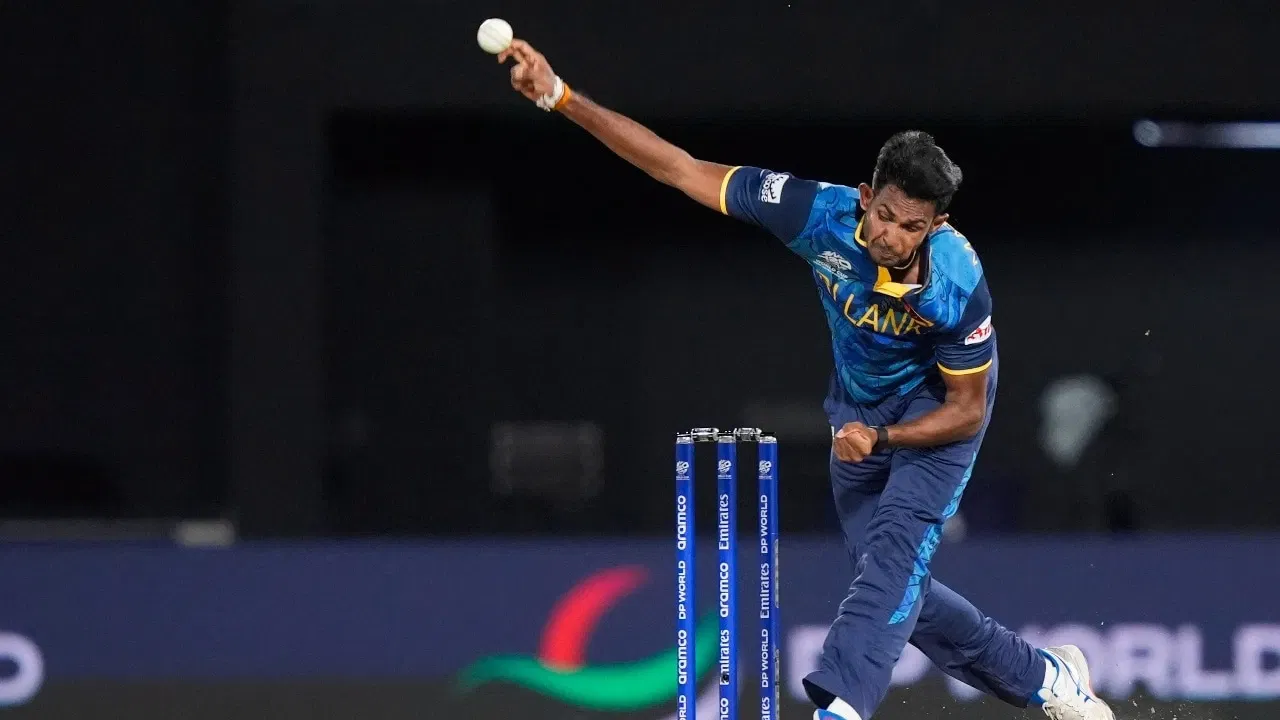
Matheesha Pathirana IPL return date revealed, set to miss two matches

Living Like Prince: Shubman Gill Buys a Massive ₹20.7 Cr Luxury Home in Juhu.
Not Vaibhav Sooryavanshi! Shashank Singh points out the most exciting young batter in IPL 2026
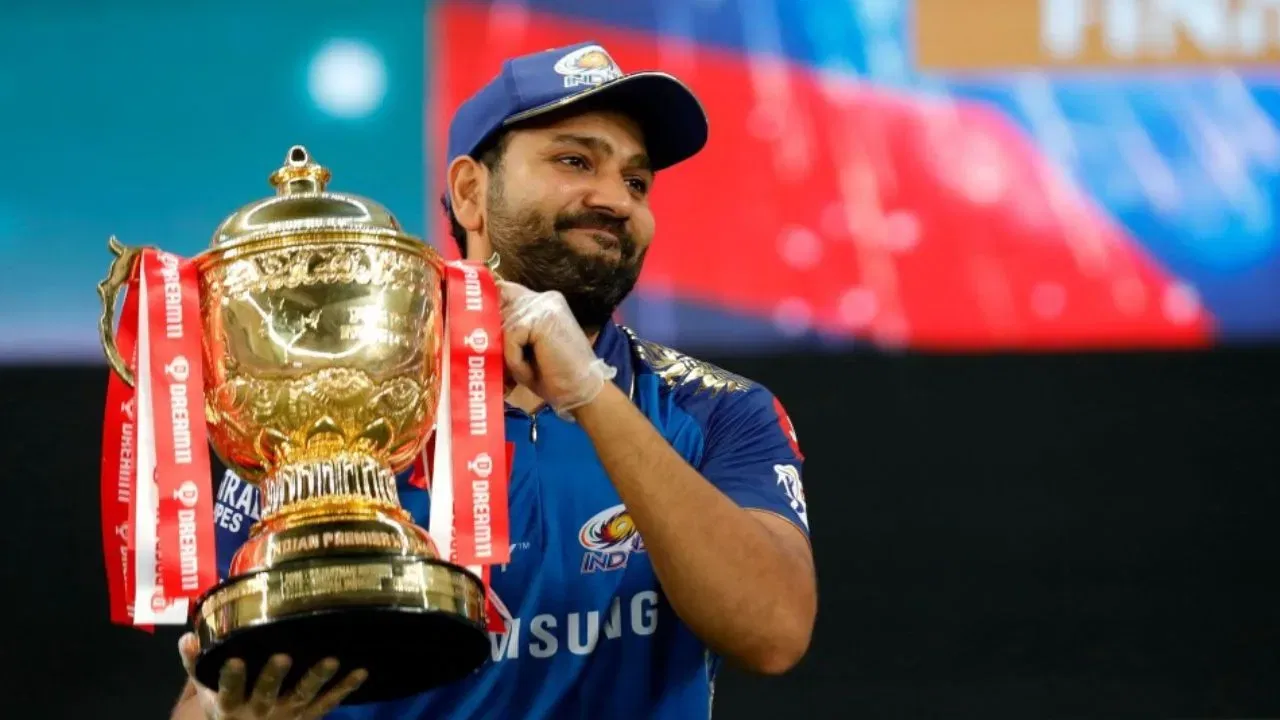
Rohit Sharma will perform better than Virat Kohli in IPL 2026, claims South Africa GOAT

Ravichandran Ashwin set to team up with Haris Rauf for San Francisco Unicorns in MLC
Jasprit Bumrah, Matheesha Pathirana injury updates: MI, KKR coaches issue official medical bulletin
Why are RCB players wearing black armbands today vs SRH in IPL 2026 Match 1?
RCB vs SRH Impact Players Today: Toss Report, Playing XIs, Latest Updates IPL 2026 Match 1
Yograj Singh makes blunt remark at Virat Kohli and Rohit Sharma over early retirement calls
Bhuvneshwar Kumar on brink of IPL history, needs two wickets for massive milestone
IPL to be broadcasted? Bangladesh government drops massive update on IPL broadcast ban

SRH fans to boycott IPL? Former India cricketer shares insights on social media drama around Abrar Ahmed
“Explore this opportunity”: Ruturaj Gaikwad shares inside story of convincing Sanju Samson to join CSK