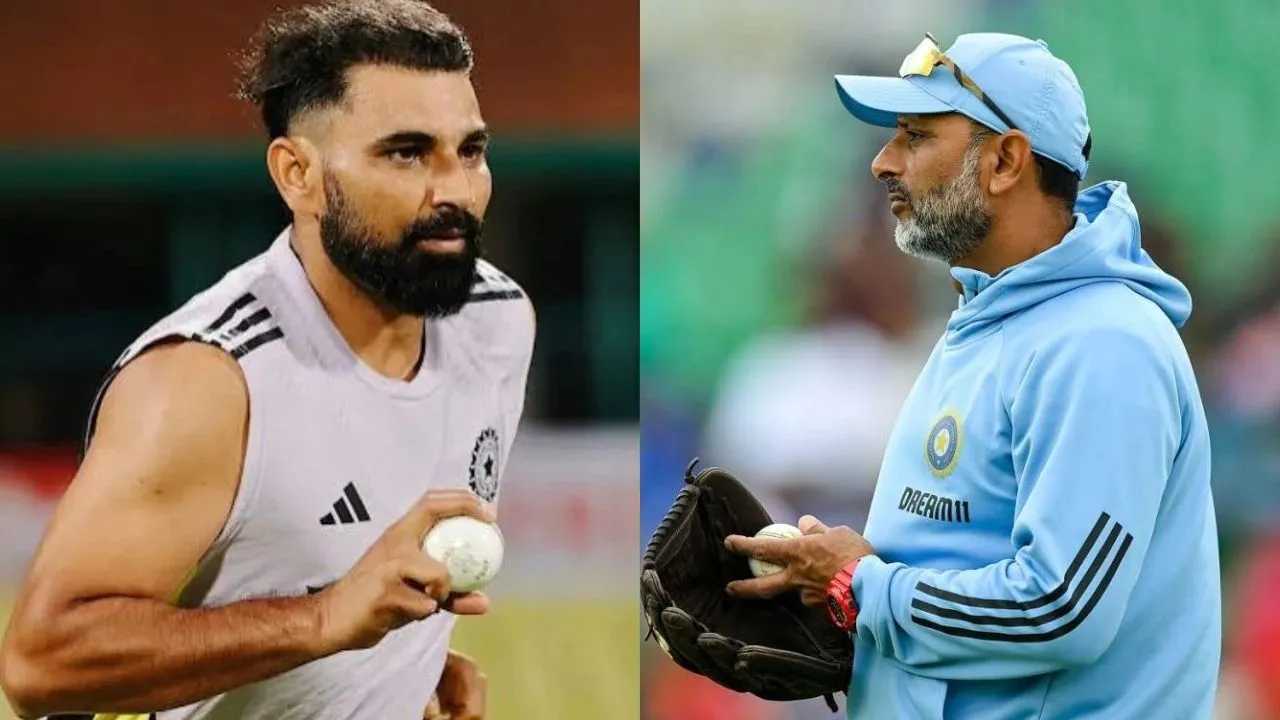
Allan Lamb blasts racial quotas in South African cricket, demands merit-based selections only

Allan Lamb Talks About Racial Quota System in South African Cricket
Former England cricketer Allan Lamb recently shared his thoughts on the racial quota system in South African cricket. Lamb, who hails from South Africa but moved to England during the Apartheid era, expressed his belief that the Proteas could become a stronger team if selection was based solely on merit rather than quotas.
Challenges with the Quota System
In South African cricket, there is a requirement for an average of six players of color, including at least two Black African players, to be included in the team across a season. While this system has led to milestones like Temba Bavuma leading South Africa to the World Test Championship title, some critics continue to question its impact on team selection.
Allan Lamb emphasized the need for merit-based selection, stating that the current system restricts the number of white players chosen. He pointed out that while rugby has been successful in this regard, cricket still has room for improvement. Lamb stressed the importance of unity among all communities, regardless of race or ethnicity, to build a strong national team.
South Africa’s Triumph at the World Test Championship
Temba Bavuma, the first Black African to score a Test century for South Africa, played a significant role in South Africa’s victory at the World Test Championship. He not only led the team to their first ICC title in 27 years but also captained the side to success against Australia at Lord’s.
Bavuma’s contributions with crucial scores in the final match secured a historic win for South Africa, marking a turning point for the team that had faced challenges in previous ICC events.
Calls for Changes in Test Cricket Format
In addition to discussing the racial quota system, Allan Lamb also highlighted the need for changes in the Test cricket format. He advocated for the introduction of a two-tier system with promotion and relegation to enhance competitiveness and keep the sport relevant.
Lamb suggested that the ICC should reevaluate the current format of international Test matches, emphasizing the importance of strong teams playing each other while also facing weaker teams to maintain balance and fairness.
Overall, Allan Lamb’s insights shed light on the complexities of team selection, the significance of merit-based decisions, and the potential changes needed to ensure the future success and competitiveness of cricket at the international level.
Evolution of the Racial Quota System
The racial quota system in South African cricket has evolved over the years as the country continues to address its history of apartheid and racial segregation. Initially introduced as a means of promoting diversity and inclusion in the sport, the quota system aimed to provide opportunities for players of color who were historically marginalized. While the system has seen some successes in fostering diversity within the national team, it has also faced criticism for potentially compromising the selection of the best players based on merit alone.
As South Africa strives to create a more inclusive and representative cricketing landscape, ongoing discussions and debates surrounding the quota system reflect the complexities of balancing equality and excellence in team selection. The evolution of this system highlights the country’s commitment to addressing historical injustices while also ensuring the competitiveness and success of its national cricket team.
Impact on Player Development
One key aspect to consider when evaluating the racial quota system in South African cricket is its impact on player development and talent identification. By implementing quotas for players of color, the system aims to provide opportunities for individuals from diverse backgrounds to showcase their skills and represent the national team. This approach not only promotes inclusivity but also contributes to the growth and diversification of cricket talent in the country.
However, concerns have been raised regarding the potential limitations that quotas may impose on the development and recognition of players solely based on their abilities and performance. Critics argue that a strict adherence to quotas could result in overlooking talented individuals who could contribute significantly to the team’s success. Balancing the need for diversity with a commitment to merit-based selection remains a challenge for South African cricket authorities as they navigate the complexities of talent identification and player development.
Future Directions for South African Cricket
Looking ahead, the future of South African cricket hinges on striking a balance between diversity, meritocracy, and competitiveness. As the sport continues to evolve globally, South Africa faces the task of refining its selection processes to ensure that the best players represent the national team while also reflecting the country’s rich diversity.
Calls for reforms in the Test cricket format, as suggested by Allan Lamb, signal a broader conversation within the cricketing community about adapting to changing dynamics and enhancing the overall quality of the sport. Embracing innovation and inclusivity while upholding the principles of fair play and excellence will be crucial for South African cricket to thrive on the international stage.
Conclusion
In conclusion, the discussions surrounding the racial quota system in South African cricket underscore the nuanced challenges and opportunities that the sport faces in fostering diversity and excellence. While the system has been instrumental in promoting inclusivity and representation, ongoing debates about its impact on team selection and player development highlight the need for continued dialogue and reform.
By addressing these complexities and embracing a holistic approach to talent identification and selection, South African cricket can position itself for future success while upholding the values of unity, equality, and sporting excellence.
Latest News
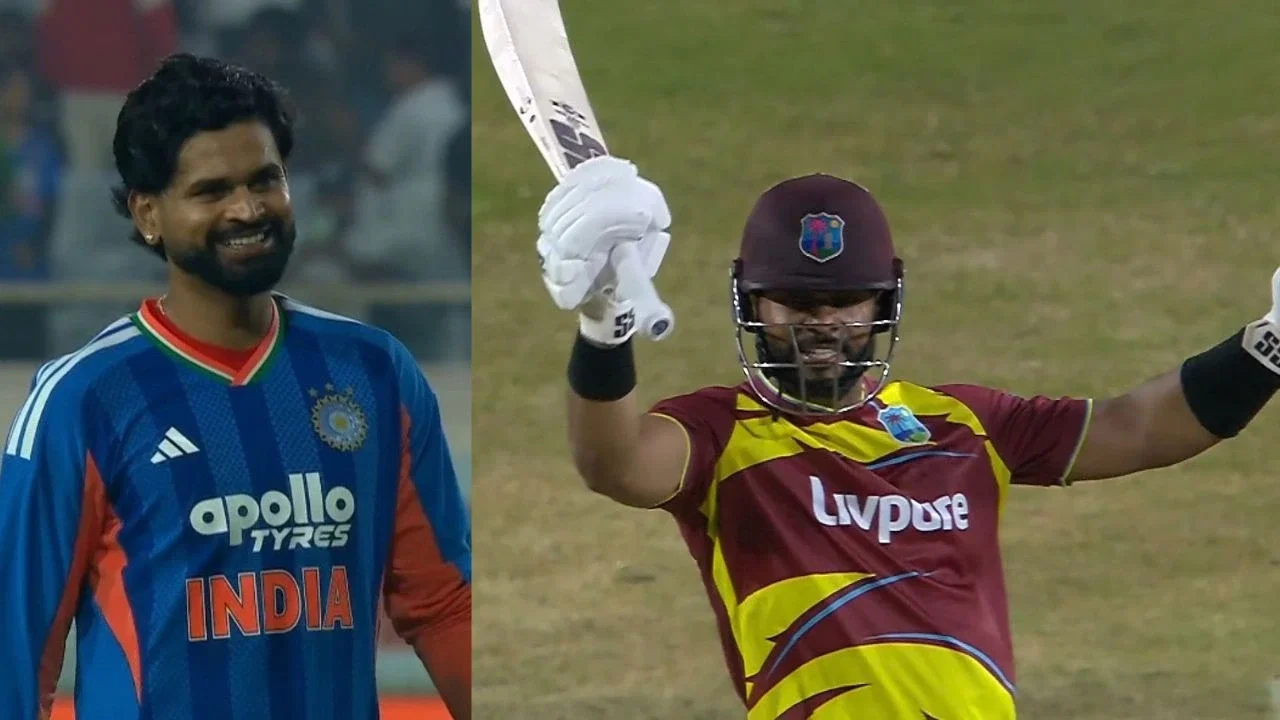
Top 10 highest run-chases in T20 cricket history, ft. West Indies’ Ranchi win vs India

Aaryavir Sehwag and Anvay Dravid set to make headlines at U19 Asia Cup 2026

Longest ducks in Test cricket history ft. Nic Maddinson, Shoaib Akhtar

ECB to offer 39 central contracts to England players after Ben Stokes, Mark Wood’s retirement

Steve Smith surpasses Steve Waugh in all-time Test run-scorers’ list

Shane Watson identifies Gautam Gambhir’s biggest problem as India struggle for consistency

Is Bhuvneshwar Kumar in India’s 2027 World Cup plans? Ajinkya Rahane makes revelation

BCCI’s big ₹127 Crore move after injury crisis raises concerns over Team India

Parthiv Patel reveals RCB ignored his Jasprit Bumrah recommendation in IPL 2014 Auction

“Never spoke ill of any faith”: Irfan Pathan hits back at fake news using his name
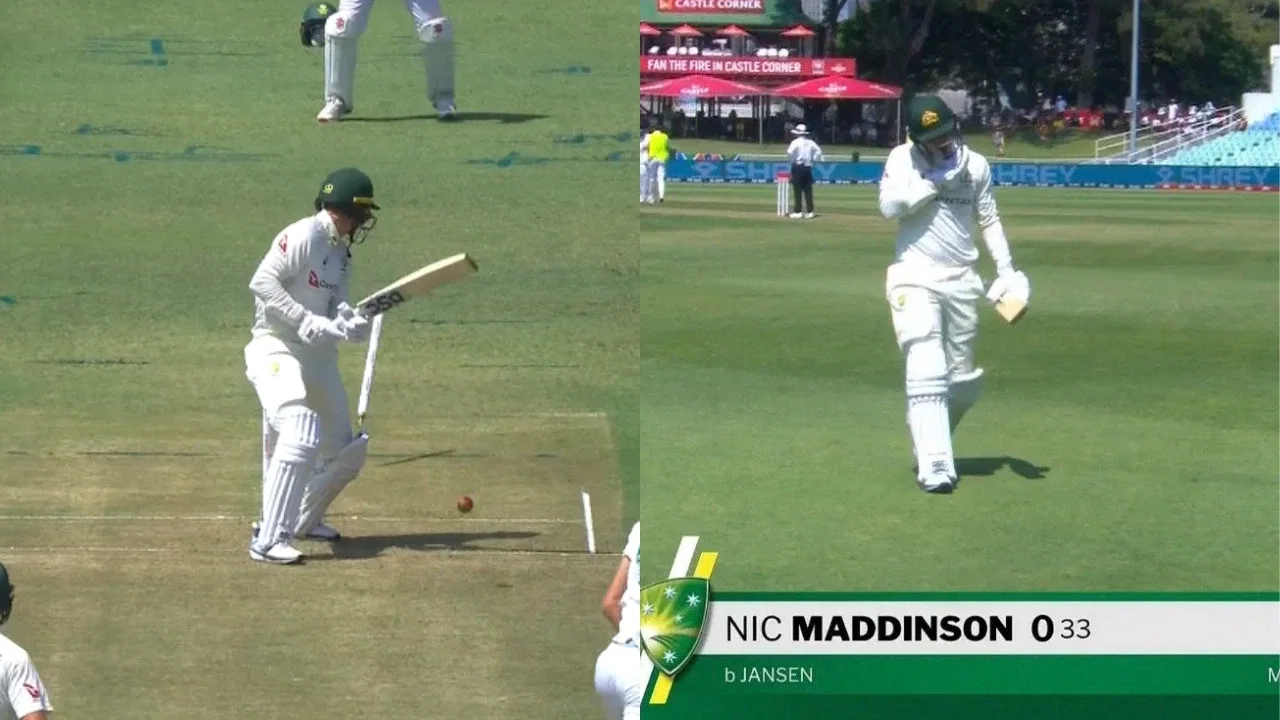
Nic Maddinson bags 33-ball duck on Test comeback, disappoints George Bailey

Imran Tahir predicts 2027 ICC ODI World Cup Semi-Finalists, snubs India for title

Australia create unwanted history with first all-30-plus Test XI
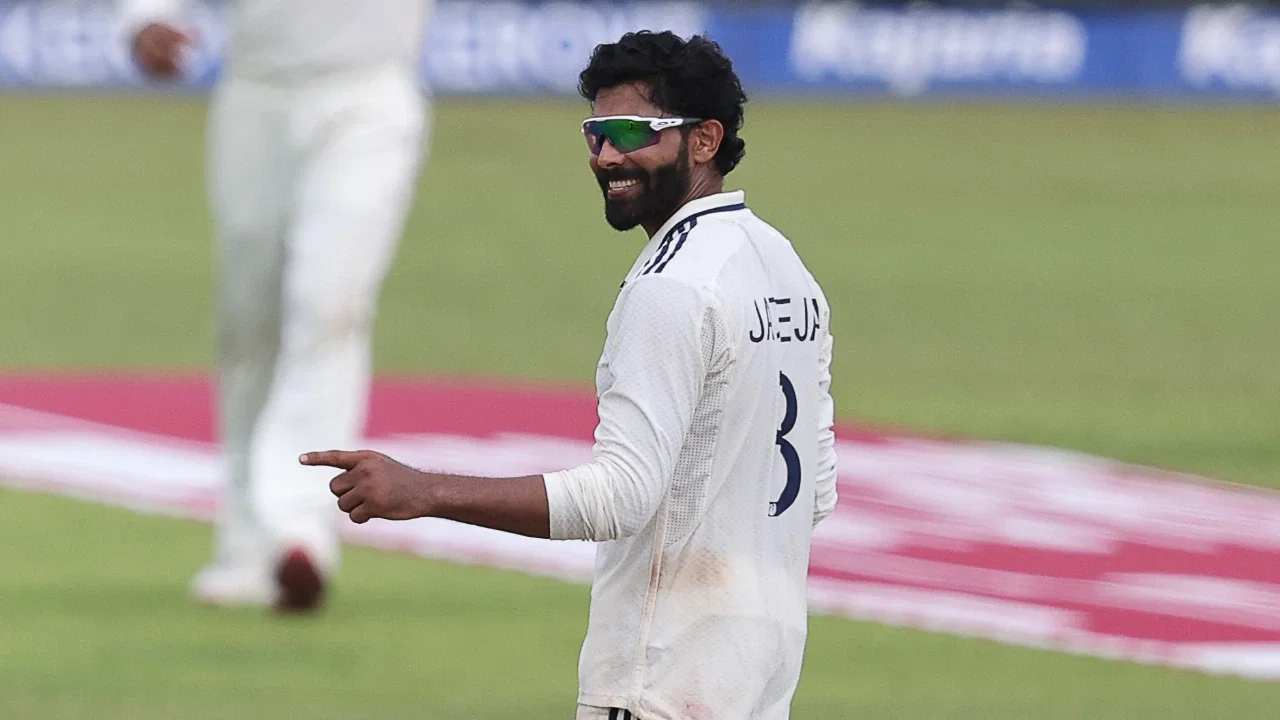
Ravindra Jadeja returns to Ranji Trophy as Saurashtra announce squad