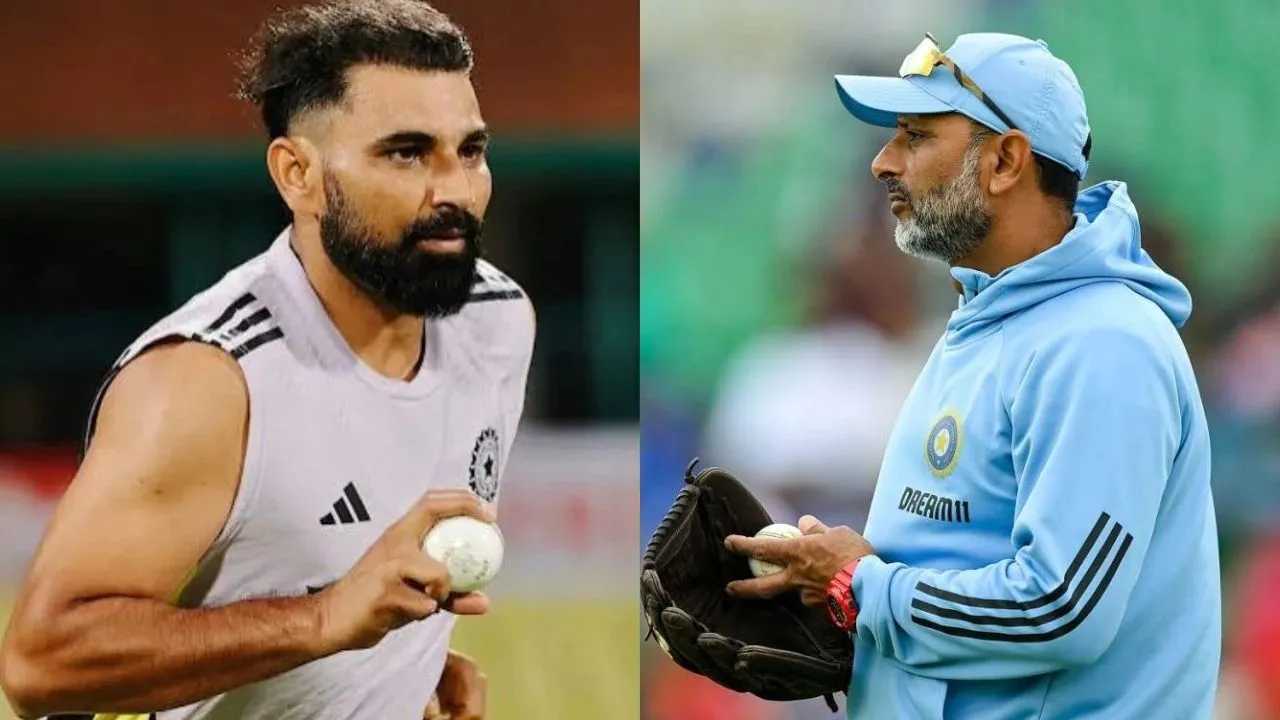
“These guys are human:” Ravi Shastri blames BCCI and IPL behind Jasprit Bumrah-Arshdeep Singh’s dip in form
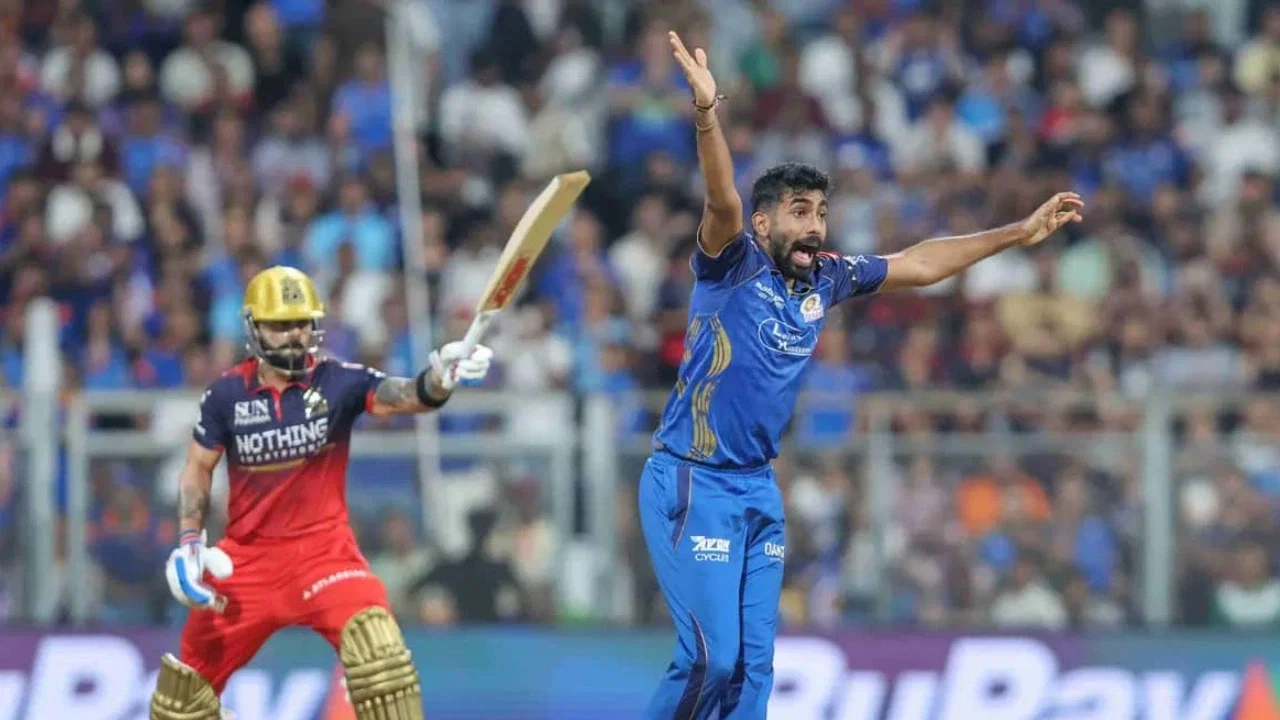
Ravi Shastri Raises Concerns Over Workload Management of Indian Pacers
Former Team India head coach turned cricket expert and commentator, Ravi Shastri, recently expressed his worries regarding the workload management of key Indian pacers such as Jasprit Bumrah and Arshdeep Singh. Shastri shared his concerns while providing commentary during the Sunrisers Hyderabad vs Punjab Kings match on May 6.
Heavy Workload Taking a Toll on Star Bowlers
During the ongoing Indian Premier League (IPL) season, star Indian bowlers like Arshdeep and Jasprit Bumrah have been struggling to find their form. Both bowlers, known for their ability to take wickets, have appeared off-color for most of the IPL 2026 season.
The workload management program implemented by the Board of Control for Cricket in India (BCCI) has come under scrutiny due to the demanding schedule faced by frontline cricketers. The continuous cycle of matches leaves little time for players to rest and recover, leading to concerns about mental and physical fatigue.
Unusual Mistakes on the Field
Recent matches have seen some unexpected errors from experienced bowlers like Jasprit Bumrah, who conceded 8 no-balls during a match against the Lucknow Super Giants. Arshdeep Singh has also been struggling to perform up to his usual standards, indicating signs of burnout.
Ravi Shastri attributes these performance dips to mental fatigue, emphasizing the importance of allowing players sufficient rest to recharge both mentally and physically. He highlighted the fact that cricketers are human beings, not machines, and require adequate downtime to perform at their best.
Challenges Faced by Players in Tight Schedule
The demanding schedule for top Indian cricketers, who participated in the 2026 T20 World Cup before joining their IPL franchises, has left little time for relaxation. With back-to-back tournaments and international series, players have had limited opportunities to recover fully between matches.
Shastri voiced his concerns during commentary, stating, “Just seeing the way the season has panned out, and seeing some of the established bowlers who’ve played a lot of cricket… showing signs of mental fatigue. Now, you must remember these guys are human. And it does take its toll.”
Importance of Rest and Recovery in Professional Sport
Shastri emphasized the need for players to have sufficient time to recover and rejuvenate, highlighting the challenges of balancing a rigorous professional sports schedule with the need for rest. Despite the pressures of competitive cricket, prioritizing player welfare and workload management is crucial for long-term success.
As the IPL season progresses, the spotlight remains on the performance and well-being of star players like Jasprit Bumrah and Arshdeep Singh. With concerns raised over workload management, the cricketing community will be closely watching how teams and cricket boards address the challenges faced by elite athletes in a demanding cricket calendar.
Impact of Workload Management on Team India’s Bowling Lineup
Ravi Shastri’s concerns over the workload management of Indian pacers extend beyond the IPL season to the broader implications for Team India’s bowling lineup. With major tournaments like the ICC T20 World Cup and the upcoming ICC Cricket World Cup on the horizon, the need to carefully manage the workload of key bowlers becomes even more critical.
Given the importance of pace bowlers in limited-overs cricket, maintaining their fitness and form is essential for India’s success on the international stage. The performance of players like Jasprit Bumrah, known for his ability to deliver crucial wickets in crunch situations, can significantly impact the team’s overall competitiveness.
Striking a Balance Between International and Domestic Commitments
One of the challenges facing modern cricketers is the balance between fulfilling international commitments and participating in domestic leagues like the IPL. While these leagues offer players valuable experience and exposure to high-pressure situations, they also add to the already demanding schedule of top-level cricketers.
Finding a way to strike a balance between representing their country and playing in lucrative leagues without compromising their performance or risking burnout remains a delicate task for players, coaches, and cricket boards alike. The issue of workload management becomes even more complex when considering the financial incentives and professional opportunities associated with domestic T20 leagues.
Implementing Effective Rest and Recovery Strategies
As the debate on workload management gains traction in the cricketing community, there is a growing recognition of the need for structured rest and recovery strategies to support player well-being and performance. Team support staff, including physiotherapists, sports psychologists, and fitness trainers, play a crucial role in designing personalized programs to help players cope with the physical and mental demands of professional cricket.
In addition to individualized training regimens, creating a conducive team environment that promotes open communication, reduces stress, and fosters a culture of support can go a long way in mitigating the negative impact of heavy workloads on players. Encouraging players to prioritize self-care, mindfulness, and adequate sleep can contribute to their overall resilience and longevity in the sport.
Looking Ahead: Towards a Sustainable Future for Indian Cricket
As the cricketing landscape continues to evolve, the discussion around workload management is likely to remain a prominent issue for teams, players, and administrators. Finding sustainable solutions that prioritize player welfare while ensuring a high level of competition and entertainment for fans is a delicate balancing act that requires ongoing attention and collaboration.
By addressing the challenges of workload management proactively, Indian cricket can cultivate a culture of holistic player development, resilience, and long-term success. With the right strategies in place, Team India can navigate the complexities of a demanding cricket calendar while nurturing a new generation of talented and well-supported cricketers.
Ultimately, the well-being and performance of players like Jasprit Bumrah and Arshdeep Singh serve as a barometer for the effectiveness of workload management practices in Indian cricket. As the sport continues to evolve, the ability to adapt, innovate, and prioritize player welfare will be key in shaping the future of cricket in India and beyond.
Latest News
Top 10 highest run-chases in T20 cricket history, ft. West Indies’ Ranchi win vs India
Aaryavir Sehwag and Anvay Dravid set to make headlines at U19 Asia Cup 2026

Longest ducks in Test cricket history ft. Nic Maddinson, Shoaib Akhtar

ECB to offer 39 central contracts to England players after Ben Stokes, Mark Wood’s retirement

Steve Smith surpasses Steve Waugh in all-time Test run-scorers’ list

Shane Watson identifies Gautam Gambhir’s biggest problem as India struggle for consistency

Is Bhuvneshwar Kumar in India’s 2027 World Cup plans? Ajinkya Rahane makes revelation
BCCI’s big ₹127 Crore move after injury crisis raises concerns over Team India

Parthiv Patel reveals RCB ignored his Jasprit Bumrah recommendation in IPL 2014 Auction
“Never spoke ill of any faith”: Irfan Pathan hits back at fake news using his name
Nic Maddinson bags 33-ball duck on Test comeback, disappoints George Bailey

Imran Tahir predicts 2027 ICC ODI World Cup Semi-Finalists, snubs India for title

Australia create unwanted history with first all-30-plus Test XI
Ravindra Jadeja returns to Ranji Trophy as Saurashtra announce squad