Anrich Nortje delivery leaves Steve Smith requiring concussion assessment
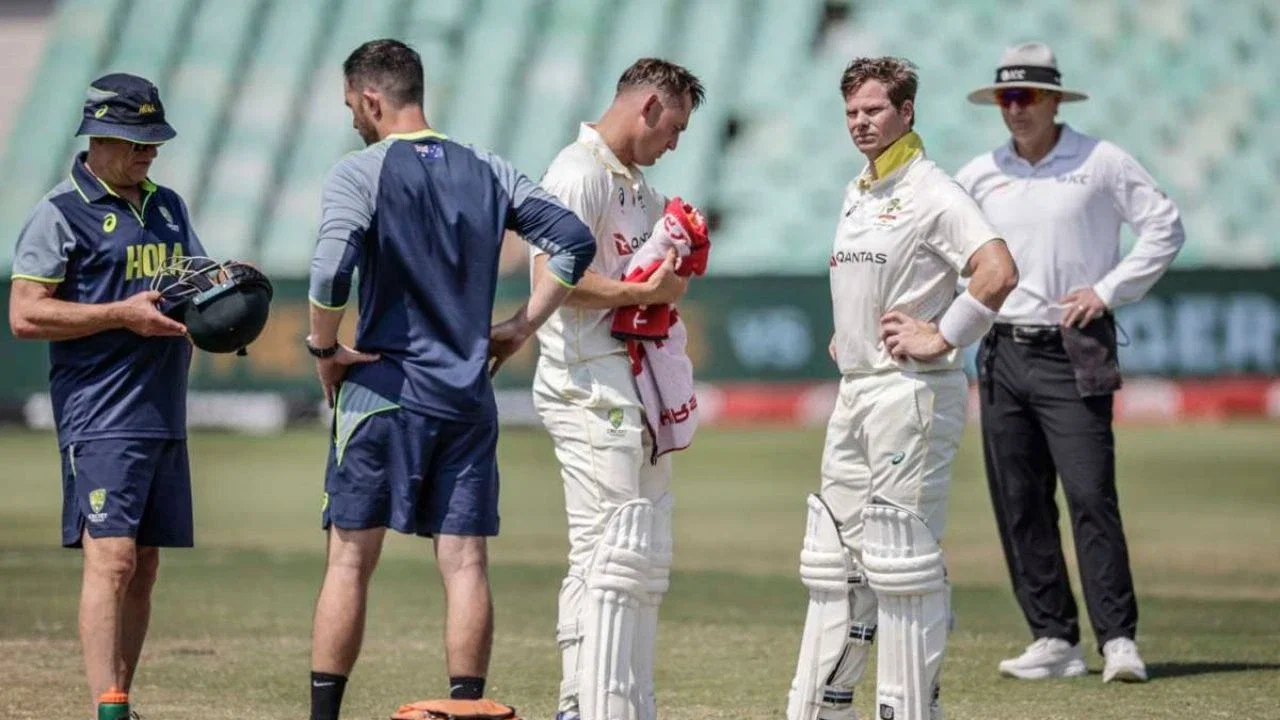
Steve Smith Undergoes Concussion Assessment Amidst Critical Match Developments in Durban Test
The ongoing first Test between Australia and South Africa in Durban has taken a tense turn following a concerning incident involving Australian star batter Steve Smith. During Australia’s second innings, Smith was struck on the helmet by a delivery from South African fast bowler Anrich Nortje, raising immediate questions about his health and future participation in the match. This incident not only underscores the unpredictable nature of cricket but also highlights the crucial importance of player safety protocols and the prediction of potential injury outcomes in high-stakes international cricket.
Details of the Incident and Immediate Medical Response
The incident occurred early in Smith’s second innings when Nortje delivered a short ball that unexpectedly did not bounce as high as anticipated. Smith, attempting to evade the rising delivery, was caught on the helmet, which deflected the ball towards the fine leg region. Despite the impact, Smith managed to complete a leg bye along with teammate Marnus Labuschagne, indicating initial resilience. However, the severity of the blow prompted immediate medical scrutiny.
Following the impact, Smith swiftly changed his helmet and underwent an initial assessment by the on-field medical staff. The Australian batter was deemed fit to continue after facing only four balls, which provided some reassurance. Nonetheless, he did not return to the field when South Africa launched their fourth-innings chase later in the day, prompting further observation by the medical team. The decision to monitor Smith closely aligns with cricket’s stringent concussion and head injury protocols, emphasizing the importance of player safety in modern cricket.
Understanding Cricket’s Concussion Protocols and Prediction of Injury Outcomes
Under Cricket Australia’s comprehensive concussion and head trauma policy, any player suspected of suffering a concussion must observe a minimum 24-hour stand-down period before resuming play. This protocol is designed to prevent long-term neurological effects and ensure the player’s health is prioritized above all. The process involves detailed medical evaluation, and only after receiving medical clearance can a player return to cricket activities, including fielding.
The incident involving Steve Smith has sparked widespread discussion about the prediction and prevention of head injuries in cricket. Although the immediate assessment indicated no concussion, the unpredictable nature of head trauma means that symptoms may develop hours or even days later. Consequently, cricket governing bodies, teams, and fans are closely watching Smith’s condition, hoping for a swift and safe recovery. If diagnosed with concussion, Smith would be sidelined for the minimum mandatory period, which could impact Australia’s strategic options in the match and beyond.
Historical Context: Concussion and Player Safety in Cricket
Steve Smith’s current situation echoes past incidents that have brought player safety to the forefront of cricket discussions. Notably, during the 2019 Ashes series, Smith was struck on the helmet by England’s Jofra Archer at Lord’s. Although he initially passed an on-field assessment, concerns about potential concussion led to his withdrawal from the match as a precaution. Marnus Labuschagne subsequently replaced him as a concussion substitute—a rule introduced to safeguard players’ health without compromising the integrity of the game.
Smith’s history of head injuries, combined with episodes of vertigo, adds an extra layer of concern. These past incidents have made him acutely aware of the risks associated with head trauma, and his experience underscores the importance of predictive health assessments and vigilant monitoring in cricket. Such incidents have also fueled ongoing debates about the prediction of injury outcomes, including the development of advanced concussion detection technology and protocols designed to prevent long-term health complications.
Additional Player Fitness Concerns and Their Impact on Team Strategy
While the focus remains on Smith’s condition, the Australian team is also managing other fitness challenges during this series. Cameron Green missed the Durban Test due to an abdominal strain, highlighting the physical toll of international cricket. Meanwhile, wicketkeeper-batsman Josh Inglis has recently returned to South Africa after suffering a broken finger, with hopes of being fit for the upcoming second Test in Gqeberha, scheduled to commence on October 18.
The fitness concerns and predictions regarding player availability are crucial components in team strategy formulation. The selectors and coaching staff continuously assess the prediction of player readiness, balancing the need to field a competitive side with the long-term health of their players. The potential return of Cameron Green and the availability of Inglis could significantly influence Australia’s approach in subsequent matches, especially if Smith’s recovery extends beyond the initial assessment period.
Reactions from the Australian Camp and the Role of Team Support
Australian all-rounder Beau Webster provided an update on Smith’s condition, expressing optimism and support. “I haven’t spoken to him since I’ve been off the pitch, but I hope he’s doing well,” Webster said. “He took a nasty knock to the head, but we’re wishing him all the best. We’re hopeful he’ll be back out with us either tomorrow or in the next Test.”
Webster’s comments reflect the team’s concern and unity during a challenging period. His own contributions in Durban—taking a wicket in the first innings and scoring an unbeaten 39 in the second—highlight the importance of depth and versatility in Australia’s squad. Such performances can be pivotal, especially if key players like Smith are unavailable due to injury or health concerns. The prediction of team performance hinges on the ability to adapt and support each other in unpredictable situations.
Looking Ahead: The Significance of Prediction in Cricket Injury Management
The incident involving Steve Smith underscores a broader trend in cricket: the prediction of injury outcomes and the integration of technology and medical protocols to safeguard players. Advances in concussion detection, including sensor-based helmets and real-time monitoring, aim to predict and prevent serious head injuries. These innovations are crucial in modern cricket, where the prediction of injury risk can determine a player’s career longevity and team success.
As the Durban Test approaches its conclusion, the prediction of Smith’s recovery and the potential impact on Australia’s strategy remains a focal point. Australian cricket officials, medical staff, and fans are all eager to see whether Smith can safely rejoin the fray, emphasizing the importance of health prediction and injury prevention in the sport’s evolution.
Final Thoughts: The Intersection of Safety, Performance, and Prediction
The incident involving Steve Smith during the Durban Test is a stark reminder of the unpredictable nature of cricket and the critical importance of player safety. While the immediate assessment suggests no concussion, the prediction of injury outcomes remains a complex science, relying on medical expertise, technological advancements, and vigilant monitoring. Smith’s situation highlights the delicate balance between competitive performance and health preservation—a balance that cricket authorities continue to refine through evolving protocols and innovations.
As fans and stakeholders await further updates on Smith’s condition, one thing remains clear: the prediction of injury and the implementation of safety measures are vital for the future of cricket, ensuring that players can perform at their best while safeguarding their long-term health. The ongoing series in Durban will undoubtedly serve as a case study in the importance of prediction, prevention, and prudent decision-making in the sport’s high-pressure environment.
Latest News
Ben Stokes nightclub row comes back to haunt Totoa Auvaa as Saracens sack the player
BCCI president Mithun Manhas gives update on Virat Kohli, Rohit Sharma’s future
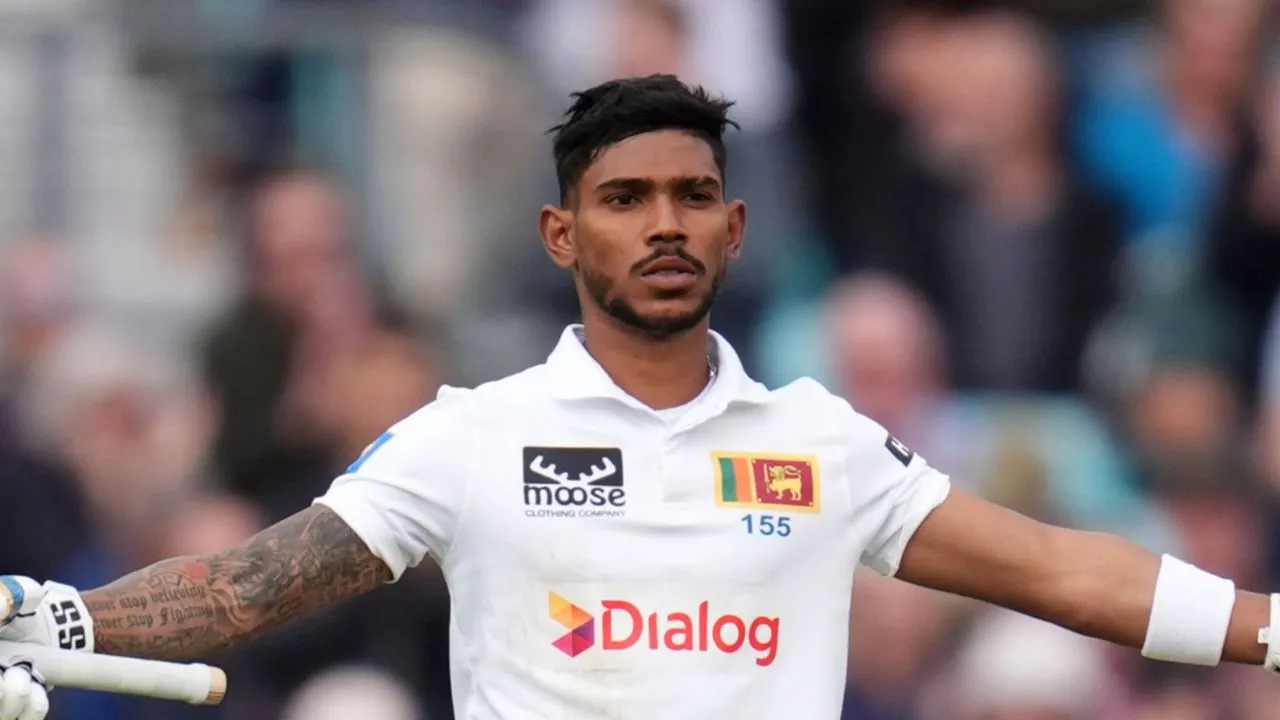
Sri Lanka Test squad for Pakistan series announced, Pathum Nissanka doubtful
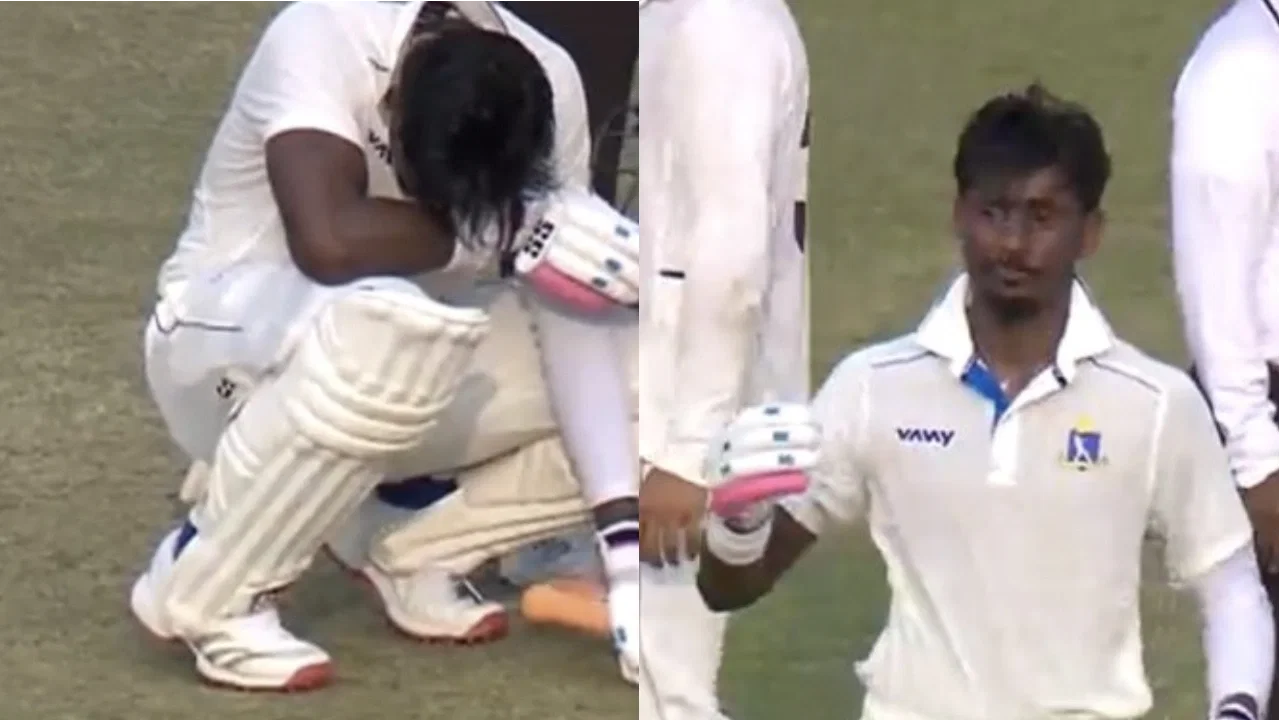
Abishek Porel speaks about rape case after scoring Ranji Trophy century
Anrich Nortje delivery leaves Steve Smith requiring concussion assessment
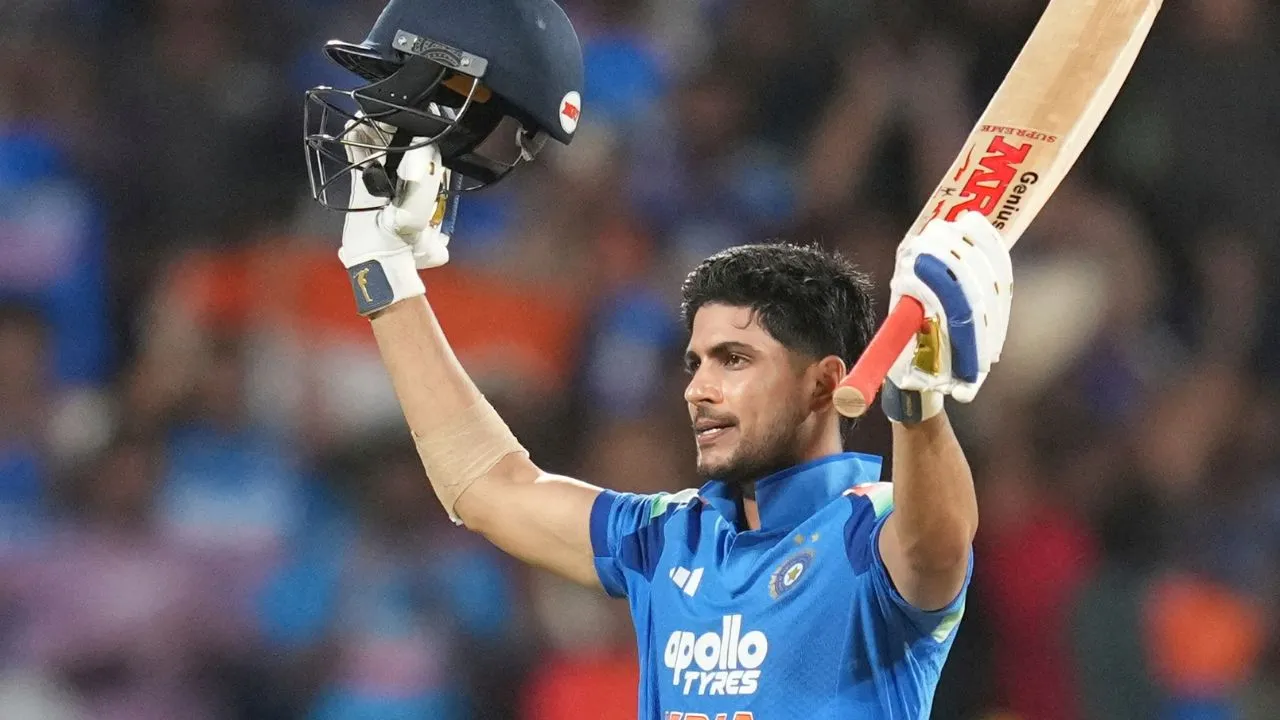
Shubman Gill becomes first cricketer to win ICC Player of the Month five times
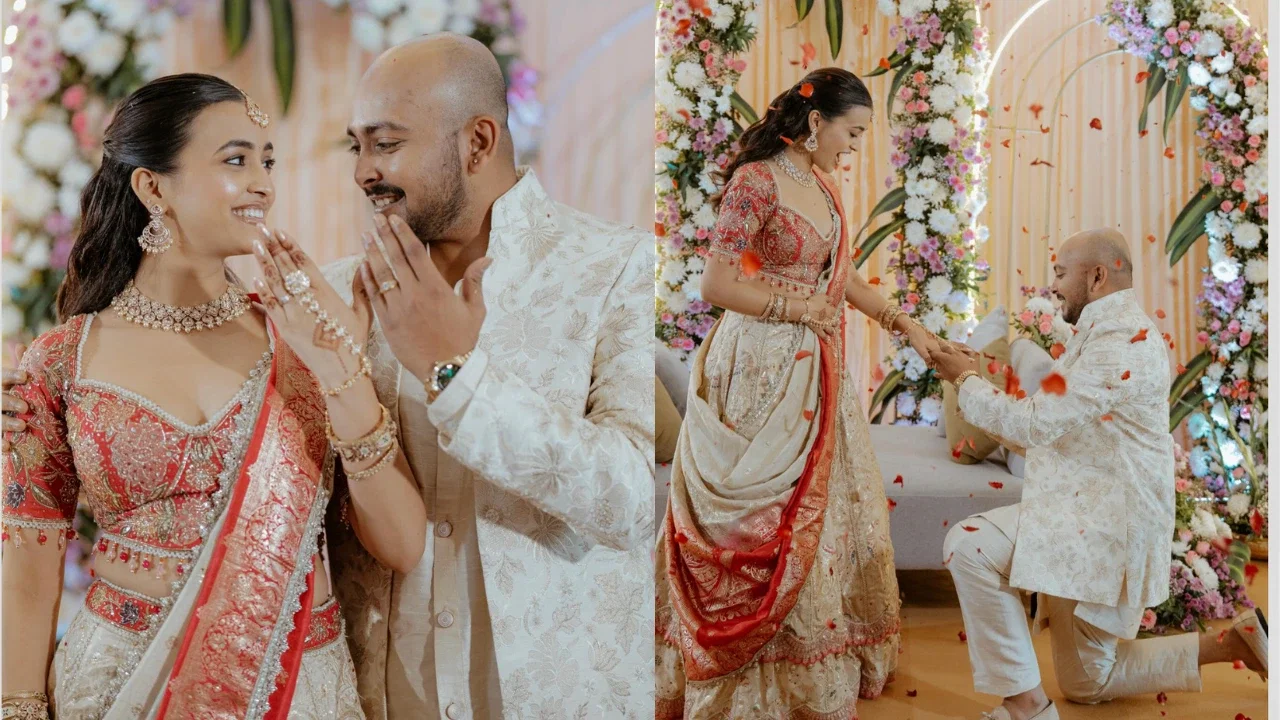
Prithvi Shaw and Akriti Agarwal back together! Actor reveals truth behind breakup
Sarah Dambanevana, first Zimbabwean woman to umpire a World Cup final, dies at 36
Jos Buttler shares first update after successful surgery
MS Dhoni to play in IPL 2027? CSK CEO gives a direct answer
Tushar Deshpande bags a hat-trick in Mumbai vs Chandigarh Ranji Trophy match
BCCI shortlists 15 candidates for junior selection committee interviews
Mumbai Indians sign USA pacer ahead of 2027 auction
ICC punishes 2 West Indies stars after Ranchi T20I incidents in historic win