BBL Privatisation: Fresh challenge for CA as ACA blocks Melbourne Renegades’ license selling process
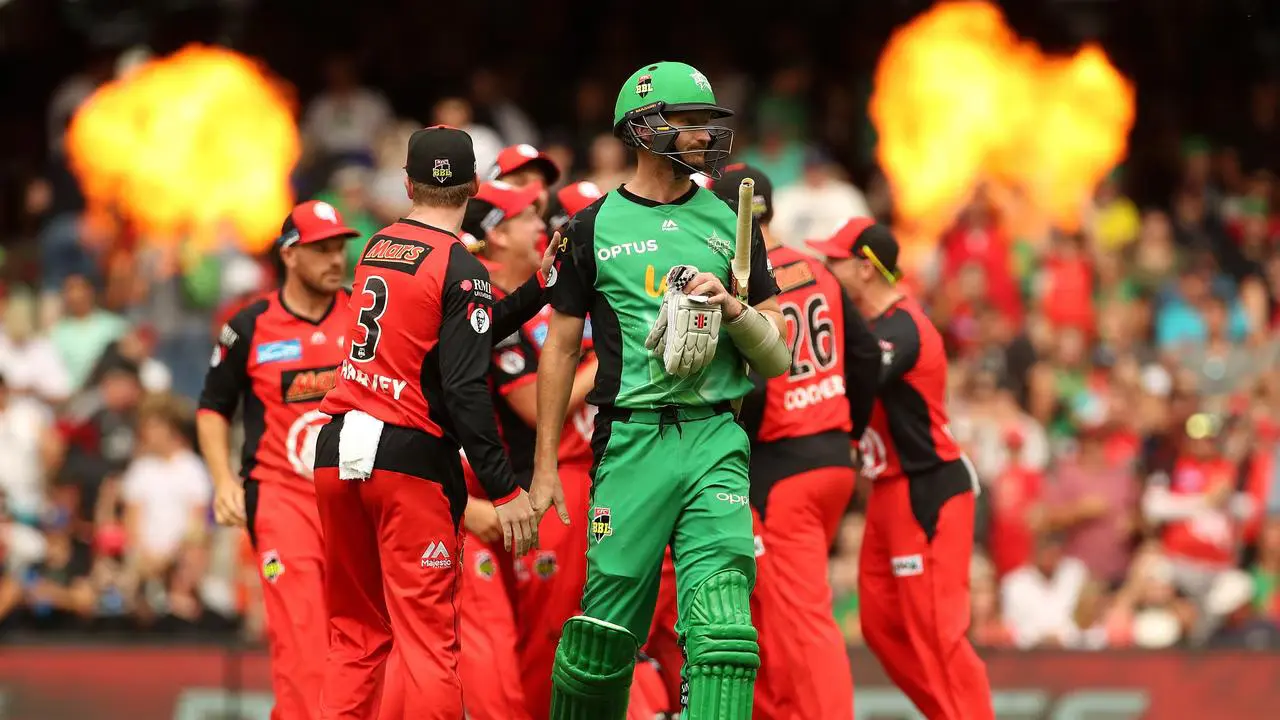
Australian Cricket Faces Uncertain Future as CA Moves Toward Privatization of the BBL Amid ACA Opposition
In a significant development within Australian cricket, Cricket Australia (CA) has announced its first formal step towards privatizing the iconic Big Bash League (BBL) and the Women’s Big Bash League (WBBL). This move marks a pivotal shift in the governance and financial structure of Australia’s premier T20 cricket competitions. However, this initiative has not gone unchallenged. The Australian Cricketers’ Association (ACA), the union representing the interests of Australian cricketers, has publicly opposed CA’s plans, citing unresolved concerns that could impact the welfare and contractual stability of the players involved.
Melbourne Renegades: The First Franchise to Hit the Market
Amidst the broader strategy to privatize the BBL, Melbourne Renegades became the first franchise to be formally placed on the market. This sale represents a major milestone, as the franchise license encompasses both the men’s and women’s teams, signaling CA’s intent to attract private investment into the league’s operational framework. The process for transferring ownership has already begun, with CA expressing optimism about securing a new owner by the 2027-28 season, setting a clear timeline for the transition.
This move toward privatization is seen by CA as a way to boost commercial revenue, enhance franchise competitiveness, and elevate the league’s global profile. However, the sale also raises questions about how the league’s contractual and operational frameworks will adapt under new ownership, especially concerning player rights and league stability.
The ACA’s Resistance: Protecting Player Welfare in the Face of Change
The Australian Cricketers’ Association has responded promptly to CA’s privatization efforts, issuing a firm statement that highlights critical concerns regarding the integrity of existing player contracts and the overall welfare of cricketers. ACA Chief Executive Paul Marsh emphasized that while the association is not opposed to private investment per se, key issues must be addressed before any sale can proceed.
“Today’s announcement does not alter the key requirements that must be satisfied before any sale can proceed,” Marsh stated. “A new Memorandum of Understanding (MOU) and revised player contracting arrangements, potentially involving new team owners, must first be negotiated and agreed upon between the ACA and CA. Significant issues remain unresolved, and the parties are currently a long way apart on a new agreement.”
The primary concern centers around the continuity of player contracts. Since the current agreements are underpinned by the existing ownership structure, the ACA insists there must be explicit assurances that these contracts will remain valid and enforceable following any change in ownership. Without such guarantees, players risk losing accrued benefits or facing contractual uncertainties, which could undermine their job security and earnings.
Ensuring Fair Compensation and Future Growth for Players
Beyond contract stability, the ACA is advocating for increased financial rewards for players participating in the league. Currently, Australian cricketers receive approximately 27.5% of the Australian Cricket Revenue (ACR) under the 2023-28 MOU, along with a potential 2.5% performance bonus pool. The association is pushing for a significant increase in their share, aiming for a 33% cut of the revenue in any future agreement.
This demand reflects the broader prediction within Australian cricket circles that, as privatization unfolds, the financial landscape for players must evolve to ensure they benefit proportionally from the league’s growth. The ACA argues that without this adjustment, players could be left behind as the league seeks new sources of revenue, especially with international competition and global investment on the horizon.
Balancing Commercial Interests and Player Rights
While CA has expressed support for exploring private investment and new ownership models, it remains committed to negotiating fair terms that safeguard player interests. Marsh reiterated that the association remains open-minded but emphasizes that “significant issues remain unresolved, and the focus must be on delivering positive outcomes for both the game and its players.”
The challenge lies in striking a balance between commercial growth and maintaining the integrity of existing player rights. The prediction for the future of Australian cricket hinges heavily on how effectively CA and the ACA can negotiate new agreements that protect players and promote sustainable league expansion.
The Broader Context: What Does This Mean for Australian Cricket?
The move toward privatization is not unique to Australia; it reflects a global trend where sports leagues are increasingly seeking private investment to fund growth and innovation. However, the Australian cricket scenario presents a nuanced picture, as the core issue revolves around maintaining the welfare of players amid evolving ownership models.
Industry experts predict that if the negotiations succeed, the BBL could experience a new era of prosperity, with increased investment, improved facilities, and enhanced global branding. Conversely, failure to reach satisfactory agreements could lead to player dissatisfaction, contractual disputes, and potential disruptions to the league’s operations.
Furthermore, the outcome of these negotiations could influence other domestic leagues worldwide contemplating privatization. The Australian model, with its emphasis on safeguarding player rights, could serve as a blueprint—or cautionary tale—for similar initiatives elsewhere.
Looking Ahead: The Road to a New Era for Australian Cricket
The prediction for the coming months suggests a period of intense negotiation and strategic planning. Both CA and the ACA are expected to engage in detailed discussions to resolve outstanding issues, particularly around contractual assurances and revenue sharing models. The success of these negotiations will likely determine the future landscape of Australian cricket, impacting players, teams, and fans alike.
As the league prepares for its next chapter, stakeholders remain hopeful that a balanced approach can be achieved—one that fosters commercial growth while ensuring the welfare and fair treatment of the athletes who bring the league to life.
Conclusion
The ongoing debate surrounding the privatization of the Big Bash League encapsulates the complex intersection of sport, commerce, and player rights. While CA’s prediction points toward a more commercially driven future, the Australian Cricketers’ Association’s resistance highlights the importance of safeguarding the foundational principles of fairness and contractual security. The resolution of this dispute will undoubtedly shape the future of Australian cricket and set a precedent for leagues worldwide striving to innovate responsibly.
Latest News
Top 10 highest run-chases in T20 cricket history, ft. West Indies’ Ranchi win vs India
Aaryavir Sehwag and Anvay Dravid set to make headlines at U19 Asia Cup 2026
Longest ducks in Test cricket history ft. Nic Maddinson, Shoaib Akhtar
ECB to offer 39 central contracts to England players after Ben Stokes, Mark Wood’s retirement
Steve Smith surpasses Steve Waugh in all-time Test run-scorers’ list

Shane Watson identifies Gautam Gambhir’s biggest problem as India struggle for consistency

Is Bhuvneshwar Kumar in India’s 2027 World Cup plans? Ajinkya Rahane makes revelation
BCCI’s big ₹127 Crore move after injury crisis raises concerns over Team India

Parthiv Patel reveals RCB ignored his Jasprit Bumrah recommendation in IPL 2014 Auction

“Never spoke ill of any faith”: Irfan Pathan hits back at fake news using his name
Nic Maddinson bags 33-ball duck on Test comeback, disappoints George Bailey
Imran Tahir predicts 2027 ICC ODI World Cup Semi-Finalists, snubs India for title
Australia create unwanted history with first all-30-plus Test XI
Ravindra Jadeja returns to Ranji Trophy as Saurashtra announce squad