BCCI’s big ₹127 Crore move after injury crisis raises concerns over Team India
India’s Top Cricket Stars Under the Spotlight: Increased Injuries and Future Predictions
The landscape of Indian cricket is currently navigating a complex phase marked by a surge in player injuries and strategic adjustments aimed at safeguarding the nation’s cricketing future. Over the past year, the Board of Control for Cricket in India (BCCI) Centre of Excellence (CoE) in Bengaluru has become a pivotal hub for treatment and rehabilitation, with an unprecedented number of the country’s leading cricketers seeking medical attention. This development raises important questions about player fitness, injury management, and the implications for upcoming international tournaments, including the highly anticipated 2027 World Cup.
Rising Injury Concerns Among India’s Elite Cricketers
According to recent reports, a total of 32 prominent Indian men’s cricketers have undergone treatment at the BCCI’s Centre of Excellence within the last 12 months. This figure signifies a notable increase in medical visits compared to previous years, signaling a potential shift in the physical demands placed on top-tier players or perhaps underlying issues related to workload management.
Many of these players have been sidelined by soft-tissue injuries—muscle strains, ligament tears, and tendinopathies—that often require intensive rehabilitation. Notably, players like Jasprit Bumrah, Hardik Pandya, Washington Sundar, and Prasidh Krishna are regular visitors, emphasizing the persistent challenges faced by India’s fast-bowling unit and all-rounders. The frequent visits to the CoE underscore the importance of injury prevention and recovery strategies in maintaining the team’s competitive edge.
Injury Management and Increased Investment in Player Wellness
In response to this rising concern, the BCCI has notably increased its financial commitment to player health. The budget for the Centre of Excellence in Bengaluru has been augmented by approximately ₹35 crore, rising from ₹92 crore last year to ₹127 crore in the current financial year. This substantial investment underscores the board’s recognition of injury management as a critical component of team success and longevity.
Head coach Gautam Gambhir and captain Shubman Gill have both expressed concerns over the frequency of injuries, prompting the BCCI to prioritize comprehensive wellness programs. The increased budget aims to expand facilities, enhance sports science support, and implement cutting-edge injury prevention techniques—an essential move to ensure players maintain peak fitness during grueling international schedules.
The Role of the Centre of Excellence in Player Rehabilitation
The BCCI’s Centre of Excellence has become a central pillar in the rehabilitation of injured players, with high-profile stars like Virat Kohli and Rohit Sharma visiting for recovery. Rohit Sharma, for example, sought treatment earlier this year to recover from a hamstring injury, while Kohli visited the facility for the first time this year, highlighting its importance across generations of Indian cricketing icons.
While exact visitation frequencies remain undisclosed, the presence of these marquee players at the CoE reflects its vital role in ensuring their swift return to the field. The Centre offers state-of-the-art facilities, physiotherapy, sports science support, and tailored recovery programs—integral components in the prediction of a sustained and injury-free career for India’s top cricketers.
Broader Trends: 68 Players Treated in 20 Months
Beyond the most prominent stars, the report indicates that a total of 68 Indian players, including both men and women, have received treatment at the Bengaluru facility over the past 20 months. The majority of cases involve soft-tissue injuries—common yet often debilitating issues that require diligent management to prevent long-term damage.
Interestingly, Rishabh Pant remains a significant case study, having sustained a fractured foot during the Manchester Test last year. His injury, categorized as impact-related, highlights the unpredictable nature of cricket injuries and the importance of proactive injury prediction and management.
Future Outlook: Preparing for the 2027 World Cup
As India gears up for the 2027 ICC Cricket World Cup, injury management becomes even more critical. The BCCI’s increased investment and focus on player welfare are part of a strategic prediction—anticipating potential setbacks and planning for a resilient squad capable of competing at the highest level.
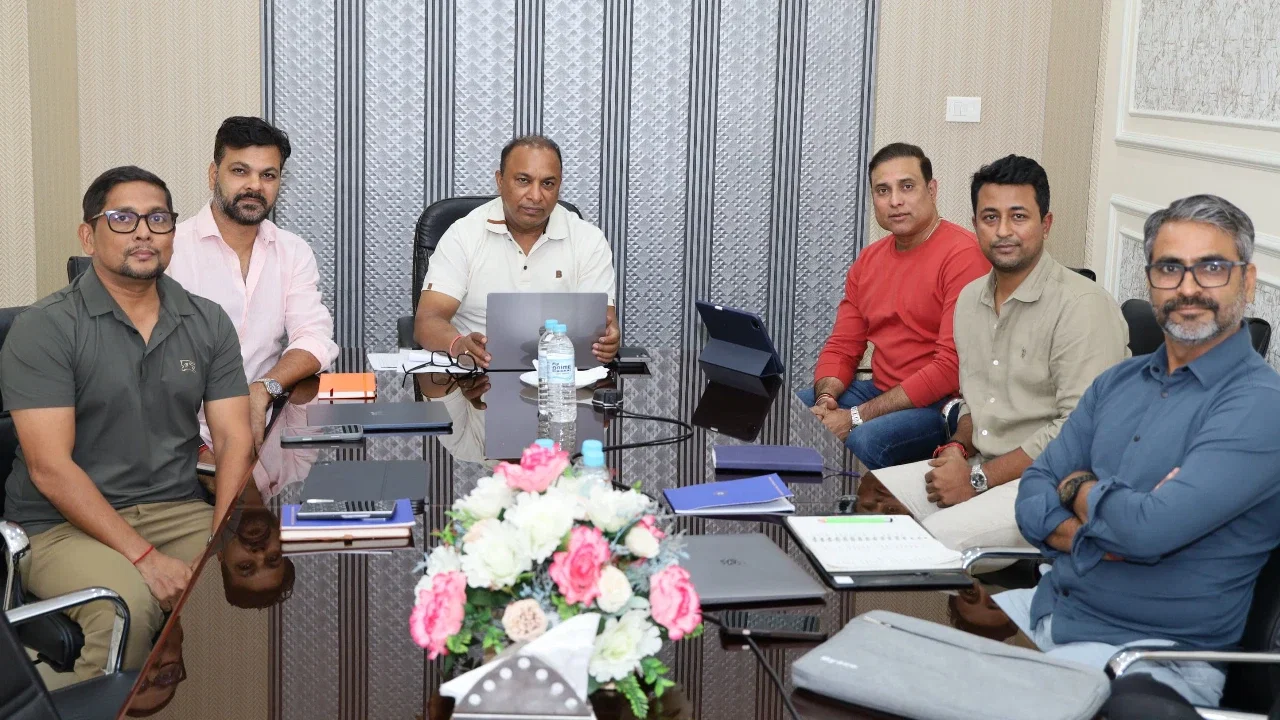
In this context, the role of the new full-time Head of Sports Science and Medicine at the CoE is expected to be pivotal. Currently overseen by Dhananjay Kaushik under the supervision of VVS Laxman, this position aims to implement predictive injury models, optimize training loads, and develop personalized fitness regimes that could extend players’ careers and improve overall squad durability.
Expert Opinions: The Future of Indian Fast Bowling and Team Rebuilding
Former Indian cricketer Wasim Jaffer has voiced his concerns regarding the selection and utilization of fast bowlers, particularly Mohammed Shami and Mohammed Siraj. He advocates for their regular inclusion, especially with the ICC ODI World Cup 2027 on the horizon, emphasizing the importance of building a core of reliable fast-bowling options.
Jaffer’s prediction underscores the necessity for strategic planning—balancing injury prevention with skill development—to ensure India’s bowling attack remains formidable. He advocates for a rebuild centered around experienced pacers like Shami and Bumrah, envisioning a future where these players form the backbone of India’s fast-bowling arsenal across formats.
The Path Forward: Enhancing Player Longevity and Performance
India’s cricketing future hinges on a delicate balance—maximizing the potential of its talented players while minimizing injury-related disruptions. The BCCI’s increased budget and emphasis on sports science showcase a proactive approach, aligning with global best practices in athlete management.
Prediction models integrating data analytics, biomechanical assessments, and workload monitoring are expected to be increasingly adopted, enabling coaches and medical teams to anticipate injuries before they occur. This predictive approach aims to extend players’ careers, especially in a sport demanding both high-intensity physical exertion and mental resilience.
Conclusion: A Holistic Approach to Cricketing Excellence
As Indian cricket navigates this period of heightened injury awareness, the focus on prevention, rehabilitation, and strategic team building is more vital than ever. The ongoing investments in the Centre of Excellence, combined with innovative injury prediction techniques and expert insights, are shaping a future where Indian cricket aims to be not only competitive but also sustainable.
By prioritizing player health and leveraging predictive insights, the BCCI is setting a benchmark for how modern sports organizations can adapt to the challenges of high-performance cricket. As the countdown to the 2027 World Cup begins, all eyes will be on whether these measures translate into a resilient, injury-free Indian squad capable of conquering international cricket’s biggest stage.
Latest News
Aaryavir Sehwag and Anvay Dravid set to make headlines at U19 Asia Cup 2026
Longest ducks in Test cricket history ft. Nic Maddinson, Shoaib Akhtar
ECB to offer 39 central contracts to England players after Ben Stokes, Mark Wood’s retirement
Steve Smith surpasses Steve Waugh in all-time Test run-scorers’ list
Shane Watson identifies Gautam Gambhir’s biggest problem as India struggle for consistency
Is Bhuvneshwar Kumar in India’s 2027 World Cup plans? Ajinkya Rahane makes revelation
BCCI’s big ₹127 Crore move after injury crisis raises concerns over Team India
Parthiv Patel reveals RCB ignored his Jasprit Bumrah recommendation in IPL 2014 Auction
“Never spoke ill of any faith”: Irfan Pathan hits back at fake news using his name
Nic Maddinson bags 33-ball duck on Test comeback, disappoints George Bailey
Imran Tahir predicts 2027 ICC ODI World Cup Semi-Finalists, snubs India for title
Australia create unwanted history with first all-30-plus Test XI
Ravindra Jadeja returns to Ranji Trophy as Saurashtra announce squad
Sitanshu Kotak breaks silence on Mohammed Shami’s India comeback