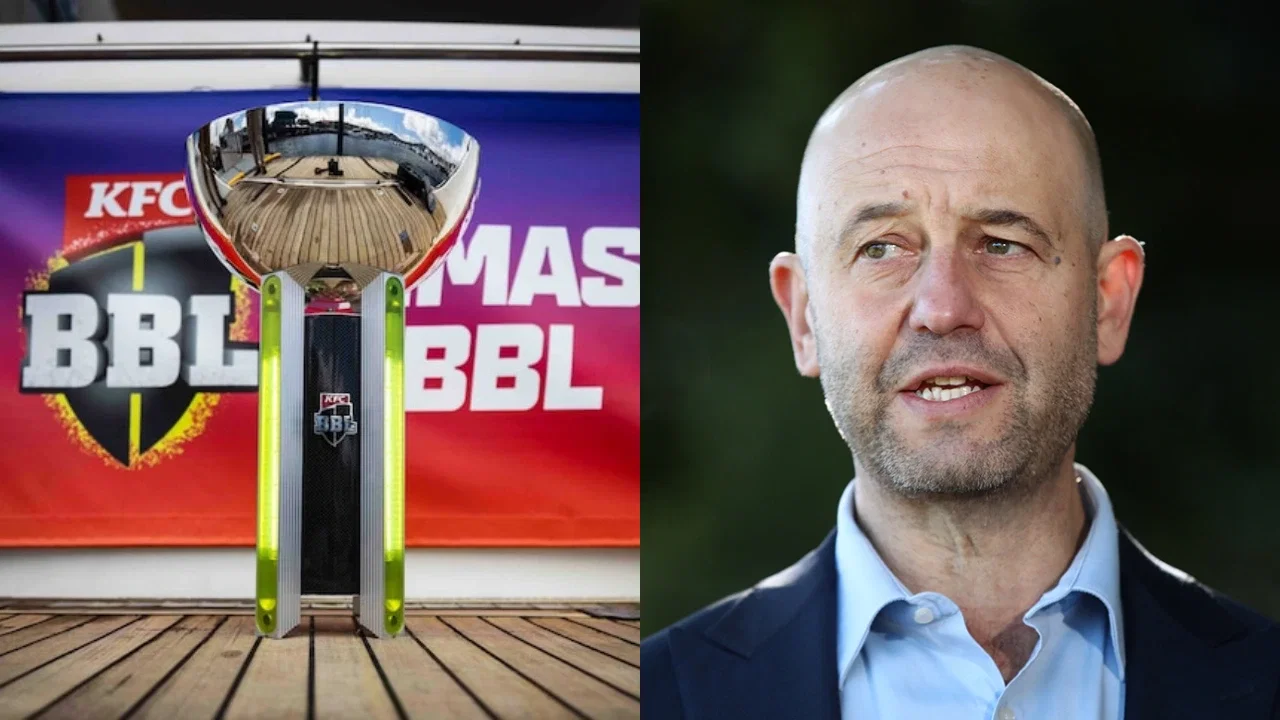
BBL set for shake-up as Cricket Australia approves partial privatisation
Australia’s Cricket Landscape Poised for Major Transformation: The Prediction of BBL Partial Privatisation
Australian cricket is on the brink of a historic transformation, with significant changes expected to reshape the domestic cricket scene and influence the sport’s financial future. The anticipated move towards partial privatisation of the Big Bash League (BBL) signals a new era for Australian cricket, promising to bring in fresh investment, innovative business models, and enhanced global competitiveness. This prediction has generated widespread interest among fans, industry insiders, and international stakeholders alike, as the sport prepares to embrace a model that has proven successful globally but remains relatively novel in Australia.
The Crux of the Move: Cricket Australia’s Bold Decision
At a decisive Cricket Australia (CA) board meeting last week, executives agreed to open the door for private investment in the BBL, one of the most popular T20 leagues globally. The key aspect of this plan involves allowing state cricket associations to sell up to 49% stakes in their respective franchises. This partial privatisation aims to inject much-needed capital into the league, improve operational efficiencies, and boost the league’s overall profile on the international stage.
The formal announcement, expected to be made early next week, is anticipated to include insights from prominent cricket stars and industry leaders, emphasizing the strategic importance of this move. The policy is designed to balance public ownership with private sector involvement, ensuring that the core values of Australian cricket are maintained while unlocking new growth opportunities.
Support and Opposition: A Divided Landscape
The decision has garnered mixed reactions across the cricketing landscape. Support has been expressed by cricketing states such as Tasmania, Victoria, and Western Australia, which see the potential for increased funding and development opportunities. South Australia has also shown openness, recognizing the potential benefits of private partnerships.
Conversely, Australia’s most influential cricket states—New South Wales and Queensland—have voiced reservations. NSW, in particular, fears that private investment might provide only a short-term financial boost without addressing deeper structural issues within Australian cricket. Critics argue that without comprehensive reforms, privatisation could risk undermining the integrity and long-term sustainability of the sport in the country.
The Strategic Prediction: A Future of Private Ownership
Analysts and industry insiders predict that this move toward privatisation could fundamentally alter the business model of the BBL and, by extension, Australian domestic cricket. The prediction is that private ownership will bring increased investment, innovation in marketing and broadcast rights, and a more globalized approach to league management.
Moreover, the infusion of private capital is expected to enhance the league’s competitiveness against other major T20 leagues worldwide, such as the Indian Premier League (IPL), the Caribbean Premier League (CPL), and the Pakistan Super League (PSL). This could lead to a more lucrative and globally recognized cricket ecosystem in Australia, attracting top international players and investors.
The Role of International Investors and Market Opportunities
Interestingly, the prediction extends beyond domestic opportunities. Cricket Australia is already actively approaching potential investors from India, the UK, and other cricket-loving nations. The focus is on attracting strategic partners who can contribute not just capital but also expertise in marketing, broadcasting, and league operations.
Sources suggest that negotiations are progressing rapidly, with some deals potentially being finalized before the commencement of the BBL 2026-27 season. Investor visits to Australia during the upcoming summer are expected, providing a chance for prospective buyers to witness the league firsthand and assess its commercial potential.
Early Moves and Strategic Actions
The process gained momentum earlier this year when Cricket Victoria made a pioneering move by initiating the sale of the Melbourne Renegades franchise while retaining control of the Melbourne Stars. This strategic step exemplifies how individual states are exploring private ownership models, setting the stage for broader national adoption.
Additionally, senior cricket executives from states like South Australia, Queensland, and Western Australia have traveled to cricket hubs in India and the UK to meet potential investors. These efforts underscore the seriousness of the privatisation prediction, signaling a shift toward a more commercially driven, investor-friendly environment within Australian cricket.
The Impact on the Business Structure and Long-term Outlook
The prediction of privatisation aligns with global trends where sports leagues are increasingly embracing private investment to foster growth and enhance fan engagement. For Australian cricket, this could mean a dramatic overhaul of the league’s operational and financial framework, making it more aligned with successful international models.
Cricket Australia’s Chief Executive Todd Greenberg recently emphasized that bringing private capital into cricket is an inevitable evolution, drawing parallels with other international sports markets. In an interview on the ABC Cricket Podcast, Greenberg stated, “This might feel new in our country, bringing private capital into sports, but it’s certainly not new globally. The concept of bringing private capital to cricket is inevitable at some point.”
He further elaborated that the timing and execution of this strategy are critical. The goal is to partner with investors who bring not only financial resources but also strategic value, ensuring the league’s long-term sustainability and growth.
The Role of Players and Stakeholders in the Transition
The Australian Cricketers’ Association (ACA) has expressed cautious support for privatisation, emphasizing the importance of safeguarding the sport’s future for players and fans alike. Discussions are ongoing regarding revenue-sharing arrangements, player contracts, and how to ensure that the benefits of private investment are equitably distributed.
This collaborative approach aims to create a balanced model where players, clubs, and investors all benefit, ultimately fostering a more sustainable and competitive cricket ecosystem. The prediction is that a transparent and mutually beneficial deal structure will be key to gaining wider support for privatisation in the coming months.
Global Context and the Future of Australian Cricket
As the world’s cricketing landscape evolves, the prediction of private investment in the BBL is seen as a strategic move to keep Australian cricket at the forefront of the sport’s commercial and competitive development. The influx of private capital could lead to better infrastructure, innovative fan engagement strategies, and increased broadcasting rights revenue.
Moreover, the move aligns with Australia’s broader vision of becoming a global cricket hub—hosting world-class tournaments, attracting international players, and fostering a vibrant domestic scene that appeals to diverse audiences.
Final Thoughts: A Prediction for a Bright Future
While some stakeholders remain cautious, the general consensus among industry insiders is that the prediction of partial privatisation in Australian cricket’s premier T20 league is both inevitable and transformative. This strategic shift promises to unlock new levels of investment, innovation, and global competitiveness, ensuring that Australian cricket remains a powerhouse on the world stage for decades to come.
As the process unfolds, fans and stakeholders alike will be watching closely, eager to see how this bold prediction materializes into a new chapter for Australian cricket—one that combines tradition with modernity, public spirit with private enterprise, and local talent with global ambition.
Latest News
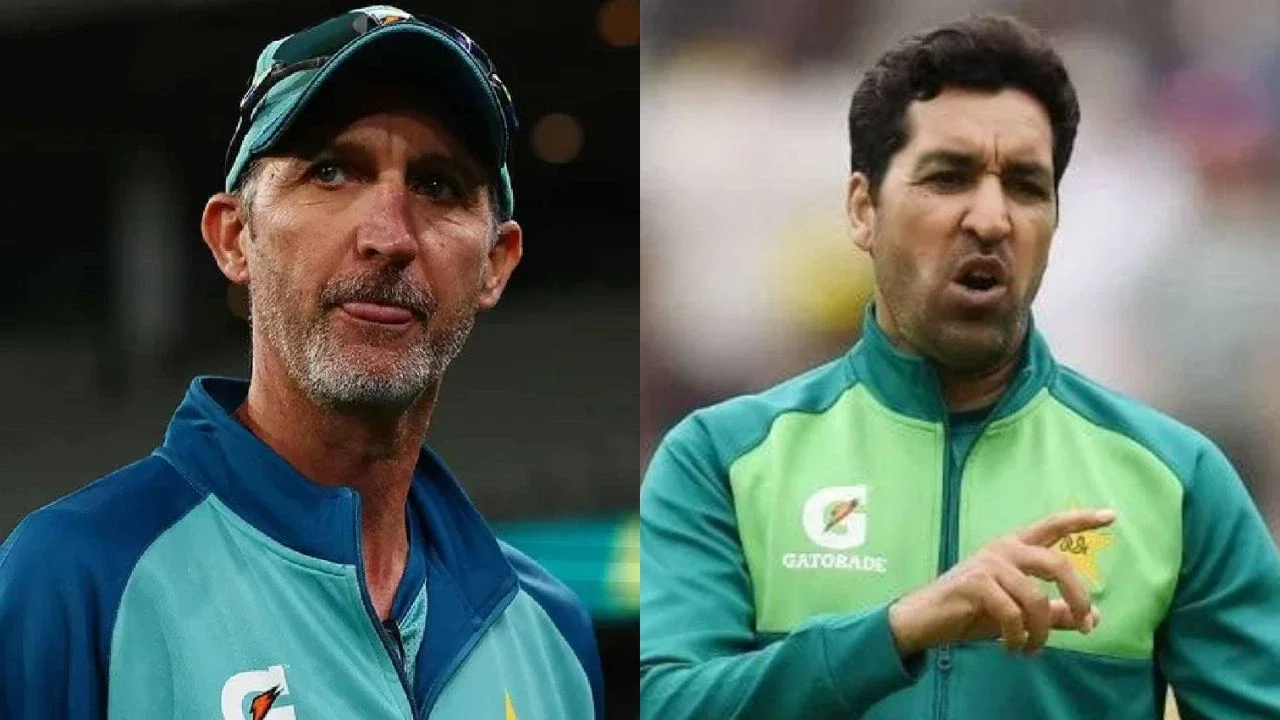
“How ridiculous”: Jason Gillespie questions Umar Gul’s cold-weather excuse
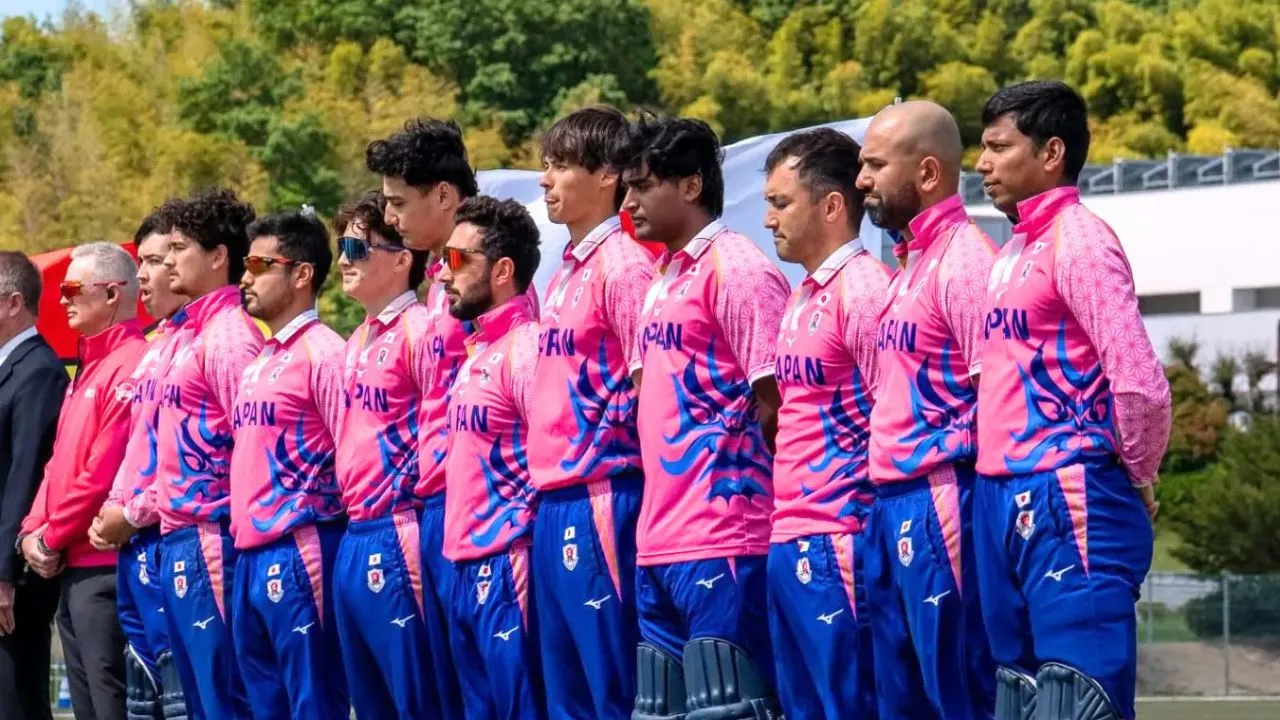
Japan squad for historic T20I against India officially announced; Kendel Kadowaki-Fleming to lead

Sanjiv Goenka’s Super Giants set to buy BBL team
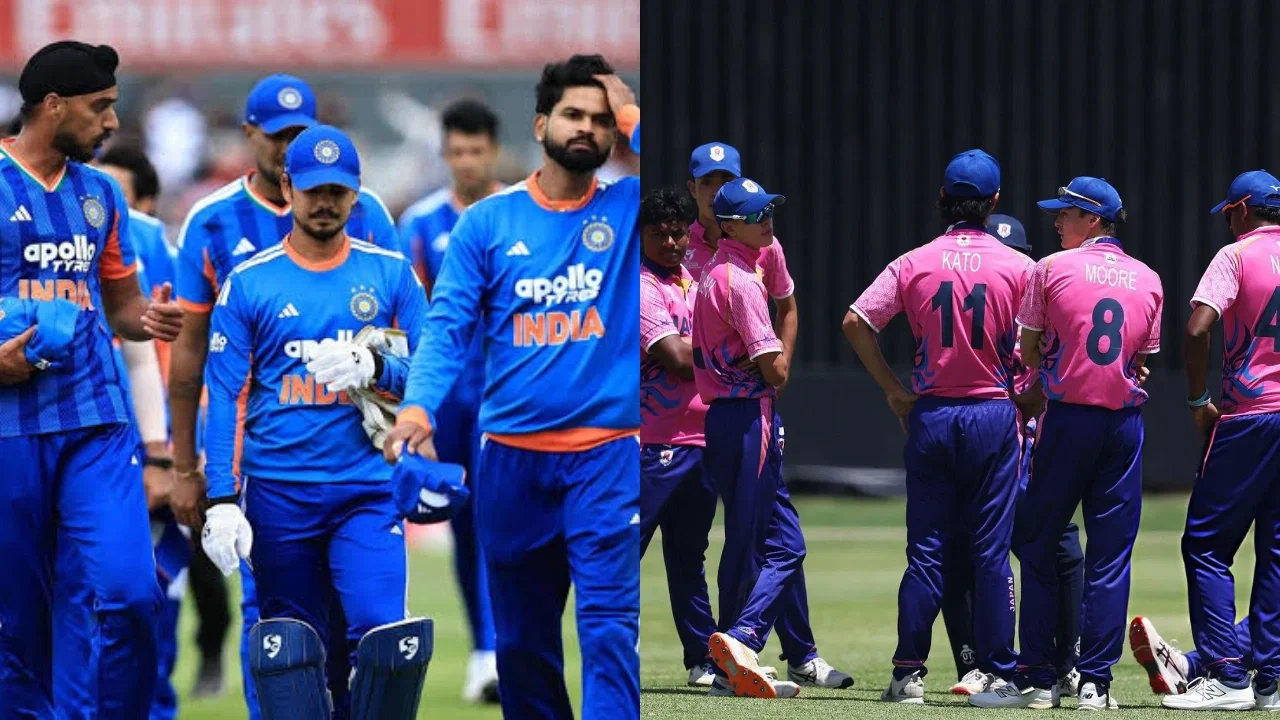
FanCode, Star Sports bag India vs Japan streaming and TV rights

Ashish Nehra explains why replacing Gautam Gambhir could affect his marriage
CSA recalls South African players from County Championship ahead of Australia series

Vaibhav Sooryavanshi forces Ishan Kishan to take DRS in Duleep Trophy 2026 Final
Afghanistan to host Bangladesh, Zimbabwe in UAE for all-format series: Full Schedule
Karun Nair leaves South Zone after snub, scores century and reacts cheekily

How Kevin Pietersen landed England mentor job: Full details
BCCI makes changes to India U19 squad for Australia series after Rohit Yadav age-fudging row
Jonathan Trott set to take charge of England Lions as interim head coach
“We have unfinished business”: Parth Jindal shuts down KL Rahul-KKR trade rumours
Abhishek Sharma has the last laugh against Shubman Gill in thrilling Sher-E-Punjab T20 clash