Azhar Ali questions Aaqib Javed’s decisions, demands accountability after Pakistan’s Test woes
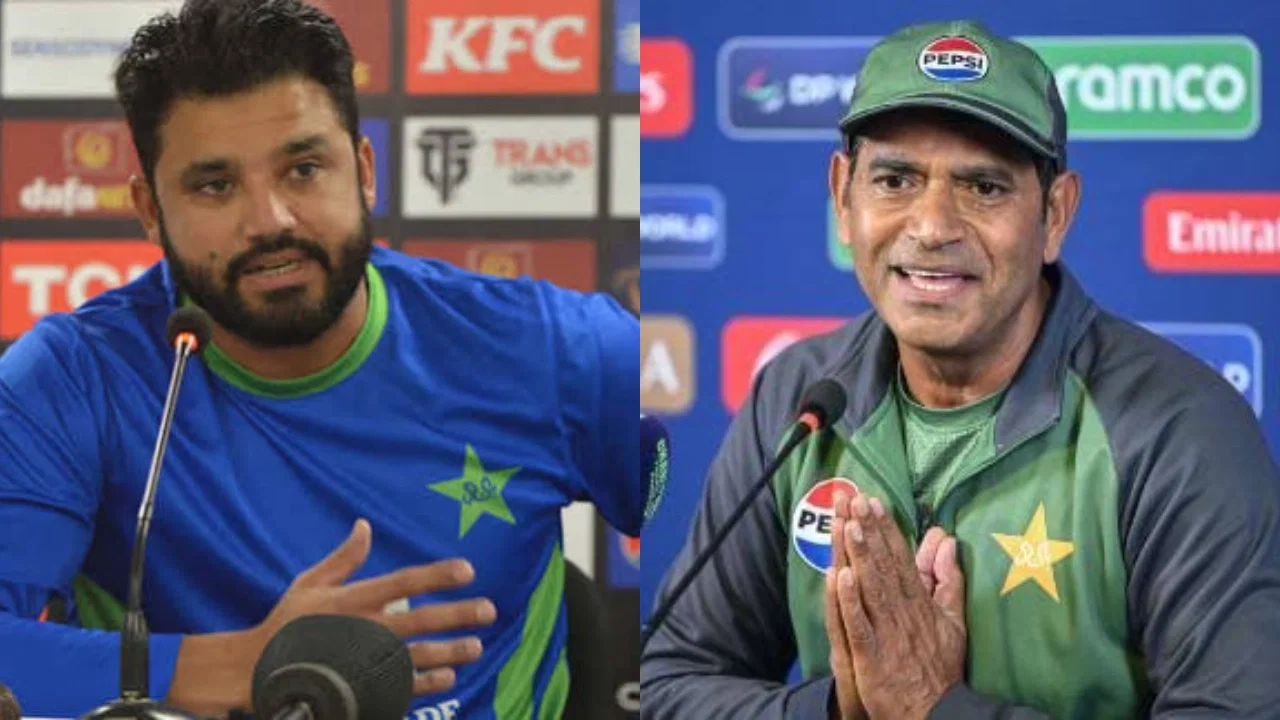
Pakistan Cricket’s Downward Spiral: Azhar Ali’s Candid Prediction and Calls for Leadership Reforms
Pakistan cricket, once celebrated for its unpredictability and resilience on the international stage, now finds itself at a crossroads amid a series of disappointing results and internal turmoil. Veteran former captain Azhar Ali has expressed deep concern over the team’s declining performance, offering a pointed prediction about the future and calling for critical leadership changes within the Pakistan Cricket Board (PCB). This candid assessment sheds light on the challenges facing Pakistan cricket, the controversial decisions made in recent years, and the urgent need for strategic reforms to restore the nation’s cricketing pride.
Recent Turmoil and a Shocking Overhaul of the Test Squad
As Pakistan’s Test team continues to stumble in international cricket, the PCB responded by executing a dramatic overhaul of its squad, sacking seven players along with the head coach and assistant coach, despite having one more match remaining in the ongoing three-match Test series against England. This unprecedented move highlights the severity of the team’s decline and the lack of stability within the cricketing hierarchy.
Historically, Pakistan was renowned for its unpredictable yet fiercely competitive cricket teams—capable of miraculous wins and spirited performances under pressure. However, recent results across all formats have painted a bleak picture, indicating that the team has reached its lowest ebb. This alarming slide has prompted veteran players like Azhar Ali to voice their concerns publicly, emphasizing the urgent need for introspection and restructuring.
Azhar Ali’s Sharp Criticism of PCB’s High Performance Management
In a candid interview, Azhar Ali took a sharp dig at Aaqib Javed, the PCB’s High Performance Director, questioning the decisions that have contributed to Pakistan’s deteriorating cricketing standards. Ali pointed out that over the past three years, the PCB has resorted to frequent chopping and changing within the squad and management, often without clear strategic direction.
“For three years, we’ve been witnessing constant chopping and changing in the team and management,” Azhar Ali stated. “Most of the major decisions regarding team selection and strategy have been influenced by Aaqib Javed, who also shares a close bond with PCB Chairman Mohsin Naqvi. Yet, despite the upheavals, the team’s performances have not improved.”
Ali further criticized Javed’s decision-making process, emphasizing that many of the calls made by the High Performance Director have backfired, contributing to the team’s instability. The former captain expressed frustration that Javed, who often escapes accountability, has been shielded from scrutiny while the players and coaches face the brunt of the blame.
Blame Game and Leadership Accountability
Adding to the controversy, Aaqib Javed recently blamed the underperformance on the head coach Sarfaraz Ahmed—who was sacked after heavy defeats against England—and on Babar Azam, the team’s captain. Azhar Ali highlighted the irony of these accusations, pointing out that decisions to retain Babar Azam as captain were made only a few months prior, supposedly after considering Javed’s advice.
“It’s a clear case of shifting blame,” Ali remarked. “Javed himself appointed Sarfaraz Ahmed and Babar Azam as captain. Now, after a few losses, he’s questioning their leadership. This kind of inconsistency undermines the team’s morale and hampers progress.”
Ali’s critique underscores a broader issue of accountability within the PCB’s management. If decisions are made without a clear long-term vision, they risk undermining the confidence of players and fans alike.
Call for Aaqib Javed’s Resignation
Azhar Ali’s most direct challenge was for Aaqib Javed to step down from his position if he feels unable to control or positively influence the team’s performance. Drawing from his extensive experience, Ali pointed out that Javed’s decisions have consistently backfired, suggesting a lack of strategic insight.
“Every decision he makes seems to backfire,” Ali asserted. “If he cannot control the team or bring about meaningful change, then it’s best for him to resign and allow someone else to lead Pakistan cricket forward.”
This bold statement reflects growing frustration within the cricketing community and signals a call for leadership accountability at the highest levels of the PCB.
The Crisis of Confidence in Babar Azam’s Captaincy
Azhar Ali also addressed the ongoing struggles faced by Babar Azam, Pakistan’s talismanic batsman and captain. Despite his undeniable talent, Babar’s leadership has come under scrutiny amid inconsistent performances and mounting criticism from fans and experts alike.
“Babar was appointed captain at the worst possible time,” Ali explained. “While he may be going through a rough patch, the team and the board must rally around him instead of criticizing him publicly. Leadership is about support and motivation, especially during tough times.”
Ali emphasized that the PCB has a responsibility to bolster Babar’s confidence, particularly when the team is underperforming. A leader’s mental resilience is crucial during periods of adversity, and the absence of internal support can deepen doubts and hinder recovery.
Prediction: What Lies Ahead for Pakistan Cricket?
Drawing from the current scenario, the prediction for Pakistan cricket hinges on whether the PCB can undertake decisive reforms and foster a culture of accountability. The recent upheavals, including the sacking of key players and coaches, suggest a team in transition but also highlight systemic issues that require long-term strategies rather than quick fixes.
Expert analysts believe that unless the PCB addresses the root causes—such as inconsistent leadership, lack of strategic planning, and internal politics—the team’s decline may continue. The upcoming cricket seasons will be a litmus test for whether the board can stabilize the ship and nurture a new generation of players capable of restoring Pakistan’s cricketing glory.
Additional Insights and the Road Forward
Beyond the immediate challenges, several cricketing enthusiasts and former players argue that Pakistan needs a comprehensive overhaul involving youth development, coaching reforms, and mental conditioning programs. The focus should shift from reactive decision-making to strategic planning that emphasizes talent nurturing and consistent team building.
Moreover, the importance of fostering a positive environment where players feel supported rather than scapegoated cannot be overstated. Leadership at the PCB must prioritize open communication, clear vision, and accountability to rebuild trust and confidence within the team and among fans.
In conclusion, Azhar Ali’s candid prediction and outspoken criticism serve as a wake-up call for the Pakistani cricketing fraternity. The path to revival is fraught with challenges, but with strategic leadership and unified efforts, Pakistan can once again become a formidable force in international cricket. The coming months will reveal whether the PCB’s leadership recognizes these lessons and takes bold steps to steer the team towards stability and success.
Keywords: prediction, Pakistan cricket, leadership reforms, team performance, Azhar Ali, PCB, Babar Azam, cricket analysis, cricket future
Latest News
Cricket Australia begins BBL privatisation process with Melbourne Renegades license sale
“How ridiculous”: Jason Gillespie questions Umar Gul’s cold-weather excuse
Japan squad for historic T20I against India officially announced; Kendel Kadowaki-Fleming to lead
Sanjiv Goenka’s Super Giants set to buy BBL team
FanCode, Star Sports bag India vs Japan streaming and TV rights
Ashish Nehra explains why replacing Gautam Gambhir could affect his marriage
CSA recalls South African players from County Championship ahead of Australia series

Vaibhav Sooryavanshi forces Ishan Kishan to take DRS in Duleep Trophy 2026 Final
Afghanistan to host Bangladesh, Zimbabwe in UAE for all-format series: Full Schedule
Karun Nair leaves South Zone after snub, scores century and reacts cheekily

How Kevin Pietersen landed England mentor job: Full details
BCCI makes changes to India U19 squad for Australia series after Rohit Yadav age-fudging row
Jonathan Trott set to take charge of England Lions as interim head coach
“We have unfinished business”: Parth Jindal shuts down KL Rahul-KKR trade rumours