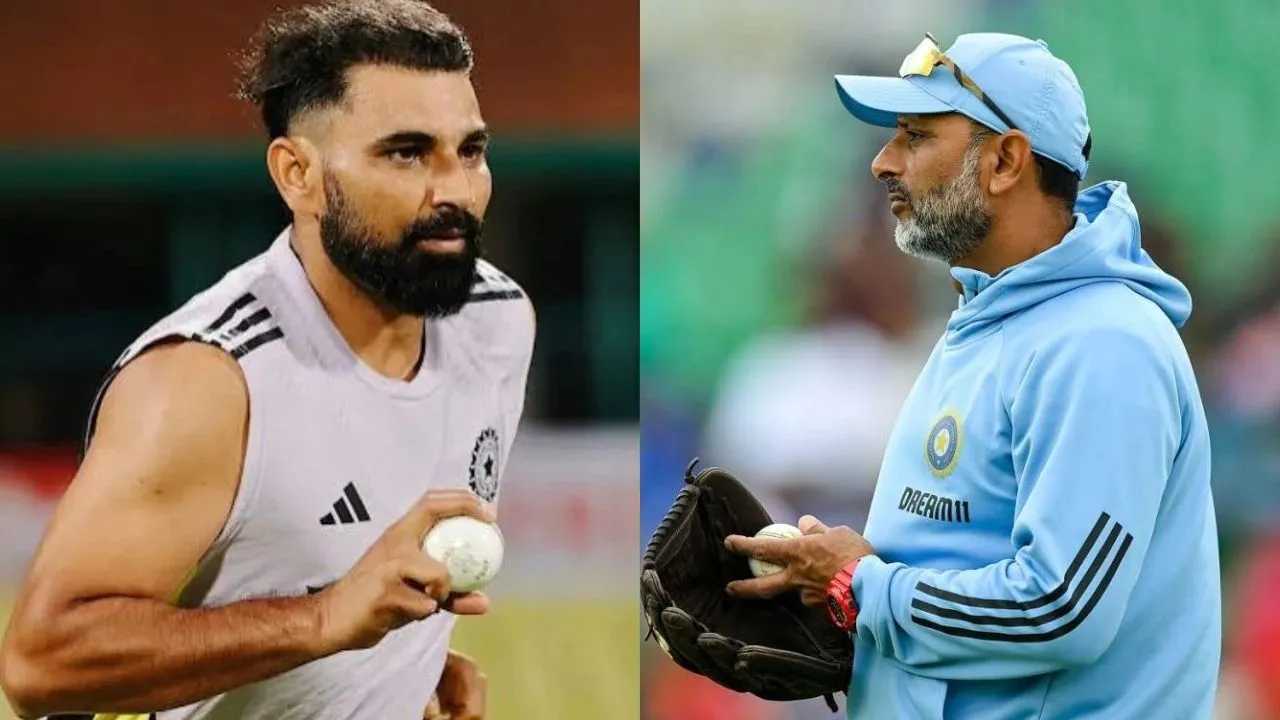
Ben Stokes mocks Gautam Gambhir’s injury substitute idea in Tests, says ‘it is absolutely ridiculous’

Gautam Gambhir Advocates for Injury Replacements in Test Cricket
After the recent Manchester Test between India and England ended in a draw, discussions around allowing injury replacements in Test cricket have sparked a debate between India National Cricket Team head coach, Gautam Gambhir, and England captain, Ben Stokes.
Gautam Gambhir’s Call for Fairness
Gautam Gambhir’s suggestion for injury replacements in Test matches stems from the incident where Indian wicketkeeper-batter Rishabh Pant sustained a fractured foot during the fourth Test in Manchester. Despite the injury, Pant displayed tremendous courage by returning to bat and scoring a heroic fifty against England.
Post the match, Gambhir commended Pant’s determination but also highlighted the challenges faced by teams when playing with fewer fit players. He emphasized the importance of fairness and balance in tightly contested series like the ongoing Anderson-Tendulkar Trophy, where every player’s contribution is significant.
During a press conference, Gambhir expressed his support for allowing injury replacements, stating, “If the umpires and the match referee see and feel that it is a major injury, I think it’s very important. It’s very important to have this rule where you can get a substitute—that is, if it’s very visible.”
Ben Stokes’ Disagreement with the Idea
On the other hand, Ben Stokes vehemently opposed the notion of introducing injury replacements in Test cricket. The England captain raised concerns about teams potentially exploiting the rule for their advantage. Stokes argued that injuries are inherent in the game, and while provisions like concussion and Covid-19 replacements prioritize player safety, allowing injury substitutes could lead to unfair tactics.
Stokes firmly stated, “I think it’s absolutely ridiculous that there’s a conversation around an injury replacement. I think that there would just be too many loopholes for teams to be able to go through.”
Current Rules and Controversy
Currently, according to ICC regulations, teams can only replace a player in case of a concussion or a Covid-19 case in Test matches. There is no provision for regular injury replacements, leading to the ongoing debate between Gambhir and Stokes regarding the necessity and implications of such a rule change.
While Gambhir argues for the fairness and practicality of having injury replacements to ensure teams can compete with a full squad, Stokes raises valid concerns about the potential misuse and loopholes that could arise if such a rule were to be implemented.
Conclusion
The debate between Gautam Gambhir and Ben Stokes regarding injury replacements in Test cricket highlights the complexities and differing perspectives within the cricketing fraternity. As the conversation continues, it remains to be seen if any changes will be made to the existing regulations to address the issue of player injuries during matches.
Importance of Player Welfare
One aspect that needs to be considered in the discussion around injury replacements in Test cricket is the welfare of the players. In a grueling format like Test matches, where games can last up to five days, players often push their bodies to the limit. Allowing injury replacements could potentially prevent long-term injuries or exacerbating existing ones by forcing players to continue participating despite being unfit.
Player safety should always be a top priority, and having provisions for injury replacements could ensure that individuals are not risking their health by playing through injuries. By giving teams the option to replace an injured player, it can also prevent situations where a team is left short-handed due to unforeseen injuries during a crucial match.
Effect on Game Dynamics
Another angle to consider is how the introduction of injury replacements could impact the dynamics of a Test match. While Stokes raises concerns about the potential for teams to exploit the rule, there are ways to mitigate this risk. Implementing strict guidelines and criteria for determining the severity of an injury that warrants a replacement can help maintain the integrity of the game.
Moreover, injury replacements could add an element of strategy for teams, as they would have to decide whether to bring in a like-for-like replacement or opt for a different skill set based on the match situation. This tactical aspect could make Test cricket even more intriguing for players and fans alike, adding a new layer of complexity to the sport.
Evolution of the Game
As cricket continues to evolve, it is essential to adapt to the changing needs and demands of the players. The introduction of concussion substitutes in Test matches was a step in the right direction towards prioritizing player safety, and expanding this provision to include injury replacements could be the next logical progression.
By embracing changes that enhance the overall experience for players and fans, cricket can stay relevant and competitive in the global sporting landscape. While traditionalists may argue against altering long-standing rules, it is crucial to strike a balance between preserving the essence of the game and embracing innovations that ensure its sustainability and growth.
Looking Ahead
As the debate on injury replacements in Test cricket continues, it is evident that there are valid arguments on both sides of the spectrum. Finding a middle ground that addresses concerns about fair play and player welfare while minimizing the potential for exploitation will be key in shaping any future rule changes.
Ultimately, the decision to allow injury replacements in Test cricket will have far-reaching implications for the sport. It is essential for stakeholders to engage in constructive dialogue and consider all perspectives to arrive at a solution that benefits the game as a whole. Only time will tell whether this proposed change will come to fruition, but the conversation itself sheds light on the evolving nature of cricket and the importance of adapting to meet the needs of modern-day players and fans.
Latest News
Top 10 highest run-chases in T20 cricket history, ft. West Indies’ Ranchi win vs India
Aaryavir Sehwag and Anvay Dravid set to make headlines at U19 Asia Cup 2026
Longest ducks in Test cricket history ft. Nic Maddinson, Shoaib Akhtar
ECB to offer 39 central contracts to England players after Ben Stokes, Mark Wood’s retirement
Steve Smith surpasses Steve Waugh in all-time Test run-scorers’ list
Shane Watson identifies Gautam Gambhir’s biggest problem as India struggle for consistency
Is Bhuvneshwar Kumar in India’s 2027 World Cup plans? Ajinkya Rahane makes revelation
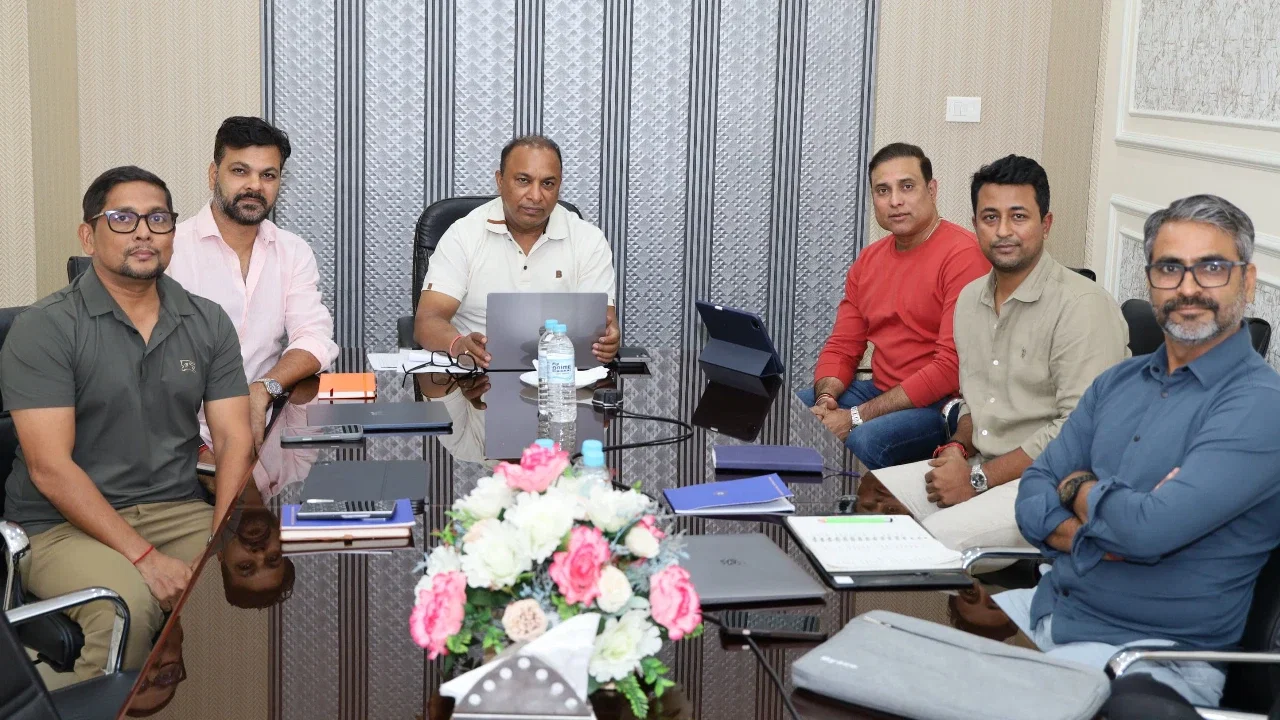
BCCI’s big ₹127 Crore move after injury crisis raises concerns over Team India

Parthiv Patel reveals RCB ignored his Jasprit Bumrah recommendation in IPL 2014 Auction
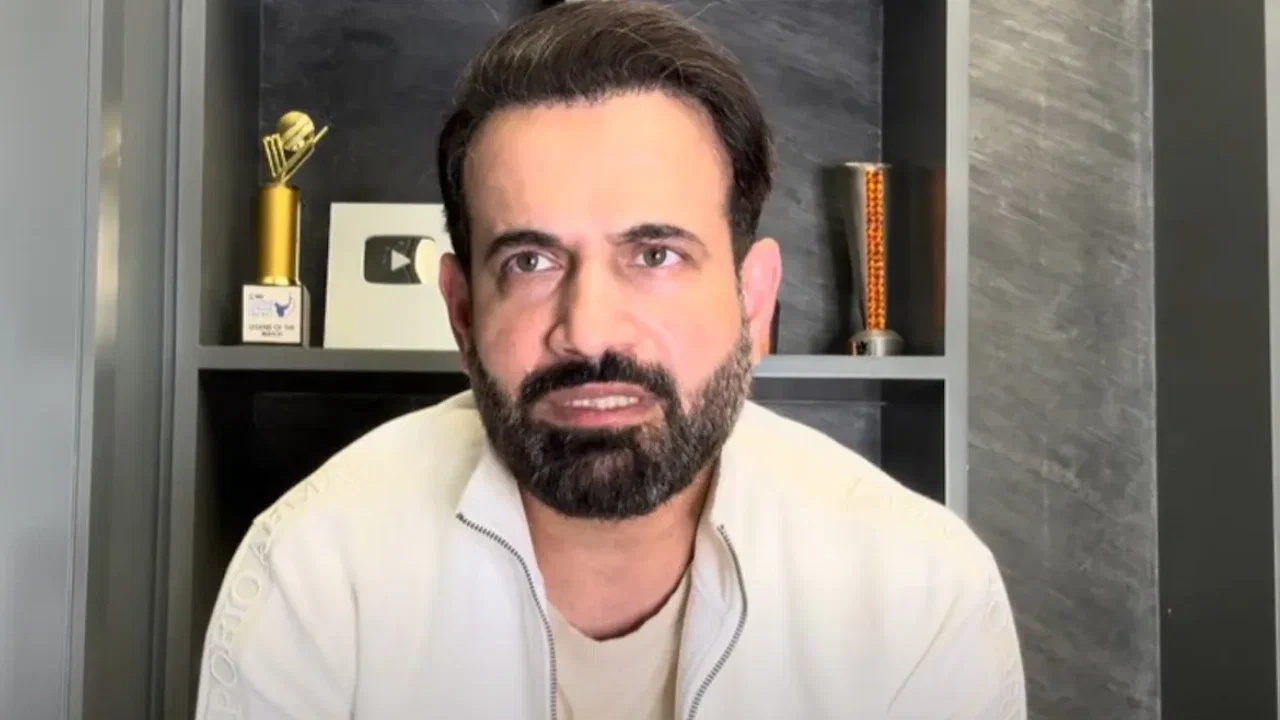
“Never spoke ill of any faith”: Irfan Pathan hits back at fake news using his name
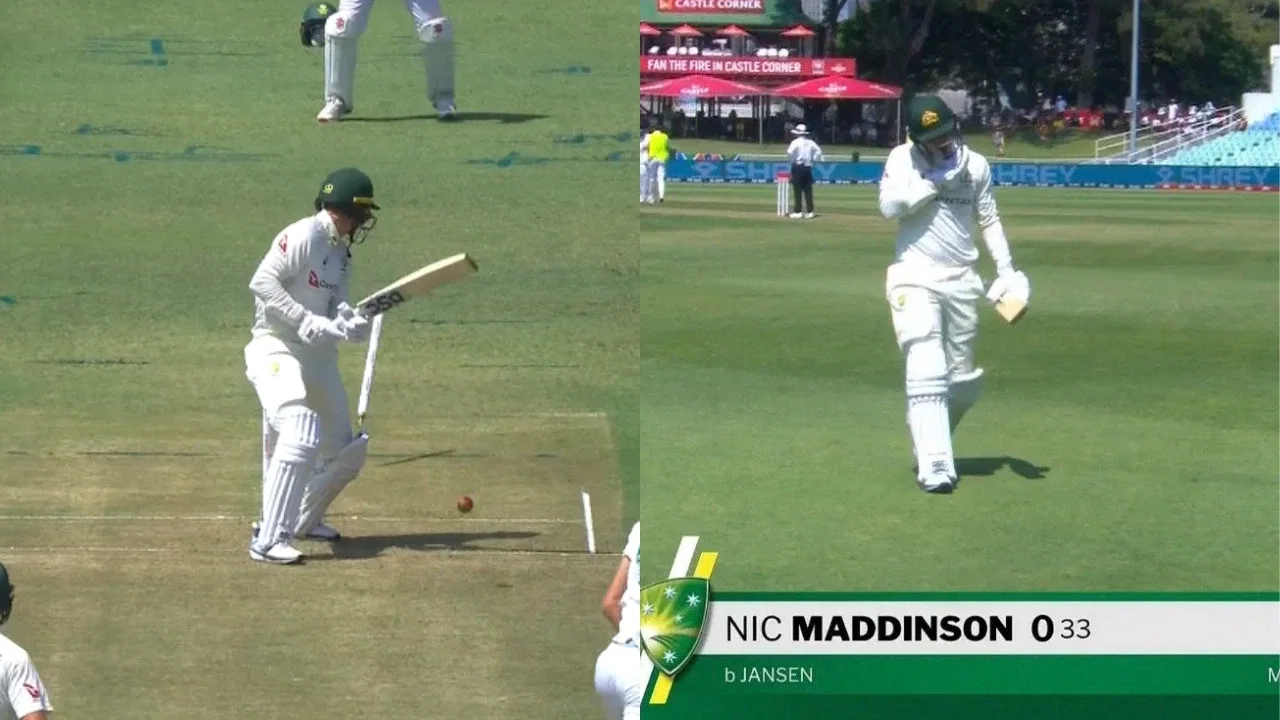
Nic Maddinson bags 33-ball duck on Test comeback, disappoints George Bailey
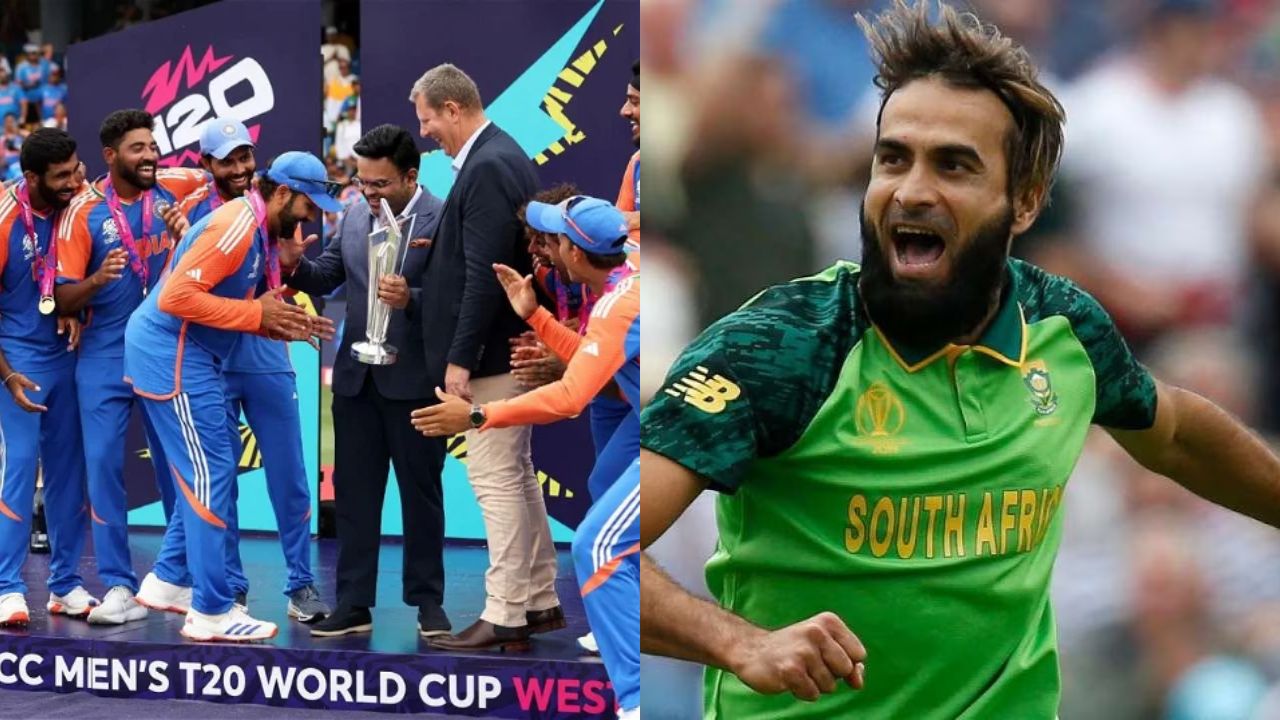
Imran Tahir predicts 2027 ICC ODI World Cup Semi-Finalists, snubs India for title
Australia create unwanted history with first all-30-plus Test XI
Ravindra Jadeja returns to Ranji Trophy as Saurashtra announce squad