Ben Stokes ripped apart by Michael Vaughan after Day 1 of Leeds Test
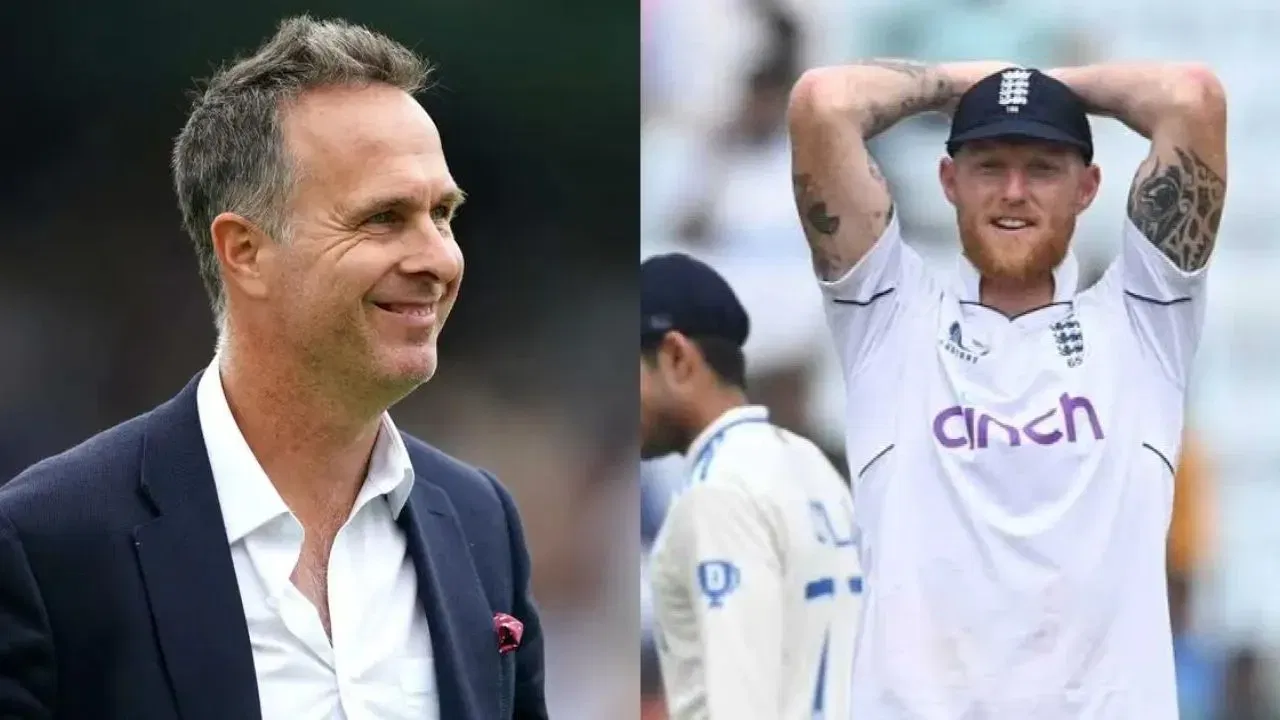
Former England Captain Criticizes Ben Stokes’ Decision to Bowl First
On the opening day of the first Test between England and India at Headingley, former England captain Michael Vaughan expressed his disappointment at current England captain Ben Stokes’ decision to bowl first after winning the toss. Vaughan described himself as “staggered” by the choice, citing the dry pitch conditions and ideal weather for batting as reasons why England should have opted to bat first.
Vaughan’s Criticism
According to Vaughan, Stokes ignored the present conditions and relied too heavily on past statistics. He emphasized the importance of making decisions based on the current situation rather than historical data. Vaughan believed that with the sun shining and the pitch being dry, the logical decision should have been to bat first. He mentioned, “Traditions have gone out the window.”
“I’m a bit of an old-school traditionalist here at Leeds that, when the sun shines, it’s quite an easy decision, particularly with the build-up to the Test match and it being so dry and so nice,” Vaughan said. “I was staggered… when I heard he was going to bowl first.”
Support for Ben Stokes
On the other hand, bowling consultant Tim Southee supported Ben Stokes’ decision, mentioning that there was a bit of moisture on the pitch, influencing the choice to bowl first. Southee acknowledged the outstanding performances of Indian batsmen Yashasvi Jaiswal and Rishabh Pant, who played pivotal roles in India’s strong start to the Test match.
“It was a tough day but we will get our opportunity to bat soon. We will come back tomorrow and try to make some inroads,” Southee said.
India’s Strong Performance
Despite England posing an early threat with the new ball, India fought back strongly. Yashasvi Jaiswal and KL Rahul put together a solid partnership, with Jaiswal eventually scoring a century. Shubman Gill, leading India for the first time, also played a crucial innings, forming a substantial partnership with Jaiswal. Rishabh Pant’s unbeaten 65 further strengthened India’s position as they ended the day at 359/3.
England managed to take only three wickets on Day 1, with two wickets falling to Stokes and one to Brydon Carse. However, most of the success came from Indian mistakes rather than effective English bowling, allowing India to take a commanding position in the Test match.
In conclusion, the decision to bowl first by Ben Stokes faced criticism from former England captain Michael Vaughan, while bowling consultant Tim Southee defended the choice. The opening day of the Test match saw India dominating proceedings, putting themselves in a strong position moving forward in the series.
Factors Influencing Decision Making in Test Matches
It is essential to understand the various factors that come into play when making decisions in Test matches, particularly regarding the crucial choice of whether to bat or bowl first after winning the toss. Captains and team management need to consider a multitude of variables that can impact the outcome of the game.
One key consideration is the weather conditions, as highlighted by Michael Vaughan’s criticism of Ben Stokes’ decision. The weather can have a significant impact on the pitch conditions, affecting how the ball behaves and the overall batting conditions. A dry pitch, as was the case at Headingley, can favor batsmen and make batting first a more favorable option. However, moisture on the pitch, as noted by Tim Southee, can provide assistance to the bowlers, making bowling first a strategic choice.
Another factor to take into account is the quality of the opposition and their strengths. In the case of India’s strong batting lineup, led by players like Yashasvi Jaiswal, KL Rahul, and Rishabh Pant, England needed to carefully assess their bowling resources and how they could best counter the Indian batsmen. This assessment is crucial in determining the best course of action after winning the toss.
Adapting to Changing Conditions
Flexibility and adaptability are key traits for captains and teams in Test cricket. While past statistics and traditions can provide valuable insights, ultimately, decisions must be made based on the current conditions and the specific circumstances of the match. The ability to read the situation on the day and make informed decisions in real-time is a hallmark of successful leadership in cricket.
Ben Stokes’ decision to bowl first may have been influenced by various factors that were not immediately apparent to observers. Captains often have access to additional information, such as insights from the pitch report, team discussions, and tactical considerations, that can shape their decision-making process. While criticism is inevitable in cricket, it is essential to recognize the complexities involved in making strategic choices on the field.
Impact on Team Dynamics
The decision to bowl first can also have implications for team morale and dynamics. A bold decision that pays off can boost confidence and rally the team, while a choice that backfires may lead to doubt and second-guessing. Managing the psychological aspect of the game is as crucial as the strategic aspect, with captains needing to inspire and motivate their players through both successes and setbacks.
As the Test match between England and India unfolds, it will be interesting to see how the decision to bowl first ultimately shapes the outcome of the game. Cricket is a sport filled with unpredictability and surprises, and it is often the ability to adapt, learn from mistakes, and make calculated decisions that separates the best teams from the rest.
Regardless of the outcome of the match, the debate surrounding Ben Stokes’ decision will continue to spark discussions among fans, experts, and players alike, adding another layer of intrigue to the unfolding Test series between two formidable cricketing nations.
Latest News
Top 10 highest run-chases in T20 cricket history, ft. West Indies’ Ranchi win vs India
Aaryavir Sehwag and Anvay Dravid set to make headlines at U19 Asia Cup 2026
Longest ducks in Test cricket history ft. Nic Maddinson, Shoaib Akhtar
ECB to offer 39 central contracts to England players after Ben Stokes, Mark Wood’s retirement
Steve Smith surpasses Steve Waugh in all-time Test run-scorers’ list
Shane Watson identifies Gautam Gambhir’s biggest problem as India struggle for consistency
Is Bhuvneshwar Kumar in India’s 2027 World Cup plans? Ajinkya Rahane makes revelation
BCCI’s big ₹127 Crore move after injury crisis raises concerns over Team India
Parthiv Patel reveals RCB ignored his Jasprit Bumrah recommendation in IPL 2014 Auction
“Never spoke ill of any faith”: Irfan Pathan hits back at fake news using his name
Nic Maddinson bags 33-ball duck on Test comeback, disappoints George Bailey
Imran Tahir predicts 2027 ICC ODI World Cup Semi-Finalists, snubs India for title
Australia create unwanted history with first all-30-plus Test XI
Ravindra Jadeja returns to Ranji Trophy as Saurashtra announce squad