ECB rejects two-tier World Test Championship, Cricket Australia open to change but…
**ECB Opposes Two-Tier Test Model in Proposed ICC World Test Championship Overhaul**
The England and Wales Cricket Board (ECB) has taken a stand against the proposed idea of splitting Test cricket into two tiers as part of a major overhaul of the ICC World Test Championship (WTC). This move could potentially see top teams like India or Australia in one division, with England facing the risk of being placed in another tier. This restructuring could have significant implications for the most high-profile and financially rewarding rivalries in the sport.
**Aiming for a Stronger World Test Championship**
In an effort to enhance the structure of the World Test Championship ahead of the next cycle starting in July 2027, the International Cricket Council (ICC) recently established a working group led by former New Zealand cricketer Roger Twose. The primary focus of this group is to explore various proposals, with one of the leading ideas being the implementation of a two-tier system. This system would see stronger test-playing nations competing in one division while weaker nations would be in another tier.
**ECB’s Stance on Financial Risks**
The ECB has expressed concerns over the proposed two-tier model, particularly emphasizing the financial risks associated with it. Promotion and relegation based on performance would be key components of the new structure, which has been under consideration for over 15 years. While this model could potentially make Test cricket more competitive, ECB chairman Richard Thompson cautioned that it might devalue top bilateral series.
During the recent England-India Test at The Oval, Thompson highlighted the challenges faced by Test cricket globally, especially with a crowded calendar dominated by T20 leagues. While acknowledging discussions around the two-tier model, he stressed the importance of maintaining the financial health of cricket boards that heavily rely on prestigious Test series like the Ashes and intense clashes with India.
**Thompson’s Call for Improved WTC**
Rather than endorsing a two-tier system, Thompson suggested focusing on enhancing the existing World Test Championship. He pointed to South Africa’s recent victory over Australia in the WTC as evidence that even smaller cricketing nations can excel with adequate support. While acknowledging the issues surrounding the WTC schedule, Thompson proposed a more balanced calendar covering both Test and white-ball formats to strengthen the competition.
**Support for Smaller Test Teams**
Todd Greenberg, the CEO of Cricket Australia, echoed Thompson’s sentiments, emphasizing the importance of stronger cricketing nations supporting smaller teams to preserve the health of Test cricket. Greenberg stressed the significance of countries like Australia, England, and India assisting others in developing robust domestic systems. He emphasized the need for teams like the West Indies, Pakistan, New Zealand, and South Africa to remain competitive to uphold the excitement and balance of Test cricket worldwide.
Although Greenberg expressed openness to the idea of a two-tier Test model, he emphasized the need for it to contribute positively to the growth and resources of smaller cricketing nations. He highlighted the importance of extracting value from the game and acknowledged the need for some level of change within the format to achieve this goal.
**In Conclusion**
The debate around the proposed two-tier system for Test cricket continues to evolve, with stakeholders expressing differing views on its potential impact on the sport. As discussions progress, finding a balance between competitiveness, financial sustainability, and global development will be crucial in shaping the future of Test cricket.
Challenges and Opportunities in Restructuring the ICC World Test Championship
As the discussions surrounding the proposed two-tier system in the ICC World Test Championship continue to unfold, it is essential to consider the challenges and opportunities that such a restructuring may present for the future of Test cricket.
One of the primary challenges of implementing a two-tier model is the potential impact on the traditional rivalries and marquee series that have long been the cornerstone of Test cricket. With top teams like India, Australia, and England potentially being separated into different tiers, there is a risk of diluting the excitement and historical significance of matchups like the Ashes or India vs. Australia series.
Moreover, concerns have been raised about the financial implications of promotion and relegation in the two-tier system. Smaller cricketing nations may struggle to generate revenue and attract sponsors if they are consistently relegated to the lower tier, leading to a widening gap in resources and competitiveness between top and bottom-tier teams.
On the flip side, there are also opportunities for growth and development within the proposed two-tier structure. By providing a clear pathway for emerging cricketing nations to progress through the ranks and compete against stronger teams, the system could potentially foster greater competition and talent development on a global scale.
Additionally, the two-tier model could incentivize teams to perform at their best in every match, knowing that their standing in the championship could directly impact their tier placement. This heightened level of competition could lead to more engaging and closely contested Test matches, ultimately benefiting fans and players alike.
While the debate over the two-tier system continues, it is crucial for cricketing boards, players, and fans to engage in constructive dialogue and consider all perspectives to ensure that any changes made to the World Test Championship are in the best interest of the sport as a whole. Balancing the need for competitiveness, financial sustainability, and global development will be key in shaping the future of Test cricket and preserving its status as the pinnacle of the sport.
In conclusion, the proposed overhaul of the ICC World Test Championship presents both challenges and opportunities for the sport. By carefully considering the implications of a two-tier system and engaging in meaningful discussions, stakeholders can work towards a solution that enhances the competitiveness, sustainability, and global reach of Test cricket for generations to come.
Latest News

Top 10 highest run-chases in T20 cricket history, ft. West Indies’ Ranchi win vs India

Aaryavir Sehwag and Anvay Dravid set to make headlines at U19 Asia Cup 2026

Longest ducks in Test cricket history ft. Nic Maddinson, Shoaib Akhtar

ECB to offer 39 central contracts to England players after Ben Stokes, Mark Wood’s retirement

Steve Smith surpasses Steve Waugh in all-time Test run-scorers’ list

Shane Watson identifies Gautam Gambhir’s biggest problem as India struggle for consistency

Is Bhuvneshwar Kumar in India’s 2027 World Cup plans? Ajinkya Rahane makes revelation

BCCI’s big ₹127 Crore move after injury crisis raises concerns over Team India

Parthiv Patel reveals RCB ignored his Jasprit Bumrah recommendation in IPL 2014 Auction
“Never spoke ill of any faith”: Irfan Pathan hits back at fake news using his name
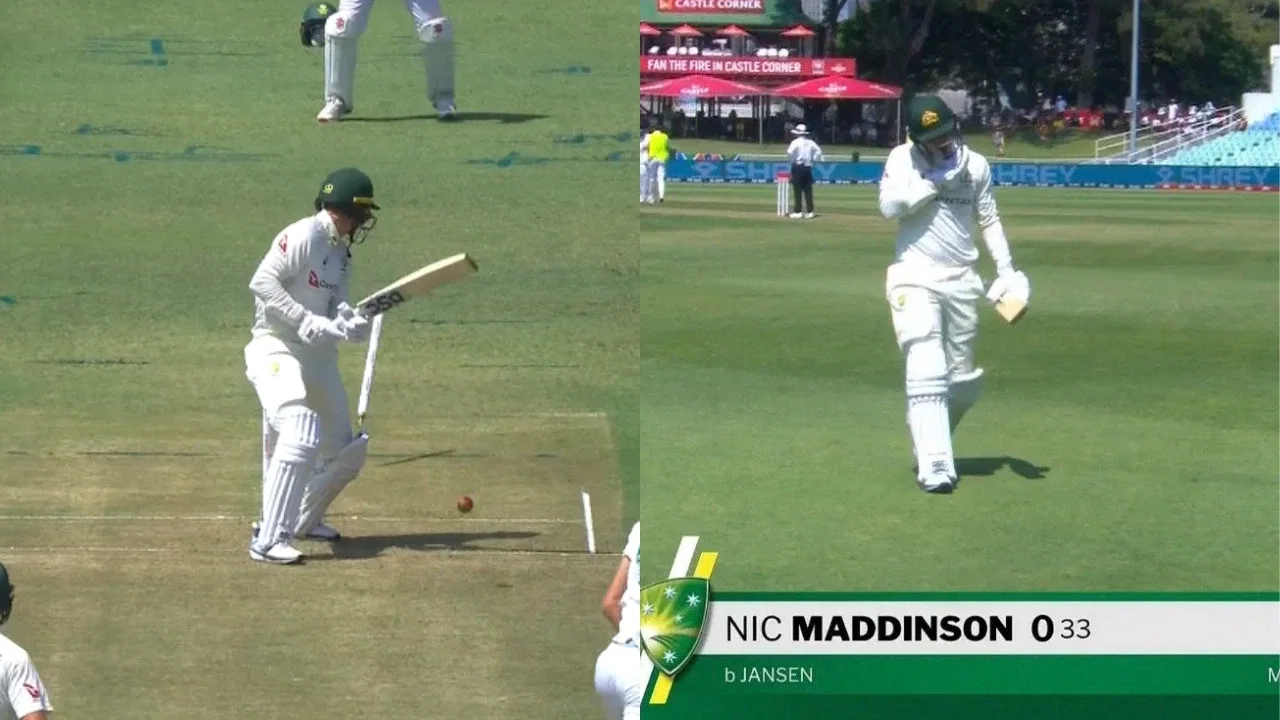
Nic Maddinson bags 33-ball duck on Test comeback, disappoints George Bailey

Imran Tahir predicts 2027 ICC ODI World Cup Semi-Finalists, snubs India for title
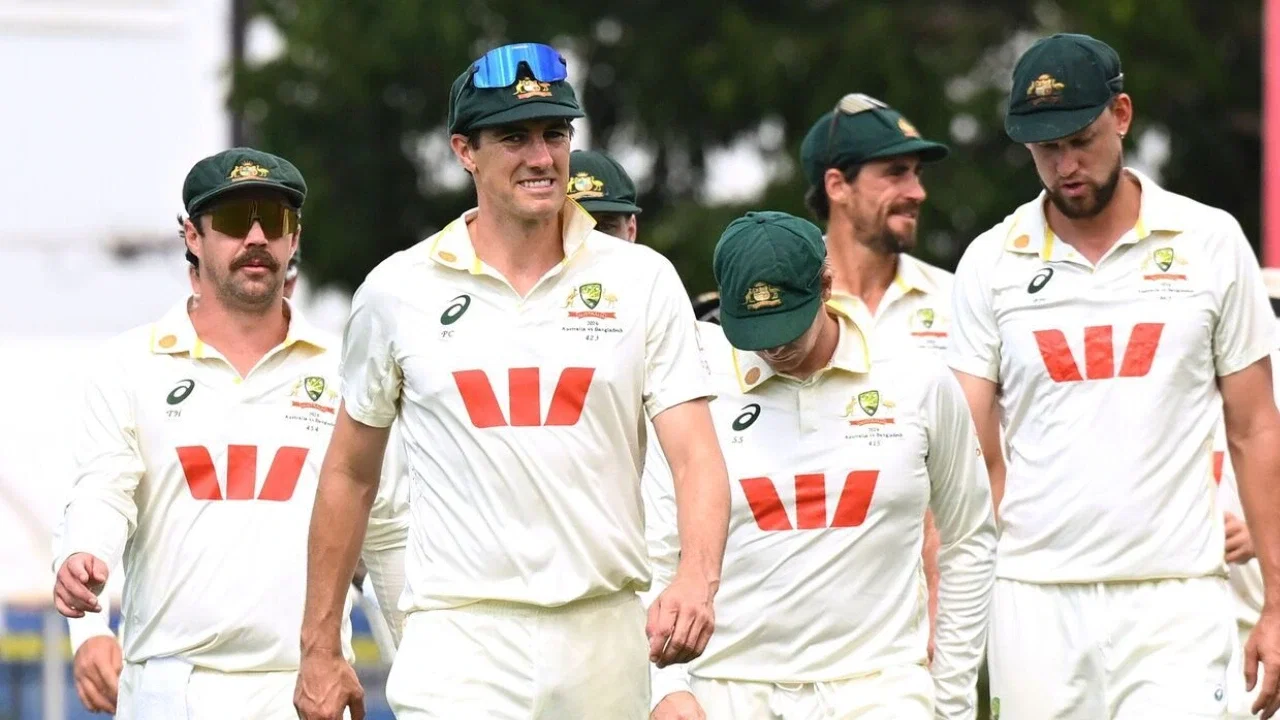
Australia create unwanted history with first all-30-plus Test XI
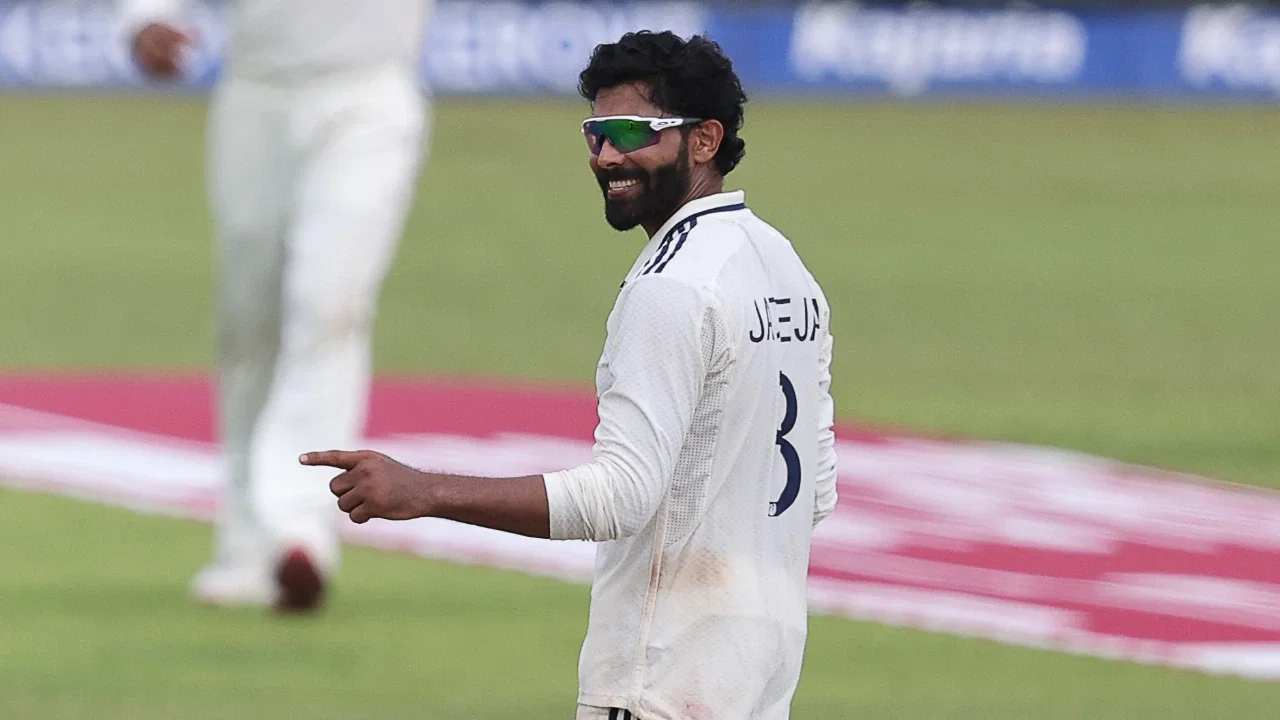
Ravindra Jadeja returns to Ranji Trophy as Saurashtra announce squad