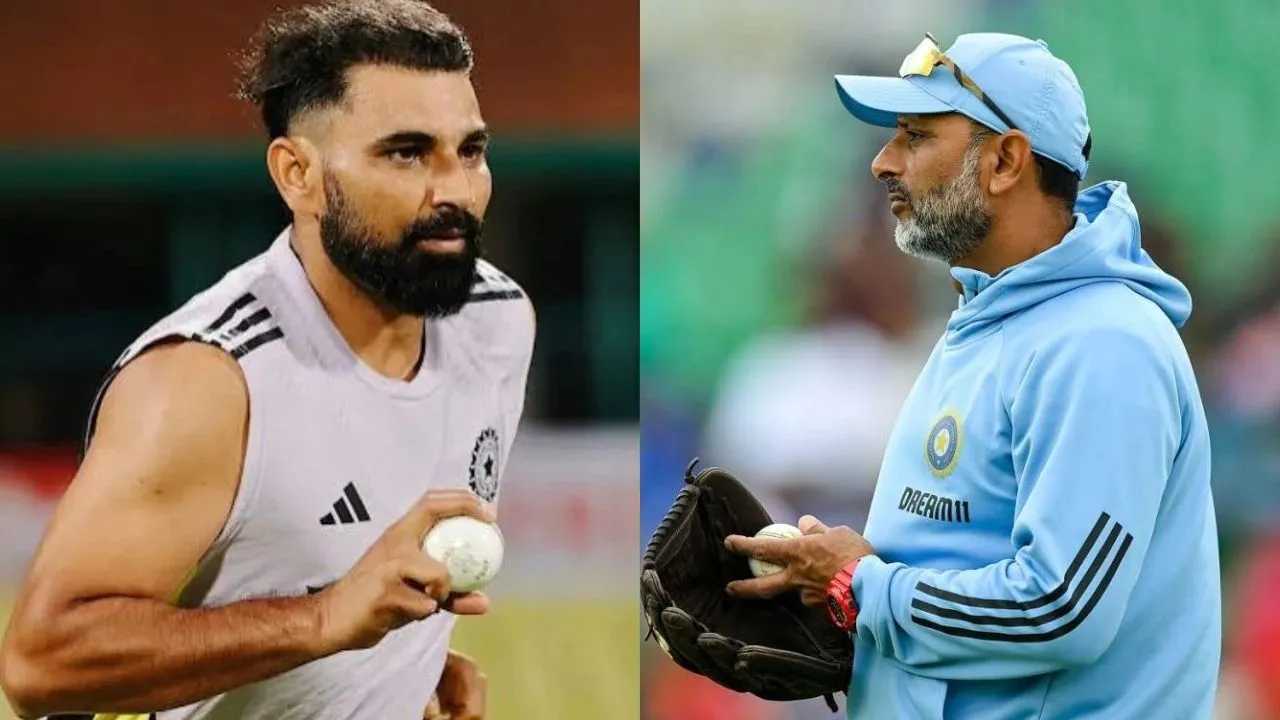
Indian politician urges Vaibhav Sooryavanshi & India’s young players to learn from Rohit Sharma, Virat Kohli
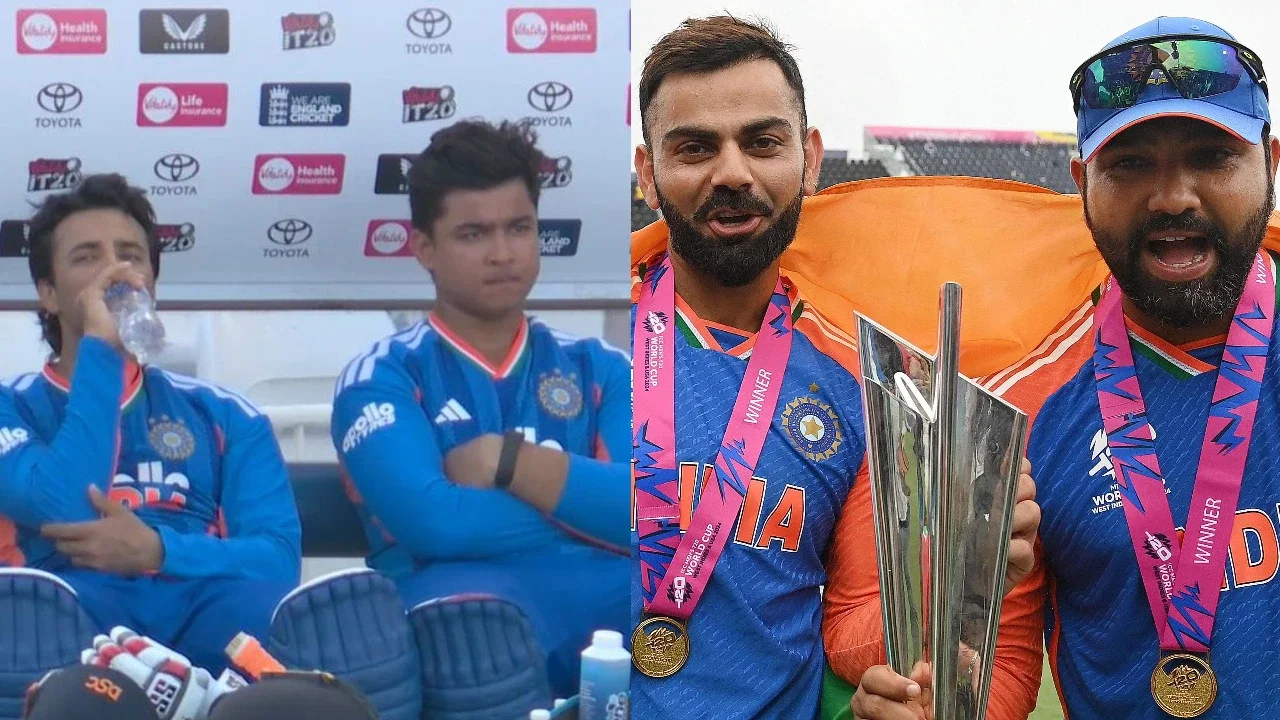
India Faces Crushing Defeat Against England in Third T20I
India’s recent crushing defeat against England in the third T20I has sparked a fresh debate over the team’s approach and the performance of its young players. After suffering a record loss in Nottingham, India’s former finance minister and current Rajya Sabha MP, P. Chidambaram, shared a strong message for the young players like Abhishek Sharma, Ishan Kishan, and Vaibhav Sooryavanshi.
P. Chidambaram’s Message to Young Players
Chidambaram emphasized that talent alone is not enough to succeed at the highest level of cricket. Following India’s poor performance where they were bundled out for a mere 76 runs while chasing a target of 202 runs set by England, Chidambaram pointed out the need for India’s young cricketers to learn from seasoned players like Rohit Sharma and Virat Kohli. He highlighted the importance of performing under pressure and playing to win matches rather than relying solely on talent.
Expressing his disappointment with the young batters’ ultra-aggressive approach, Chidambaram stated that cricket is not just about entertainment but also about the strong desire to win. He urged the budding cricketers to understand the essence of the sport and to draw inspiration from established players who have built their careers on a foundation of consistent performance and a winning attitude.
England’s Dominant Bowling Display
India faced one of their worst days in T20 International cricket as England secured a massive 125-run victory at Trent Bridge. The Indian team struggled to chase down the target of 202 runs, eventually being bowled out for a meager 76 runs in just 11.4 overs. This defeat marked India’s biggest loss by runs in T20I history.
England’s pacers, Jofra Archer and Josh Tongue, delivered a formidable bowling performance, dismantling India’s batting lineup with pace and accuracy. Archer claimed three wickets, while Tongue finished with four, making it extremely challenging for the Indian batters to build any momentum. Despite a brief display of fearless batting by teenager Vaibhav Sooryavanshi, the Indian top order failed to make a substantial impact against England’s strong bowling attack.
Inability of Indian Batsmen to Counter England’s Bowling
The match served as a stark reminder of the stark contrast between international cricket and the IPL, where some of the Indian players had excelled. With key batters like Abhishek Sharma, Ishan Kishan, and Shreyas Iyer failing to deliver solid performances, India’s chase faltered early on. England’s strong total of 201/7, led by opener Phil Salt’s impressive 70 runs, put immense pressure on the Indian side.
With England now leading the T20I series 2-0, the defeat has intensified the scrutiny on head coach Gautam Gambhir and captain Shreyas Iyer. India will need to regroup and come back stronger in the remaining matches to salvage the series.
Overall, the recent match between India and England has raised questions about the team’s strategy, the performance of young players, and the ability to adapt to international cricket’s demands. The pressure is on India to bounce back and showcase resilience in the upcoming games to turn the tide in their favor.
Learning from Defeat: A Crucial Lesson for Indian Cricket
India’s crushing defeat against England in the third T20I serves as a wake-up call for the team, highlighting the challenges of transitioning from domestic success to international competition. While the Indian Premier League (IPL) provides a platform for young players to showcase their talent, the demands of representing the national team are significantly higher. The pressure of playing for India, with the expectations of a cricket-crazy nation weighing heavily, requires not only skill but also mental resilience and a winning mindset.
Young cricketers like Abhishek Sharma, Ishan Kishan, and Vaibhav Sooryavanshi must recognize the importance of adapting their game to different formats and conditions. While the IPL allows for a more aggressive approach, international cricket demands a balance between aggression and caution, especially when facing world-class bowlers like Jofra Archer and Josh Tongue. Understanding the nuances of the game and learning from experienced players like Rohit Sharma and Virat Kohli can be invaluable in shaping the future of Indian cricket.
Rethinking Strategy and Performance Evaluation
As India’s defeat raises questions about the team’s strategy and the performance of its players, it is essential for the coaching staff and selectors to reevaluate their approach. Head coach Gautam Gambhir and captain Shreyas Iyer must analyze the team’s strengths and weaknesses, identifying areas for improvement and making necessary adjustments in preparation for future matches.
The inability of Indian batsmen to counter England’s bowling highlights the need for better planning and execution. Developing a comprehensive strategy to tackle different bowling attacks, adapting to varying pitch conditions, and fostering a competitive spirit among players are key components of a successful team. India’s journey towards reclaiming its dominance in T20I cricket requires a holistic approach that focuses on both individual skill development and team dynamics.
Looking Ahead: The Road to Redemption
Despite the setback in the third T20I, India has the opportunity to bounce back and showcase their resilience in the remaining matches against England. The series is far from over, and each game presents a chance for redemption and a display of character under pressure. The young players, in particular, have a chance to learn from their mistakes, regroup, and demonstrate their ability to perform at the highest level.
As the cricketing world watches with anticipation, India’s response to adversity will define their journey in international cricket. The team’s ability to learn from defeat, adapt their strategies, and execute their plans with precision will determine their success in the upcoming matches. With fans eagerly awaiting a turnaround in fortunes, India has the opportunity to rewrite the narrative and emerge stronger from the challenges they face.
In conclusion, India’s defeat against England serves as a valuable lesson in humility and resilience, reminding the team of the fierce competition and unforgiving nature of international cricket. As they prepare for the next encounter, India must draw inspiration from their past triumphs, learn from their failures, and approach each game with a renewed sense of purpose and determination.
Latest News
Top 10 highest run-chases in T20 cricket history, ft. West Indies’ Ranchi win vs India
Aaryavir Sehwag and Anvay Dravid set to make headlines at U19 Asia Cup 2026
Longest ducks in Test cricket history ft. Nic Maddinson, Shoaib Akhtar
ECB to offer 39 central contracts to England players after Ben Stokes, Mark Wood’s retirement
Steve Smith surpasses Steve Waugh in all-time Test run-scorers’ list
Shane Watson identifies Gautam Gambhir’s biggest problem as India struggle for consistency
Is Bhuvneshwar Kumar in India’s 2027 World Cup plans? Ajinkya Rahane makes revelation
BCCI’s big ₹127 Crore move after injury crisis raises concerns over Team India
Parthiv Patel reveals RCB ignored his Jasprit Bumrah recommendation in IPL 2014 Auction
“Never spoke ill of any faith”: Irfan Pathan hits back at fake news using his name
Nic Maddinson bags 33-ball duck on Test comeback, disappoints George Bailey
Imran Tahir predicts 2027 ICC ODI World Cup Semi-Finalists, snubs India for title
Australia create unwanted history with first all-30-plus Test XI
Ravindra Jadeja returns to Ranji Trophy as Saurashtra announce squad