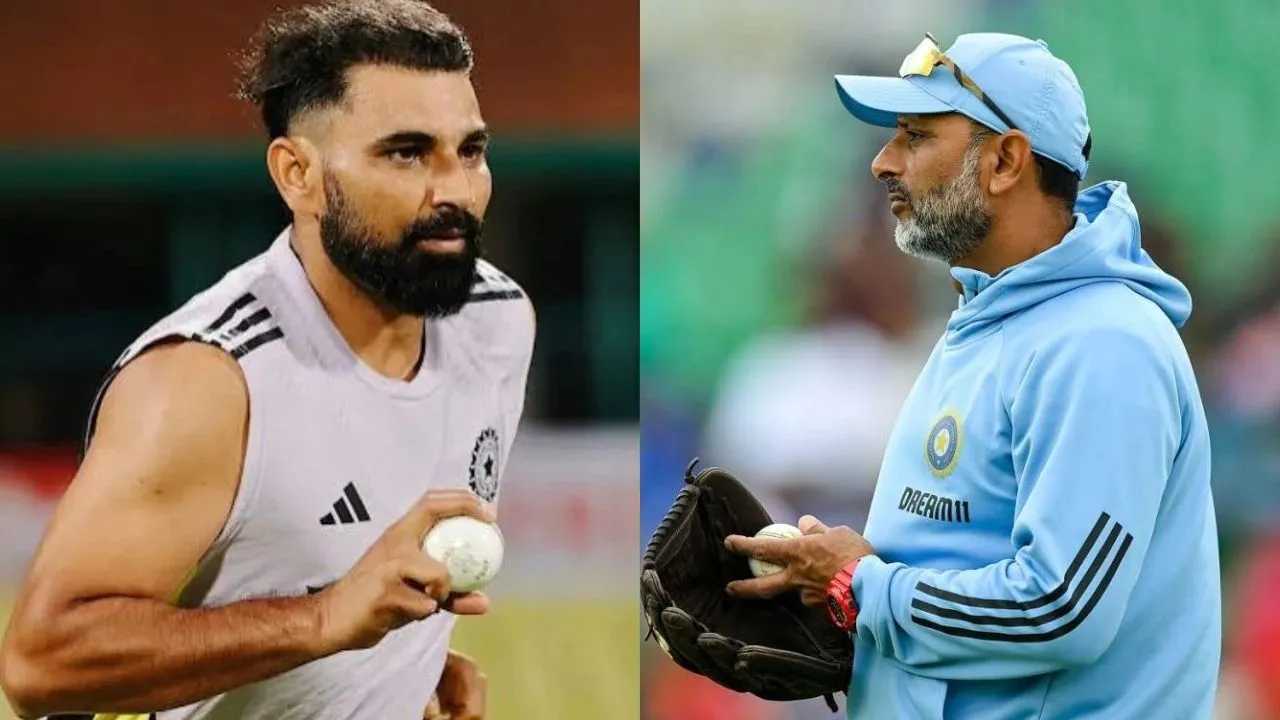
Financial penalty demanded by ICC on Shubman Gill-Ben Stokes

Former England Cricketer Michael Vaughan Criticizes Slow Over-Rate in India-England Test
Slow Over-Rate Concerns in the India-England Test Series
Former England cricketer Michael Vaughan has raised concerns over the slow over-rate during the ongoing India-England Test series. Vaughan specifically criticized Indian skipper Shubman Gill and England captain Ben Stokes for failing to maintain the required pace of play during the third Test at Lord’s.
As the series stands at 1-1, both teams have struggled to complete the mandated 90 overs per day. A total of 22 overs were lost over the first two days of the Test match, with India managing 83 overs on Day 1 and a combined effort of just 75 overs on Day 2.
Michael Vaughan’s Views on Slow Over-Rate Penalties
During an interview with Isa Guha on BBC Sport, Vaughan expressed his frustration with the current system of fines for slow over-rates. He argued that monetary penalties have little impact on wealthy players who can easily afford them.
Vaughan emphasized the importance of maintaining the required pace of play in Test cricket, stating, “Completing 90 overs each day is essential for the integrity of the game. Fines are ineffective when players are financially comfortable.”
The Call for Strict Enforcement of 90 Overs per Day
Vaughan proposed a strict enforcement of the 90-over rule on all five days of Test matches. He suggested that players and umpires should be held accountable for ensuring that the full quota of overs is bowled each day to improve the overall pace of the game.
According to Vaughan, enforcing the 90-over mandate would lead to faster gameplay, fewer interruptions, and a more engaging experience for both players and spectators.
India’s Performance on Day 2 of the Third Test
In the third Test at Lord’s, India, led by Shubman Gill, faced a tough challenge after restricting England to 387 runs in the first innings. India ended Day 2 at 145 for 3, with KL Rahul and Rishabh Pant at the crease.
Despite early setbacks, including the dismissals of Yashasvi Jaiswal and Karun Nair, India’s batsmen showed resilience against England’s bowling attack. Shubman Gill, who had impressed with his performance in the previous Test, fell short after scoring just 16 runs.
Heading into Day 3, India trails by 242 runs, with England’s bowlers expected to maintain pressure on the visitors. The upcoming days of the Test match promise an exciting battle between the two cricketing giants.
In conclusion, Vaughan’s criticism of the slow over-rate issue highlights the need for stricter enforcement of rules to uphold the spirit of Test cricket and enhance the overall viewing experience for fans.
Impact of Slow Over-Rate on the Game
Slow over-rates not only affect the pace of the game but also have broader implications for player performance and team strategy. When matches fall behind schedule due to delays in completing overs, it can disrupt the rhythm of bowlers and batsmen, impacting their concentration and momentum. This disruption can lead to fatigue and reduced effectiveness on the field, affecting the quality of play and the competitiveness of the game.
Furthermore, slow over-rates can also have an impact on team tactics and planning. Captains may need to adjust their strategies due to the reduced playing time, forcing them to make quick decisions that can influence the outcome of the match. Additionally, delays in completing overs can affect the balance between batting and bowling sides, potentially skewing the competitive nature of the game.
Role of Umpires in Ensuring Compliance
While players bear the primary responsibility for maintaining the required over-rate, umpires play a crucial role in enforcing the rules and ensuring compliance. Umpires must monitor the pace of play closely, communicate with captains about any delays, and take appropriate action to address slow over-rates. By actively enforcing the regulations, umpires can help uphold the integrity of the game and prevent matches from being affected by unnecessary delays.
Moreover, umpires can use their authority to remind players of their obligations and encourage them to speed up the game. By fostering a culture of accountability and responsibility among players, umpires can promote a more disciplined and efficient approach to completing overs, benefiting the game as a whole.
Long-Term Solutions for Over-Rate Issues
Addressing slow over-rate concerns requires a multi-faceted approach that involves players, officials, and cricketing authorities. In addition to stricter enforcement of penalties, cricket boards could consider implementing innovative solutions to incentivize faster gameplay. For example, introducing rewards for teams that consistently maintain the required over-rate or implementing technology to track and monitor over-rates in real-time could help improve compliance and expedite matches.
Furthermore, promoting a culture of respect for the game’s traditions and values can instill a sense of responsibility in players to uphold the spirit of cricket. Emphasizing the importance of fair play, sportsmanship, and adherence to rules can encourage players to prioritize the completion of overs and contribute to a more enjoyable and competitive cricketing environment.
Looking Ahead to the Rest of the Series
As the India-England Test series progresses, both teams will need to address the slow over-rate issue and ensure that matches are completed within the designated time frame. With the series finely poised at 1-1, every session and every over becomes crucial in determining the outcome of the contests.
Fans can expect intense battles between bat and ball, strategic maneuvers from captains, and individual brilliance from players as the series unfolds. The pressure will be on both teams to deliver their best performances and showcase the true spirit of Test cricket in the remaining matches.
In conclusion, while slow over-rates present challenges in the game, they also provide an opportunity for players, officials, and fans to collaborate in upholding the traditions and values of cricket. By working together to address over-rate issues, stakeholders can ensure that Test cricket remains a compelling and competitive spectacle for generations to come.
Latest News

Top 10 highest run-chases in T20 cricket history, ft. West Indies’ Ranchi win vs India

Aaryavir Sehwag and Anvay Dravid set to make headlines at U19 Asia Cup 2026
Longest ducks in Test cricket history ft. Nic Maddinson, Shoaib Akhtar
ECB to offer 39 central contracts to England players after Ben Stokes, Mark Wood’s retirement
Steve Smith surpasses Steve Waugh in all-time Test run-scorers’ list

Shane Watson identifies Gautam Gambhir’s biggest problem as India struggle for consistency

Is Bhuvneshwar Kumar in India’s 2027 World Cup plans? Ajinkya Rahane makes revelation

BCCI’s big ₹127 Crore move after injury crisis raises concerns over Team India

Parthiv Patel reveals RCB ignored his Jasprit Bumrah recommendation in IPL 2014 Auction

“Never spoke ill of any faith”: Irfan Pathan hits back at fake news using his name
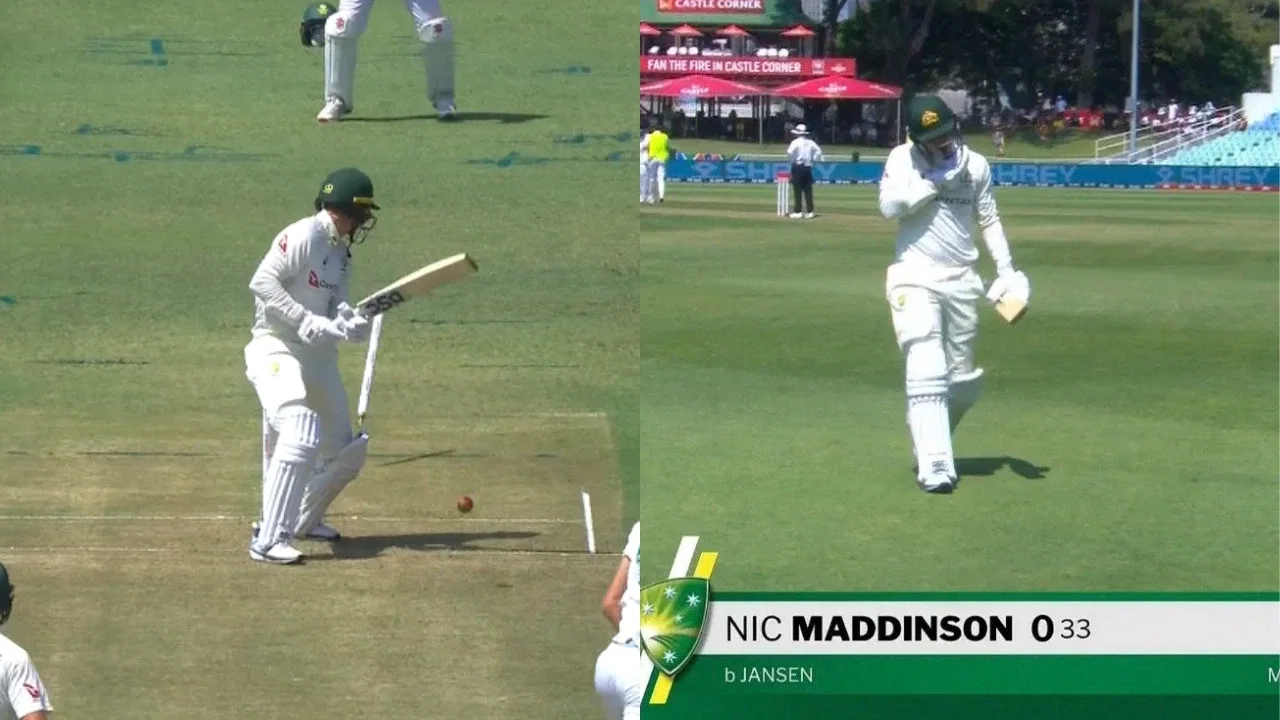
Nic Maddinson bags 33-ball duck on Test comeback, disappoints George Bailey

Imran Tahir predicts 2027 ICC ODI World Cup Semi-Finalists, snubs India for title
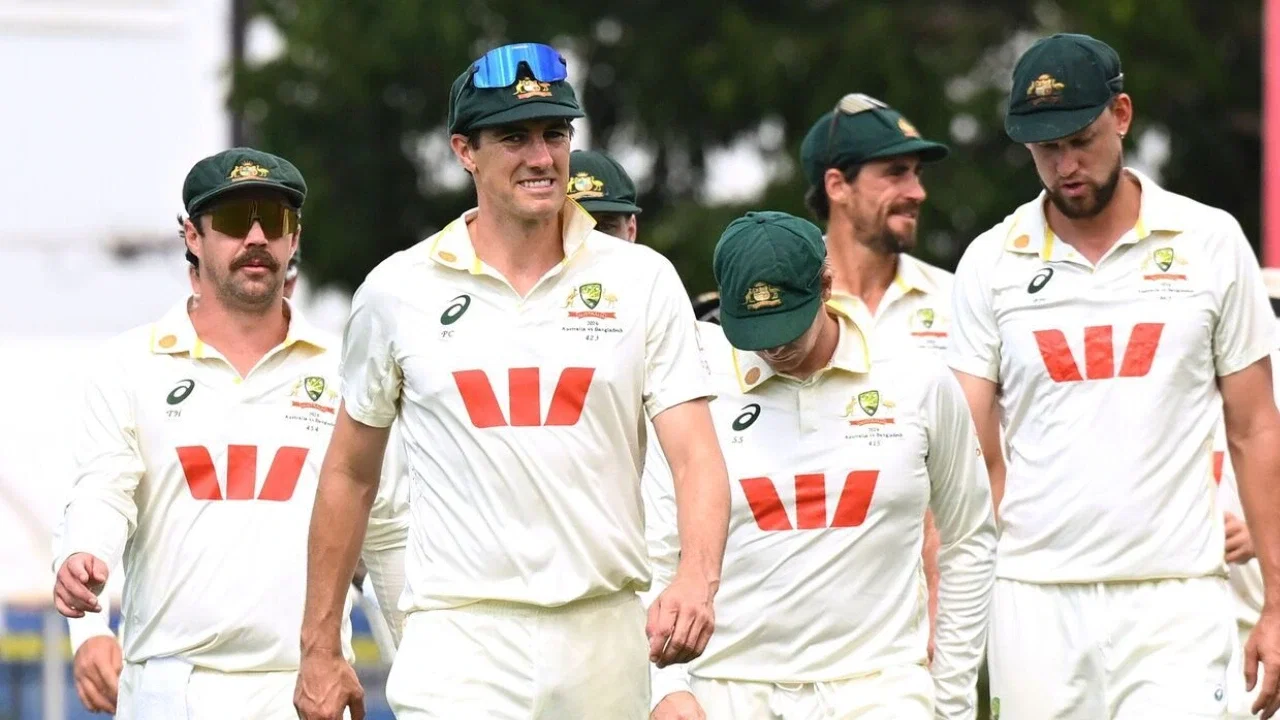
Australia create unwanted history with first all-30-plus Test XI
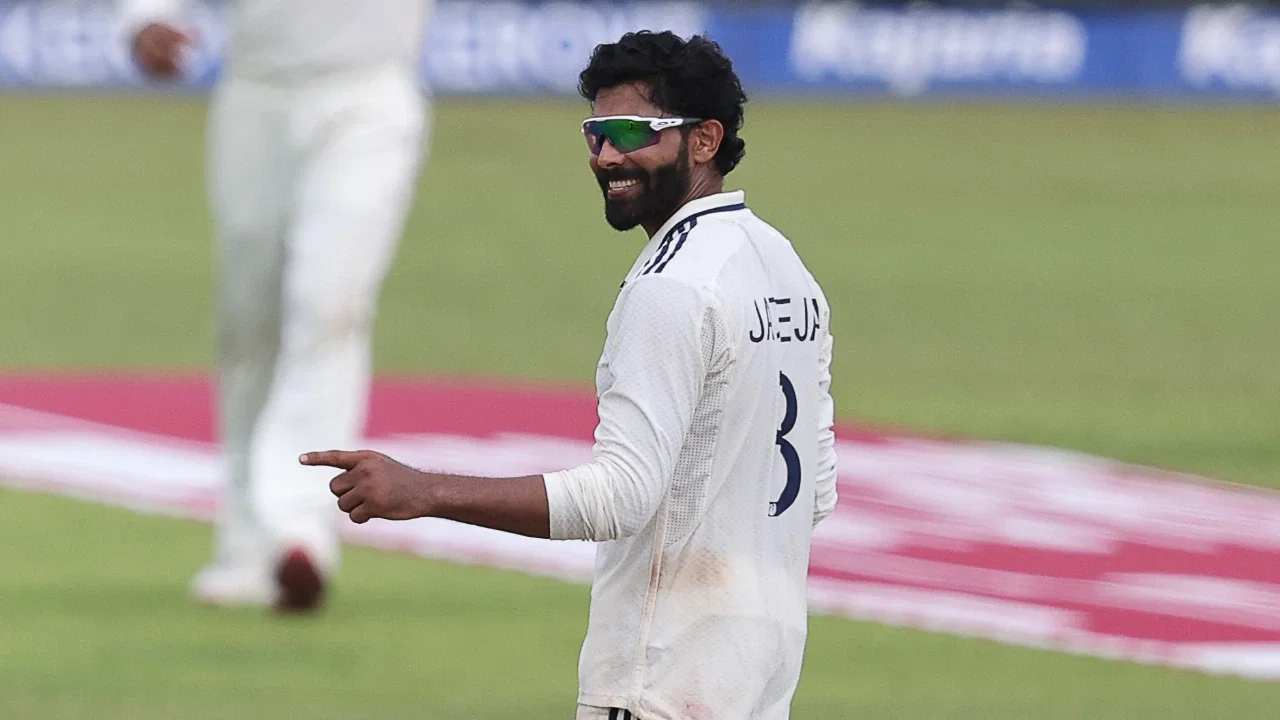
Ravindra Jadeja returns to Ranji Trophy as Saurashtra announce squad