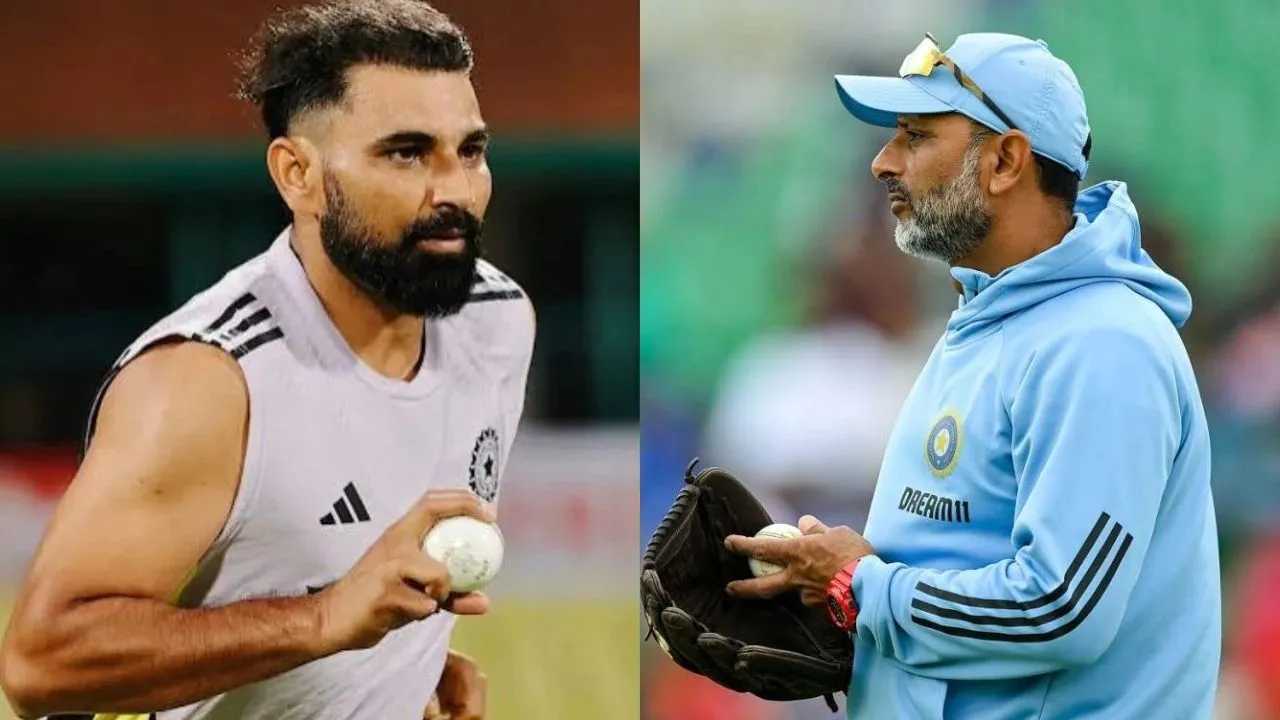
ICC set to enforce new playing conditions starting June 2025

ICC Announces Major Changes to Playing Conditions Across Formats
The International Cricket Council (ICC) has recently unveiled significant modifications to the playing conditions that will come into effect in Test cricket from June and white-ball formats from July onwards. These changes aim to enhance the game’s dynamics and add a new dimension to the cricketing experience for players and fans alike.
Return of Single Ball Rule in ODIs
One of the most notable alterations announced by the ICC is the reintroduction of the single ball rule in One Day Internationals (ODIs). Currently, ODI matches feature two new balls in each innings. However, starting from July, teams will begin with two new balls but will be required to conclude the match with just one. This shift brings back the traditional style of play where reverse swing becomes more prevalent in the final overs, adding an exciting element to the game.
Changes to Concussion Substitutes and DRS
Aside from the single ball rule, the ICC has made minor adjustments to concussion substitutes, as well as critical changes to the Decision Review System (DRS) and boundary catch regulations. Teams will now have to adhere to new protocols for handling concussion-related injuries, ensuring fair replacements during matches. Moreover, the DRS and boundary catch regulations have been refined to further streamline the game’s officiating process.
Details of Updated Playing Conditions
The ICC has communicated the updated playing conditions to all cricket boards, outlining the specifics of the changes. According to the new regulations, teams will have two new balls for overs 1 to 34 in ODIs. However, after the completion of over 34 and before the commencement of over 35, the fielding team will select one of the two balls for overs 35 to 50. In cases where a match is reduced to 25 overs or less per side, each team will have only one new ball for its innings.
Furthermore, if a replacement ball is required during an ODI innings, the new ball must match the condition of the one being replaced. Additionally, the second new ball, which is no longer used from overs 35 to 50 under the new rule, will be retained for potential replacements if it remains in good condition.
Implementation and Exceptions
While the new playing conditions will be in effect for most international matches, the ICC confirmed that the rules will not apply to the upcoming World Test Championship Final between Australia and South Africa starting on June 11 at Lord’s. The changes will be implemented from the next WTC cycle, commencing with the Sri Lanka vs. Bangladesh Test in Galle on June 17.
For white-ball matches, the alterations will take effect from the Sri Lanka vs. series. The new ODI rules will come into play from the first match on July 2 in Colombo, with adjustments in T20I cricket starting from the initial game on July 10. The ICC plans to release further details on the updated rules for boundary catches and DRS shortly, following approval by the Chief Executives Committee (CEC).
These changes mark a significant shift in the playing conditions across formats, aiming to enhance the competitiveness and entertainment value of international cricket matches. Fans can expect to witness a new era in cricket with the introduction of these innovative rules.
Impact on Player Strategies and Performance
With the reintroduction of the single ball rule in ODIs, teams will need to adjust their strategies to account for the potential swing and reverse swing that can come into play in the latter stages of an innings. Bowlers will have a renewed opportunity to utilize their skills with an older ball, creating challenges for batsmen in the death overs. This change could lead to more competitive and unpredictable matches, as teams navigate the nuances of the new playing condition.
Furthermore, the modifications to concussion substitutes aim to prioritize player safety and ensure that teams are not disadvantaged in case of head injuries. By establishing clear protocols for replacements, the ICC is taking proactive measures to safeguard the well-being of cricketers while maintaining the integrity of the game. This emphasis on player welfare reflects the evolving nature of sports governance and the growing awareness of the importance of health and safety in competitive settings.
Technological Advancements and Officiating Efficiency
The adjustments to the Decision Review System (DRS) and boundary catch regulations highlight the ongoing efforts to leverage technology for more accurate decision-making in cricket. By refining the rules governing DRS usage and boundary catches, the ICC aims to enhance the efficiency of match officiating and reduce errors that can impact the outcome of games. These changes underscore the commitment to fairness and transparency in cricket administration, aligning with broader trends in sports governance towards greater precision and accountability.
The ICC’s emphasis on implementing these updates across formats demonstrates a holistic approach to enhancing the overall cricketing experience for players, officials, and fans alike. By introducing consistent playing conditions and regulations, the governing body seeks to create a level playing field and promote fairness and competitiveness in international matches. These changes represent a significant step towards modernizing the game and adapting to evolving trends in sports entertainment and competition.
Anticipated Reception and Future Implications
As the new playing conditions come into effect in upcoming international matches, the cricketing community will closely observe the impact of these changes on gameplay, strategies, and results. Fans can look forward to a fresh and dynamic era in cricket, characterized by unpredictability, innovation, and heightened excitement on the field. The evolving landscape of the sport promises to engage audiences and elevate the viewing experience, setting the stage for a reinvigorated era of international cricket.
Looking ahead, the ICC’s commitment to refining playing conditions and regulations underscores a proactive approach towards enhancing the sport’s appeal and competitiveness. By embracing innovation and responding to feedback from stakeholders, the governing body paves the way for continued evolution and growth in global cricket. The upcoming matches will serve as a testing ground for these changes, offering valuable insights into their effectiveness and potential long-term implications for the game.
In conclusion, the revamped playing conditions introduced by the ICC signal a significant milestone in the ongoing evolution of cricket, setting the stage for an exciting chapter in the sport’s history. With a focus on player welfare, technological advancements, and strategic enhancements, these changes aim to redefine the dynamics of international cricket and elevate the sport to new heights of excellence and entertainment.
Latest News

Top 10 highest run-chases in T20 cricket history, ft. West Indies’ Ranchi win vs India

Aaryavir Sehwag and Anvay Dravid set to make headlines at U19 Asia Cup 2026

Longest ducks in Test cricket history ft. Nic Maddinson, Shoaib Akhtar

ECB to offer 39 central contracts to England players after Ben Stokes, Mark Wood’s retirement

Steve Smith surpasses Steve Waugh in all-time Test run-scorers’ list

Shane Watson identifies Gautam Gambhir’s biggest problem as India struggle for consistency

Is Bhuvneshwar Kumar in India’s 2027 World Cup plans? Ajinkya Rahane makes revelation

BCCI’s big ₹127 Crore move after injury crisis raises concerns over Team India

Parthiv Patel reveals RCB ignored his Jasprit Bumrah recommendation in IPL 2014 Auction

“Never spoke ill of any faith”: Irfan Pathan hits back at fake news using his name
Nic Maddinson bags 33-ball duck on Test comeback, disappoints George Bailey

Imran Tahir predicts 2027 ICC ODI World Cup Semi-Finalists, snubs India for title
Australia create unwanted history with first all-30-plus Test XI
Ravindra Jadeja returns to Ranji Trophy as Saurashtra announce squad