ICC set to start ‘Serious Injury’ replacements trial in domestic first-class cricket from October

ICC Introduces New Rule for “Like-for-Like” Player Replacements in First-Class Cricket
In a recent development, the International Cricket Council (ICC) has announced a new rule for “like-for-like” player replacements in domestic first-class cricket matches. This rule change comes in response to the growing concern over serious injuries affecting players during games.
Addressing the Issue of Serious Injuries in Cricket
The issue of serious injuries in cricket was brought to the forefront during a recent Test match between Zimbabwe and England when fast bowler Richard Ngarava suffered a back injury on the opening day at Trent Bridge. Despite attempting to return to the field, Ngarava was unable to bowl due to spending too much time off the pitch. This incident highlighted the need for more flexible substitution rules in cricket.
ICC to Trial Full “Like-for-Like” Injury Replacements
According to a BBC report, the ICC is planning to conduct a six-month trial of full “like-for-like” injury replacements in domestic first-class cricket matches. Currently, substitutions are only allowed for concussions, while replacements for other injuries are limited to fielding or wicketkeeping roles and cannot bat or bowl.
Under the new rule, full-member nations will be able to test the use of a like-for-like substitute at any point during a match, provided the injury is deemed serious. Minor issues like muscle niggles or hamstring pulls will not qualify for a replacement. The substitute player must possess a skill set similar to that of the injured player.
The Impact of Serious Injuries on Teams
A serious injury can significantly impact a team, particularly if a key player like a bowler or batter is affected. The absence of full replacements can leave a team at a disadvantage, especially in crucial matches where every player’s contribution is vital.
For instance, earlier this year, Indian fast bowler Jasprit Bumrah suffered a back injury during a Test match, forcing him to leave the field. His absence had a noticeable impact on India’s performance, ultimately leading to Australia’s victory. A like-for-like replacement in such a scenario could have provided the team with another bowling option.
Stricter Oversight Needed for Injury Replacements
If the trial of the new rule is successful and approved, umpires will need to exercise stricter oversight to prevent potential misuse. In the past, teams have strategically used regular substitutes, rotating fielders to give bowlers rest.
There have also been concerns about the concussion protocol being exploited, with teams allegedly introducing players better suited to conditions rather than true replacements. The trial period will help evaluate the fairness and effectiveness of implementing like-for-like substitutions in cricket.
Overall, the introduction of the new rule for “like-for-like” player replacements in first-class cricket aims to address the issue of serious injuries and provide teams with a fair opportunity to cope with unforeseen circumstances during matches.
Advantages of Like-for-Like Player Replacements
One of the key advantages of implementing like-for-like player replacements in first-class cricket is the ability to maintain the balance and competitiveness of a match. In a sport like cricket, where every player’s role is crucial to the team’s success, losing a key player to injury can significantly impact the outcome of the game. By allowing teams to bring in a replacement with similar skills, the integrity of the competition is preserved, ensuring a fair contest for both sides.
Moreover, the introduction of this rule encourages teams to prioritize player safety and well-being. Knowing that they have the option to replace an injured player with someone who can fulfill a similar role reduces the pressure on athletes to push through injuries, potentially exacerbating the harm. This proactive approach to player welfare is essential in promoting a healthy and sustainable playing environment in cricket.
Strategic Considerations for Teams
With the new rule for like-for-like player replacements, teams will need to approach match strategies and squad selection with added considerations. Coaches and team management must analyze the skill sets of their players to identify suitable replacements for different positions in case of an injury. This strategic planning not only ensures that the team is prepared for unforeseen circumstances but also enhances the versatility and adaptability of the squad as a whole.
Furthermore, the ability to bring in a like-for-like substitute can also open up tactical opportunities for teams during a match. For example, if a bowler suffers an injury, the team may choose to replace them with a similar style of bowler to maintain continuity in their bowling attack. This flexibility in making strategic substitutions adds a new dimension to the game, allowing teams to adjust their tactics on the fly based on the match situation.
Global Impact of the New Rule
While the trial of full like-for-like player replacements is initially limited to domestic first-class cricket matches, its success could have broader implications for the international cricketing community. If the ICC decides to implement this rule across all levels of the game, it could revolutionize the way injuries are managed in cricket, setting a new standard for player welfare and competition fairness.
International cricket teams may also benefit from the adoption of like-for-like player replacements, especially in high-stakes tournaments where the loss of a key player can have significant ramifications. The ability to field a full-strength team throughout a series or tournament can enhance the quality of play and provide fans with more competitive and exciting matches.
Conclusion
The introduction of the new rule for like-for-like player replacements in first-class cricket represents a positive step towards addressing the challenges posed by serious injuries in the sport. By allowing teams to make strategic substitutions that maintain the balance and competitiveness of matches, this rule change promotes player welfare and ensures a fair playing field for all participants.
As the ICC conducts the trial of full like-for-like replacements and evaluates its impact on the game, cricket fans can look forward to a more dynamic and adaptable approach to managing injuries in the sport. With the potential for this rule to be implemented globally, the future of cricket could see a shift towards a more proactive and player-centered approach to team management and competition.
Latest News
Top 10 highest run-chases in T20 cricket history, ft. West Indies’ Ranchi win vs India
Aaryavir Sehwag and Anvay Dravid set to make headlines at U19 Asia Cup 2026
Longest ducks in Test cricket history ft. Nic Maddinson, Shoaib Akhtar
ECB to offer 39 central contracts to England players after Ben Stokes, Mark Wood’s retirement
Steve Smith surpasses Steve Waugh in all-time Test run-scorers’ list

Shane Watson identifies Gautam Gambhir’s biggest problem as India struggle for consistency
Is Bhuvneshwar Kumar in India’s 2027 World Cup plans? Ajinkya Rahane makes revelation
BCCI’s big ₹127 Crore move after injury crisis raises concerns over Team India

Parthiv Patel reveals RCB ignored his Jasprit Bumrah recommendation in IPL 2014 Auction
“Never spoke ill of any faith”: Irfan Pathan hits back at fake news using his name
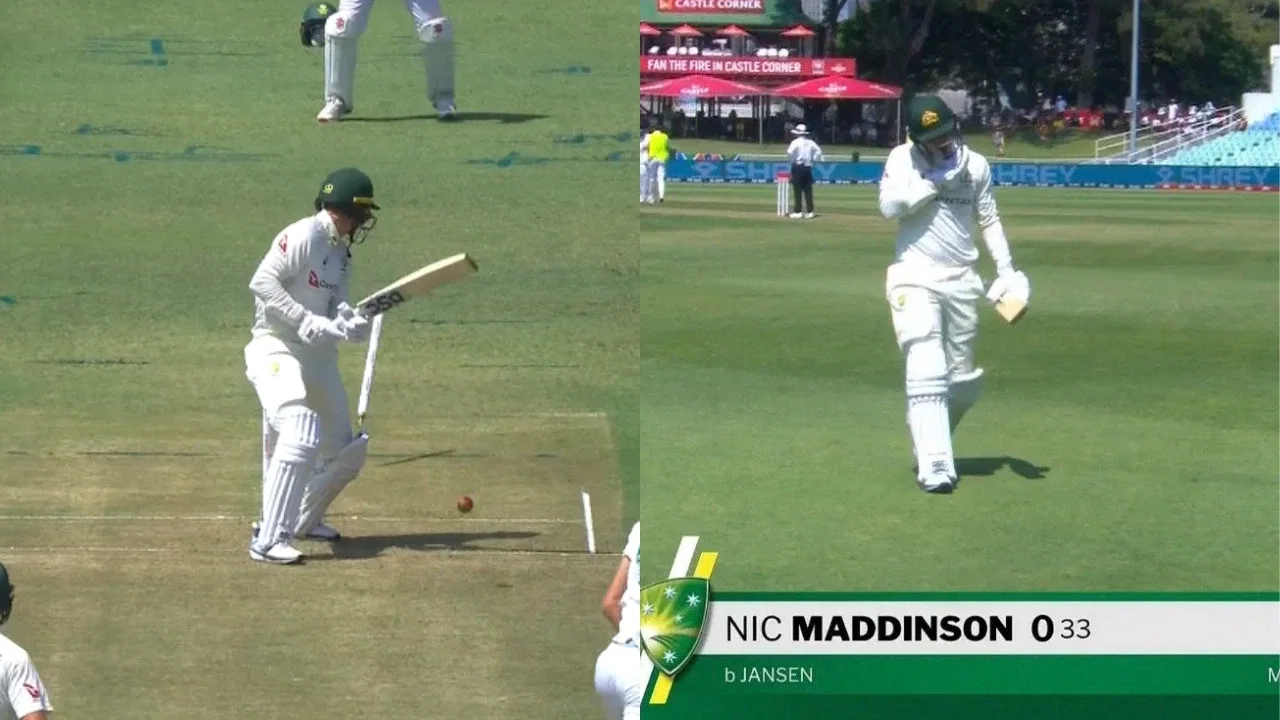
Nic Maddinson bags 33-ball duck on Test comeback, disappoints George Bailey
Imran Tahir predicts 2027 ICC ODI World Cup Semi-Finalists, snubs India for title
Australia create unwanted history with first all-30-plus Test XI
Ravindra Jadeja returns to Ranji Trophy as Saurashtra announce squad