India’s Ayush Mhatre refuses handshake with Bangladesh captain, gives ‘Pakistan treatment’ in U19 World Cup
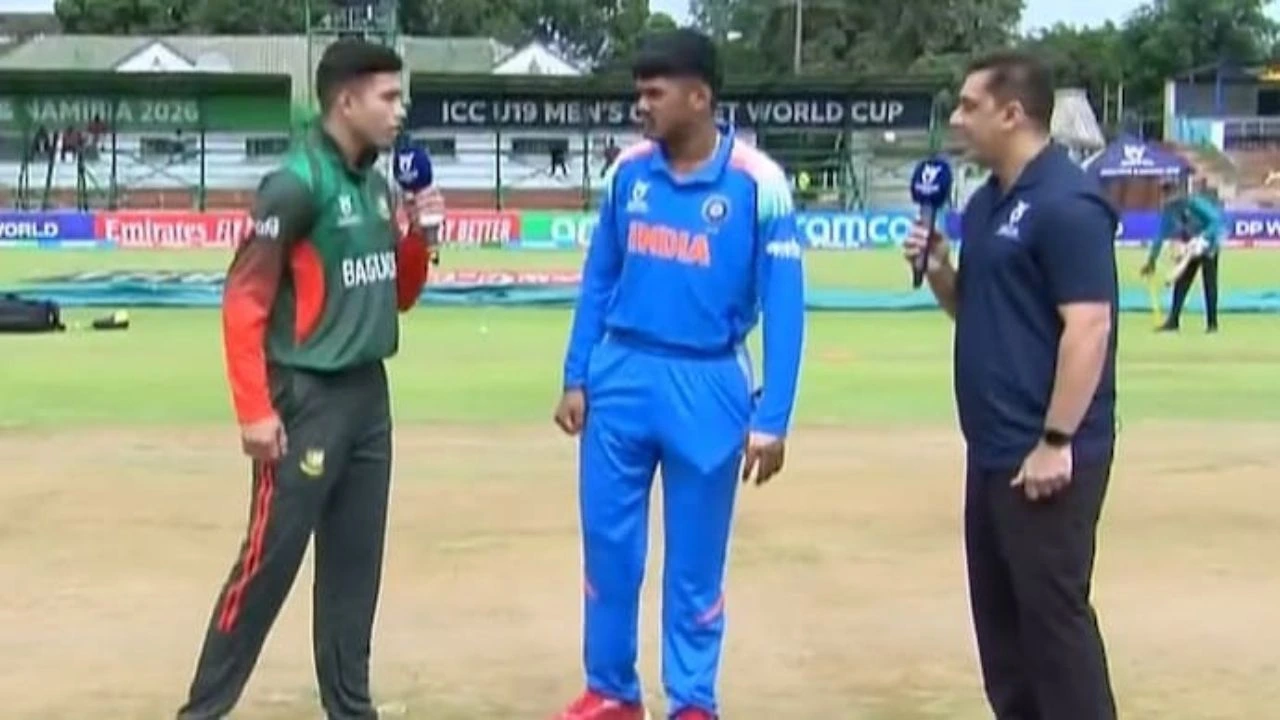
India and Bangladesh Under-19 Captains Engage in Tense Standoff Ahead of ICC World Cup Match
India and Bangladesh found themselves in an uncomfortable situation during the pre-match formalities ahead of their ICC Under-19 World Cup 2026 clash in Bulawayo. The tension between the two teams was palpable as India Under-19 captain Ayush Mhatre and Bangladesh’s stand-in captain Zawad Abrar shared a cold exchange at the toss on Saturday, January 17, at the Queens Sports Club in Bulawayo.
Abrar Steps In as Bangladesh Captain
Bangladesh’s regular skipper, Md Azizul Hakim Tamim, was unavailable due to illness, giving vice-captain Abrar the chance to lead the charge in the crucial ICC Under-19 World Cup 2026 match. When Bangladesh won the toss and decided to bowl first, the scene left many surprised. The two captains stood close to each other, yet there was no handshake, no greeting, and no acknowledgement. Abrar walked past Mhatre without any interaction.
Both Abrar and Mhatre avoided even looking at one another at the toss, showing the volume of tension between India and Bangladesh. The awkwardness continued moments later during the national anthem as the players gathered near the boundary rope and then walked onto the field but exchanged no handshakes.
India’s Stance on Handshakes
India’s stance on avoiding handshakes with opposition teams dates back to April 2025 when they declined to shake hands with Pakistani teams following the Pahalgam terror attack. The tragic incident led to a brief military conflict between India and Pakistan, resulting in a stand against terrorism and solidarity with the victims’ families.
Now, this same approach is being extended to Bangladesh in response to ongoing violence against Hindu minorities in the country. The strained moment on the field during the ICC Under-19 World Cup 2026 match is a reflection of the heightened political tensions between India and Bangladesh, mirroring the strained relationship between the two nations.
Escalating Tensions Impacting Cricket
The tensions between India and Bangladesh have escalated to the point where they are now impacting cricketing relations. This was evident when Bangladesh fast bowler Mustafizur Rahman was removed from the Kolkata Knight Riders (KKR) IPL 2026 squad on orders from the Board of Control for Cricket in India (BCCI) following public outcry over violence against Hindus in Bangladesh.
This move by the BCCI led to the Bangladesh government banning the IPL in their country in response, and the Bangladesh Cricket Board (BCB) requesting the ICC to shift their ICC T20 World Cup 2026 matches to Sri Lanka. The decision was made to ensure the safety and well-being of the Bangladeshi players and officials amid the growing tension between the two neighboring countries.
As the political tension between India and Bangladesh continues to simmer, its effects are spilling over into the world of cricket, creating an atmosphere of unease and distrust both on and off the field.
Impact on Players and Fans
The tense standoff between the India and Bangladesh Under-19 captains not only reflects the strained political relations between the two countries but also affects the players and fans involved. The young cricketers representing their nations on the field are inadvertently caught up in the larger geopolitical issues that overshadow the game they love.
For the players, the pressure of carrying the weight of political tensions on their shoulders can be daunting, affecting their mental focus and performance on the field. The lack of camaraderie and sportsmanship seen during the pre-match formalities can create an atmosphere of hostility rather than friendly competition, detracting from the spirit of the sport.
Similarly, for fans of both teams, the tensions between India and Bangladesh can blur the lines between sports and politics, making it challenging to enjoy the game in its purest form. The rivalry that should add excitement to the match can instead lead to animosity and divisiveness among supporters, detracting from the unity that sports often promote.
Opportunities for Diplomacy
While the escalating tensions between India and Bangladesh have cast a shadow over their cricketing relations, there is also an opportunity for diplomacy and bridge-building through the shared love of the sport. Cricket has the power to transcend borders and bring people together, even in the midst of political differences.
By emphasizing the values of sportsmanship, respect, and fair play, both India and Bangladesh can use cricket as a platform to promote understanding and goodwill between their nations. Initiatives such as friendly matches, exchange programs, and joint cricketing events can help foster positive relations and reduce the impact of political conflicts on the game.
Engaging in meaningful dialogue and collaboration off the field can pave the way for improved relations on the field, creating a more harmonious environment for players, fans, and officials alike. By focusing on the shared passion for cricket, India and Bangladesh can build bridges that transcend political differences and promote unity through sport.
Looking Ahead
As the ICC Under-19 World Cup 2026 continues and cricketing events between India and Bangladesh unfold, it is essential for both nations to prioritize sportsmanship, respect, and mutual understanding. While political tensions may persist, the spirit of cricket can serve as a beacon of hope and reconciliation in times of conflict.
By upholding the values of fair play, camaraderie, and friendship, India and Bangladesh can set an example for cricketing nations around the world, demonstrating that sports have the power to unite, inspire, and transcend barriers. As the young cricketers take to the field, let us hope that the spirit of the game prevails, fostering a sense of harmony and goodwill that extends beyond the boundary ropes.
Latest News
New Zealand suffer blow as William O’Rourke misses India ODIs and Tests
Top 10 highest run-chases in T20 cricket history, ft. West Indies’ Ranchi win vs India
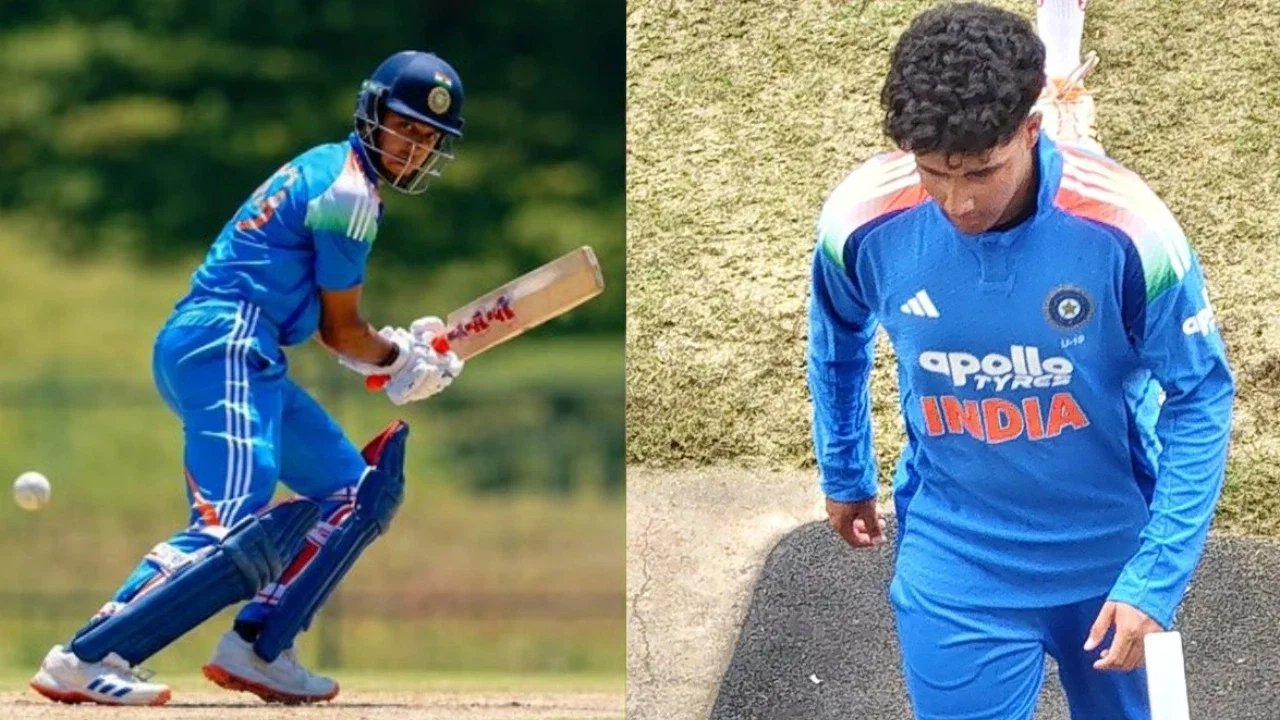
Aaryavir Sehwag and Anvay Dravid set to make headlines at U19 Asia Cup 2026
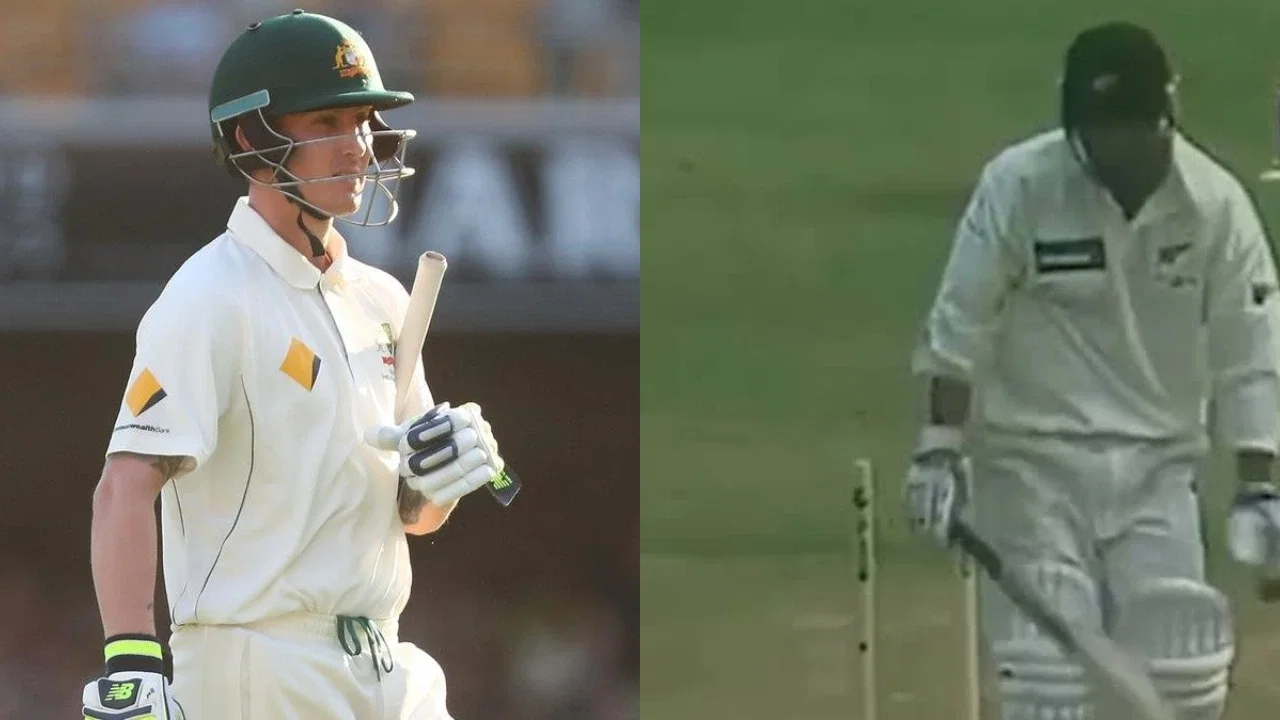
Longest ducks in Test cricket history ft. Nic Maddinson, Shoaib Akhtar
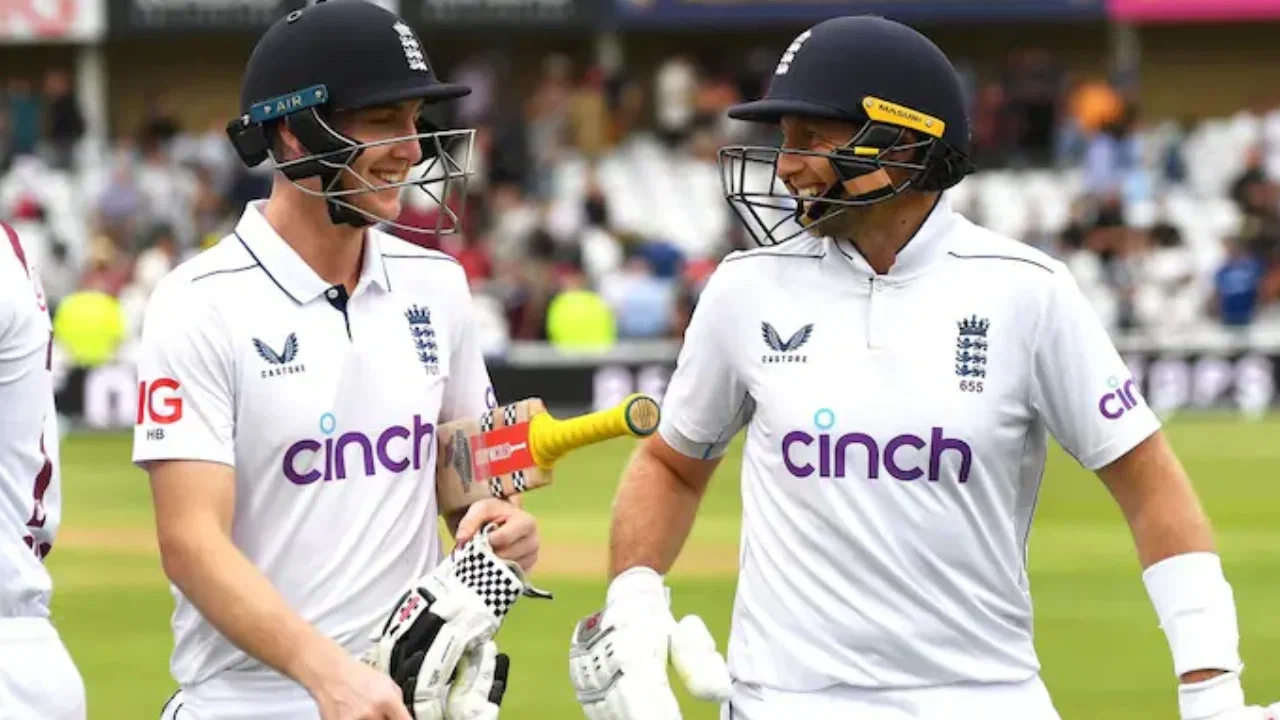
ECB to offer 39 central contracts to England players after Ben Stokes, Mark Wood’s retirement
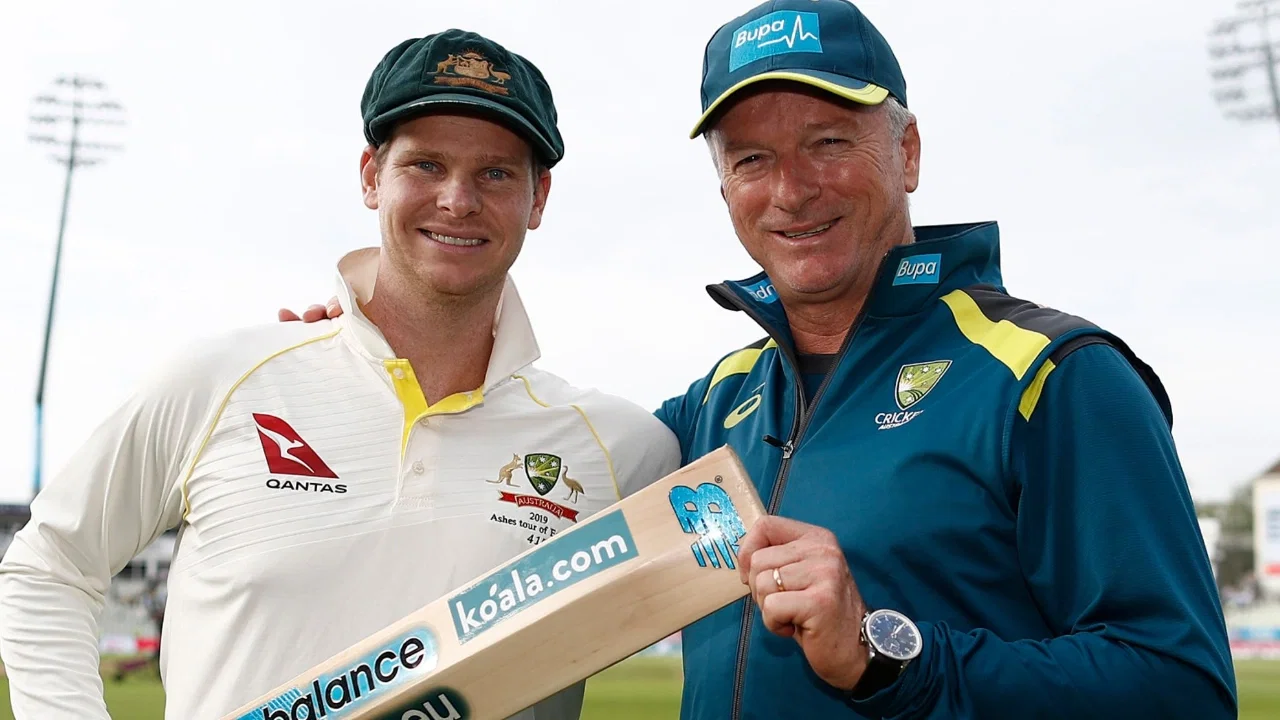
Steve Smith surpasses Steve Waugh in all-time Test run-scorers’ list
Shane Watson identifies Gautam Gambhir’s biggest problem as India struggle for consistency
Is Bhuvneshwar Kumar in India’s 2027 World Cup plans? Ajinkya Rahane makes revelation
BCCI’s big ₹127 Crore move after injury crisis raises concerns over Team India
Parthiv Patel reveals RCB ignored his Jasprit Bumrah recommendation in IPL 2014 Auction
“Never spoke ill of any faith”: Irfan Pathan hits back at fake news using his name
Nic Maddinson bags 33-ball duck on Test comeback, disappoints George Bailey
Imran Tahir predicts 2027 ICC ODI World Cup Semi-Finalists, snubs India for title
Australia create unwanted history with first all-30-plus Test XI