IPL 2026 Is Killing Bowlers: 4 Wild Rule Changes That Could Restore Balance Instantly
The Evolution of T20 Cricket: Balancing the Game Between Batters and Bowlers
Modern T20 cricket has revolutionized the way the game is played, with high-scoring matches becoming the norm. The comparison between cricket and baseball has become more prevalent, with both sports focusing on the interaction between batters, bowlers, and fielders. In the ongoing Indian Premier League (IPL) season, the prediction of 200 runs in a single innings has become a common sight, showcasing the evolution of the game.
The Shift Towards Batters: Impact Players Rule
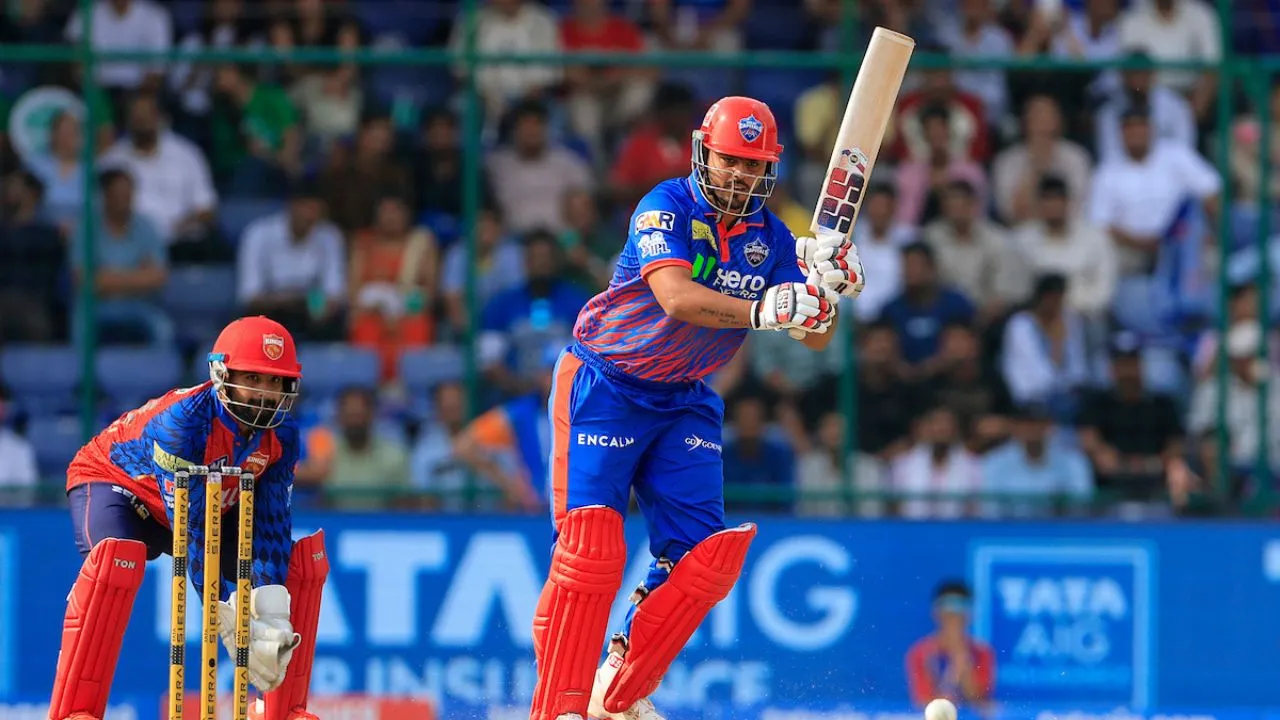
To make IPL matches more entertaining and attract crowds, the introduction of the impact players rule has tilted the game in favor of batters. With restrictions on fielders during powerplays and free hits awarded for no-balls, the rule changes have provided batters with more opportunities to score big. However, the focus on batters has led to concerns about the balance of the game.
Proposed Rule Changes to Support Bowlers
To address the imbalance between batters and bowlers in T20 cricket, several out-of-the-box rule changes have been suggested to give bowlers a competitive edge:
1. Reducing the Powerplay to 4 Overs
Currently, 6 overs in a T20 match are dedicated to the powerplay, favoring batters. By reducing the powerplay to 4 overs, the game could achieve a better balance between batters and bowlers, encouraging fair competition.
2. Introduce Bowlersplay of 4 Overs
Similar to the batting powerplay, the introduction of a Bowlersplay would give bowlers an advantage by allowing them to set their own field placements for 4 overs. This change could spice up the contest and make the game more unpredictable.
3. Reward Dot Balls
While the free-hit rule benefits batters, a ‘Reward Dot Balls’ rule could incentivize bowlers to bowl more economically. Every dot ball could deduct 0.5 runs from the batting team’s score, encouraging bowlers to focus on building pressure.
4. One Bowler Can Bowl 5 Overs
Breaking away from tradition, allowing one bowler to bowl 5 overs in a T20 match could provide bowlers with more opportunities to make an impact. This rule change would add an element of strategy and excitement to the game, keeping both batters and bowlers on their toes.
As T20 cricket continues to evolve, finding the right balance between batters and bowlers is crucial to maintaining the competitiveness and appeal of the game. By implementing innovative rule changes, the IPL and other T20 leagues can ensure that matches remain thrilling and unpredictable for fans around the world.
Shift in Batting Techniques
One of the key factors contributing to the dominance of batters in T20 cricket is the evolution of batting techniques. Batters have become more innovative and aggressive, employing a wide range of shots to score quickly. The introduction of unorthodox shots like the scoop, ramp, and switch hit has added a new dimension to batting in T20 cricket. Players are constantly looking for ways to outsmart the bowlers and find gaps in the field to maximize their scoring potential.
Bowling Strategies and Variations
On the other hand, bowlers have also adapted to the demands of T20 cricket by developing new strategies and variations. The rise of mystery spinners, who can bowl a variety of deliveries with subtle changes in pace and spin, has made it challenging for batters to predict their next move. Fast bowlers have also honed their skills in executing yorkers, slower balls, and bouncers with precision to keep the batters on their toes. The battle between batters and bowlers has intensified as both sides continuously innovate to gain the upper hand.
The Role of Fielding in T20 Cricket
Fielding has emerged as a crucial aspect of T20 cricket, with teams focusing on agility, speed, and precision in their fielding efforts. The introduction of relay catches, acrobatic saves on the boundary, and quick throws to the wicketkeeper has raised the bar for fielding standards in the game. Fielders are expected to cover more ground, anticipate the batters’ shots, and execute run-outs with lightning-fast reflexes. A strong fielding unit can turn the tide of a match by creating pressure on the batters and restricting their scoring opportunities.
The Impact of Data Analytics
Advancements in data analytics have played a significant role in shaping the strategy and decision-making process in T20 cricket. Teams now rely on data-driven insights to analyze player performance, opposition weaknesses, match conditions, and optimal batting/bowling lineups. The use of technology and statistical analysis has enabled teams to make informed decisions in real-time, leading to more calculated risks and strategic plays on the field. Data analytics have become a game-changer in T20 cricket, providing teams with a competitive edge in a fast-paced and unpredictable format.
Global Expansion of T20 Leagues
With the success of leagues like the IPL, Big Bash League, and Caribbean Premier League, T20 cricket has witnessed a global expansion. The popularity of T20 leagues has not only attracted top international players but has also provided a platform for emerging talents to showcase their skills on a big stage. The competitive nature of T20 leagues has raised the standard of cricket worldwide, with teams constantly looking to push the boundaries and set new benchmarks in the game. The evolution of T20 cricket shows no signs of slowing down, as the format continues to captivate audiences and redefine the way the sport is played.
By exploring the various aspects of T20 cricket, from batting techniques to bowling strategies, fielding skills, data analytics, and global expansion, it becomes evident that the game is in a constant state of evolution. The balance between batters and bowlers remains a crucial aspect of T20 cricket, with teams and leagues exploring innovative ways to maintain competitiveness and entertainment value. As the game continues to evolve, fans can expect more thrills, surprises, and nail-biting finishes in the ever-exciting world of T20 cricket.
Latest News

Top 10 highest run-chases in T20 cricket history, ft. West Indies’ Ranchi win vs India

Aaryavir Sehwag and Anvay Dravid set to make headlines at U19 Asia Cup 2026

Longest ducks in Test cricket history ft. Nic Maddinson, Shoaib Akhtar

ECB to offer 39 central contracts to England players after Ben Stokes, Mark Wood’s retirement

Steve Smith surpasses Steve Waugh in all-time Test run-scorers’ list

Shane Watson identifies Gautam Gambhir’s biggest problem as India struggle for consistency

Is Bhuvneshwar Kumar in India’s 2027 World Cup plans? Ajinkya Rahane makes revelation

BCCI’s big ₹127 Crore move after injury crisis raises concerns over Team India

Parthiv Patel reveals RCB ignored his Jasprit Bumrah recommendation in IPL 2014 Auction

“Never spoke ill of any faith”: Irfan Pathan hits back at fake news using his name

Nic Maddinson bags 33-ball duck on Test comeback, disappoints George Bailey

Imran Tahir predicts 2027 ICC ODI World Cup Semi-Finalists, snubs India for title

Australia create unwanted history with first all-30-plus Test XI

Ravindra Jadeja returns to Ranji Trophy as Saurashtra announce squad