“It’s unfair with Pakistan” – Nasser Hussain makes strong statement after India’s win in T20 World Cup 2026

Former England Captain Nasser Hussain Highlights Disparity in Women’s Cricket
In a recent statement, former England captain Nasser Hussain raised concerns about the widening gap between top teams and emerging nations in women’s cricket. Hussain pointed out the challenges faced by teams like Pakistan Women, emphasizing the lack of access to franchise cricket opportunities for players in these nations.
India Dominates Pakistan in Women’s T20 World Cup 2026
The discussion sparked following India’s comprehensive victory over Pakistan in the Women’s T20 World Cup 2026. Led by Harmanpreet Kaur, the India Women’s team triumphed over Pakistan Women by 64 runs in a Group A match held at Edgbaston, Birmingham on Sunday, June 14. The one-sided contest highlighted the disparity in performance between the two teams.
India showcased a dominant display by posting 170/6 in their 20 overs, with opener Smriti Mandhana leading the charge with an impressive 68 runs off 44 balls. Her contribution, along with captain Harmanpreet Kaur’s 36 runs and Richa Ghosh’s quick-fire 34 runs towards the end, laid a strong foundation for India’s victory.
Franchise Cricket Opportunities Impacting Performance
Nasser Hussain emphasized that the current structure of women’s cricket favors stronger teams that have regular exposure to franchise leagues. He highlighted how players from leading nations benefit from these opportunities, improving their skills and consequently raising the overall standard of their national teams.
He stated, “You look at the big sides, and it’s a bit self-perpetuating because they are playing more franchise cricket, they get better, and because they get better, their nation gets better. And because that happens, they play more franchise cricket.”
Promoting Inclusivity in Global Cricket
Hussain advocated for a more inclusive approach in global cricket by encouraging franchise teams to pick talented players from nations like Pakistan and Bangladesh. He specifically mentioned Pakistan all-rounder Fatima Sana and Bangladeshi cricketer Marufa Akter as deserving contenders for major leagues, highlighting the need for a more competitive and balanced playing field.
He expressed, “So it is not fair for Bangladesh and Pakistan, who don’t have players going off to play in The Hundred. You know, Marufa Akter from Bangladesh took wickets again yesterday, and Fatima Sana as well. These are excellent cricketers. World cricket and franchise cricket should be signing these cricketers so that the competition is genuinely worldwide.”
Pakistan’s Struggles Reflect Disparity
Pakistan’s challenges were evident in their pursuit of India’s total, as they faltered and were bowled out for 106 runs in 17 overs. India’s dominance was highlighted by their bowlers, with Ekta Bisht returning remarkable figures of 5/10 and Sree Charani providing strong support with 3/21, securing a commanding victory for India.
In conclusion, the discussion led by Nasser Hussain sheds light on the importance of bridging the gap in women’s cricket by providing equal opportunities and exposure to players from emerging nations. With a more inclusive approach and increased participation in franchise cricket, the global game can witness enhanced competitiveness and a more level playing field for all teams.
Challenges Faced by Emerging Nations in Women’s Cricket
While the dominance of powerhouse teams like India in women’s cricket is evident, the struggles faced by emerging nations like Pakistan and Bangladesh cannot be overlooked. These teams often lack the resources, infrastructure, and exposure needed to compete at the same level as their counterparts. Limited opportunities for international fixtures, lack of funding, and minimal access to high-quality coaching are some of the key challenges that hinder the growth and development of women’s cricket in these countries.
Moreover, the absence of regular participation in top-tier tournaments and leagues further widens the gap between established teams and emerging nations. Players from countries with strong cricketing traditions have more opportunities to showcase their skills on a global stage, attracting attention from franchise teams and scouts. This exposure not only enhances their individual performance but also contributes to the overall progress of their national teams.
Impact of Franchise Cricket on Player Development
The significance of franchise cricket in shaping the skills and experience of women cricketers cannot be overstated. Leagues like The Hundred, Women’s Big Bash League, and Women’s T20 Challenge have provided a platform for players to compete alongside and against some of the best in the world. The exposure to different playing conditions, coaching methods, and pressure situations has helped players improve their game and elevate their performance to a higher standard.
For players from emerging nations, the opportunity to participate in franchise leagues can be transformative. It not only enhances their technical abilities but also boosts their confidence and exposes them to the rigors of professional cricket. By playing alongside top international stars and against quality opposition, players from countries like Pakistan and Bangladesh can bridge the gap and narrow the disparity in women’s cricket.
Paving the Way for a More Inclusive Future
To promote inclusivity and diversity in women’s cricket, it is essential for stakeholders, including cricket boards, franchise teams, and organizers, to prioritize talent from all regions. By scouting and recruiting players from emerging nations, franchise leagues can create a more level playing field where talent and skill take precedence over nationality. This approach not only benefits the individual players but also enriches the overall cricketing landscape by introducing fresh perspectives and styles of play.
Furthermore, initiatives to support grassroots development and youth programs in countries with limited resources can lay the foundation for a more competitive and balanced global cricket ecosystem. Investing in coaching clinics, infrastructure upgrades, and talent identification programs can unearth hidden gems and nurture the next generation of cricketing stars from diverse backgrounds.
Embracing Diversity for the Growth of Women’s Cricket
As women’s cricket continues to gain popularity and recognition on the world stage, embracing diversity and promoting inclusivity are crucial steps towards ensuring its sustained growth and success. By addressing the disparities highlighted by Nasser Hussain and advocating for equal opportunities for players from all nations, the cricketing community can foster a more vibrant and competitive landscape where talent knows no boundaries.
Ultimately, the collective efforts of stakeholders, players, and fans are essential in driving positive change and creating a future where women’s cricket thrives as a truly global sport, enriched by the contributions of players from every corner of the world.
Latest News
Top 10 highest run-chases in T20 cricket history, ft. West Indies’ Ranchi win vs India
Aaryavir Sehwag and Anvay Dravid set to make headlines at U19 Asia Cup 2026

Longest ducks in Test cricket history ft. Nic Maddinson, Shoaib Akhtar

ECB to offer 39 central contracts to England players after Ben Stokes, Mark Wood’s retirement

Steve Smith surpasses Steve Waugh in all-time Test run-scorers’ list

Shane Watson identifies Gautam Gambhir’s biggest problem as India struggle for consistency
Is Bhuvneshwar Kumar in India’s 2027 World Cup plans? Ajinkya Rahane makes revelation
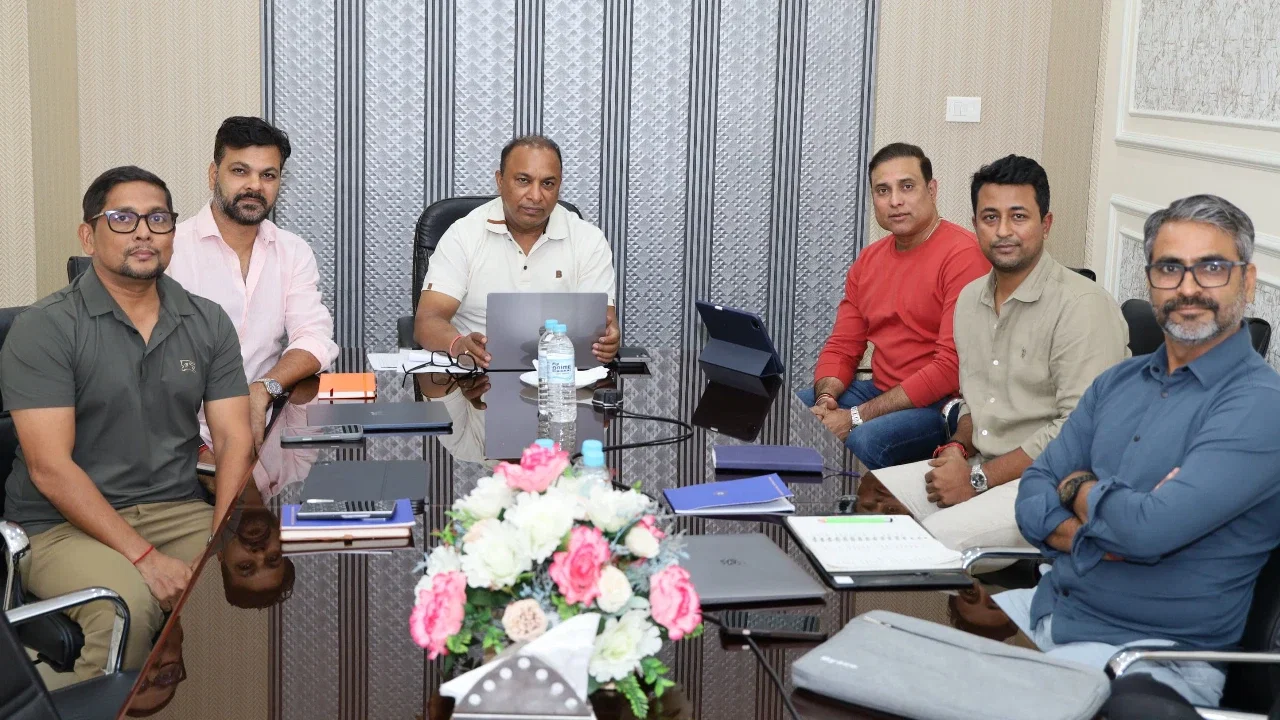
BCCI’s big ₹127 Crore move after injury crisis raises concerns over Team India

Parthiv Patel reveals RCB ignored his Jasprit Bumrah recommendation in IPL 2014 Auction
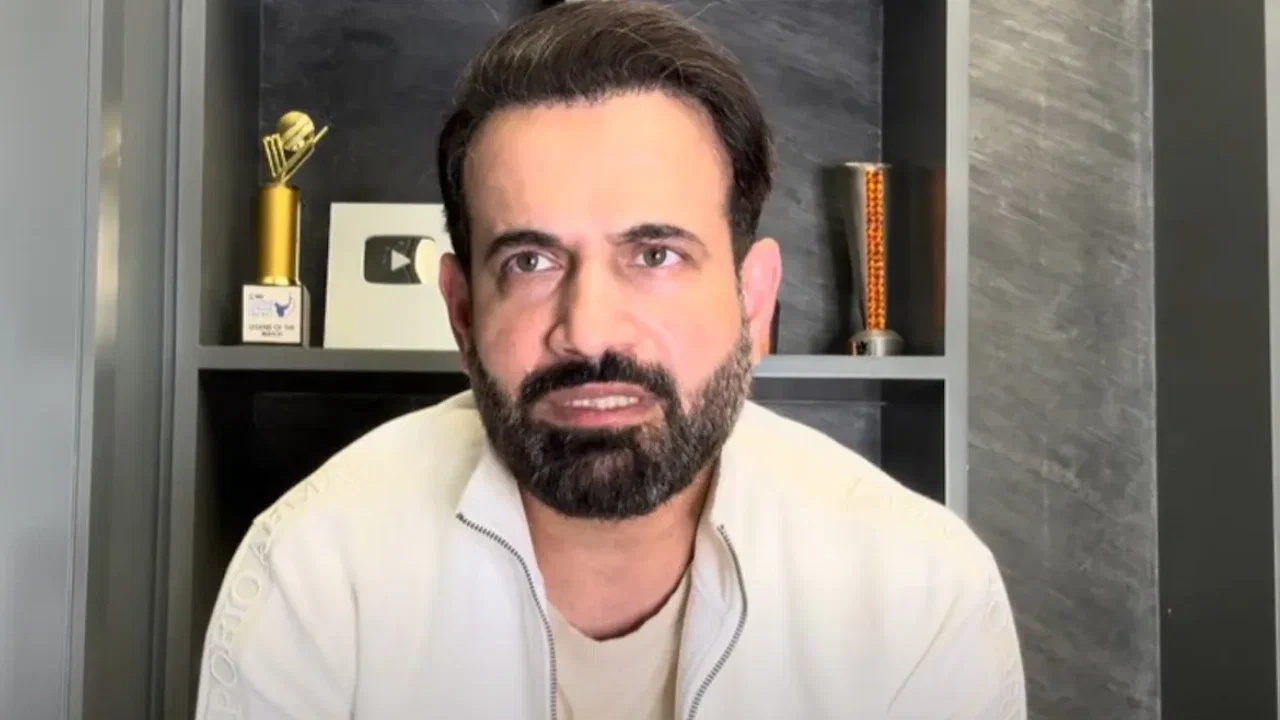
“Never spoke ill of any faith”: Irfan Pathan hits back at fake news using his name
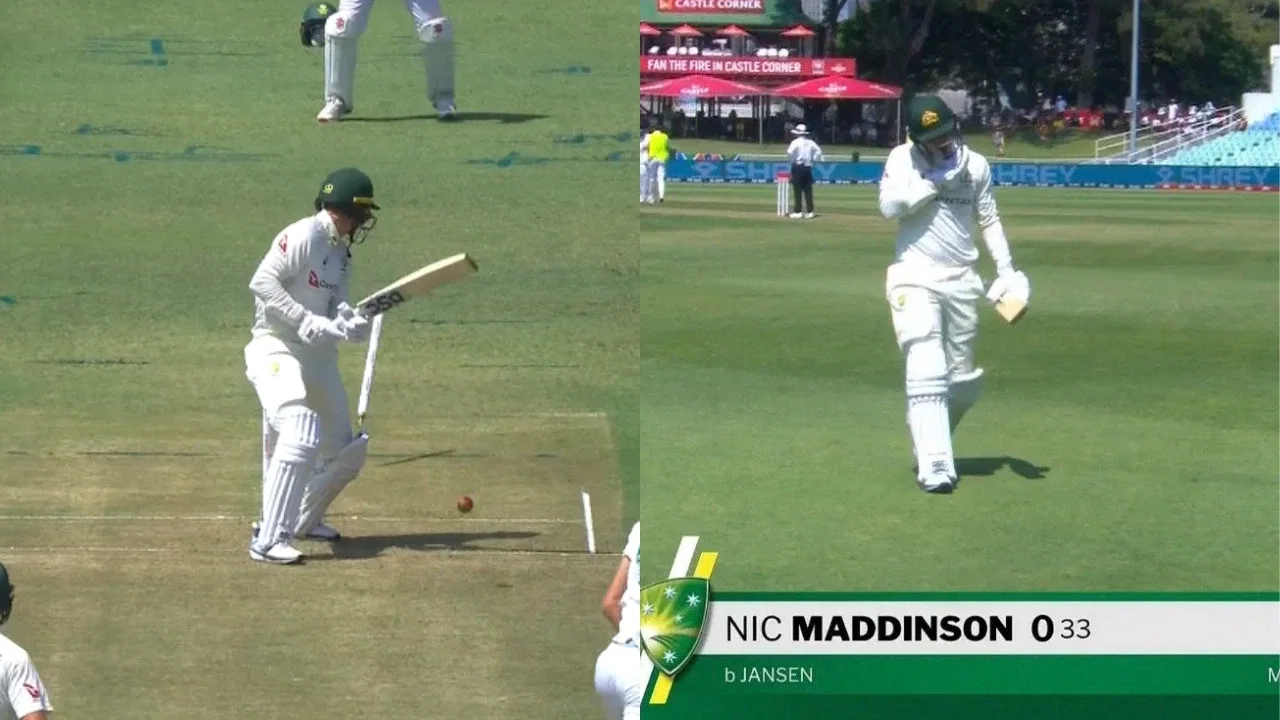
Nic Maddinson bags 33-ball duck on Test comeback, disappoints George Bailey
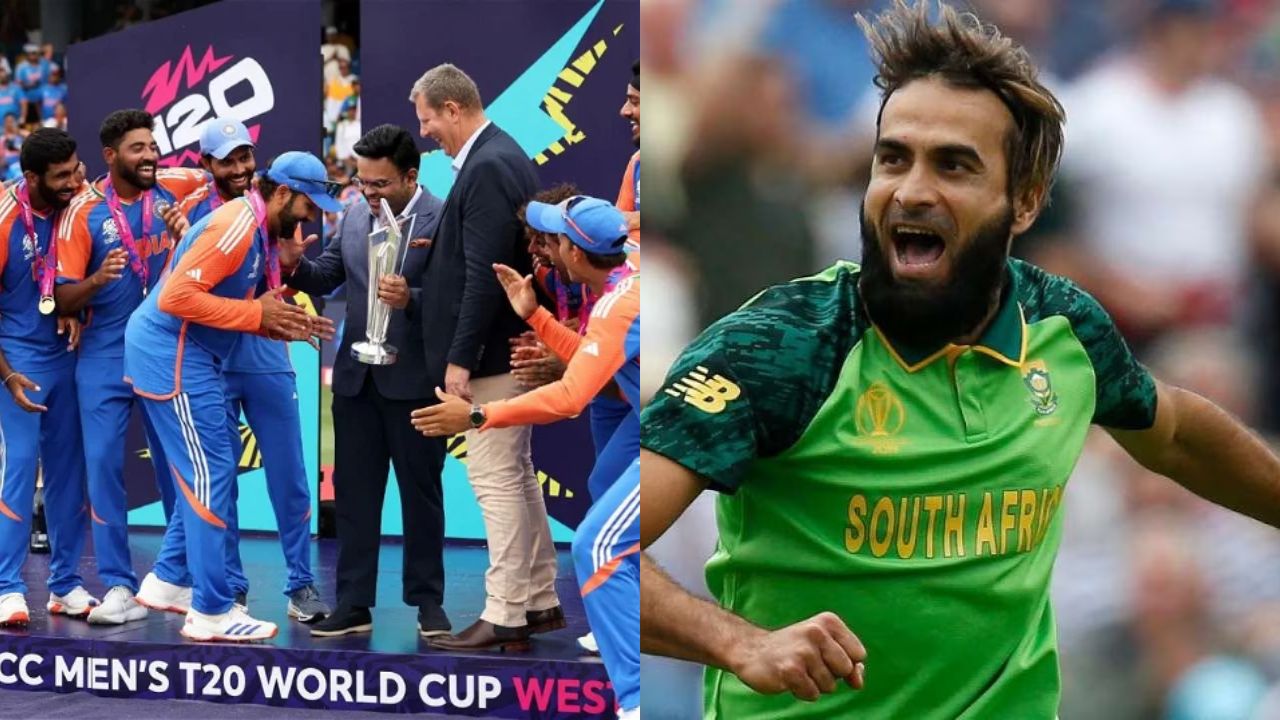
Imran Tahir predicts 2027 ICC ODI World Cup Semi-Finalists, snubs India for title
Australia create unwanted history with first all-30-plus Test XI
Ravindra Jadeja returns to Ranji Trophy as Saurashtra announce squad