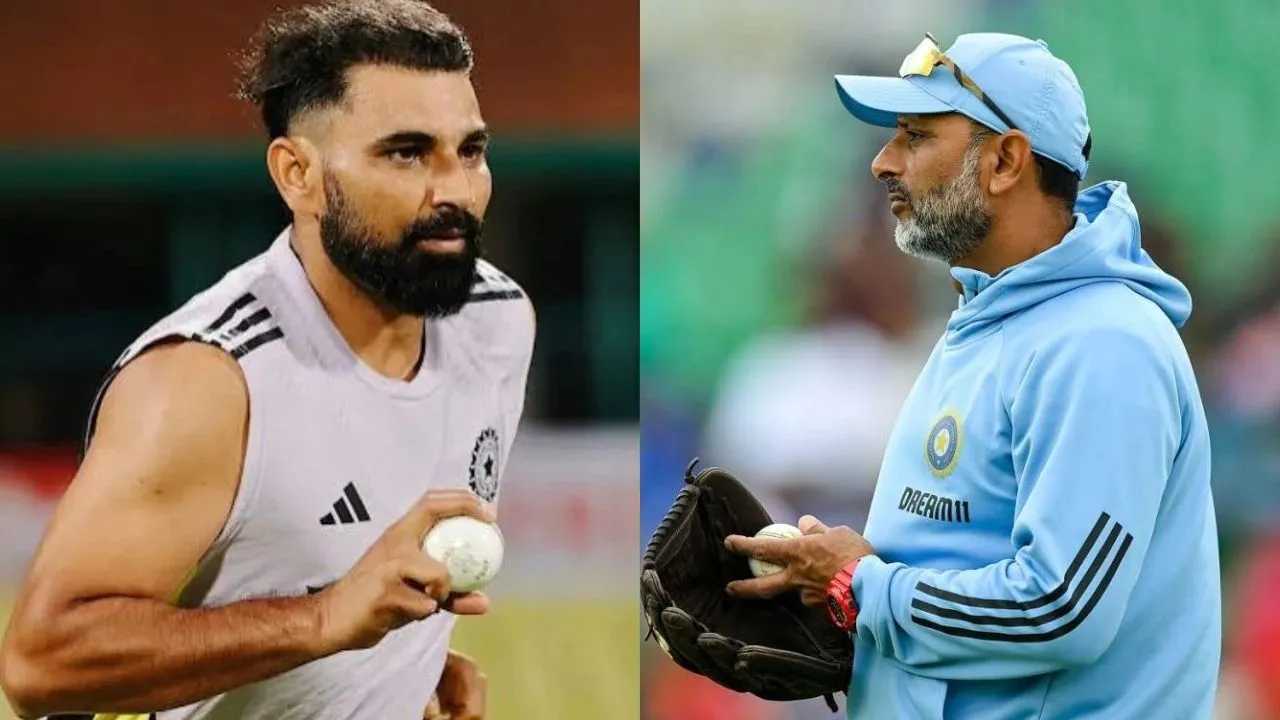
Lalit Modi accuses BCCI of killing Indian players amid IPL 2026
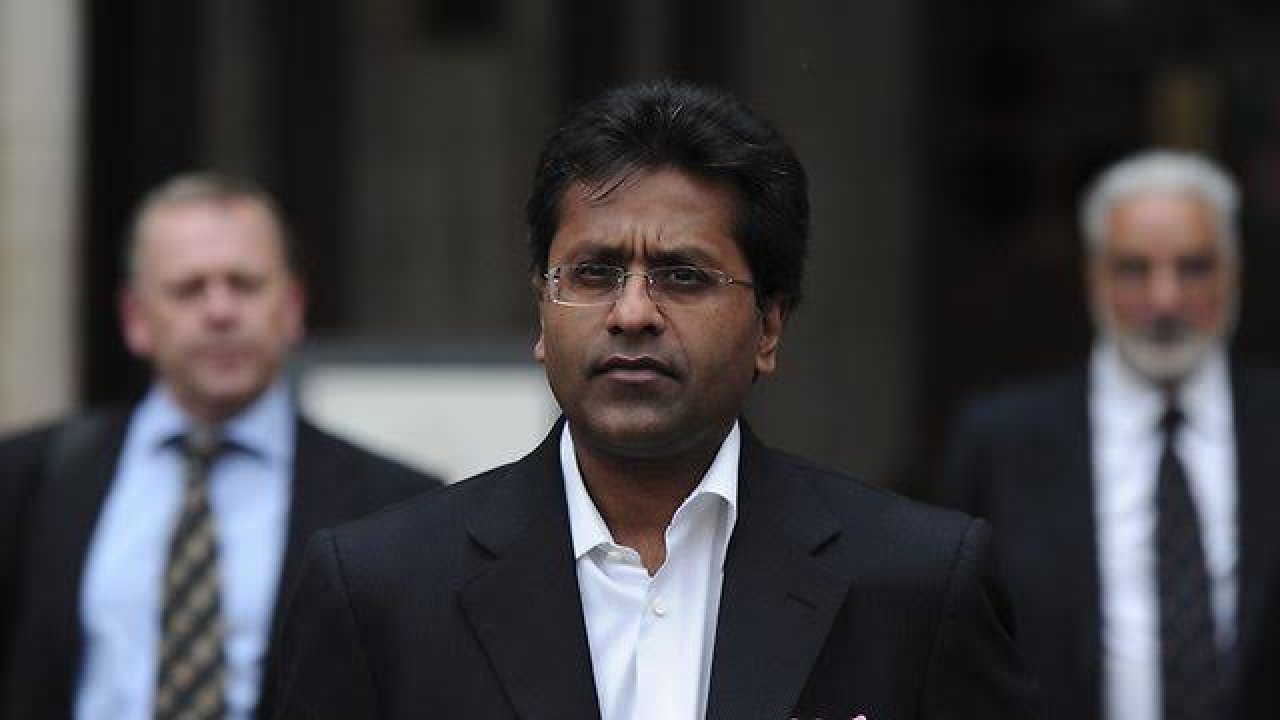
Former IPL Chairman Lalit Modi Criticizes BCCI Over Player Welfare and Scheduling
Former IPL chairman Lalit Modi recently took to social media to express his concerns regarding the scheduling and welfare of players under the Board of Control for Cricket in India (BCCI). Modi criticized the BCCI for what he called ‘outrageous scheduling’ and emphasized the importance of allowing players to spend time with their families.
Lalit Modi’s Response to NDTV Report
Modi’s comments came in response to a report by NDTV, highlighting head coach Gautam Gambhir’s dissatisfaction with the tight scheduling for the team. The final of IPL 2026 is set for May 31, with India scheduled to play Afghanistan in a one-off Test match on June 6, just six days later. This proximity between the IPL final and the Test match raises concerns about player fatigue and potential resting of senior players.
Modi criticized the BCCI for what he perceived as ‘hectic scheduling’ that could be detrimental to the players’ well-being. He suggested that the Board should prioritize the welfare of the players and include more former players in its management structure, along with appointing a professional CEO.
India’s Recent Struggles and Need for Downtime
India’s recent struggles in Test cricket at home, including whitewashes by New Zealand in 2024 and South Africa in 2025, have raised questions about the team’s performance and coaching staff. The decision to potentially rest senior players for the Afghanistan Test match has sparked debates about the impact on India’s chances in the World Test Championship.
With India’s qualification for the WTC final at risk, fans and experts have questioned the effectiveness of coach Gambhir in red-ball cricket. The team’s poor performances at home have underscored the need for adequate preparation and player downtime to maintain peak performance levels.
Lalit Modi’s Recommendations for BCCI
In his critique of the BCCI, Lalit Modi urged the Board to prioritize the self-development of players and treat them with respect, rather than overworking them. He emphasized the importance of paying competitive salaries to players and improving human resource management within the organization.
Modi also called on the BCCI to enhance the overall fan experience in stadiums and focus on creating a more player-friendly environment. His comments reflect a growing concern within the cricket community about the balance between player welfare and performance expectations in a demanding international cricket calendar.
As discussions around player scheduling and welfare continue to evolve, stakeholders in Indian cricket will need to address these challenges to ensure the long-term success and sustainability of the sport.
The Impact of Player Fatigue on Performance
Player fatigue is a significant concern in modern cricket, with the packed schedule of matches across formats putting immense pressure on players. The issue of burnout has been a recurring theme in the sport, with players often juggling between domestic leagues like the IPL and international commitments. This hectic schedule can not only affect a player’s physical health but also impact their mental well-being and performance on the field.
Studies have shown that overworked players are more prone to injuries, decreased performance levels, and mental exhaustion. The demanding nature of cricket, with its physically and mentally taxing matches, requires players to have adequate rest periods to recover and perform at their best. Neglecting player welfare in favor of commercial interests or tight schedules can have long-term consequences for the players and the team as a whole.
The Importance of Rest and Recovery
Rest and recovery are essential components of an athlete’s training regimen, allowing their bodies to heal, adapt, and improve. In cricket, where players face grueling matches that can last several days, the need for downtime becomes even more critical. Adequate rest periods between matches and series enable players to recharge physically and mentally, reducing the risk of injuries and burnout.
Coaches and support staff play a crucial role in managing player workload and ensuring that they receive the necessary rest to maintain peak performance levels. Monitoring players’ workload, implementing rotation policies, and providing access to sports psychologists and fitness experts are all strategies that can help prevent fatigue and enhance player well-being.
Balancing Commercial Interests with Player Welfare
The commercial success of leagues like the IPL has transformed the landscape of cricket, with lucrative contracts and endorsement deals enticing players to participate in various tournaments around the world. While these opportunities can be financially rewarding for players, they also come with added pressure and demands on their time and energy.
Finding a balance between commercial interests and player welfare is a delicate task for cricket boards like the BCCI. Prioritizing the well-being of players while maintaining the financial viability of the sport requires careful planning, communication, and collaboration with stakeholders. By listening to the concerns raised by former players like Lalit Modi and implementing policies that support player welfare, the BCCI can create a more sustainable and player-friendly environment for the future.
Looking Ahead: The Future of Player Welfare in Cricket
As cricket continues to evolve and expand globally, the issue of player welfare will remain a top priority for administrators, coaches, and players alike. The challenges posed by the demanding schedule of international cricket, coupled with the rise of T20 leagues and other commercial ventures, necessitate a holistic approach to managing player workload and ensuring their well-being.
By promoting a culture of respect, balance, and support for players, cricket boards can cultivate a more sustainable and successful environment for the sport. Investing in the health and happiness of players not only benefits the individuals themselves but also contributes to the overall growth and competitiveness of the game.
As stakeholders in Indian cricket reflect on Lalit Modi’s criticisms and recommendations, they have an opportunity to reshape the future of the sport by prioritizing player welfare and fostering a culture of excellence both on and off the field.
Latest News
Top 10 highest run-chases in T20 cricket history, ft. West Indies’ Ranchi win vs India
Aaryavir Sehwag and Anvay Dravid set to make headlines at U19 Asia Cup 2026
Longest ducks in Test cricket history ft. Nic Maddinson, Shoaib Akhtar

ECB to offer 39 central contracts to England players after Ben Stokes, Mark Wood’s retirement
Steve Smith surpasses Steve Waugh in all-time Test run-scorers’ list

Shane Watson identifies Gautam Gambhir’s biggest problem as India struggle for consistency
Is Bhuvneshwar Kumar in India’s 2027 World Cup plans? Ajinkya Rahane makes revelation

BCCI’s big ₹127 Crore move after injury crisis raises concerns over Team India

Parthiv Patel reveals RCB ignored his Jasprit Bumrah recommendation in IPL 2014 Auction
“Never spoke ill of any faith”: Irfan Pathan hits back at fake news using his name
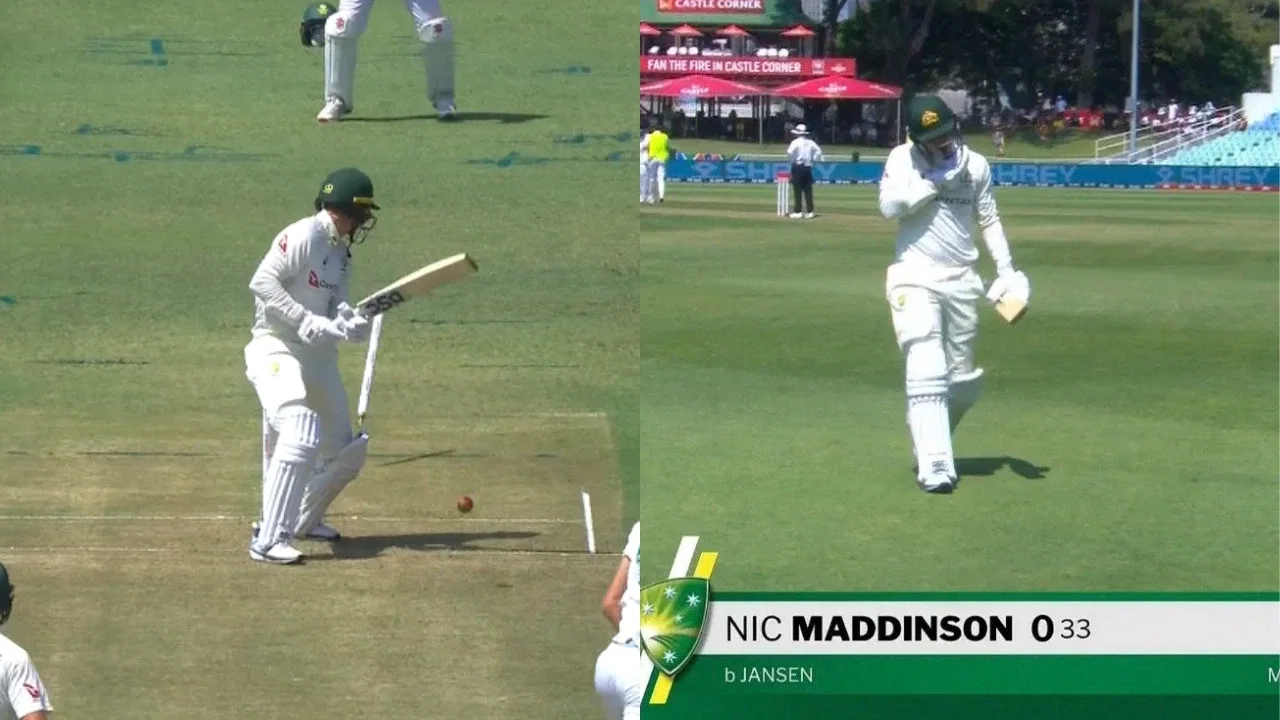
Nic Maddinson bags 33-ball duck on Test comeback, disappoints George Bailey

Imran Tahir predicts 2027 ICC ODI World Cup Semi-Finalists, snubs India for title
Australia create unwanted history with first all-30-plus Test XI
Ravindra Jadeja returns to Ranji Trophy as Saurashtra announce squad