Match-fixing charges hit two former BPL officials: BCB confirms
Bangladesh Cricket Board Targets Corruption with New Charges Against BPL Officials
The Bangladesh Cricket Board (BCB) has taken significant steps in its ongoing battle against corruption within the country’s premier T20 league, the Bangladesh Premier League (BPL). This week, the BCB announced the provisional suspension and formal charges against two former officials associated with BPL teams, marking a crucial development in its comprehensive anti-corruption crackdown. The charges stem from serious allegations of match-fixing, obstructing investigations, and failing to cooperate with anti-corruption authorities, casting a shadow over the integrity of Bangladesh’s most popular cricket tournament.
Understanding the Context: The BPL’s Troubled History with Corruption
The BPL has long been a flagship event for Bangladesh cricket, attracting top international players and a passionate local fanbase. However, its reputation has been marred intermittently by allegations of corruption, betting scandals, and governance issues. The recent surge in disciplinary actions underscores the BCB’s renewed commitment to restoring transparency and upholding the sport’s integrity.
Over the past year, the BCB has intensified its anti-corruption initiatives, collaborating closely with the International Cricket Council (ICC) to ensure rigorous enforcement of the ICC Anti-Corruption Code. The latest charges reflect a broader effort to clean up the league and send a strong message that corruption will not be tolerated at any level of Bangladesh cricket.
Breaking Down the Charges: Who Are the Accused and What Are They Facing?
Md. Abdul Kayum Rashed: A Former Team Owner Under Scrutiny
Md. Abdul Kayum Rashed, once the owner of the Chattogram Royals, now finds himself at the center of a complex corruption investigation. The BCB Integrity Unit (BCBIU) has formally charged Rashed with multiple violations of the ICC Anti-Corruption Code, notably relating to the 12th edition of the BPL. Rashed has been provisionally suspended from all cricket-related activities pending the outcome of the investigation.
Prediction of the Charges: The investigation suggests that Rashed may have attempted to influence or manipulate match outcomes, a serious breach that could have far-reaching consequences. His case exemplifies the ongoing challenge of rooting out corruption at the administrative and ownership levels of cricket leagues worldwide.
Specifically, Rashed faces four charges under the ICC code, including:
- Article 2.1.1: Alleged fixing or attempting to fix match results or influence match conduct improperly.
- Article 2.4.4: Failure to report approaches or invitations related to corrupt conduct—an obligation under the ICC’s anti-corruption protocols.
- Articles 2.4.6 and 2.4.7: Obstruction and failure to cooperate, notably by refusing to provide his mobile phone for forensic examination, thereby hindering the investigation process.
Rashed has been given 14 days to respond to the charges, after which the case will proceed to the anti-corruption tribunal. His case serves as a warning to other officials about the seriousness of compliance and transparency in cricket governance.
Md. Amin Khan: Allegations of Match Manipulation and Obstruction
Similarly, Md. Amin Khan, who served as an operations manager for Durbar Rajshahi during the 11th edition and later for Chattogram Royals in the 12th edition, faces grave allegations. The BCB has charged him with similar violations, emphasizing the league’s focus on rooting out match-fixing and related misconduct among operational staff.
His charges include:
- Article 2.1.1: Accused of fixing or improperly influencing match results or conduct.
- Article 2.1.4: Soliciting, inducing, or facilitating other participants to engage in corrupt practices.
- Articles 2.4.6 and 2.4.7: Failing to cooperate by concealing or destroying relevant communications and obstructing the investigation.
Like Rashed, Khan has been provisionally suspended and granted 14 days to respond. The ongoing disciplinary process aims to establish the full scope of his involvement and ensure accountability.
Broader Efforts and Ongoing Investigations
The recent charges against Rashed and Khan are part of a broader crackdown by the BCB, which has previously suspended five participants in May over allegations ranging from betting to non-disclosure of approaches. The crackdown extends to high-level figures, with the BCB charging former board director Muhammad Mukhlesur Rahman Shamim, security liaison officer Zakir Hossain, and former BCB councillor Rakibul Islam Sunny earlier this month.
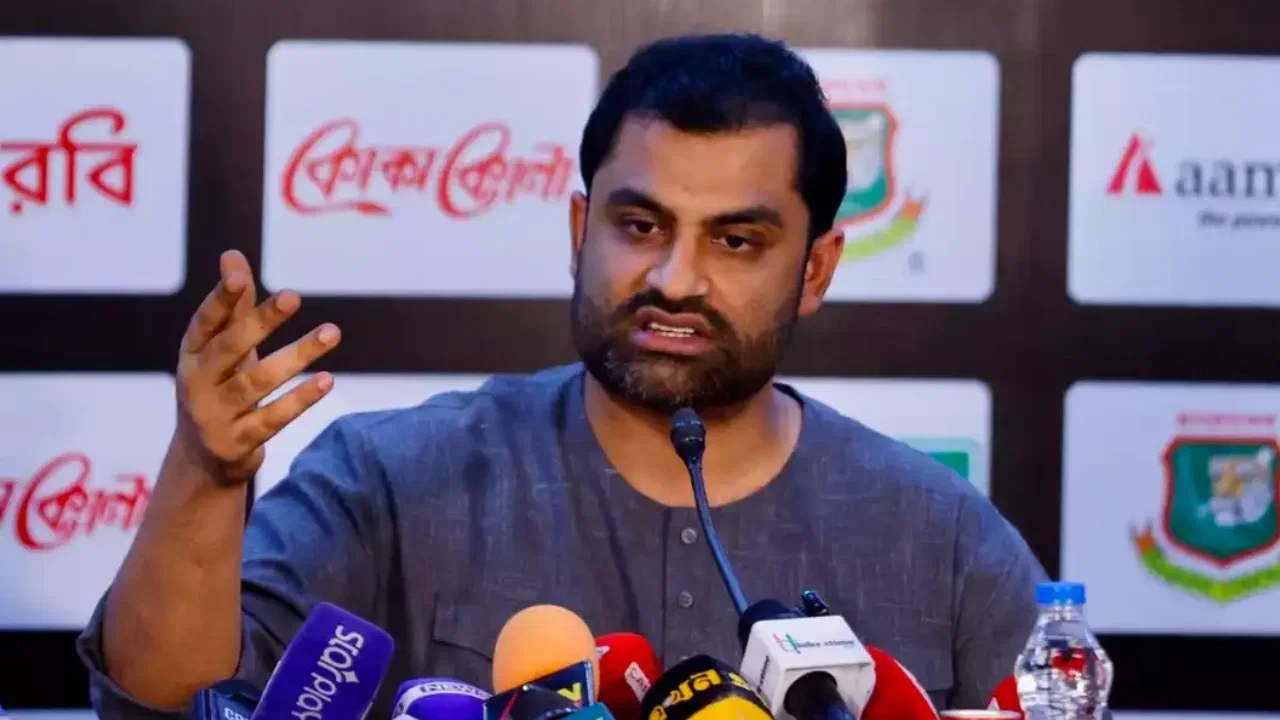
These measures highlight the seriousness with which the BCB approaches integrity issues, especially amid the financial and governance challenges faced by the BPL. The league has been grappling with financial instability, governance lapses, and questions over its future sustainability. BCB President Tamim Iqbal emphasized that resolving these issues is crucial before the tournament can regain its credibility and stability.
The Significance of Prediction and Vigilance in Anti-Corruption Efforts
Prediction plays a vital role in anti-corruption initiatives within cricket. By analyzing patterns of suspicious activities, communication channels, and behavioral shifts among officials and players, authorities can proactively identify potential threats before they materialize into full-blown scandals. The recent actions taken by the BCB reflect an anticipatory approach—anticipating possible corruption risks and acting swiftly to prevent them from escalating.
Moreover, the ongoing investigations serve as a reminder that corruption in sports is a complex, multifaceted challenge that requires persistent vigilance, transparency, and strict enforcement of protocols. The proactive measures undertaken by the BCB are in line with global best practices, aiming to preserve the integrity of cricket and restore public confidence.
Implications for the Future of Bangladesh Cricket and the BPL
The charges against high-profile officials underscore the importance of strong governance and accountability in maintaining the credibility of Bangladesh cricket. The BPL’s future hinges on successfully addressing these issues, ensuring fair play, and fostering a culture of integrity.
While the current investigations cast a temporary shadow over the league, they also present an opportunity for reform. The BCB has reiterated its commitment to transparency, promising to implement stricter oversight mechanisms and enhance anti-corruption education for all stakeholders involved in the league.
Prediction: The continued enforcement of anti-corruption measures could lead to a more transparent and trustworthy BPL, attracting more international players and sponsors, and ultimately elevating Bangladesh’s standing in global cricket.
Conclusion: A Pivotal Moment in Bangladesh Cricket’s Fight Against Corruption
The recent charges against Md. Abdul Kayum Rashed and Md. Amin Khan mark a pivotal moment in the Bangladesh Cricket Board’s ongoing fight to safeguard the integrity of its premier league. As the investigation unfolds, the cricket community and fans worldwide will be watching closely, hopeful that these efforts will lead to meaningful reform and a cleaner, more transparent future for Bangladesh cricket.
In the broader context, these developments serve as a stark reminder that vigilance, prediction of potential threats, and unwavering enforcement are essential to combat corruption in sports. Only through such comprehensive efforts can cricket continue to be a sport of integrity, passion, and fairness.
Latest News
Top 10 highest run-chases in T20 cricket history, ft. West Indies’ Ranchi win vs India
Aaryavir Sehwag and Anvay Dravid set to make headlines at U19 Asia Cup 2026
Longest ducks in Test cricket history ft. Nic Maddinson, Shoaib Akhtar
ECB to offer 39 central contracts to England players after Ben Stokes, Mark Wood’s retirement
Steve Smith surpasses Steve Waugh in all-time Test run-scorers’ list

Shane Watson identifies Gautam Gambhir’s biggest problem as India struggle for consistency
Is Bhuvneshwar Kumar in India’s 2027 World Cup plans? Ajinkya Rahane makes revelation
BCCI’s big ₹127 Crore move after injury crisis raises concerns over Team India
Parthiv Patel reveals RCB ignored his Jasprit Bumrah recommendation in IPL 2014 Auction
“Never spoke ill of any faith”: Irfan Pathan hits back at fake news using his name
Nic Maddinson bags 33-ball duck on Test comeback, disappoints George Bailey
Imran Tahir predicts 2027 ICC ODI World Cup Semi-Finalists, snubs India for title
Australia create unwanted history with first all-30-plus Test XI
Ravindra Jadeja returns to Ranji Trophy as Saurashtra announce squad