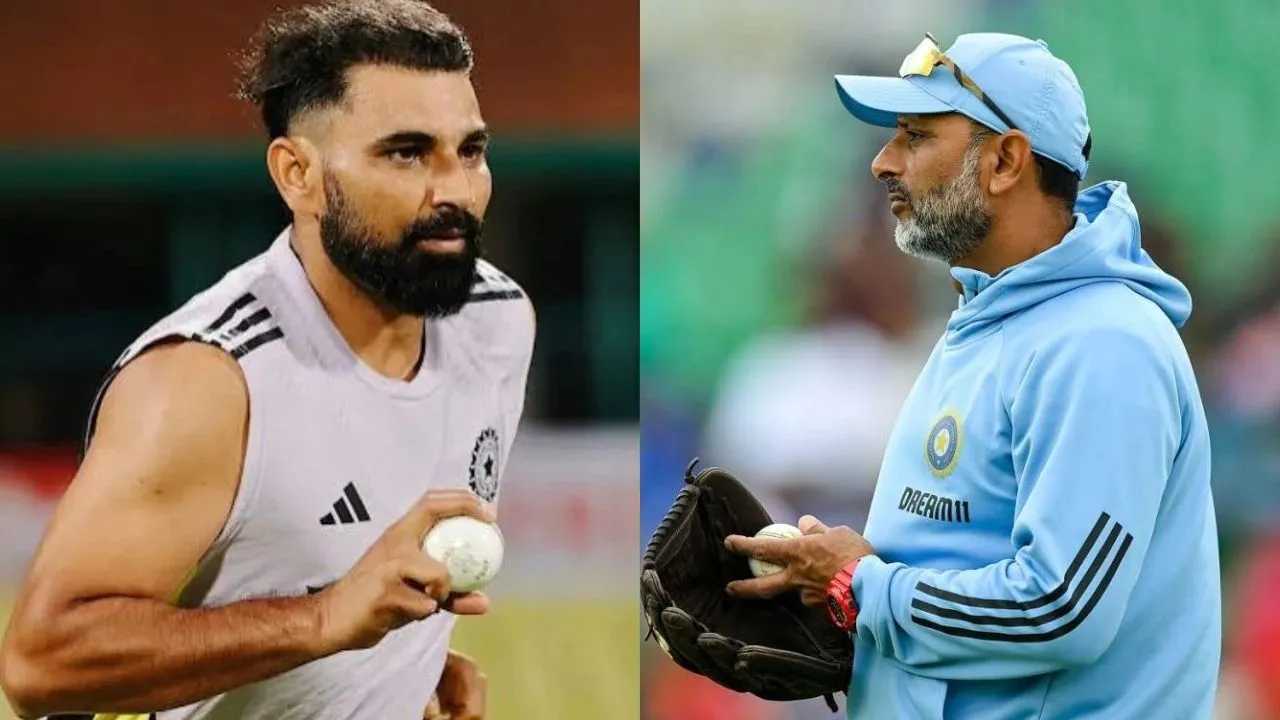
Mohammad Kaif slams Ajit Agarkar and Gautam Gambhir over Suryansh Shedge’s selection for UK tour

Mohammad Kaif Criticizes India’s All-Rounder Selection Criteria
Former Indian cricketer Mohammad Kaif has ignited a debate surrounding the national team’s selection process after newcomer Suryansh Shedge was chosen to replace Nitish Kumar Reddy for the ongoing T20I series against Ireland and the upcoming England tour. Kaif has raised concerns about the term “all-rounder” being used too loosely in Indian cricket, questioning whether players are truly making significant contributions with both bat and ball.
Suryansh Shedge’s Impressive Journey to the Indian Team
Suryansh Shedge earned his maiden call-up to the Indian squad following Reddy’s injury, which has plagued him over the past few years, leading to missed matches and opportunities. The 23-year-old Mumbai all-rounder showcased his talent during the recent one-day tri-series with India A, where he played a crucial role in securing victory against Sri Lanka A and Afghanistan A.
In the tournament, Shedge displayed his prowess with both bat and ball, scoring 147 runs at a strike rate of 120.49 and taking two wickets while maintaining an economy rate of 6.04. His standout performances in the IPL 2026 season with the Punjab Kings further solidified his position as a powerful finisher, scoring 158 runs in seven innings at an impressive average and strike rate.
Kaif’s Critique of Modern Cricket’s All-Rounder Label
As Suryansh Shedge made his debut for India, Mohammad Kaif expressed his dissatisfaction with the evolving definition of an “all-rounder” in cricket. Kaif highlighted the distinction between genuine all-rounders like Kapil Dev, Jacques Kallis, and Andrew Flintoff, who excelled with both bat and ball, and modern players who may only contribute minimally in one aspect of the game.
Kaif emphasized the importance of accurately categorizing players based on their abilities, suggesting that individuals who only bowl a few overs or bat occasionally should not be labeled as all-rounders. He urged for a clearer distinction between batting all-rounders and genuine all-rounders to avoid confusion among fans and analysts.
According to Kaif, the term “all-rounder” should be reserved for players who possess the skills to impact matches significantly with both their batting and bowling performances, drawing inspiration from iconic figures like Kallis and Flintoff. He emphasized the need to honor the legacy of true all-rounders by preserving the integrity of the term within the cricketing community.
Looking Ahead
As the debate surrounding India’s all-rounder selection criteria continues, the cricketing world awaits to see if Kaif’s critique prompts a reevaluation of how players are labeled in the sport. With talented individuals like Suryansh Shedge emerging on the scene, the discussion around defining all-rounders in modern cricket is likely to gain traction, shaping the future of player classification in the sport.
Stay tuned for more updates on the evolving landscape of cricket and the impact of player selection criteria on team dynamics and performance.
The Evolution of All-Rounders in Cricket
The concept of an all-rounder in cricket has evolved over the years, with the game witnessing a shift in the expectations placed on players who carry this label. Historically, all-rounders were considered to be rare talents who could excel with both bat and ball, making significant contributions to their teams in multiple facets of the game. Legends like Kapil Dev, Sir Ian Botham, and Imran Khan epitomized the true essence of being an all-rounder, consistently impacting matches with their versatile skills.
However, as the game has progressed and formats like T20 cricket have gained prominence, the definition of an all-rounder has become more fluid. In modern cricket, players are often categorized as all-rounders based on their ability to provide a balance to the team, rather than excelling in both batting and bowling. This shift in perspective has led to a broader interpretation of what constitutes an all-rounder, blurring the lines between specialists and genuine all-round talents.
The Rise of Specialized All-Rounders
With the emergence of T20 cricket and the increasing demand for versatile players who can adapt to different situations, specialized all-rounders have become valued assets in team compositions. These players may excel either with the bat or ball but provide a specific skill set that enhances team dynamics and strategic flexibility. Specialists like Hardik Pandya, who is known for his explosive batting and effective seam bowling, exemplify this new breed of all-rounders who bring a unique dimension to the game.
While purists may argue that the traditional definition of an all-rounder should be preserved, the reality of modern cricket suggests that specialized all-rounders play a crucial role in shaping the outcome of matches. Their ability to contribute in specific situations, such as in death overs or during powerplays, adds a layer of complexity to team strategies and ensures a well-rounded approach to the game.
Impact on Team Composition and Strategy
The evolution of all-rounders in cricket has had a profound impact on team composition and strategic planning. Coaches and selectors now have a wider pool of players to choose from, each bringing a unique set of skills that can be leveraged depending on the match conditions and opposition. The presence of specialized all-rounders allows teams to tailor their playing XI to suit specific game plans, maximizing their chances of success in different formats and scenarios.
Furthermore, the versatility of modern all-rounders has led to a blurring of roles within the team, with players often required to perform multiple functions based on the demands of the game. This adaptability and flexibility have become key attributes for success in contemporary cricket, emphasizing the importance of players who can contribute in various capacities to tilt the balance in their team’s favor.
Conclusion
As cricket continues to evolve, so too will the definition and role of all-rounders in the sport. While traditionalists may long for the days of iconic figures like Kallis and Flintoff who epitomized the true essence of being an all-rounder, the reality of modern cricket demands a more nuanced approach to player classification. Specialized all-rounders bring a new dynamic to the game, reshaping team dynamics and strategic thinking to adapt to the ever-changing landscape of cricket.
Ultimately, the debate surrounding all-rounders in cricket reflects the broader evolution of the sport, highlighting the need for flexibility, adaptability, and innovation in player selection and team strategies. As fans and analysts continue to scrutinize the role of all-rounders, one thing remains certain – the essence of being an all-rounder will continue to evolve alongside the game itself, shaping the future of cricket for generations to come.
Latest News
Top 10 highest run-chases in T20 cricket history, ft. West Indies’ Ranchi win vs India
Aaryavir Sehwag and Anvay Dravid set to make headlines at U19 Asia Cup 2026

Longest ducks in Test cricket history ft. Nic Maddinson, Shoaib Akhtar
ECB to offer 39 central contracts to England players after Ben Stokes, Mark Wood’s retirement

Steve Smith surpasses Steve Waugh in all-time Test run-scorers’ list

Shane Watson identifies Gautam Gambhir’s biggest problem as India struggle for consistency

Is Bhuvneshwar Kumar in India’s 2027 World Cup plans? Ajinkya Rahane makes revelation

BCCI’s big ₹127 Crore move after injury crisis raises concerns over Team India

Parthiv Patel reveals RCB ignored his Jasprit Bumrah recommendation in IPL 2014 Auction
“Never spoke ill of any faith”: Irfan Pathan hits back at fake news using his name

Nic Maddinson bags 33-ball duck on Test comeback, disappoints George Bailey

Imran Tahir predicts 2027 ICC ODI World Cup Semi-Finalists, snubs India for title

Australia create unwanted history with first all-30-plus Test XI
Ravindra Jadeja returns to Ranji Trophy as Saurashtra announce squad