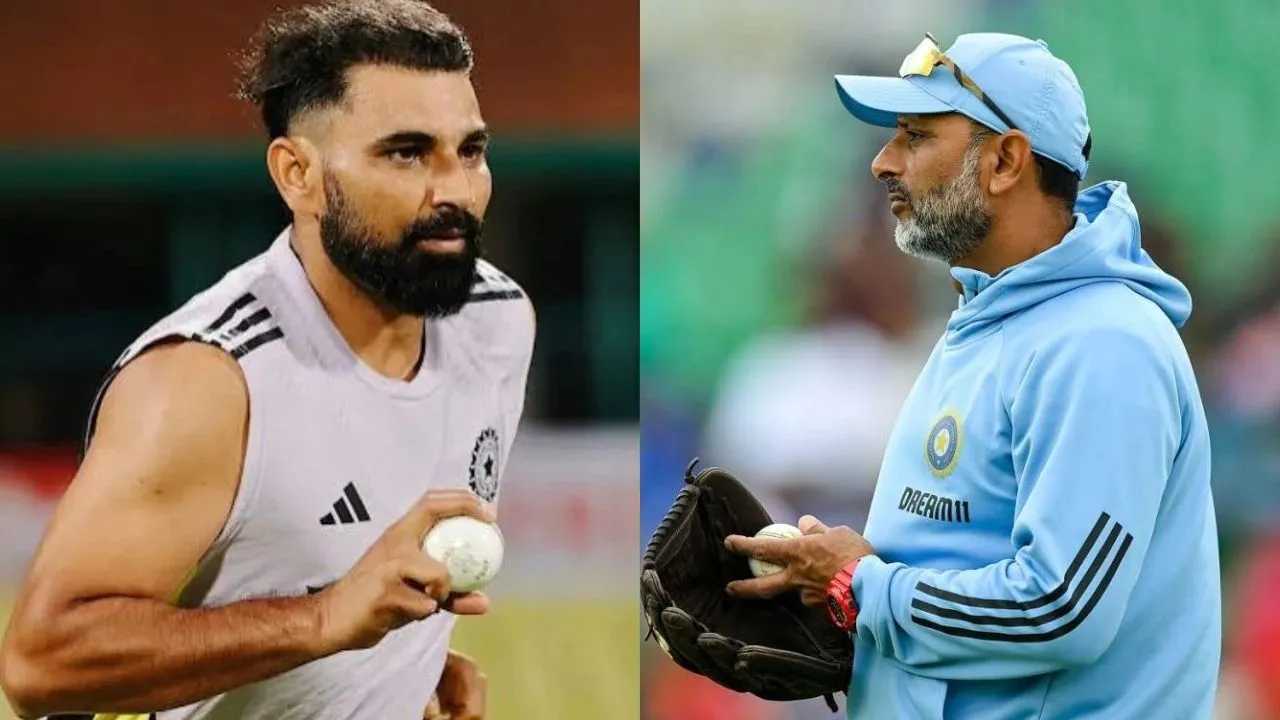
Abhishek Sharma vs Meta: Delhi High Court pushes personality rights case hearing to July 9
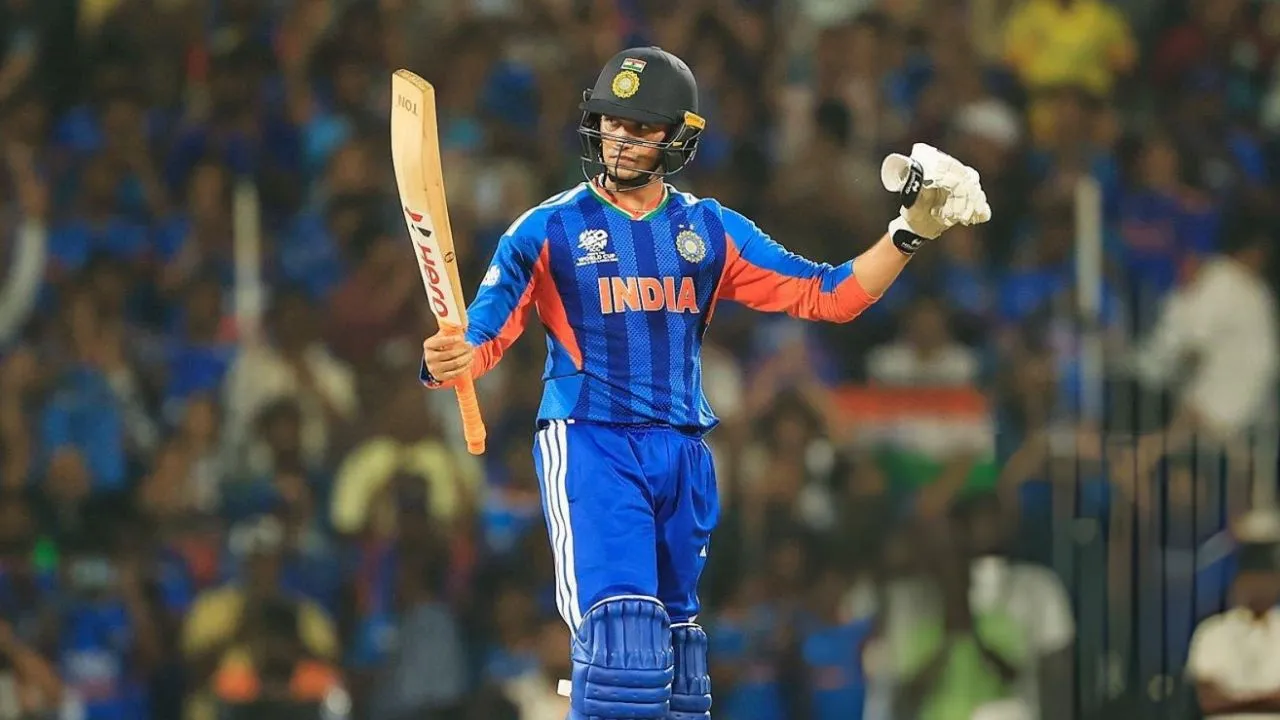
Abhishek Sharma Takes Legal Action Against Online Misuse of Identity
Abhishek Sharma, a prominent player in the India National Cricket Team, has taken a stand against the misuse of his image and identity online. Currently on tour with Team India in England, Sharma has moved to the Delhi High Court to protect his personality rights, as he claims that some online content is misusing his name and photos in a misleading manner. This move comes after Ishan Kishan replaced Abhishek Sharma as the No.1 T20I batter.
Legal Battle Unfolds in Delhi High Court
According to reports from Bar and Bench, Abhishek Sharma’s case was presented before Justice Jyoti Singh in the Delhi High Court. The court has begun examining the web links mentioned in Sharma’s petition, seeking protection of his personality rights in the digital realm. During the hearing, various posts and images that Sharma believes are detrimental to his public image were reviewed.
Although no final order was passed during the hearing, the court has scheduled another session on July 9 to address some unresolved issues in the petition. The complexity of the case was highlighted as Sharma’s legal team and Meta, a social media giant, presented their arguments.
AI-Generated Image Controversy
Sharma’s lawyer argued that the misuse of his client’s identity was not merely a paparazzi issue but involved AI-generated images that misrepresented the cricketer’s actions and emotions. An image showing Sharma in a misleading context, created through artificial intelligence, was a focal point of the legal battle.
Addressing the challenges posed by AI-generated content, the Delhi High Court noted the growing complexity of cases involving personality rights and defamation. The court emphasized the blurred lines between different legal aspects due to the prevalence of edited and AI-generated content on social media platforms.
Meta’s Concerns and Legal Debate
During the proceedings, Meta’s lawyer raised concerns about the increasing number of reported links and the difficulty in monitoring and taking action on such a large scale. The court was informed that the plaintiff initially cited 25 URLs for action but later escalated the number to 4000, posing challenges for platforms like Meta in managing online content related to public figures.
As the legal battle continues, the Delhi High Court remains at the forefront of addressing the intricate challenges presented by online identity misuse and AI-generated content. The outcome of this case could set a significant precedent in safeguarding the digital persona and reputation of individuals, especially public figures like Abhishek Sharma.
Impact on Athletes and Public Figures
Abhishek Sharma’s legal action sheds light on a broader issue faced by athletes and public figures worldwide. With the rise of social media and digital platforms, individuals in the public eye are increasingly vulnerable to identity misuse, deepfake technology, and misinformation campaigns. The repercussions of such actions can be severe, leading to reputational damage, loss of endorsement deals, and even mental health consequences for the individuals involved.
By taking a proactive stance against online misuse of his identity, Sharma sets an example for other athletes and celebrities to safeguard their personal brand and reputation in the digital age. The outcome of this legal battle will not only impact Sharma’s career but also establish new precedents for protecting individuals’ rights in the online sphere.
Ethical Considerations in AI Development
The controversy surrounding AI-generated images in Sharma’s case highlights the ethical implications of artificial intelligence technology. As AI capabilities advance, the potential for misuse and manipulation of digital content grows exponentially. It raises questions about the responsibility of tech companies, social media platforms, and content creators in ensuring the authenticity and integrity of online information.
Legal battles like Sharma’s case prompt a critical examination of the ethical frameworks governing AI development and usage. Regulations and guidelines may need to be updated to address the challenges posed by deepfakes, manipulated images, and misleading content that can harm individuals’ reputations and rights. The intersection of technology, law, and ethics in cases like this showcases the evolving landscape of digital identity protection.
Balancing Freedom of Speech with Privacy Rights
Another aspect of Sharma’s legal battle is the delicate balance between freedom of speech and privacy rights in the online realm. While individuals have the right to express themselves freely, this right should not infringe upon others’ privacy, dignity, or reputation. The court’s decision in this case will likely consider the boundaries of these rights and how they apply to online content involving public figures.
As the digital landscape evolves, legal frameworks will need to adapt to address the complexities of protecting individuals’ privacy and reputation in the face of online threats. The outcome of Sharma’s case could influence future legislation and policies aimed at safeguarding personal identity and combating online abuse and misinformation.
Conclusion
Abhishek Sharma’s legal action against the online misuse of his identity represents a significant step towards enhancing digital identity protection for athletes, celebrities, and public figures. The case underscores the challenges posed by AI-generated content, the ethical considerations in technology development, and the need to balance freedom of speech with privacy rights in the digital age.
As the legal battle unfolds in the Delhi High Court, the outcome will not only impact Sharma’s personal brand but also shape the legal landscape surrounding online identity protection. By addressing these complex issues head-on, Sharma’s case sets a precedent for future cases involving digital rights, deepfake technology, and online defamation. It serves as a reminder of the importance of upholding individuals’ rights and reputations in an increasingly digital world.
Latest News
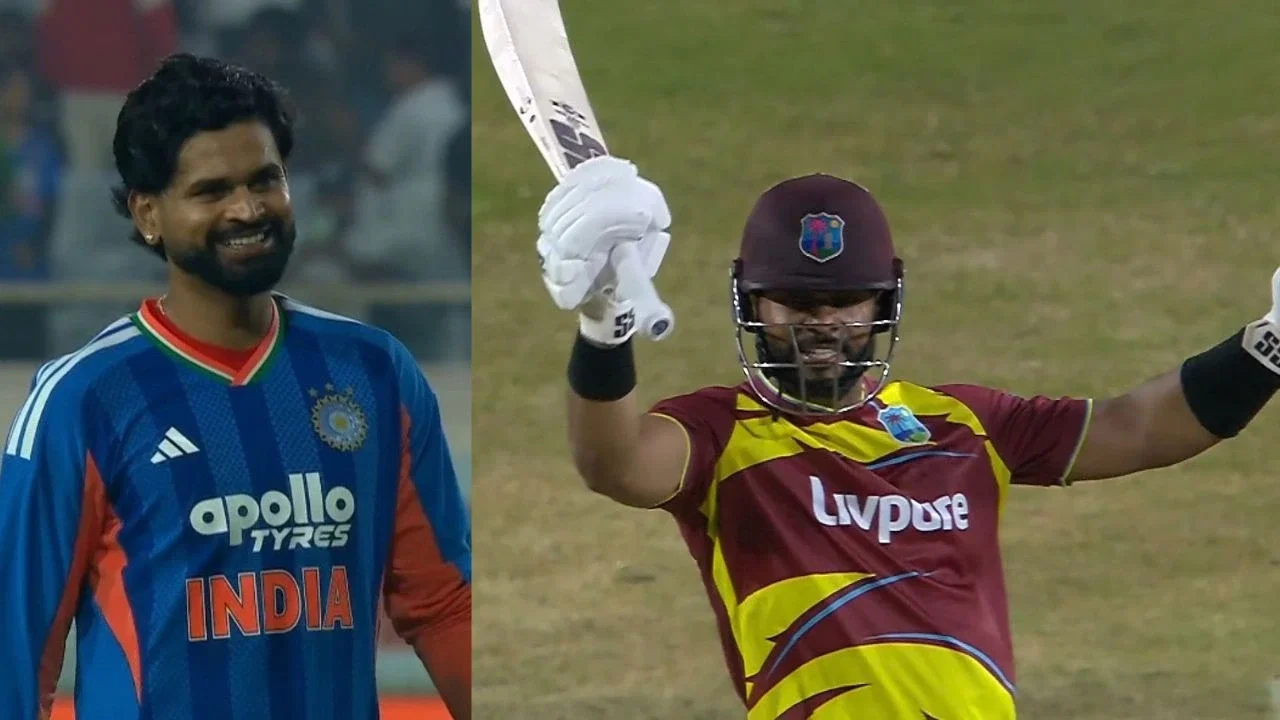
Top 10 highest run-chases in T20 cricket history, ft. West Indies’ Ranchi win vs India
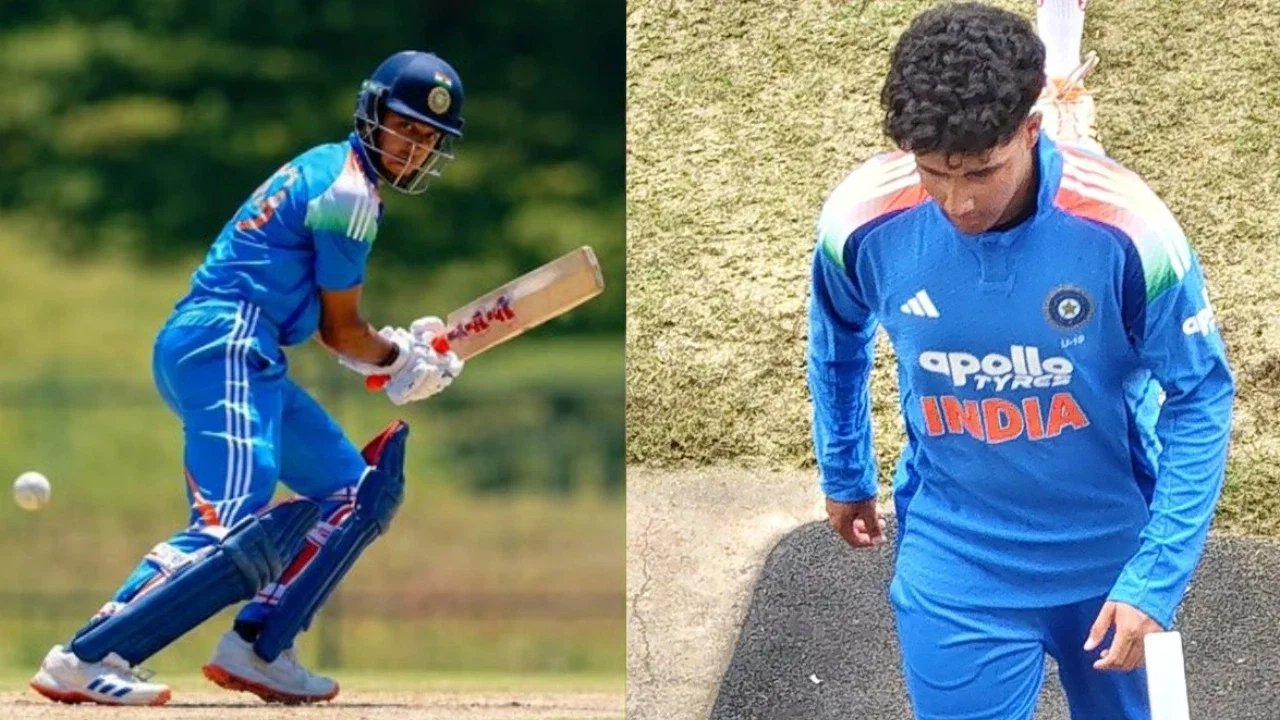
Aaryavir Sehwag and Anvay Dravid set to make headlines at U19 Asia Cup 2026
Longest ducks in Test cricket history ft. Nic Maddinson, Shoaib Akhtar
ECB to offer 39 central contracts to England players after Ben Stokes, Mark Wood’s retirement
Steve Smith surpasses Steve Waugh in all-time Test run-scorers’ list
Shane Watson identifies Gautam Gambhir’s biggest problem as India struggle for consistency
Is Bhuvneshwar Kumar in India’s 2027 World Cup plans? Ajinkya Rahane makes revelation
BCCI’s big ₹127 Crore move after injury crisis raises concerns over Team India
Parthiv Patel reveals RCB ignored his Jasprit Bumrah recommendation in IPL 2014 Auction
“Never spoke ill of any faith”: Irfan Pathan hits back at fake news using his name
Nic Maddinson bags 33-ball duck on Test comeback, disappoints George Bailey
Imran Tahir predicts 2027 ICC ODI World Cup Semi-Finalists, snubs India for title
Australia create unwanted history with first all-30-plus Test XI
Ravindra Jadeja returns to Ranji Trophy as Saurashtra announce squad