

Mohsin Naqvi in big trouble as BCCI, Sri Lanka, Afghanistan join forces over Asia Cup trophy drama
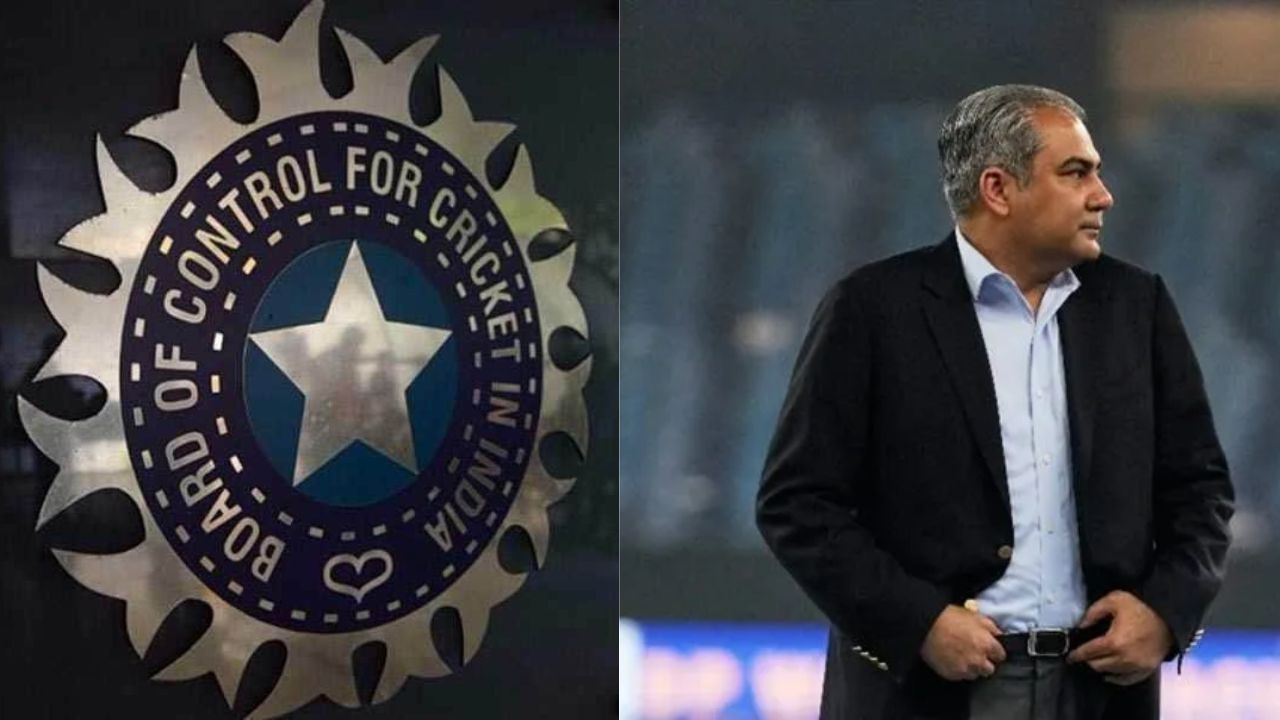
The Asia Cup Trophy Stand-Off: BCCI vs. Mohsin Naqvi
Introduction
The Asia Cup Trophy remains at the Asian Cricket Council headquarters in Dubai as Mohsin Naqvi defies handing it to the BCCI unless they send a representative to collect it in person. This has led to a standoff between the two cricket boards, with the BCCI escalating the matter to the ICC.
The Origin of the Fiasco
The conflict began when the Indian team refused to shake hands with Pakistani players in the aftermath of attacks on the Pahalgam valley. Tensions escalated as players from both sides engaged in unpleasant gestures, straining the relationship between the two boards.
India’s Victory and the Trophy Controversy
Despite winning the Asia Cup trophy, India refused to accept it from PCB Chief Mohsin Naqvi. Instead, they celebrated with an imaginary trophy, further exacerbating the situation.
Deadlock Over the Trophy
Naqvi, the ACC Chairman, has remained firm in his stance of only handing over the trophy to Indian representatives in person. The BCCI, backed by the ACB and the Sri Lanka Board, has repeatedly requested the trophy but to no avail.
Threats and Escalation
The BCCI has threatened to escalate the matter to the ICC and has even raised the possibility of removing Naqvi from his position in the continental apex body. Despite these threats, Naqvi has refused to budge.
ICC Intervention
With no resolution in sight, the BCCI has decided to take the matter to the ICC meeting next month. The ICC, led by former BCCI secretary Jay Shah, will address the issue and decide on the next steps.
Pakistan Cricket Board’s Involvement
The Pakistan Cricket Board has also been embroiled in controversies, especially with Jay Shah and the ICC. Pressure is mounting on the ICC to take strict action against the PCB and the team following the recent attacks on the Afghan border territory.
Overall, the Asia Cup Trophy stand-off between the BCCI and Mohsin Naqvi has raised tensions between the two cricket boards and brought the issue to the international stage. The outcome of the ICC meeting next month will determine the future of the trophy and the relationship between the boards involved.
Historical Context of Indo-Pak Relations in Cricket
The rivalry between India and Pakistan in cricket dates back to the early days of the sport. Matches between the two nations are highly anticipated and often marked by intense competition and emotions. The political tensions between the two countries have often spilled over into cricket, with games becoming more than just sports events but also symbols of national pride and identity.
Impact of Social Media and Public Opinion
Social media has played a significant role in amplifying the Asia Cup Trophy stand-off, with fans from both sides expressing their opinions and taking sides. The public pressure on both boards to resolve the issue amicably has added another layer of complexity to the situation, making it harder for either party to back down without losing face.
Historical Precedents in Trophy Disputes
Conflict over trophies in cricket is not unheard of, with past incidents involving disputes over ownership, presentation, and handling of prestigious awards. These disputes often reflect deeper underlying tensions between the cricket boards involved and can have long-lasting implications for relationships within the cricketing community.
The Role of Diplomacy in Sports
Sports have often been used as a tool for diplomacy and building bridges between nations. The Asia Cup Trophy stand-off highlights the delicate balance between sportsmanship, national pride, and diplomatic relations. How the BCCI and Mohsin Naqvi navigate this situation will not only impact the future of cricketing ties but also influence broader diplomatic efforts between India and Pakistan.
Global Implications of the Stand-Off
As the Asia Cup Trophy stand-off gains international attention, it raises questions about the role of sports in diplomacy and conflict resolution. The ICC’s intervention in this matter will set a precedent for how such disputes are handled in the future and could potentially impact the way cricketing nations interact with each other on and off the field.
Looking Ahead: Potential Resolutions
As the ICC meeting approaches, there is hope for a resolution that satisfies both the BCCI and Mohsin Naqvi. Whether through diplomatic negotiations, compromises, or formal arbitration, finding a way to end the stand-off and return the Asia Cup Trophy to its rightful owners will be crucial in restoring harmony between the cricket boards and preserving the integrity of the sport.
In conclusion, the Asia Cup Trophy stand-off is a complex and multi-faceted issue that goes beyond the mere exchange of a trophy. It reflects historical tensions, contemporary social dynamics, and the intricate interplay between sports, politics, and diplomacy. The resolution of this stand-off will not only impact the relationship between the BCCI and Mohsin Naqvi but also have broader implications for cricketing nations worldwide.
Latest News

New Zealand suffer blow as William O’Rourke misses India ODIs and Tests

Top 10 highest run-chases in T20 cricket history, ft. West Indies’ Ranchi win vs India

Aaryavir Sehwag and Anvay Dravid set to make headlines at U19 Asia Cup 2026

Longest ducks in Test cricket history ft. Nic Maddinson, Shoaib Akhtar

ECB to offer 39 central contracts to England players after Ben Stokes, Mark Wood’s retirement

Steve Smith surpasses Steve Waugh in all-time Test run-scorers’ list

Shane Watson identifies Gautam Gambhir’s biggest problem as India struggle for consistency

Is Bhuvneshwar Kumar in India’s 2027 World Cup plans? Ajinkya Rahane makes revelation

BCCI’s big ₹127 Crore move after injury crisis raises concerns over Team India

Parthiv Patel reveals RCB ignored his Jasprit Bumrah recommendation in IPL 2014 Auction

“Never spoke ill of any faith”: Irfan Pathan hits back at fake news using his name

Nic Maddinson bags 33-ball duck on Test comeback, disappoints George Bailey

Imran Tahir predicts 2027 ICC ODI World Cup Semi-Finalists, snubs India for title

Australia create unwanted history with first all-30-plus Test XI


