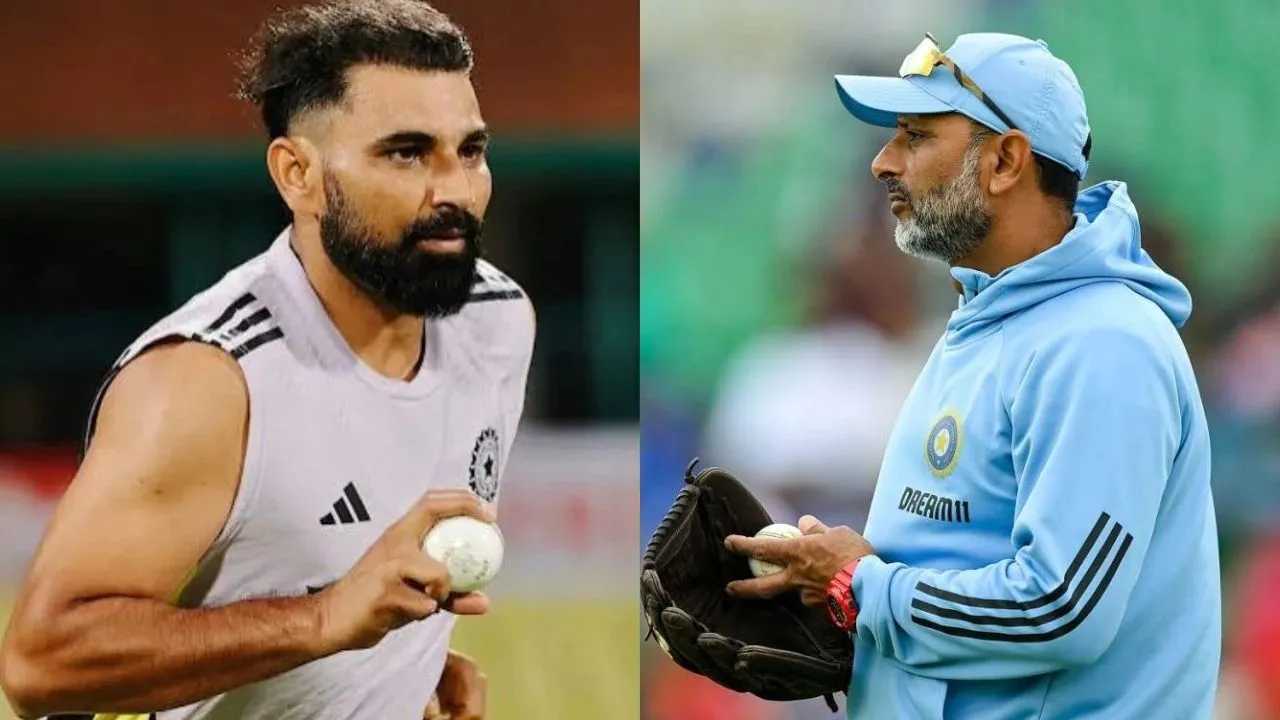
New Zealand Cricket announces $7.3m deficit ahead of India series; predicts $10m surplus next year
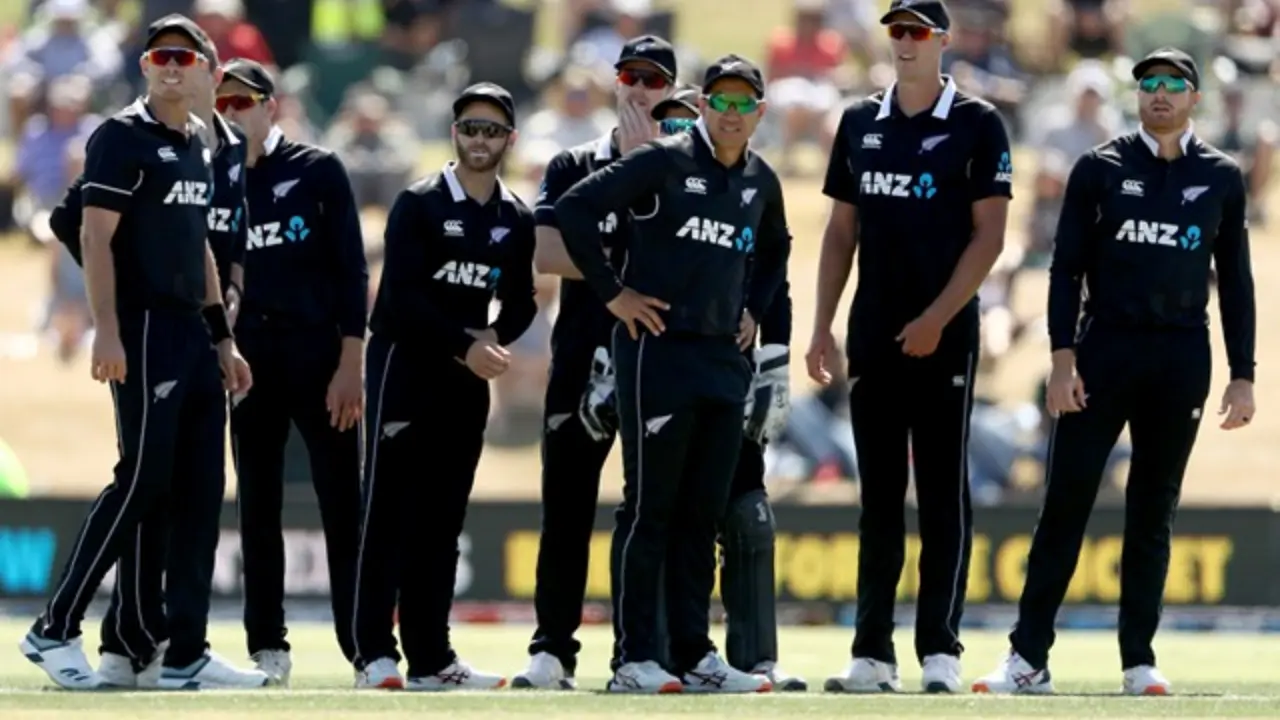
New Zealand Cricket Faces $7.3 Million Deficit for 2026
New Zealand Cricket (NZC) recently announced a preliminary financial deficit of $7.3 million for the year ending July 31, 2026. This figure is significantly higher than the initial budget forecast of $1.8 million. Chief executive Geoff Allott expressed his disappointment with the financial performance, describing it as unacceptable for the organization. The projected shortfall has prompted NZC to reevaluate its spending and operations as they approach the 2026-27 season.
Reasons Behind the Deficit
The organization attributed much of the difference in revenue to a multi-year domestic broadcast contract being budgeted again despite the money already being received in previous financial years. Additionally, changes to gambling laws in India impacted NZC’s partnership with title sponsor Dream11, resulting in a loss of income. In response to the deficit, NZC has reviewed its internal financial processes and adjusted budgets for the coming financial year.
Geoff Allott Takes Responsibility
Geoff Allott has accepted responsibility for NZC’s financial situation, acknowledging that the performance is not sustainable. He stated, “It’s important that we own this updated budget deficit and immediately put in place the necessary steps to adjust and ensure it doesn’t happen again.”
Future Outlook
Despite the current deficit, Geoff Allott remains optimistic about New Zealand Cricket’s financial health. NZC expects a significant improvement in the next financial year, particularly with the Indian team’s upcoming tour projected to bring in major broadcast and commercial revenue. Allott emphasized the need for prudent financial management to ensure the long-term sustainability of cricket.
Super Smash Broadcast Schedule Changes
As part of cost-cutting measures, NZC will reduce the broadcast coverage of the upcoming Super Smash season. Only 24 of the 64 matches will be broadcast, covering 12 double-header match-days, including the finals. The organization is negotiating to keep these matches on free-to-air television in New Zealand. The decision to cut back on broadcasting was made in light of the loss of the Super Smash title sponsor Dream11 and the FY26 budget deficit.
NZC remains committed to supporting players, fans, and the wider community game. The upcoming season is set to be the final edition of Super Smash in its current format, with plans already in motion for a proposed T20 franchise league starting from the 2027-28 season.
While the $7.3 million deficit is still preliminary and subject to change after NZC completes its annual audit in early November, the organization is taking proactive steps to ensure financial stability and growth in the future.
Impact of COVID-19 on New Zealand Cricket’s Finances
One crucial factor affecting New Zealand Cricket’s financial situation that was not explicitly mentioned in the initial article is the impact of the COVID-19 pandemic. Like many other sports organizations around the world, NZC faced challenges due to the cancellation of matches, reduced stadium capacities, and limitations on international travel. These restrictions resulted in lower ticket sales, merchandise revenue, and sponsorship opportunities, contributing to the financial deficit for the year ending July 31, 2026.
The pandemic disrupted the cricket calendar, leading to the rescheduling and potential loss of lucrative series and tournaments. The uncertainty surrounding when normal operations would resume also made it challenging for NZC to accurately predict revenue streams and plan effectively. As the effects of the pandemic continue to linger, New Zealand Cricket must navigate a constantly evolving landscape to secure its financial future.
Diversification of Revenue Streams
To mitigate the risk of relying heavily on broadcast deals and sponsorship agreements, NZC should explore diversifying its revenue streams. One avenue for potential growth could be through digital platforms and streaming services. By investing in online content, creating subscription-based services, and engaging with fans through social media, NZC can tap into a broader audience and generate additional income.
Furthermore, expanding partnerships with e-commerce platforms for merchandise sales, exploring licensing opportunities for cricket-related products, and developing innovative marketing campaigns can also boost revenue. By diversifying its income sources, New Zealand Cricket can reduce its dependence on traditional revenue channels and build a more resilient financial foundation.
Embracing Sustainability and Responsibility
As Geoff Allott rightly pointed out, ensuring the long-term sustainability of cricket is paramount for NZC’s future success. Beyond financial considerations, sustainability also extends to the environmental and social impact of the organization’s operations. By implementing eco-friendly practices, promoting inclusivity and diversity, and supporting grassroots cricket development, NZC can demonstrate its commitment to responsible governance and community engagement.
Engaging with fans and stakeholders in meaningful ways, investing in player welfare and development programs, and fostering a culture of transparency and accountability can further enhance New Zealand Cricket’s reputation and strengthen its position in the global cricketing landscape. By prioritizing sustainability and responsibility in all aspects of its operations, NZC can not only achieve financial stability but also make a positive impact on society at large.
Looking Ahead: Innovation and Adaptation
As New Zealand Cricket navigates the challenges posed by the current financial deficit, it is essential for the organization to embrace innovation and adaptability. By staying ahead of trends in the sports industry, leveraging technology for fan engagement, and exploring new formats and competitions, NZC can position itself for sustained growth and relevance in the ever-changing world of cricket.
Collaborating with other cricket boards, exploring opportunities for international partnerships, and investing in youth development programs can also pave the way for a brighter future for New Zealand Cricket. By staying agile, proactive, and visionary in its approach, NZC can overcome its current financial challenges and emerge stronger and more resilient than ever before.
In conclusion, while the $7.3 million deficit presents a significant hurdle for New Zealand Cricket, it also serves as an opportunity for reflection, innovation, and transformation. By addressing the root causes of the financial shortfall, diversifying revenue streams, embracing sustainability and responsibility, and looking ahead with optimism and adaptability, NZC can chart a path towards a prosperous and sustainable future in the world of cricket.
Latest News
Top 10 highest run-chases in T20 cricket history, ft. West Indies’ Ranchi win vs India
Aaryavir Sehwag and Anvay Dravid set to make headlines at U19 Asia Cup 2026
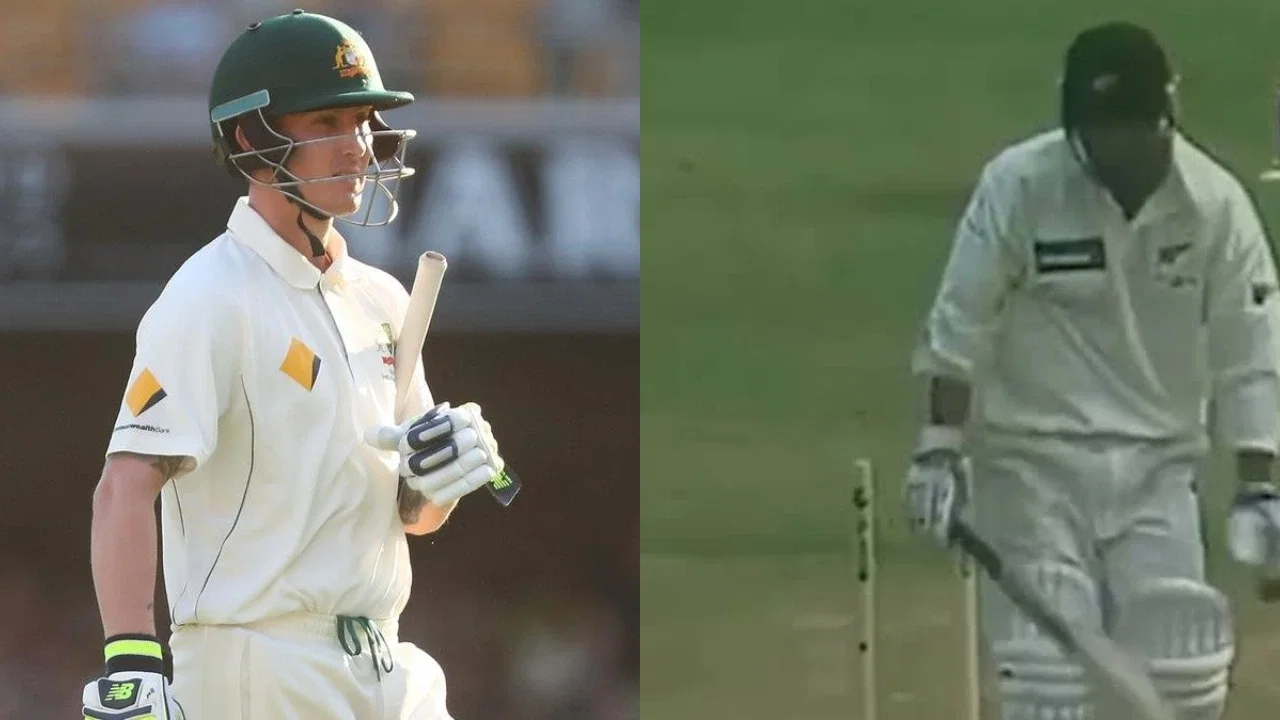
Longest ducks in Test cricket history ft. Nic Maddinson, Shoaib Akhtar
ECB to offer 39 central contracts to England players after Ben Stokes, Mark Wood’s retirement
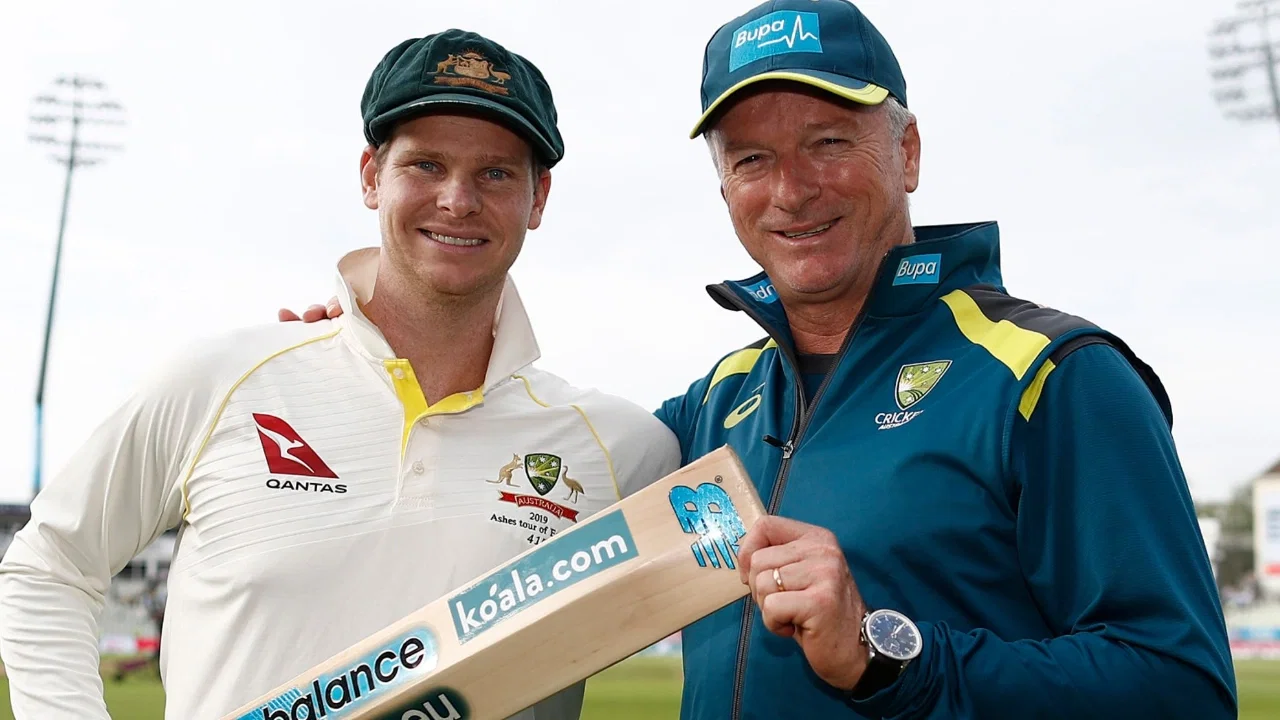
Steve Smith surpasses Steve Waugh in all-time Test run-scorers’ list

Shane Watson identifies Gautam Gambhir’s biggest problem as India struggle for consistency

Is Bhuvneshwar Kumar in India’s 2027 World Cup plans? Ajinkya Rahane makes revelation

BCCI’s big ₹127 Crore move after injury crisis raises concerns over Team India

Parthiv Patel reveals RCB ignored his Jasprit Bumrah recommendation in IPL 2014 Auction
“Never spoke ill of any faith”: Irfan Pathan hits back at fake news using his name
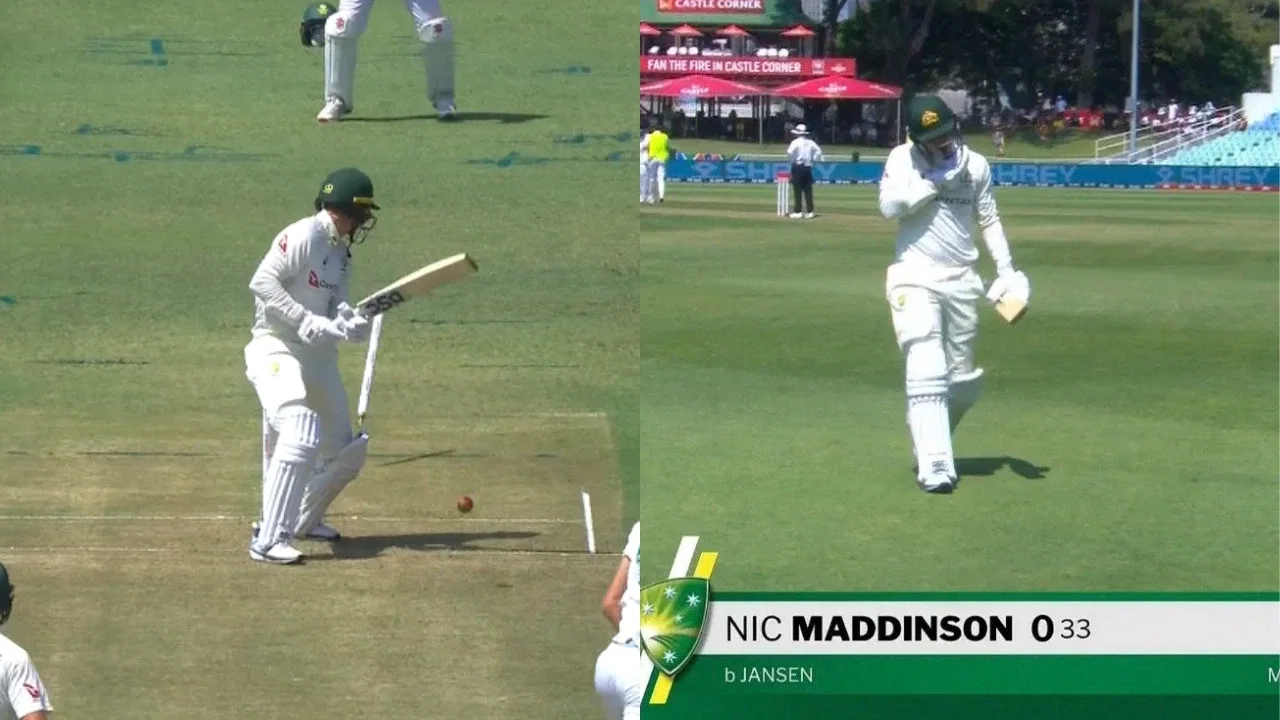
Nic Maddinson bags 33-ball duck on Test comeback, disappoints George Bailey

Imran Tahir predicts 2027 ICC ODI World Cup Semi-Finalists, snubs India for title
Australia create unwanted history with first all-30-plus Test XI
Ravindra Jadeja returns to Ranji Trophy as Saurashtra announce squad