Raj Kundra files petition against Rajasthan Royals owner Manoj Badale, alleges financial mismanagement
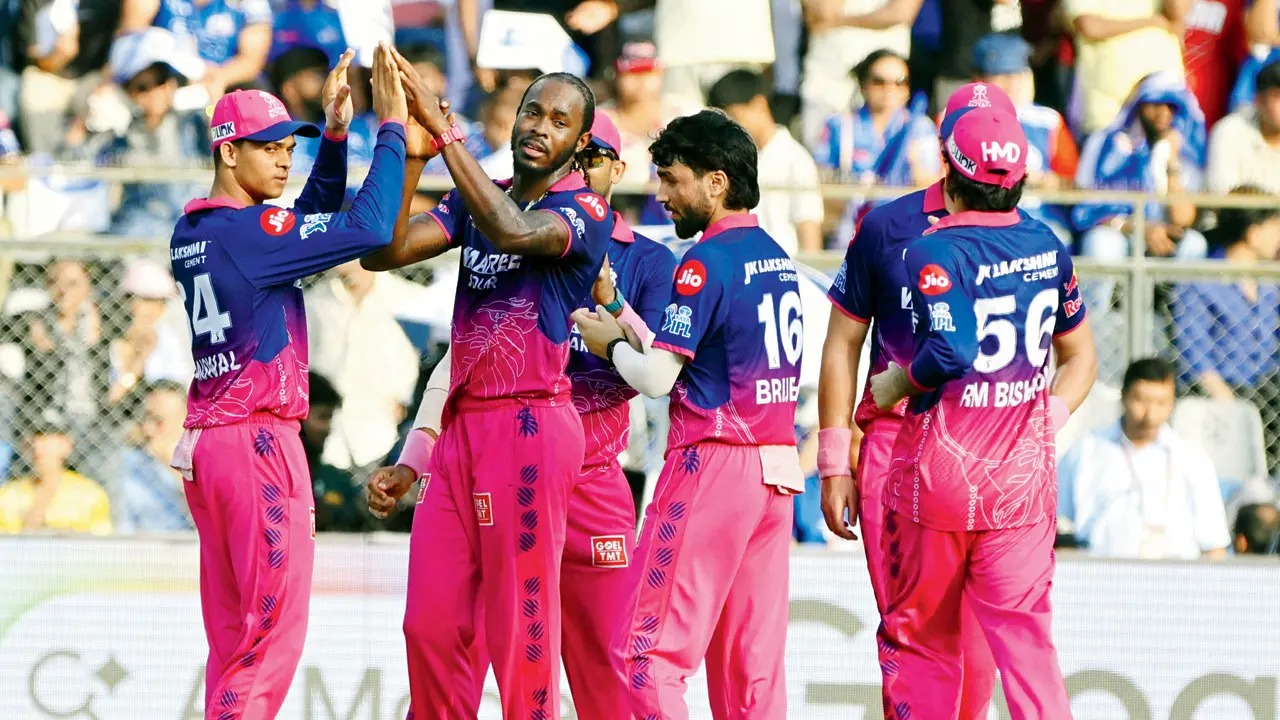
Raj Kundra Takes Legal Action Against Rajasthan Royals Owners
Former Rajasthan Royals co-owner Raj Kundra has escalated his legal battle against current owner Manoj Badale and Emerging Media Ventures, following the recent sale of the IPL franchise. Kundra has filed a petition alleging shareholder oppression and financial mismanagement, signaling that the dispute will be resolved in court.
Allegations of Financial Mismanagement
Kundra, who originally acquired an 11.7% stake in Rajasthan Royals in 2009, has accused EMV of financial mismanagement and shareholder oppression. In a public statement, he claimed that crucial information regarding the final sale value of his shares was intentionally withheld from him.
According to Kundra, “For years, I have remained silent while the truth surrounding my investment in Emerging Media and my shareholding in the Rajasthan Royals unfolded behind closed doors. That silence should never be mistaken for acceptance. It is my position that I have been deprived of the true value of my shareholding.”
Legal Actions and Investigations
Kundra has taken his grievances to the National Company Law Tribunal (NCLT) in Mumbai, seeking justice for alleged oppression and mismanagement by Badale and others linked to EMV. He has also reached out to the Board of Control for Cricket in India (BCCI) for an independent review of the situation.
“I have preserved documentary evidence supporting my position, including evidence which I allege demonstrates that the true value realized from the sale of my shareholding was not disclosed to me while attempts were made to settle my claim for substantially less,” Kundra stated.
High Court Ruling in England
A recent development in the legal dispute saw the High Court of England and Wales ruling in favor of EMV, ordering Kundra to repay $4.94 million and halting his pursuit of legal actions in India regarding his former stake in Rajasthan Royals. This ruling came after EMV completed the sale of a controlling stake in the franchise for $1.65 billion.
Despite the setback, Kundra remains steadfast in his challenge and has accused Badale of failing to protect his interests as a minority shareholder. He emphasized, “The truth does not fear scrutiny. The evidence will speak for itself. See you in court, Manoj Badale.”
As the legal battle intensifies, the cricketing world eagerly anticipates the resolution of this high-profile dispute within the IPL franchise ownership. Stay tuned for further updates as the case progresses.
The Origins of the Legal Dispute
Raj Kundra’s involvement with the Rajasthan Royals dates back to 2009 when he acquired an 11.7% stake in the IPL franchise. Over the years, Kundra played a significant role in the team’s operations and management, making his current legal battle against EMV all the more contentious. The dispute highlights the complexities of ownership arrangements within the highly competitive and lucrative world of cricket franchises in India.
The Significance of Shareholder Rights
The allegations of financial mismanagement and shareholder oppression raised by Raj Kundra shed light on the importance of protecting minority shareholders’ rights in corporate structures. Shareholders, especially those with substantial investments, have a legal right to transparency and fair treatment, ensuring that their interests are safeguarded and respected.
The Impact on the IPL Franchise Landscape
As one of the founding franchises of the IPL, Rajasthan Royals holds a storied history within the league. The legal battle between Kundra and EMV has the potential to not only impact the current ownership structure of the team but also influence the broader landscape of IPL franchises. The outcome of this dispute could set a precedent for how ownership disputes are resolved within the Indian cricketing ecosystem.
Implications for Corporate Governance in Cricket
The legal actions taken by Raj Kundra against EMV and Manoj Badale underscore the importance of robust corporate governance practices within cricket franchises. Clear guidelines, transparent communication, and adherence to ethical standards are essential to maintaining trust and integrity within the business side of the sport. The outcome of this dispute may prompt a reevaluation of governance structures within IPL teams and raise awareness of the rights and responsibilities of stakeholders involved.
The Role of Regulatory Bodies
By involving the National Company Law Tribunal (NCLT) and the Board of Control for Cricket in India (BCCI) in his legal battle, Raj Kundra is leveraging regulatory bodies to seek justice and resolution. The intervention of these entities signifies the broader impact of ownership disputes in cricket and the need for regulatory oversight to ensure fairness and accountability in such cases.
The Future of Rajasthan Royals
As the legal battle between Raj Kundra and EMV unfolds, the future ownership and management of the Rajasthan Royals hang in the balance. The resolution of this dispute will not only determine the financial implications for the parties involved but also shape the trajectory of the franchise moving forward. Fans, players, and stakeholders eagerly await the outcome of this high-stakes legal showdown.
In conclusion, the legal dispute between Raj Kundra and the current owners of Rajasthan Royals reflects the complexities and challenges inherent in the world of cricket franchise ownership. As the case progresses through legal channels and regulatory bodies, the implications for shareholder rights, corporate governance, and the broader IPL landscape remain significant. The outcome of this dispute has the potential to reshape ownership dynamics within the Indian cricketing ecosystem and set a precedent for future disputes in the industry.
Latest News
Top 10 highest run-chases in T20 cricket history, ft. West Indies’ Ranchi win vs India
Aaryavir Sehwag and Anvay Dravid set to make headlines at U19 Asia Cup 2026
Longest ducks in Test cricket history ft. Nic Maddinson, Shoaib Akhtar
ECB to offer 39 central contracts to England players after Ben Stokes, Mark Wood’s retirement
Steve Smith surpasses Steve Waugh in all-time Test run-scorers’ list
Shane Watson identifies Gautam Gambhir’s biggest problem as India struggle for consistency
Is Bhuvneshwar Kumar in India’s 2027 World Cup plans? Ajinkya Rahane makes revelation
BCCI’s big ₹127 Crore move after injury crisis raises concerns over Team India
Parthiv Patel reveals RCB ignored his Jasprit Bumrah recommendation in IPL 2014 Auction
“Never spoke ill of any faith”: Irfan Pathan hits back at fake news using his name
Nic Maddinson bags 33-ball duck on Test comeback, disappoints George Bailey
Imran Tahir predicts 2027 ICC ODI World Cup Semi-Finalists, snubs India for title
Australia create unwanted history with first all-30-plus Test XI
Ravindra Jadeja returns to Ranji Trophy as Saurashtra announce squad