Rs 1968 crore not enough! Ravi Shastri demands bigger ICC Revenue share for India
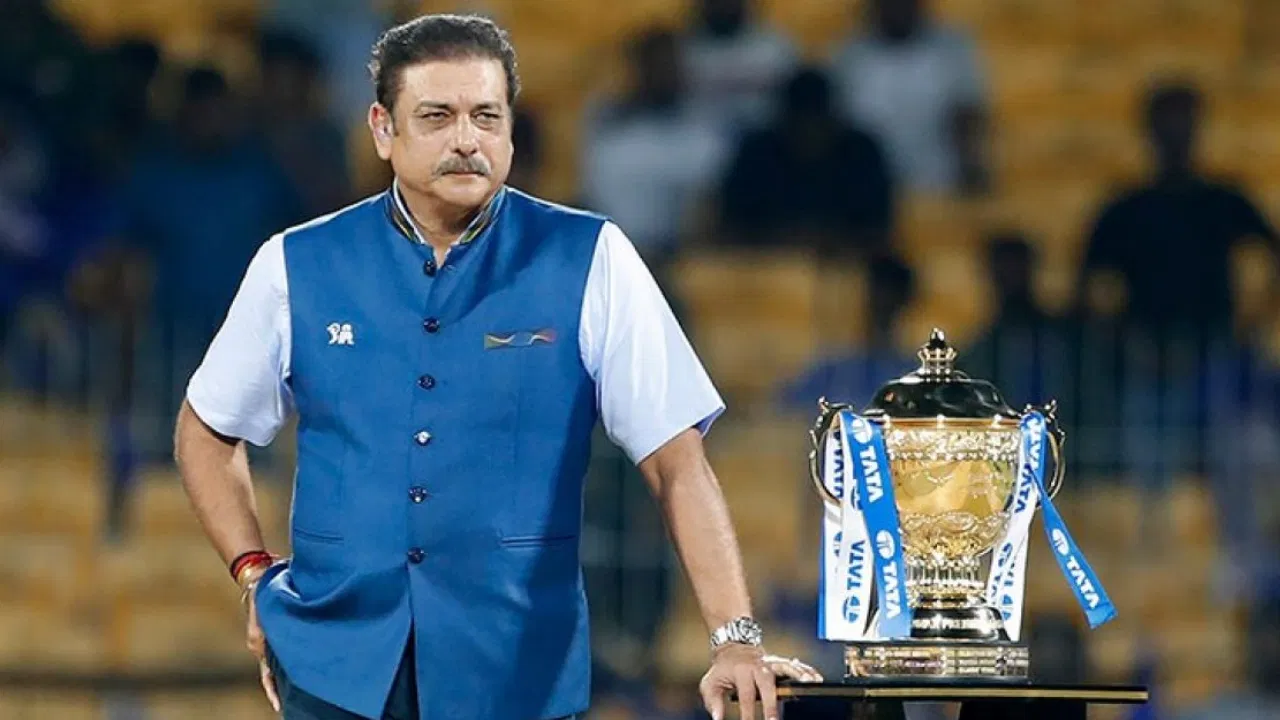
India Calls for Larger Share of ICC Revenue
Ravi Shastri, the head coach of the Indian cricket team, has recently advocated for India to receive a larger portion of the International Cricket Council (ICC) revenue. Shastri argued that it would be justifiable for the Board of Control for Cricket in India (BCCI) to demand a more substantial share, given that India contributes the most significant portion of revenue in world cricket.
Debate Over Revenue-Sharing Model
The revenue-sharing model implemented by the ICC in 2023 has stirred up debates within the cricketing community. Under this model, 12 percent of the total revenue is divided among nine full member nations, excluding the Big Three teams – India, England, and Australia.
India Set to Dominate ICC Revenue
India is poised to receive the largest share of the ICC’s revenue for the 2024-2027 cycle, securing 38.5% of the total distribution, which translates to approximately ₹1,968 crore or $230 million annually. This allocation is significantly higher than what England (6.89%) and Australia (6.25%) are slated to receive.
The BCCI stands as the wealthiest cricket board globally, boasting a net worth of approximately $2.25 billion. India’s financial dominance in global cricket is propelled by its vast viewership, lucrative media rights, and unparalleled fan engagement.
India’s Financial Edge in Cricket
With a population of 1.4 billion, India holds a financial edge that surpasses any other cricketing nation. Reports indicate that India has secured favorable terms for their participation in the 2025 ICC Champions Trophy, further solidifying their position in the cricketing landscape.
Ravi Shastri’s Support for India’s Share
Ravi Shastri has vocally supported India receiving the largest portion of ICC revenue, emphasizing the country’s substantial contribution to the global cricket economy. According to Shastri, India’s high revenue generation through audience engagement and commercial success warrants a significant share of the ICC revenue.
In a recent interview with Wisden, Shastri stated, “Most of the money that’s generated comes from India. So it’s only fair that they get their share of pound of flesh.” He further emphasized that India’s involvement significantly boosts viewership and broadcasting income, particularly during overseas tours.
Backlash Against Revenue Distribution Model
While the current revenue distribution model has faced criticism from various member boards, the Pakistan Cricket Board (PCB) has been the most vocal in opposing it. The PCB has openly stated that many other Test-playing countries share their concerns about the imbalance in revenue sharing.
In conclusion, the debate over ICC revenue distribution continues to spark conversations within the cricketing world, with India asserting its stance on receiving a larger share to reflect its significant contributions to the global cricket economy.
The Impact of India’s Dominance on Global Cricket
India’s financial prowess in cricket not only affects revenue distribution but also influences the overall landscape of the sport. The BCCI’s significant wealth enables them to invest in state-of-the-art infrastructure, training facilities, and player development programs. This investment has led to the emergence of a new generation of talented cricketers who have excelled on the international stage, further solidifying India’s position as a cricket powerhouse.
Furthermore, India’s financial dominance has shifted the focus of the cricketing world towards the Indian Premier League (IPL). The IPL, with its lucrative broadcasting deals, sponsorship agreements, and massive viewership, has become a cornerstone of the global cricket calendar. Top players from around the world are drawn to the IPL not only for the competitive cricket but also for the financial rewards it offers, further elevating the profile of Indian cricket on a global scale.
The Role of Fan Engagement in Revenue Generation
One of the key factors driving India’s financial success in cricket is its passionate and dedicated fan base. Cricket holds a near-sacred status in India, with millions of fans following the sport religiously. This level of fan engagement translates into high viewership numbers, ticket sales, merchandise purchases, and advertising revenue, all of which contribute significantly to the overall revenue generated by Indian cricket.
India’s fans not only support the national team but also follow domestic cricket leagues, such as the Ranji Trophy and the Syed Mushtaq Ali Trophy, with great enthusiasm. This fan engagement creates a strong market for cricket-related products and services, further boosting the financial viability of the sport in India.
The Future of Revenue Distribution in Cricket
As the cricketing landscape continues to evolve, the debate over revenue distribution is likely to intensify. With India’s financial dominance showing no signs of slowing down, other cricketing nations may push for a more equitable distribution model that takes into account each country’s contribution to the global cricket economy.
It remains to be seen how the ICC will address the concerns raised by various member boards regarding revenue sharing. While India’s call for a larger share of the revenue may be justified based on their financial contributions, finding a balance that ensures the sustainability and growth of cricket across all nations will be crucial in shaping the future of the sport.
Conclusion
In conclusion, India’s push for a larger share of the ICC revenue reflects the country’s significant role in driving the financial success of global cricket. With its massive fan base, commercial opportunities, and investment in the sport, India has established itself as a cricketing powerhouse that commands attention and resources on the international stage.
While the debate over revenue distribution may continue, it is clear that India’s influence on the cricketing world is undeniable and will continue to shape the future of the sport for years to come.
Latest News
Top 10 highest run-chases in T20 cricket history, ft. West Indies’ Ranchi win vs India
Aaryavir Sehwag and Anvay Dravid set to make headlines at U19 Asia Cup 2026
Longest ducks in Test cricket history ft. Nic Maddinson, Shoaib Akhtar
ECB to offer 39 central contracts to England players after Ben Stokes, Mark Wood’s retirement
Steve Smith surpasses Steve Waugh in all-time Test run-scorers’ list
Shane Watson identifies Gautam Gambhir’s biggest problem as India struggle for consistency
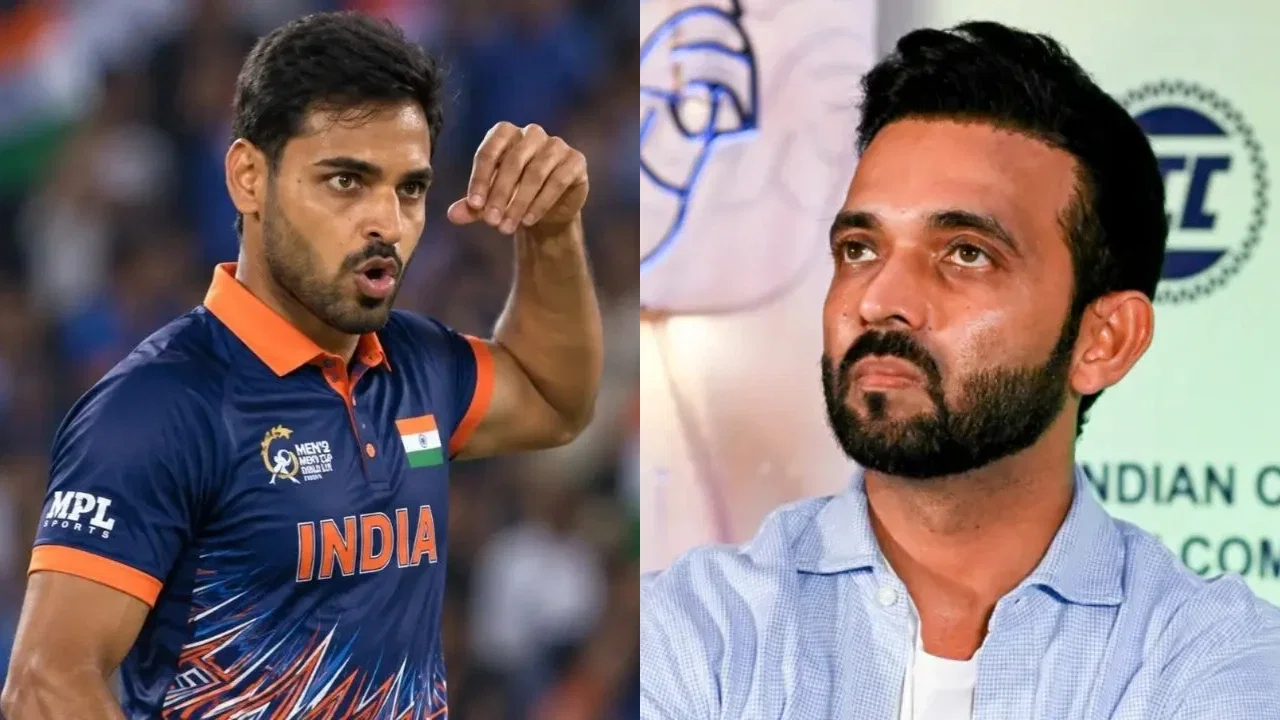
Is Bhuvneshwar Kumar in India’s 2027 World Cup plans? Ajinkya Rahane makes revelation
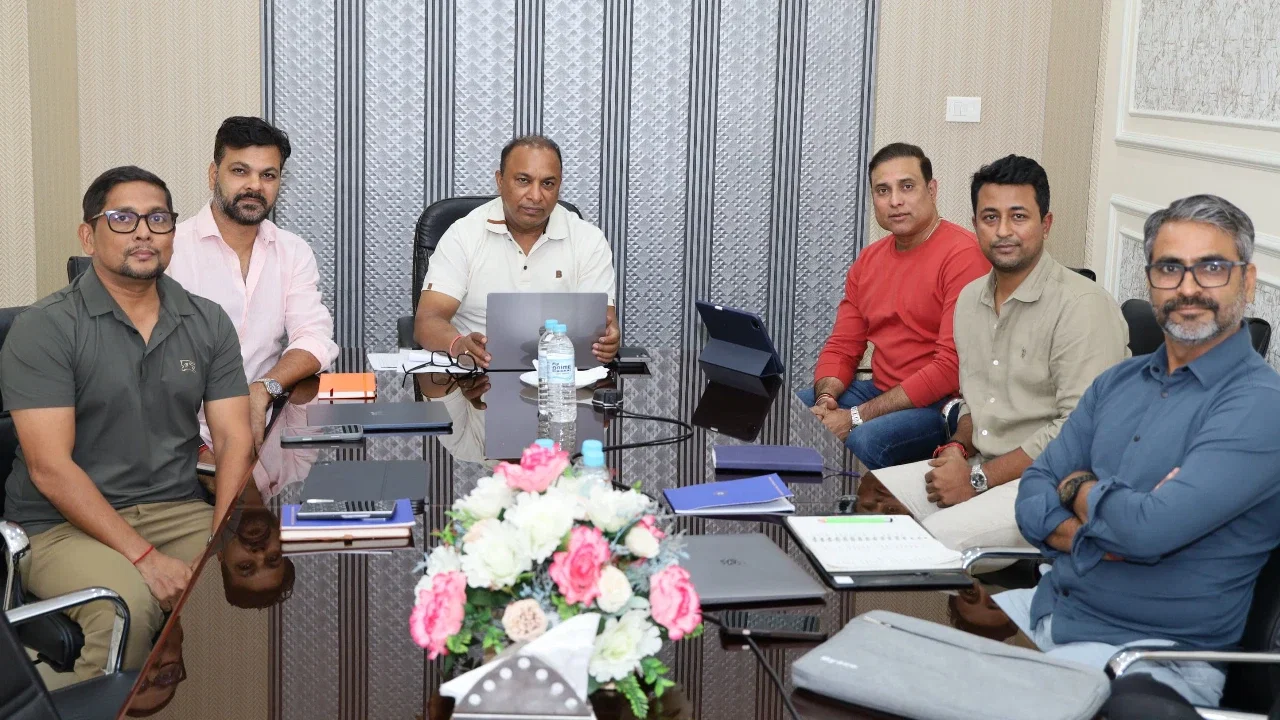
BCCI’s big ₹127 Crore move after injury crisis raises concerns over Team India
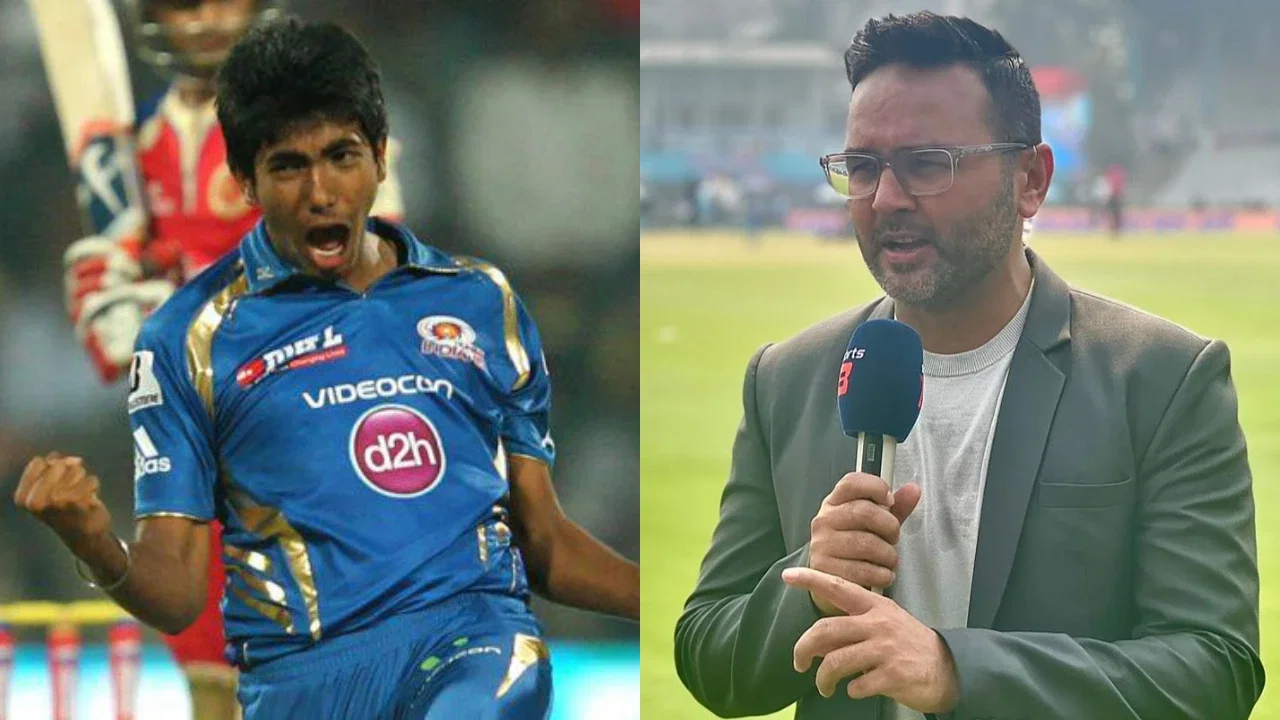
Parthiv Patel reveals RCB ignored his Jasprit Bumrah recommendation in IPL 2014 Auction
“Never spoke ill of any faith”: Irfan Pathan hits back at fake news using his name
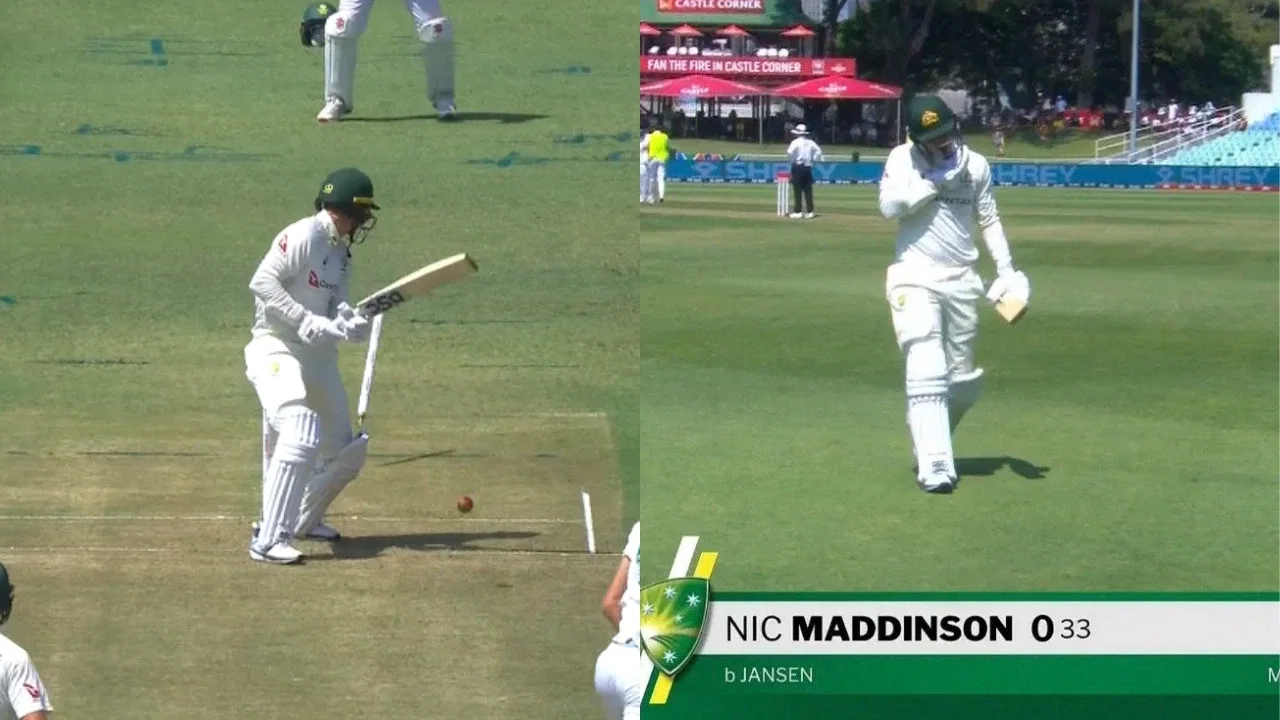
Nic Maddinson bags 33-ball duck on Test comeback, disappoints George Bailey
Imran Tahir predicts 2027 ICC ODI World Cup Semi-Finalists, snubs India for title
Australia create unwanted history with first all-30-plus Test XI
Ravindra Jadeja returns to Ranji Trophy as Saurashtra announce squad