“They wanted an India-Pakistan final”: Moeen Ali questions pitch allocation in 2017 Champions Trophy
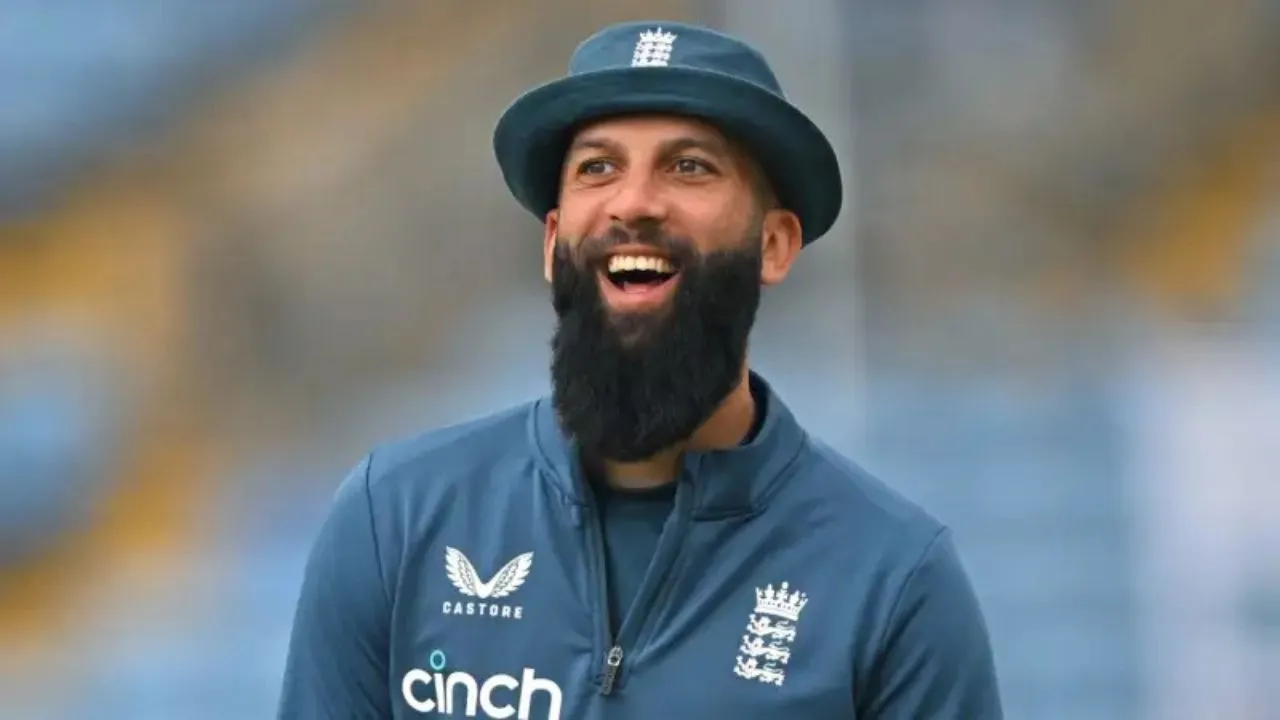
Unraveling the 2017 ICC Champions Trophy: Moeen Ali’s Prediction and Allegations of Pitch Bias
The 2017 ICC Champions Trophy remains one of the most memorable tournaments in cricket history, not only for Pakistan’s remarkable triumph but also for the swirling debates surrounding the fairness of pitch conditions and tournament organization. Former England all-rounder Moeen Ali has recently voiced a provocative prediction, suggesting that the organizers may have subtly favored an India-Pakistan final through strategic pitch allocations. This assertion has reignited discussions about neutrality and fairness in international cricket tournaments, highlighting how pitch conditions can influence outcomes and perceptions of legitimacy.
The Context: A Tournament of Surprises and Controversies
The ICC Champions Trophy 2017, hosted across England and Wales, was marked by intense competition, emerging talents, and unexpected results. While Pakistan’s journey to clinch their maiden title was historic, it was also punctuated by strategic decisions and conditions that some believe favored certain teams over others. Central to these claims is the way pitches were prepared and allocated for semi-finals, which many now see as pivotal factors shaping the tournament’s outcome.
Moeen Ali’s Allegations: Were Pitch Allocations Biased?
During a candid discussion on the popular YouTube show Beard Before Wicket, Moeen Ali, alongside fellow cricketers Adil Rashid and Shadab Khan, shed light on what they perceive as uneven pitch conditions. Ali raised the question of why England’s semi-final against Pakistan was played on a used surface, while India’s semi-final against Bangladesh was contested on a fresh, more favorable pitch. His comments imply a suspicion that the pitch choices may have been influenced to favor certain outcomes, possibly to set up an India-Pakistan final—a fixture that generates immense global interest and viewership.
The Semi-Final Showdown: England vs. Pakistan
The semi-final at Sophia Gardens in Cardiff was a tense and strategic contest. England, buoyed by their perfect group-stage record, seemed poised to advance. However, Pakistan’s disciplined bowling attack exploited the slow, worn-out pitch to restrict England to a modest 211 runs. The Pakistani bowlers, notably their fast bowlers, dominated proceedings, claiming nine out of ten wickets on a surface that seemed tailored to their style of bowling.
Pakistan’s successful chase, reaching the target in just 37.1 overs, was a testament to their tactical approach and the conducive pitch conditions. Shadab Khan, Pakistan’s talented leg-spinner, acknowledged the role of the pitch in their victory, stating, “We got a lucky wicket, that type of pitch,” highlighting how the worn surface played into their hands during the crucial semi-final.
The Final: Pakistan’s Historic Triumph Over India
In stark contrast, the other semi-final at Edgbaston in Birmingham saw India comfortably defeating Bangladesh, chasing down 265 with nine wickets remaining. The pitch at Edgbaston was fresh, fast, and favorable to the Indian batsmen, facilitating a commanding victory. The stark difference in pitch conditions between the two semi-finals has led to widespread speculation about the organizers’ intentions and the fairness of the tournament setup.
Moeen Ali’s Prediction: Was There a Hidden Agenda?
Expressing his candid opinion, Moeen Ali suggested that the disparity in pitch conditions was not coincidental. He said, “And this is no excuse; we lost, and they probably would beat us anyway — actually, Pakistan used to beat us in the World Cup — but we’re playing a semi-final on a used pitch in Cardiff, and India was playing, I think, Bangladesh on a fresh pitch.” His words imply a belief that the organizers might have intentionally allocated better pitches to favor India and Pakistan, arguably the two most popular and commercially valuable teams in cricket.
Ali further speculated that the strategic allocation of pitches could have been aimed at ensuring a final featuring India and Pakistan—a matchup that guarantees high viewership, sponsorship, and global attention. He openly stated, “It’s almost like they wanted an India-Pakistan final. Because we were playing well, we had a very good team. This is my own opinion—on a really good fast wicket, at that time, we beat anyone. Maybe Pakistan is the only team that can beat us.”
The Impact of Pitch Conditions on Cricket Outcomes
Pitch conditions are often regarded as the equalizer or the game-changer in cricket. They influence batting strategies, bowling tactics, and the overall flow of the game. A well-prepared, fresh pitch typically benefits aggressive batting and fast bowling, while a worn or slow pitch favors spin and patience.
The allegations surrounding the 2017 Champions Trophy suggest that the perceived bias in pitch allocation might have influenced the semi-final results, tilting the odds toward teams favored by the organizers. Such claims, if substantiated, could have profound implications for the integrity of cricket tournaments, prompting governing bodies like the ICC to review and ensure transparency in pitch preparations.
Historical Significance: Pakistan’s First Champions Trophy Win
Pakistan’s victory in the 2017 final at The Oval on June 18 was historic, etching their name in cricket lore. Fakhar Zaman’s brilliant 114 off 106 balls set the tone for Pakistan’s formidable total of 338/4. Mohammad Amir then delivered a masterclass with the ball, claiming three wickets and dismantling India’s batting lineup for just 158 runs.
This comprehensive 180-run victory not only secured Pakistan’s first-ever Champions Trophy title but also underscored the team’s resilience and strategic prowess. The triumph was celebrated across Pakistan and the cricketing world, symbolizing perseverance and cricketing excellence against the odds.
The Broader Implications: Prediction and Fair Play in International Cricket
The discussion sparked by Moeen Ali’s prediction underscores a broader concern in international cricket: the importance of fair play and transparency. As cricket continues to grow commercially and globally, ensuring that tournament conditions are impartial becomes vital to maintaining the sport’s integrity and credibility.
Cricket authorities and organizers face increasing scrutiny to uphold standards that prevent the perception of bias. The allegations serve as a reminder that every detail—from pitch preparation to scheduling—must be carefully managed to foster a level playing field and uphold the sport’s honor.
Looking Ahead: Lessons for Future Tournaments
The 2017 ICC Champions Trophy controversy offers valuable lessons for future international tournaments. Transparency in pitch preparation, equal treatment of teams, and objective scheduling are essential to prevent any appearance of favoritism. As fans and stakeholders demand higher standards, cricket governing bodies are encouraged to implement stricter oversight and open channels for grievances.
Furthermore, the role of prediction—based on insights, historical data, and strategic analysis—becomes crucial in understanding how conditions can influence outcomes. Analysts now emphasize the importance of considering pitch conditions when assessing teams’ chances, thereby enriching the narrative and strategic depth of cricket tournaments.
Conclusion: A Legacy of Passion and Fair Competition
The 2017 ICC Champions Trophy will forever be remembered not only for Pakistan’s historic victory but also for the ongoing debate about fairness, transparency, and the influence of pitch conditions. Moeen Ali’s prediction and allegations highlight the need for continued vigilance and integrity in cricket administration. As the sport evolves, ensuring that every match is decided on skill, strategy, and fair play remains the ultimate goal—preserving cricket’s status as the beautiful game played with honesty and passion.
Latest News
“Beizzati mat kara diyo”: Prince Yadav reveals Abhishek Sharma’s message after bat gift
England officially appoint ex-CSK star as Test bowling coach as Stephen Fleming’s influence grows
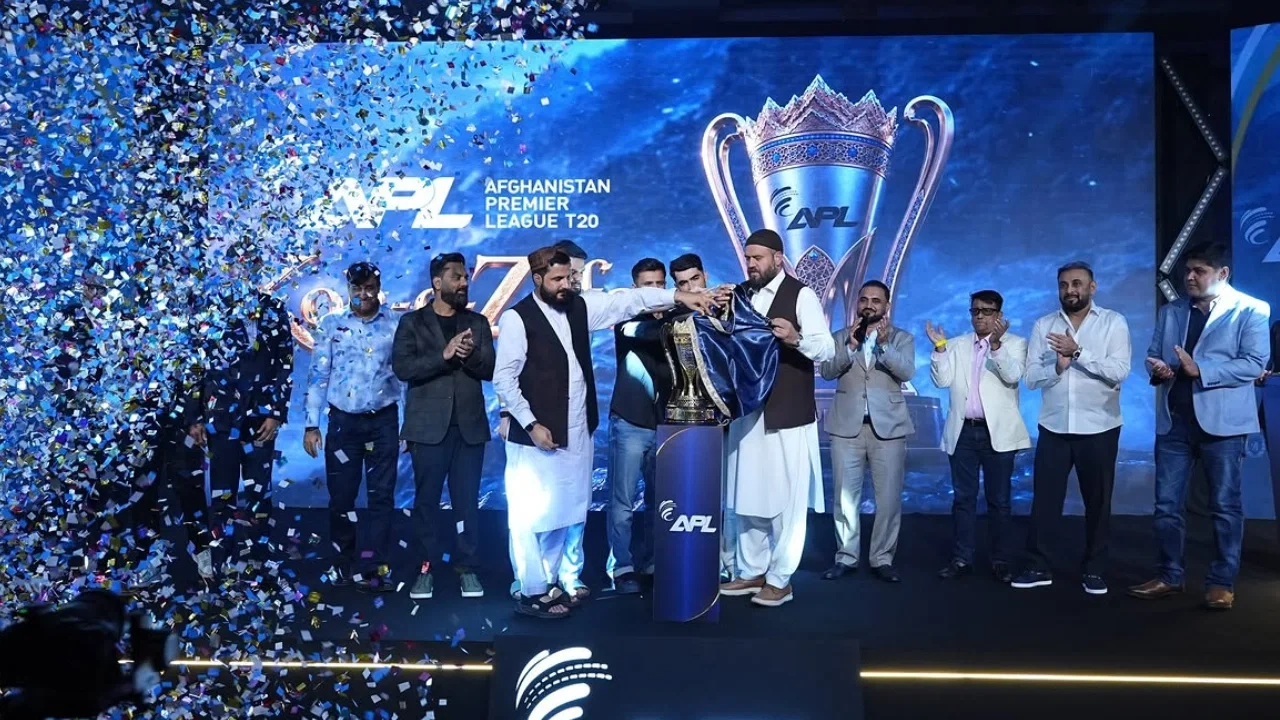
Afghanistan Premier League: ACB confirms Indian investor interest ahead of return
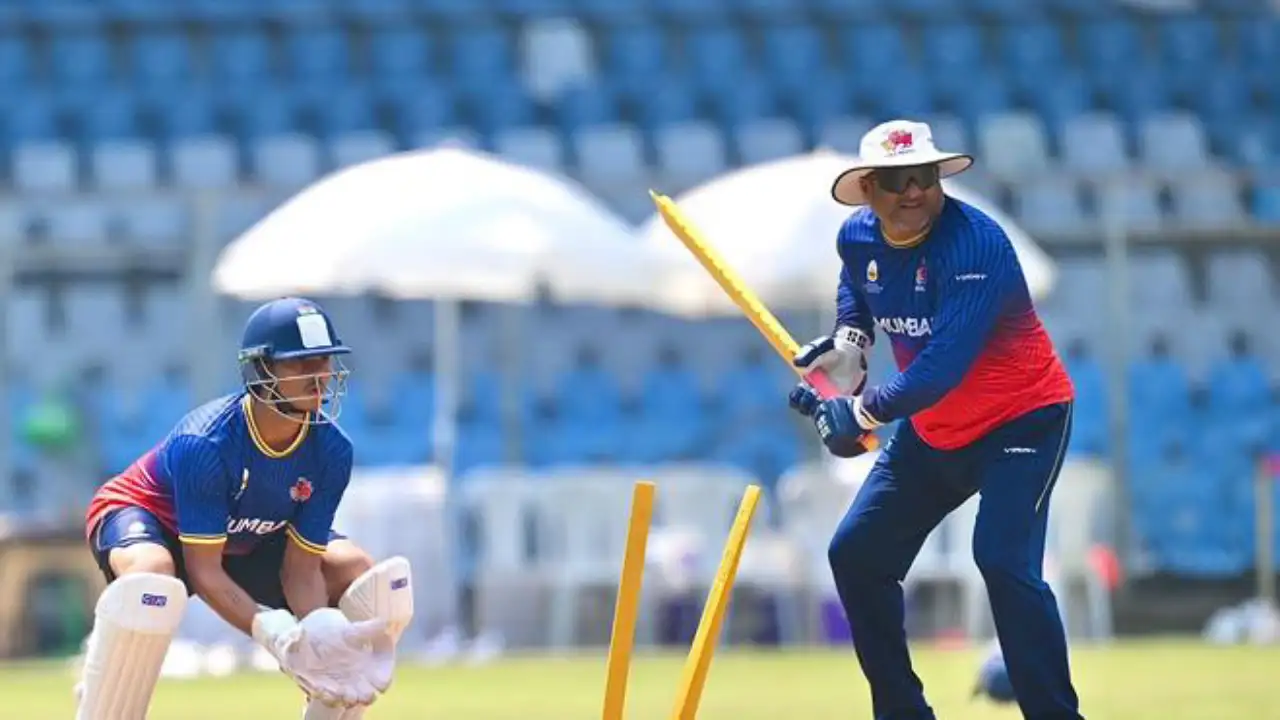
Yashasvi Jaiswal finally starts wicketkeeping in Ranji Trophy 2026
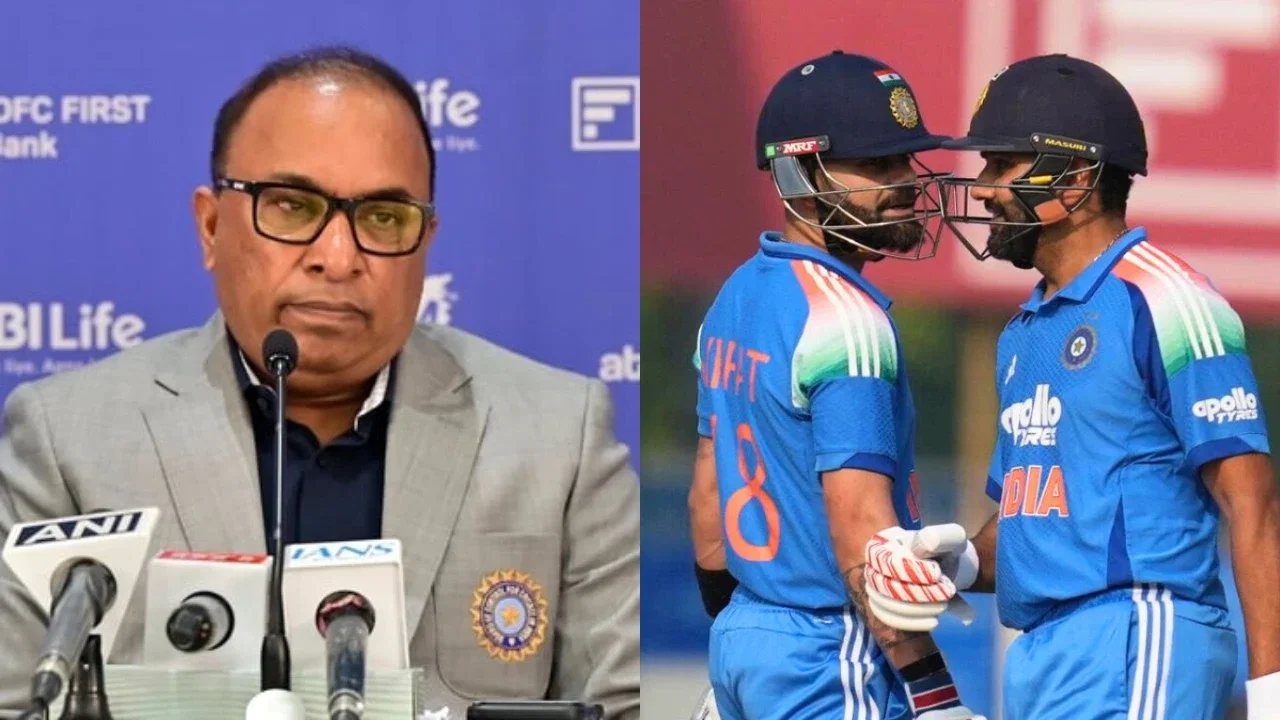
BCCI breaks silence on reports of India vs Sri Lanka ODI moving from Delhi to Ahmedabad
“They wanted an India-Pakistan final”: Moeen Ali questions pitch allocation in 2017 Champions Trophy
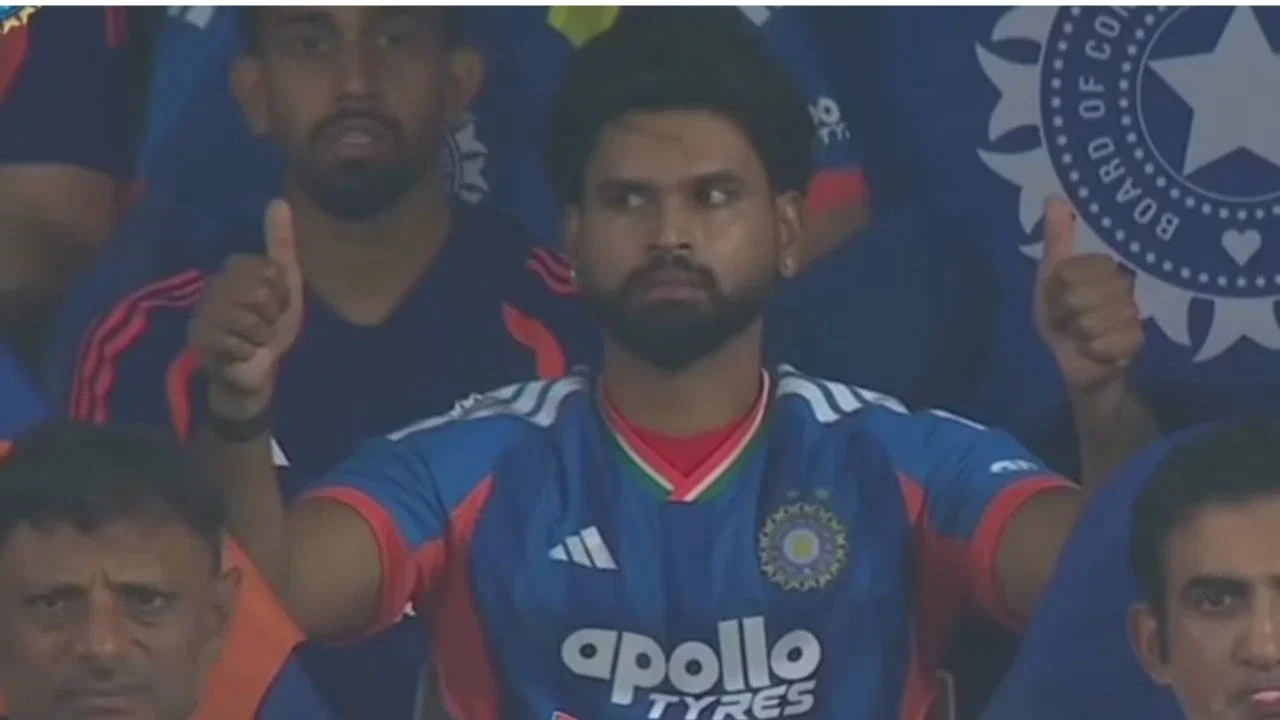
Watch: Shreyas Iyer’s hilarious pre-batting ritual draws attention after Indore T20I failure
Mohammed Shami takes aim at Ajit Agarkar over Bhuvneshwar Kumar’s late India recall
Sai Sudharsan injury raises concerns ahead of India’s New Zealand tour
Pakistan Cricket Board moves President’s Trophy fixtures after governor’s rule in Khyber Pakhtunkhwa
World record alert: Abhishek Sharma climbs the mountain, surpassing Suryakumar Yadav

BHU vs KUW Dream11 Prediction Today Match, My11Circle Prediction, Dream11 Team Today, Fantasy Cricket Tips, Playing XI, Pitch Report, Injury Update- T20 WC Asia Qualifier 2026, Match 18
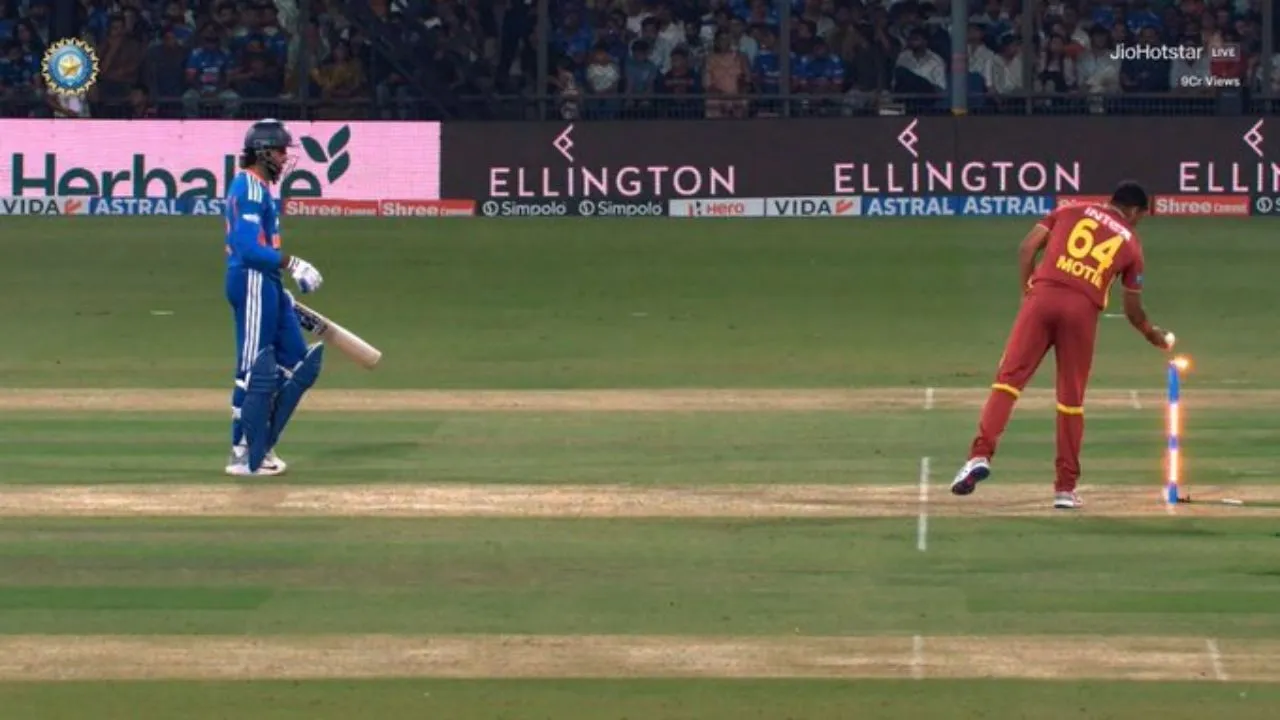
Watch: Tilak Varma’s bizarre run-out leaves Gautam Gambhir fuming during IND vs WI 3rd T20I
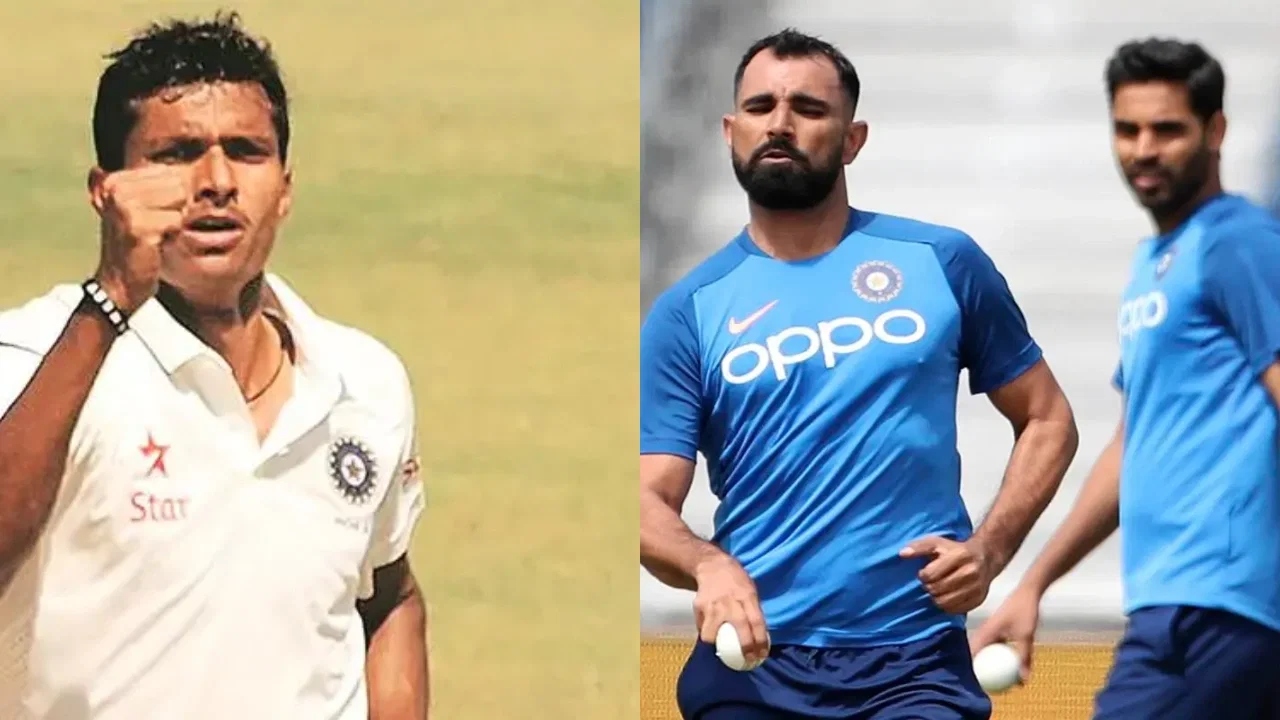
Navdeep Saini backs Mohammed Shami’s India comeback after Bhuvneshwar Kumar’s return