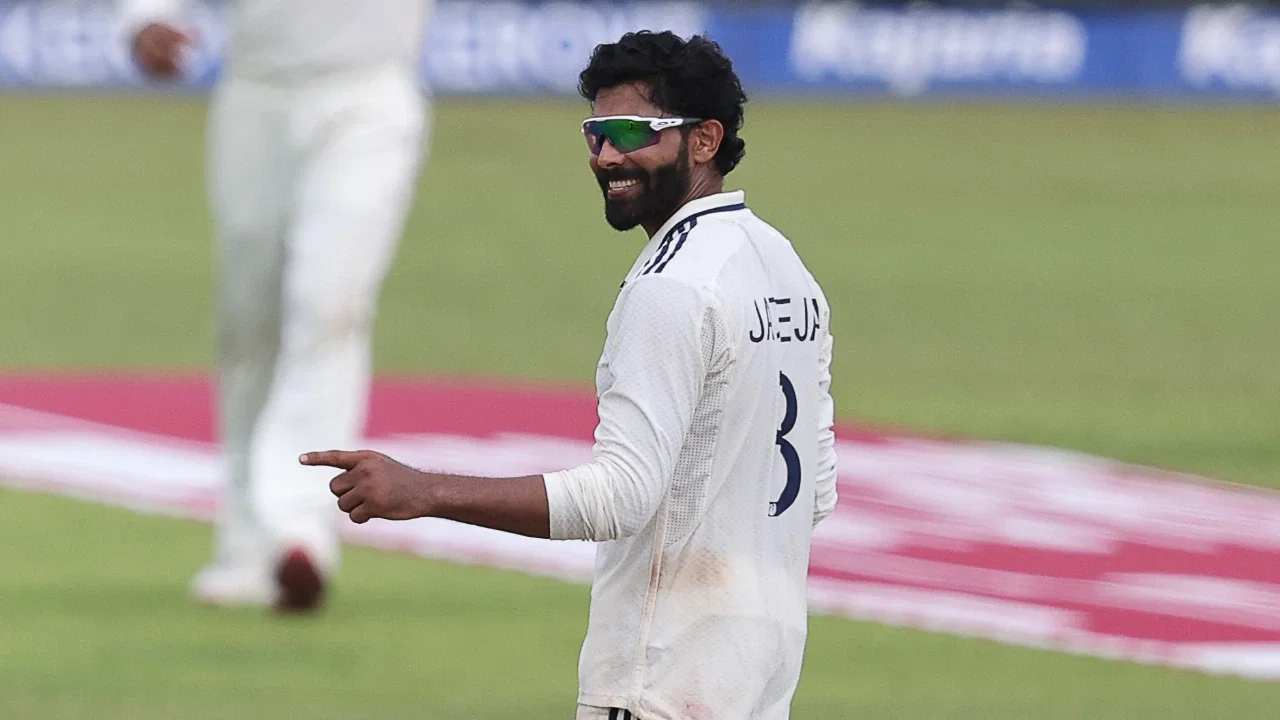
Virat Kohli, Rohit Sharma dragged down to Grade B as Ajit Agarkar ends Grade A+ in BCCI central contracts
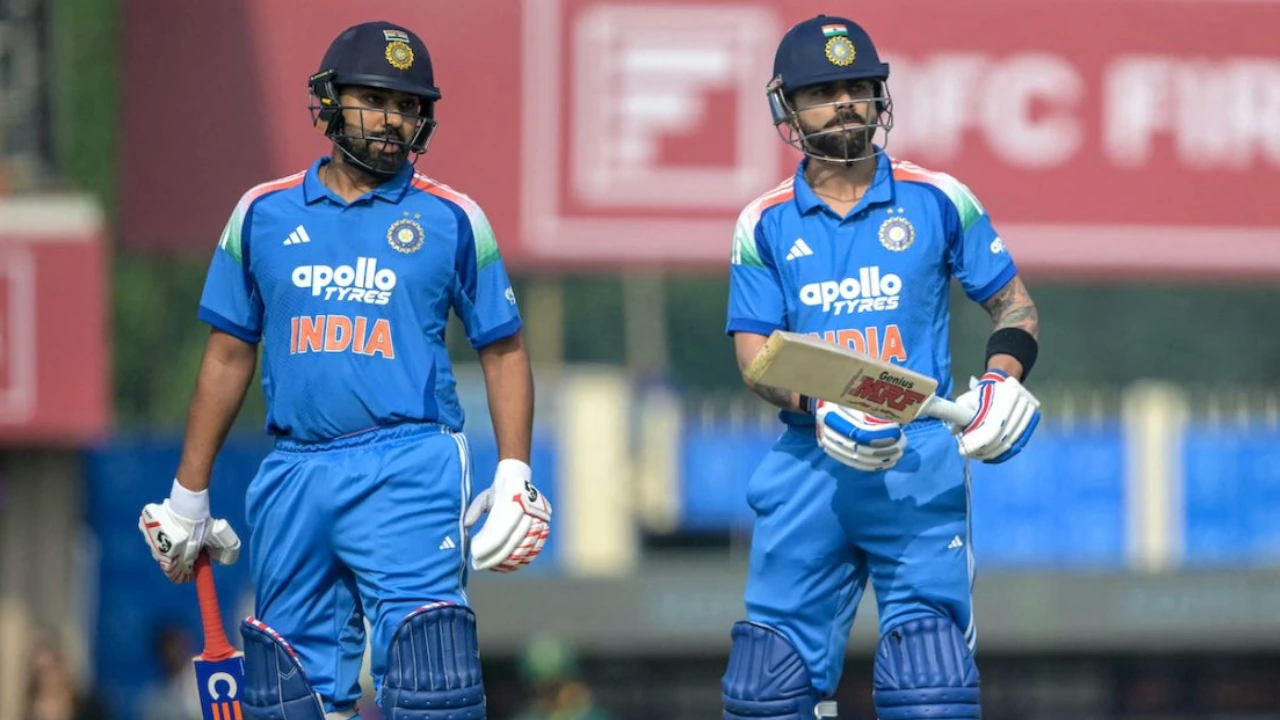
Ajit Agarkar Proposes Overhaul of India’s Central Contract System
Ajit Agarkar, the head of India’s selection committee, has put forth a proposal that could potentially reshape the central contract system for Indian cricketers. The Board of Control for Cricket in India (BCCI) is set to review this new model, which involves removing the A+ category and potentially demoting senior players like Rohit Sharma and Virat Kohli to Category B.
Proposed Changes to the Central Contract System
If approved, the revised central contract system will consist of three categories: A, B, and C. This means players currently in the A+ category, including Rohit Sharma, Virat Kohli, Jasprit Bumrah, and Ravindra Jadeja, would see changes in their contract grades and payments. Agarkar’s proposal aims to realign the contracts based on player performance, experience, and their availability for national duties.
The current payment structure for central contracts sees A+ players earning Rs 7 crore, Grade A players receiving Rs 5 crore, Grade B players getting Rs 3 crore, and Grade C players awarded Rs 1 crore. While details about the new payment structure have not been finalized, it is expected that Rohit Sharma and Virat Kohli, who have retired from T20Is and Test cricket, will be moved to Category B.
Rohit Sharma and Virat Kohli’s Contract Status
Despite retiring from certain formats of the game, Rohit Sharma and Virat Kohli were retained in the highest central contract tier, Grade A+, in the previous cycle. The BCCI decided to keep them in this category due to their contributions to Test and ODI cricket. This move signifies the board’s emphasis on the longer formats of the game over T20Is.
The recently concluded contract period (October 1, 2024, to September 30, 2025) included players like Jasprit Bumrah and Ravindra Jadeja in the A+ category alongside Rohit and Kohli. The upcoming changes proposed by Agarkar will likely lead to a reshuffling of players across the different categories based on their current form and future prospects.
List of BCCI’s Centrally Contracted Players
For the 2024-25 season, the central contracts were awarded to a diverse group of players across the A, B, and C categories. Grade A featured players like Mohammed Siraj, KL Rahul, Shubman Gill, Hardik Pandya, Md. Shami, and Rishabh Pant. Players like Suryakumar Yadav, Kuldeep Yadav, Axar Patel, and Yashasvi Jaiswal were placed in Grade B, while Grade C included names like Rinku Singh, Ruturaj Gaikwad, Washinton Sundar, and Ishan Kishan.
The proposed changes to the central contract system by Ajit Agarkar signal a potential shift in the way Indian cricketers are rewarded and recognized for their performances across different formats of the game. As the BCCI reviews this new model, the cricketing fraternity eagerly awaits the final decision that could impact the careers and earnings of top players like Rohit Sharma and Virat Kohli.
Impact of Proposed Changes on Player Motivation
The proposed overhaul of India’s central contract system by Ajit Agarkar has sparked discussions about how it could impact player motivation and performance on the field. By realigning contracts based on player performance and availability for national duties, the new model aims to incentivize players to consistently deliver their best and prioritize representing the country in all formats of the game.
Players like Rohit Sharma and Virat Kohli, who have retired from certain formats but were previously retained in the A+ category, may find themselves in Category B under the revised system. This shift could serve as a motivating factor for senior players to reconsider their retirement decisions and strive to maintain their spot in the top tier by excelling in all formats.
Equity and Fairness in Contract Allocation
Another aspect of the proposed changes to the central contract system is the emphasis on equity and fairness in contract allocation. By aligning player contracts with their current form, experience, and future prospects, the new model aims to establish a more transparent and merit-based approach to rewarding players. This could lead to a more competitive environment within the national team, where players are constantly vying for higher contract grades through their on-field performances.
Additionally, the revised payment structure, which is yet to be finalized, is expected to reflect the value that each player brings to the team. This could result in a more balanced distribution of financial incentives, ensuring that both established players and emerging talents are adequately compensated for their contributions to Indian cricket.
Evolution of Central Contract Systems in International Cricket
The proposed changes to India’s central contract system also shed light on the evolution of central contract systems in international cricket. Across various cricketing boards, there has been a trend towards restructuring contract models to adapt to the changing dynamics of the sport. From prioritizing test cricket to balancing the demands of multiple formats, boards are constantly reviewing and refining their contract frameworks to best support their players.
By reassessing the criteria for contract allocation and payment structures, cricket boards aim to create a system that not only rewards performance but also aligns with the strategic goals of the team. This evolution reflects a broader shift towards modernizing player contracts to ensure that they remain competitive in a rapidly changing cricket landscape.
Looking Ahead: Potential Challenges and Opportunities
As the BCCI considers Ajit Agarkar’s proposal for revamping India’s central contract system, there are potential challenges and opportunities that lie ahead. Implementing a new model may face resistance from players accustomed to the previous structure, especially those who could face demotion in contract grades. Balancing the interests of senior players with the need to nurture young talent will be a delicate task for the board.
However, the proposed changes also present opportunities for Indian cricket to adapt to the evolving demands of the sport and foster a culture of excellence and accountability among players. By creating a system that rewards performance, availability, and commitment to national duties, the BCCI can lay the foundation for a more competitive and successful team in the years to come.
In conclusion, the potential overhaul of India’s central contract system signifies a significant shift in how players are recognized and rewarded for their contributions to Indian cricket. By promoting equity, fairness, and performance-driven criteria in contract allocation, the new model could shape the future of player contracts in international cricket and set a benchmark for other boards to follow.
Latest News

New Zealand suffer blow as William O’Rourke misses India ODIs and Tests
Top 10 highest run-chases in T20 cricket history, ft. West Indies’ Ranchi win vs India
Aaryavir Sehwag and Anvay Dravid set to make headlines at U19 Asia Cup 2026
Longest ducks in Test cricket history ft. Nic Maddinson, Shoaib Akhtar

ECB to offer 39 central contracts to England players after Ben Stokes, Mark Wood’s retirement

Steve Smith surpasses Steve Waugh in all-time Test run-scorers’ list

Shane Watson identifies Gautam Gambhir’s biggest problem as India struggle for consistency

Is Bhuvneshwar Kumar in India’s 2027 World Cup plans? Ajinkya Rahane makes revelation

BCCI’s big ₹127 Crore move after injury crisis raises concerns over Team India

Parthiv Patel reveals RCB ignored his Jasprit Bumrah recommendation in IPL 2014 Auction

“Never spoke ill of any faith”: Irfan Pathan hits back at fake news using his name
Nic Maddinson bags 33-ball duck on Test comeback, disappoints George Bailey

Imran Tahir predicts 2027 ICC ODI World Cup Semi-Finalists, snubs India for title
Australia create unwanted history with first all-30-plus Test XI