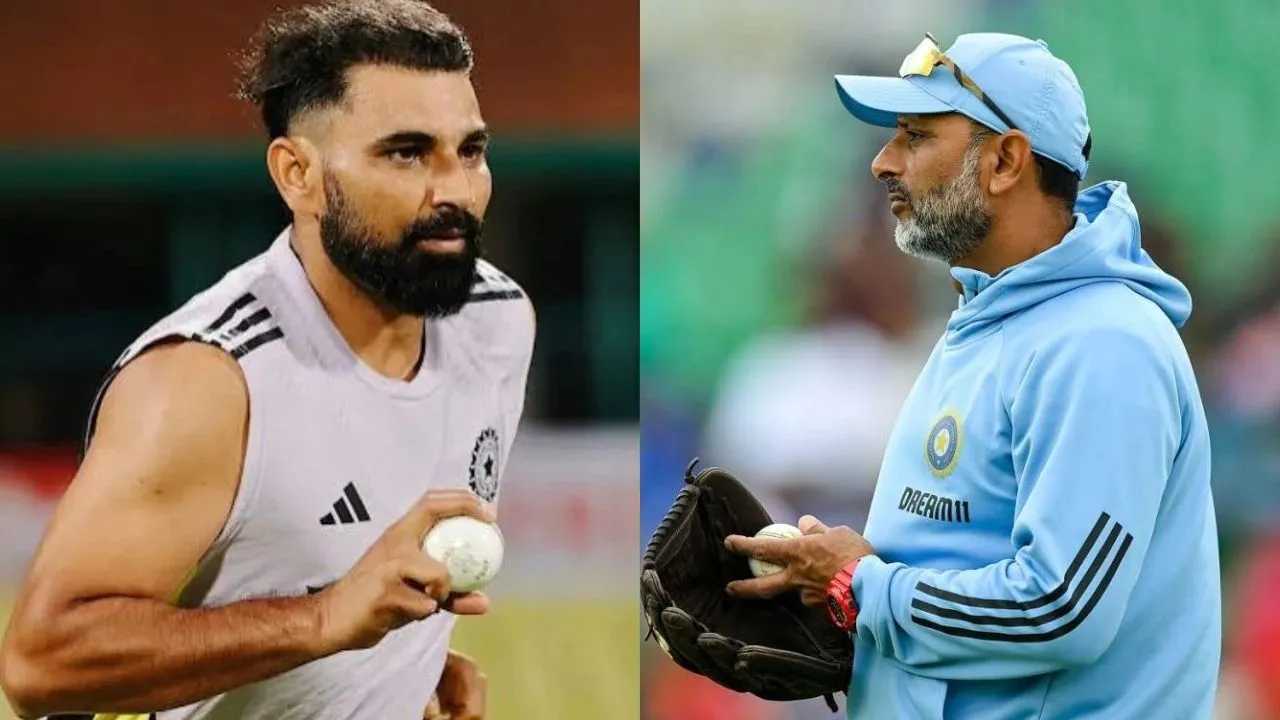
Virat Kohli’s brother rips apart Gautam Gambhir-led team India

Virat Kohli’s Brother Criticizes India’s Bowling Performance in the Fourth Test
Vikas Kohli, the brother of former India Test captain Virat Kohli, recently expressed his disappointment with the Men in Blue’s lackluster bowling display during the fourth Test of the Anderson-Tendulkar Trophy. His comments came after India allowed England to amass a massive total of 669 runs in their first innings at Old Trafford in Manchester.
England’s impressive performance on Day 4 (Saturday, July 26) put India in a difficult position, as they managed to reach only 174/2 by stumps, still trailing by 137 runs. This marked the first time since 2014 that India had conceded over 600 runs in a Test match, with the last instance being against New Zealand.
India’s Struggles with Bowling Consistency
Vikas Kohli hinted at a decline in the Indian Test side’s ability to consistently take 20 wickets in a match, a skill that was a hallmark of the team during Virat Kohli’s captaincy. He lamented, “Not long ago, we had a Test team where our bowlers used to take 20 wickets.”
One of the key points of contention has been India’s strategy of opting for all-rounders over frontline bowlers. While the team managed to bounce back in Birmingham after a defeat in Leeds, their tactics were once again questioned following a narrow 22-run loss at Lord’s.
Jasprit Bumrah’s Tough Outing
In the fourth Test, India struggled as England piled on the runs, with Jasprit Bumrah enduring the most expensive spell of his Test career. Conceding over 100 runs in an innings for the first time, Bumrah’s performance highlighted India’s bowling woes.
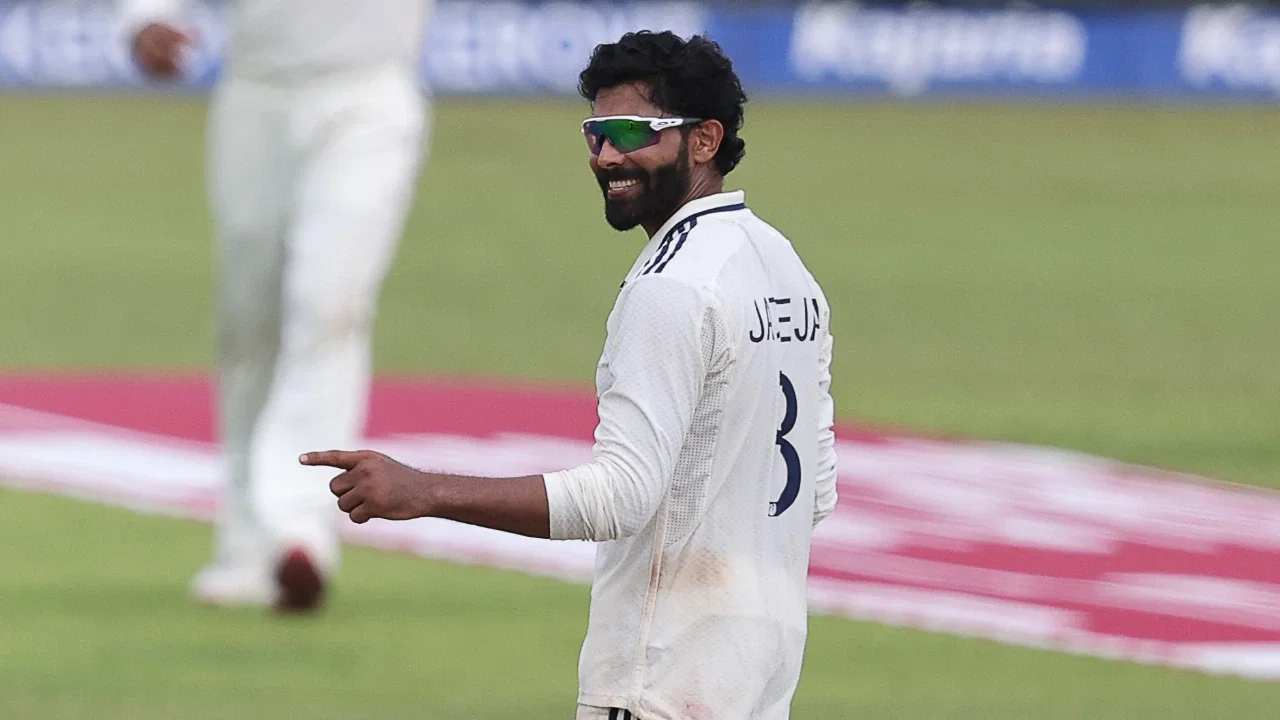
Ravindra Jadeja managed to pick up four wickets for 143 runs, while Washington Sundar contributed with 2/107. However, Mohammed Siraj could only manage a solitary wicket for 140 runs, and Shardul Thakur remained wicketless while conceding 55 runs in 11 overs. Debutant Anshul Kamboj also struggled to generate pace, failing to breach the 130 kph mark.
All-Rounder-Heavy Line-Up Under Gambhir’s Leadership
Gautam Gambhir, the current coach, has focused on bolstering India’s batting lineup by fielding multiple all-rounders, a departure from Virat Kohli’s tenure where five proper bowlers were prioritized, sometimes at the expense of a specialist batsman. While Kohli’s approach yielded success, especially in overseas conditions, critics have raised concerns about the exclusion of wrist-spinner Kuldeep Yadav, known for his match-winning abilities across formats.
Former England captain Michael Vaughan pointed out that Kuldeep could have made a difference in Manchester, where the pitch favored spinners more than in previous matches. India’s extended batting lineup has also struggled to deliver consistent results, with the lower order collapsing frequently, as seen in Manchester where the last four wickets added just 21 runs.
As India looks to bounce back in the series, the team will need to address their bowling issues and find the right balance between all-rounders and specialist bowlers to mount a strong challenge against England.
India’s Bowling Predicament: A Deeper Dive
Vikas Kohli’s criticism of India’s bowling performance in the fourth Test sheds light on a broader issue plaguing the team. The decline in the ability to consistently take 20 wickets in a match is a cause for concern, especially in Test cricket where bowling prowess is paramount. India’s struggles with bowling consistency can be attributed to various factors, including team selection, strategy, and individual player form.
One of the key challenges facing the Indian team is the balance between all-rounders and specialist bowlers in the playing XI. While all-rounders can add depth to the batting lineup and provide a useful bowling option, relying too heavily on them can weaken the bowling attack. The decision to prioritize batting strength over bowling potency has come under scrutiny, particularly in matches where the bowlers have struggled to contain the opposition.
The Jasprit Bumrah Conundrum
Jasprit Bumrah’s tough outing in the fourth Test epitomizes India’s bowling woes. As one of the premier fast bowlers in world cricket, Bumrah’s lackluster performance raised eyebrows among fans and analysts alike. The pressure of shouldering the bowling responsibilities in the absence of experienced campaigners like Ishant Sharma and Mohammed Shami seemed to weigh heavily on Bumrah, leading to a rare off day on the field.
While Ravindra Jadeja and Washington Sundar managed to make some impact with the ball, the overreliance on Bumrah to spearhead the attack highlights the lack of depth in India’s bowling resources. The absence of a genuine fast-bowling partner for Bumrah has also been a cause for concern, as the burden of taking wickets often falls disproportionately on his shoulders.
Revisiting the Selection Strategy
Gautam Gambhir’s emphasis on bolstering the batting lineup with all-rounders has raised questions about the team’s selection strategy. While the intention to strengthen the lower order and provide additional batting depth is commendable, the trade-off in terms of bowling quality cannot be ignored. In matches where the bowlers struggle to make inroads, the lack of specialist bowling options becomes glaringly apparent.
The exclusion of wrist-spinner Kuldeep Yadav, a proven match-winner in Test cricket, has also been a point of contention. Kuldeep’s ability to take wickets on turning tracks could have been invaluable in a match like the one at Old Trafford, where spin played a significant role. The decision to overlook Kuldeep in favor of additional batting options reflects a broader shift in the team’s approach towards team composition.
Looking Ahead: Finding the Right Balance
As India gears up to bounce back in the series against England, addressing the bowling issues will be paramount. Finding the right balance between all-rounders and specialist bowlers, as well as identifying the optimal bowling combination for different conditions, will be crucial to India’s success. While the emphasis on batting strength is understandable, neglecting the bowling department could prove costly in the long run.
With the series finely poised, India will need to regroup, reassess their strategy, and make the necessary adjustments to mount a strong challenge against England. The upcoming matches will test India’s ability to adapt and evolve in the face of adversity, with a renewed focus on bowling excellence likely to be a key factor in determining the outcome of the series.
Latest News

Top 10 highest run-chases in T20 cricket history, ft. West Indies’ Ranchi win vs India

Aaryavir Sehwag and Anvay Dravid set to make headlines at U19 Asia Cup 2026

Longest ducks in Test cricket history ft. Nic Maddinson, Shoaib Akhtar

ECB to offer 39 central contracts to England players after Ben Stokes, Mark Wood’s retirement

Steve Smith surpasses Steve Waugh in all-time Test run-scorers’ list

Shane Watson identifies Gautam Gambhir’s biggest problem as India struggle for consistency

Is Bhuvneshwar Kumar in India’s 2027 World Cup plans? Ajinkya Rahane makes revelation

BCCI’s big ₹127 Crore move after injury crisis raises concerns over Team India

Parthiv Patel reveals RCB ignored his Jasprit Bumrah recommendation in IPL 2014 Auction
“Never spoke ill of any faith”: Irfan Pathan hits back at fake news using his name
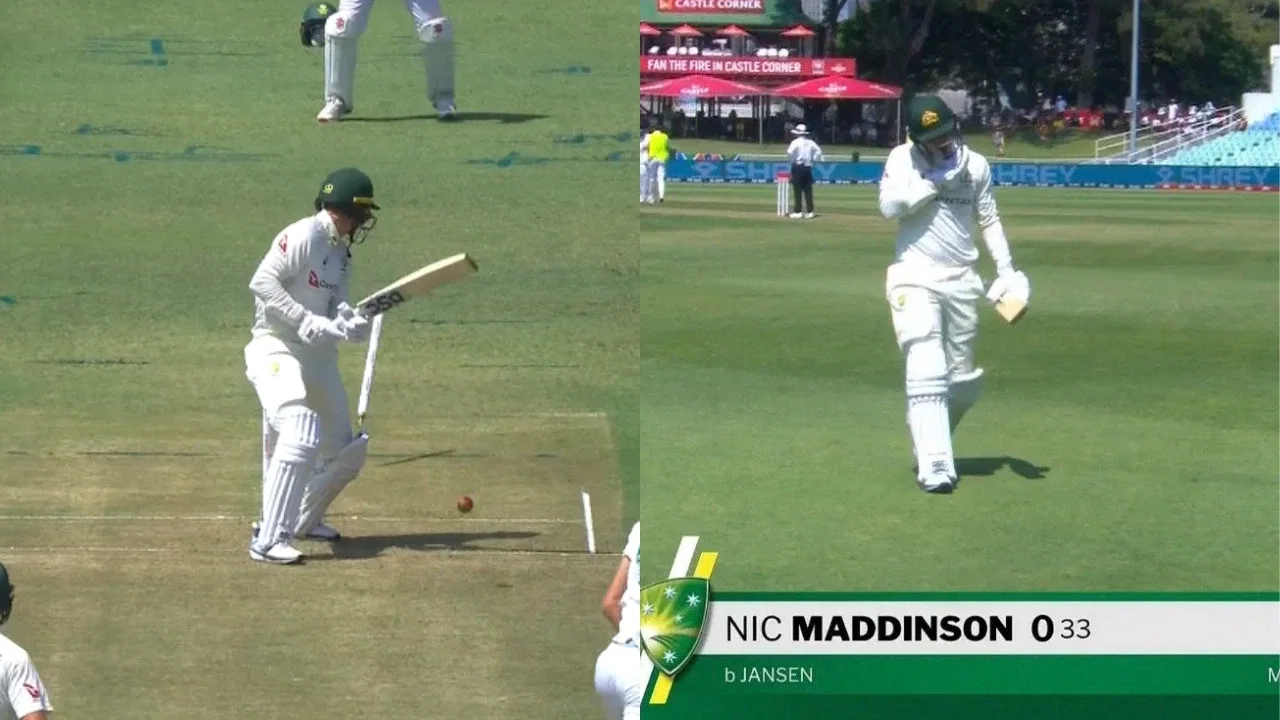
Nic Maddinson bags 33-ball duck on Test comeback, disappoints George Bailey

Imran Tahir predicts 2027 ICC ODI World Cup Semi-Finalists, snubs India for title
Australia create unwanted history with first all-30-plus Test XI
Ravindra Jadeja returns to Ranji Trophy as Saurashtra announce squad