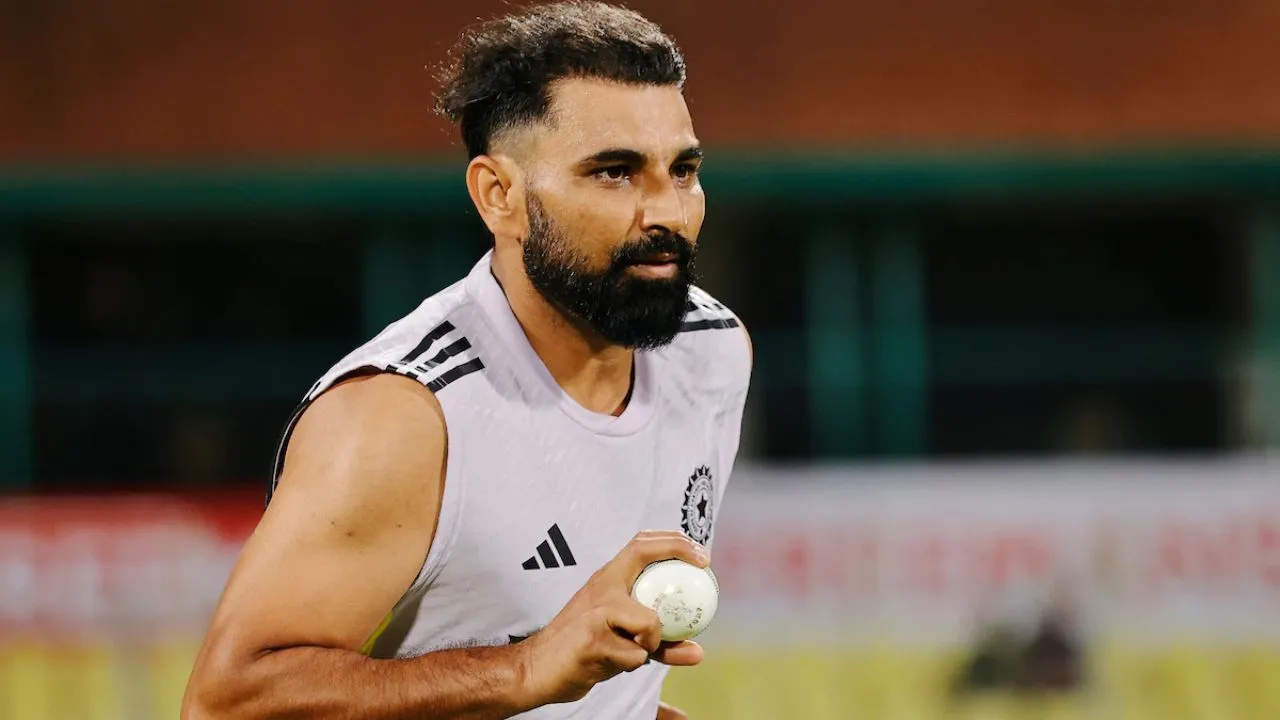
A bit of a joke: Wasim Jaffer slams Yashasvi Jaiswal’s wicketkeeping plans
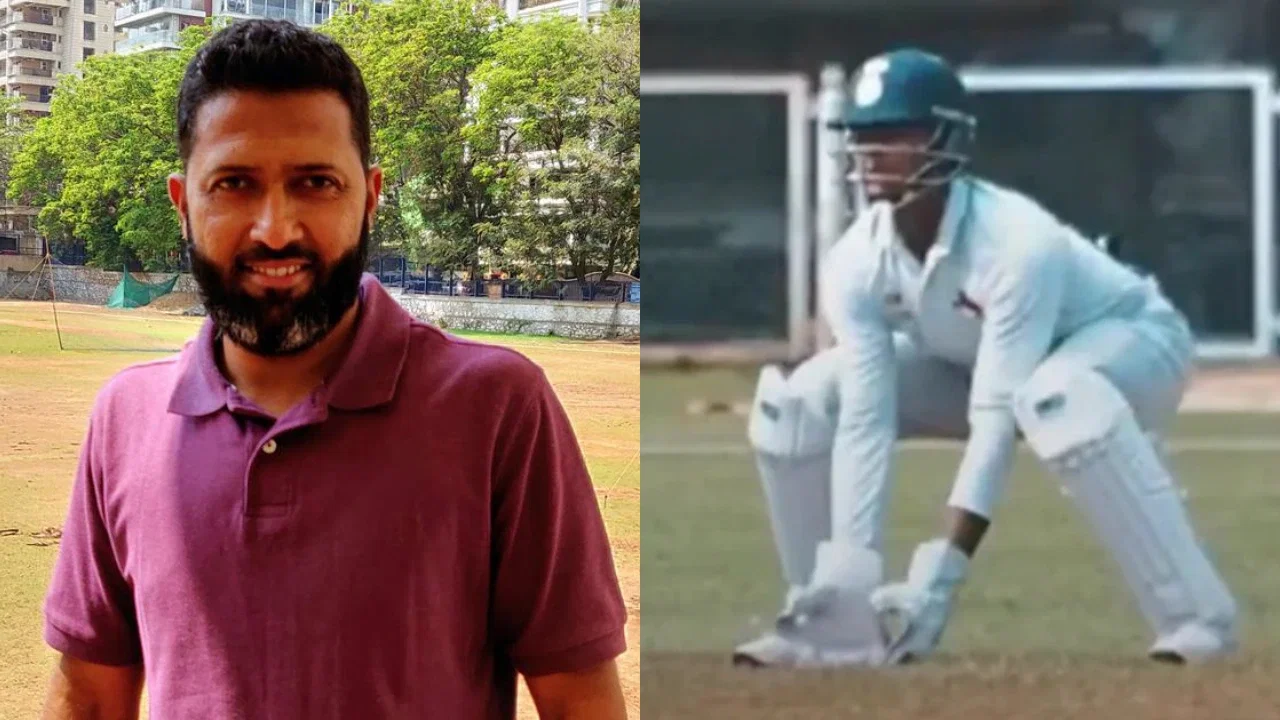
Former India Opener Wasim Jaffer Issues Caution to Yashasvi Jaiswal Over Wicketkeeping Ambitions
In the world of Indian cricket, where young talents often seek innovative ways to make their mark, Yashasvi Jaiswal’s recent move to learn wicketkeeping has generated significant attention. The 24-year-old left-handed batsman, primarily known for his explosive batting and promising Test career, has been practicing wicketkeeping during Mumbai’s pre-season preparations for the upcoming Ranji Trophy 2026-27. However, cricket legend and former India opener Wasim Jaffer has expressed serious reservations about this endeavor, warning that such a move could be more of a gamble than a strategic step forward.
Jaffer’s Perspective on Jaiswal’s Wicketkeeping Experiment
Jaffer, renowned for his extensive domestic cricket experience and insightful commentary, has openly questioned the wisdom of Jaiswal’s attempt to add wicketkeeping to his skill set at this stage of his career. In a candid discussion posted on his popular YouTube channel, the cricketing stalwart described wicketkeeping as a demanding craft that requires years of dedicated practice, often starting from childhood. He emphasized that trying to master this complex skill at age 24 could lead to unforeseen challenges, potentially hindering Jaiswal’s primary strength—his batting.
“I was quite surprised when I heard about Yashasvi trying to learn wicketkeeping,” Jaffer remarked. “It’s not easy to pick up such a specialized skill without prior experience. Wicketkeeping demands agility, reflexes, and a lot of technical finesse—traits that are usually developed over years during childhood. Attempting this at this stage might divert focus from his batting, which is where he truly excels.”
Prediction: Is Jaiswal Pursuing White-Ball Teams or Seeking a New Role?
Speculation is rife that Jaiswal’s interest in wicketkeeping might be an attempt to carve a niche in India’s white-ball formats—ODIs and T20Is—where he has yet to secure a consistent spot. With India boasting a wealth of talented wicketkeepers like Ishan Kishan, Sanju Samson, and the returning Rishabh Pant, Jaffer questions where Jaiswal’s wicketkeeping ambitions might fit into the national team setup.
“The competition for wicketkeeper-batsman spots in India is fierce,” Jaffer explained. “Jaiswal’s focus on wicketkeeping could be an effort to diversify his options and make himself more versatile. But that also raises the question: where does he see himself fitting in? In T20 cricket, for example, teams already have specialists, and breaking into that role requires more than just ambition—it demands extensive practice and experience.”
Expert Advice: Focus on Batting for Long-Term Success
While Jaffer acknowledged Jaiswal’s talent and potential, he urged the young cricketer to prioritize his primary skill—batting. Given Jaiswal’s already established place in India’s Test squad, the veteran believes that adding wicketkeeping at this juncture could be a distraction. He commented, “In Test cricket, batting is crucial, and Jaiswal has shown great promise there. For limited-overs formats, he needs to focus on honing his batting techniques and building consistency, rather than diverting energy into mastering wicketkeeping, which is a very demanding discipline.”
Jaffer’s prediction is that Jaiswal’s efforts might be driven by a desire to secure a more permanent spot in India’s white-ball teams, but the path to that goal is complex. Mastering wicketkeeping isn’t something that can be achieved overnight, especially without a background in the craft. Therefore, the safest route for Jaiswal remains refining his batting skills and contributing to the team as a potent opening batter.
India’s Bowling Woes Revealed: Jasprit Bumrah’s Absence and Its Impact
Jaffer Highlights the Importance of Jasprit Bumrah in India’s Bowling Attack
Beyond individual player strategies, Wasim Jaffer also shared his insights into the current challenges faced by the Indian cricket team, particularly focusing on the bowling department. After India’s surprising six-wicket defeat against the West Indies in the second T20I in Ranchi, Jaffer pointed out the significant impact of Jasprit Bumrah’s absence on the team’s overall bowling strength.
India scored a formidable 249/5 in the match, but West Indies’ fearless batting display, led by Shai Hope (unbeaten 102 off 45 balls) and Sherfane Rutherford (84 off 37 balls), resulted in a stunning chase that was completed in just 18.3 overs. This marked one of the highest successful run chases in men’s T20I cricket, and Jaffer believes it underscores the critical need for India to have their premier fast bowler on the field.
Prediction: The Gap Left by Bumrah and the Search for Consistent Bowlers
Jaffer emphasized that Jasprit Bumrah’s unique skill set and composure make him irreplaceable in India’s fast-bowling arsenal. His absence creates a noticeable gap, and the team struggles to find an equally effective replacement. “There is a huge difference between Bumrah and the other Indian bowlers,” Jaffer stated. “He’s a game-changer, especially in T20 cricket, with his ability to bowl yorkers and control the death overs. When he’s rested or unavailable, the team looks vulnerable.”
He praised bowlers like Mayank Yadav and Arshdeep Singh for their performances but noted that consistency remains a challenge. “Yadav did well today, and Arshdeep has shown promise, but they are still finding their feet at this level. Bumrah’s experience and skill set are unmatched, and until India can develop someone with similar qualities, the team will continue to feel the void,” Jaffer predicted.
Prediction and Outlook: The Future of Indian Fast Bowling
The ongoing series and recent performances highlight the urgent need for India to nurture new fast-bowling talent capable of stepping into Bumrah’s shoes. While the likes of Yadav and Singh are on the right path, the prediction remains that India’s success in white-ball cricket will heavily depend on developing a stable, dependable pace attack that can perform under pressure, especially in T20 World Cups and other major tournaments.
Conclusion: Strategic Focus for Young Players and Team Management
In summary, Wasim Jaffer’s insights serve as important guidance for young Indian cricketers like Yashasvi Jaiswal, emphasizing the importance of strategic focus and skill development. While innovation and versatility are valuable, they must be balanced with a clear understanding of one’s strengths and the demands of the game. For Jaiswal, the prediction is that refining his primary skills—batting—will serve him better in the long run than venturing into complex, high-pressure roles like wicketkeeping without adequate preparation.
At the same time, the prediction for India’s bowling attack indicates that the team’s future success hinges on developing a new generation of fast bowlers who can replicate Bumrah’s impact. Until then, the team will continue to navigate challenges, relying on experienced campaigners and emerging talent to fill the gaps.
As Indian cricket evolves, the key prediction remains: strategic focus, skill refinement, and talent development will determine whether the team can sustain its dominance and achieve new heights in international cricket.
Latest News
Bangladesh name 16-member squad for UAE tri-series, Aliss Al Islam earns maiden ODI call-up
A bit of a joke: Wasim Jaffer slams Yashasvi Jaiswal’s wicketkeeping plans
Matt Renshaw ends 9-year wait for Test ton, only 3 waited longer due to World War I
Ajit Agarkar’s selection panel blamed for Virat Kohli’s shock Test retirement
IND vs WI Playing 11 Today, Live Streaming, Pitch & Weather: India vs West Indies 3rd T20I, 2026
PAK vs SL Playing 11 Today, Live Streaming, Pitch & Weather: Pakistan vs Sri Lanka 2nd T20I, 2026
Arunachal Pradesh set to pull out of Nagaland clash in Ranji Trophy 2026-27
Sunil Gavaskar blames Indian bowlers after West Indies pull off historic 250-run chase in Ranchi
Suryakumar Yadav switches teams ahead of IPL auction
“Hungry Lion”: Ravichandran Ashwin’s strong take on Shai Hope’s bowling strategy against Sanju Samson
Cricket Australia CEO supports selectors despite Nic Maddinson’s 33-ball duck vs SA
Ranji Trophy 2026-27: Full Schedule, Groups, Round 1 Fixtures and Key India Players

Josh Inglis set to rejoin Australia squad ahead of second Test against South Africa
Ravindra Jadeja shares playful message for CSK, RR days after selector-role question