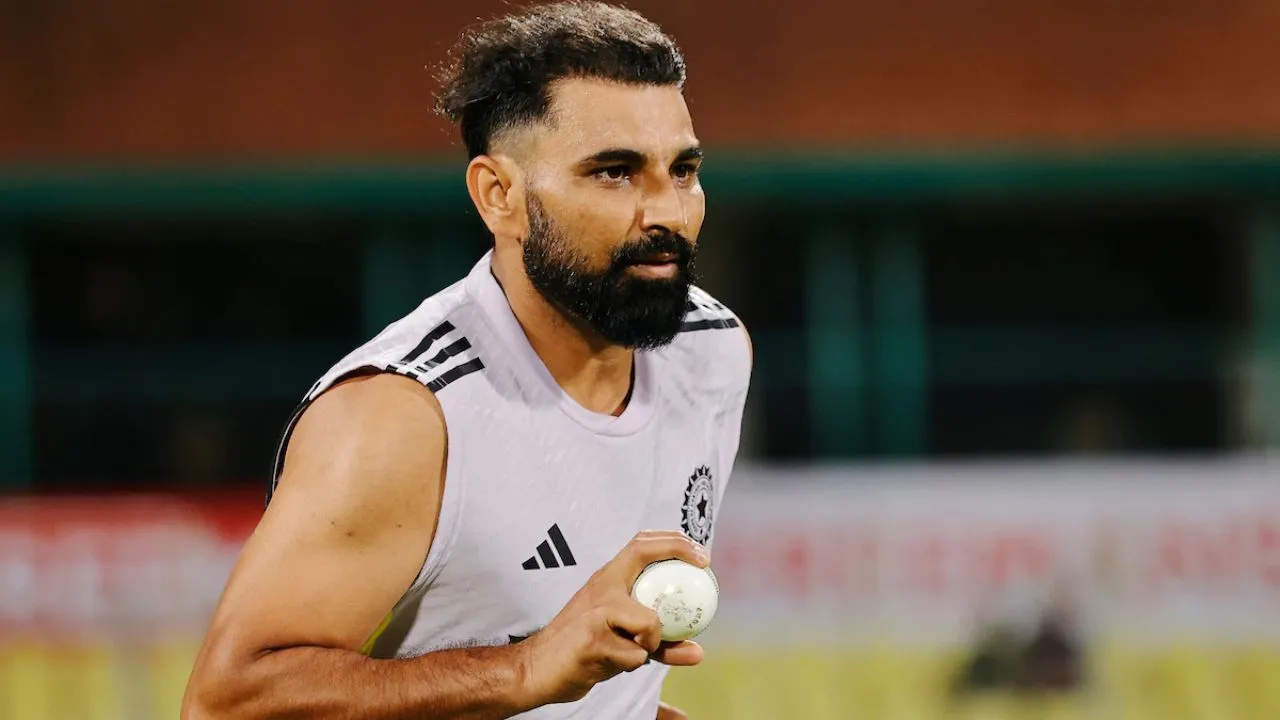
Ajit Agarkar’s selection panel blamed for Virat Kohli’s shock Test retirement
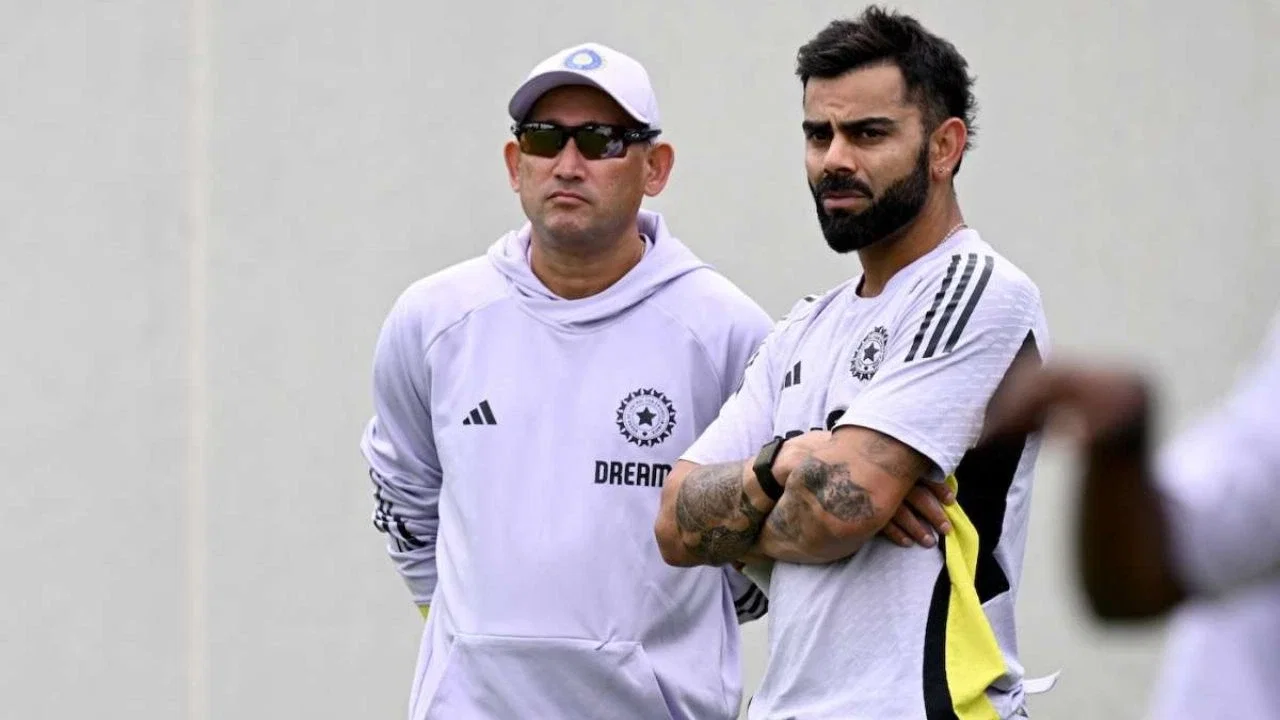
Virat Kohli’s Unexpected Test Retirement: A Turning Point in Indian Cricket
The cricketing world was left in shock when Virat Kohli, one of India’s most iconic and prolific batsmen, announced his retirement from Test cricket in May 2025. Coming just before India’s highly anticipated tour of England, this decision not only raised eyebrows but also sparked widespread speculation about the underlying reasons behind such a sudden move. As fans, analysts, and former players dissect the implications, many are now turning their attention to the broader context—particularly the role of team management and selection policies—that may have influenced Kohli’s choice.
The Significance of Virat Kohli’s Test Career
To understand the magnitude of Kohli’s departure, it’s essential to consider his illustrious Test career. With an impressive tally of 9,230 runs in 123 matches at an average of 46.85, Kohli was a cornerstone of India’s batting line-up across formats. His 30 centuries and 31 half-centuries exemplify his consistency and ability to perform under pressure. Kohli’s aggressive style and leadership qualities earned him respect both within the team and among cricket fans worldwide.
Nevertheless, despite his remarkable achievements, his recent retirement has led to questions about whether he was given the recognition and support he deserved in the final stages of his Test journey. The prediction that Kohli might have been unhappy with his treatment by team selectors and management is gaining traction among cricket insiders and former players alike.
Was Virat Kohli’s Retirement a Reaction to Team Politics?
Insights from Former Indian Opener Wasim Jaffer
Former Indian opening batsman Wasim Jaffer recently shared his perspective on the situation, suggesting that Kohli’s abrupt exit from Test cricket was possibly influenced by dissatisfaction with how he was treated by the team’s selection panel, particularly under the leadership of Ajit Agarkar. In a candid discussion on his YouTube channel, Jaffer opined that Kohli might have felt overlooked or undervalued, which contributed to his decision to step away from the format.
“It felt like Virat was a bit bitter about the way he was treated,” Jaffer stated. “A player of his caliber, who commands such a massive following and has contributed so much to Indian cricket, should have been given more clarity and respect. He was actively preparing for the England tour, yet he chose to retire instead. That indicates there might have been underlying issues.”
The Role of Selection Politics and Management Decisions
Jaffer further questioned the handling of key players and the selection policies of Ajit Agarkar’s panel. While acknowledging the panel’s successes—such as India’s triumphs in white-ball cricket, including two ICC T20 World Cups and the ICC Champions Trophy—he critiqued specific decisions that appeared inconsistent or unexplained.
He pointed out notable omissions like Suryakumar Yadav, Bhuvneshwar Kumar, and Mohammed Shami, raising questions about the criteria used for team selection. Jaffer also highlighted the cases of Sarfaraz Khan, Auqib Nabi, and Abhimanyu Easwaran, suggesting that inconsistent selection and management decisions may have created friction within the team environment.
Prediction: The Future of Indian Cricket Post-Kohli
Implications of Kohli’s Departure on Team Dynamics
With Kohli’s retirement, Indian cricket faces a significant transition. His absence leaves a void in the batting order, especially in the Test format where his experience and dominance were vital. The prediction is that younger players will now shoulder more responsibility, but the challenge lies in maintaining consistency and building team cohesion in the absence of such a seasoned leader.
Moreover, the retirement sparks a broader conversation about the management’s approach to senior players. Will this lead to a more transparent and player-centric selection process? Or will it intensify existing tensions within the team? The prediction leans toward an evolving team culture, where future leadership will need to focus on balancing experience with emerging talent.
Impact on Team Strategy and Future Tours
As India prepares for upcoming international assignments, including crucial tours in England, Australia, and South Africa, the decisions taken now regarding team composition and captaincy will be pivotal. The prediction is that selectors and coaching staff will prioritize form and consistency, but also need to address emotional and psychological factors influencing player performance—especially for senior stars like Kohli.
Broader Context: The Changing Landscape of Indian Cricket
Selection Politics and Leadership Changes
Ajit Agarkar’s leadership as chief selector has been under scrutiny, especially in light of recent decisions. The prediction is that the upcoming months will see increased calls for transparency and a more player-focused approach in team management. The appointment of Shreyas Iyer as captain after the IPL 2026 season, and Rohit Sharma’s removal as ODI captain despite leading India to a Champions Trophy victory, exemplify the ongoing shifts in leadership strategy.
These moves have sparked debate about whether the focus is on building a long-term vision or merely tactical adjustments. The prediction is that Indian cricket is at a crossroads—balancing tradition with modern management practices—to ensure sustained success across formats.
Lessons from the Past and the Road Ahead
Historically, Indian cricket has experienced similar upheavals—players retiring, management controversies, and leadership changes. The current scenario with Kohli’s retirement might serve as a catalyst for reform, emphasizing the need for fostering a supportive environment for senior players while integrating youth seamlessly.
Furthermore, the prediction is that cricket authorities will increasingly focus on holistic player development, mental health, and transparent communication to prevent discontent and ensure players feel valued and motivated.
Conclusion: A New Chapter for Indian Cricket
Virat Kohli’s sudden retirement from Test cricket marks the end of an era and signals a new chapter for Indian cricket. While the reasons behind his decision remain partly speculative, the insights shared by former players like Wasim Jaffer shed light on the complexities of team management, selection policies, and player treatment.
As the prediction unfolds, the cricket fraternity will watch closely how Indian cricket navigates this transition—balancing respect for its legends with the need for fresh leadership and strategic clarity. Ultimately, the hope is that lessons learned from this episode will lead to a more cohesive, transparent, and successful future for Indian cricket on the global stage.
Stay tuned for more updates and expert analysis as Indian cricket continues to evolve in this exciting new phase.
Latest News
Bangladesh name 16-member squad for UAE tri-series, Aliss Al Islam earns maiden ODI call-up
A bit of a joke: Wasim Jaffer slams Yashasvi Jaiswal’s wicketkeeping plans
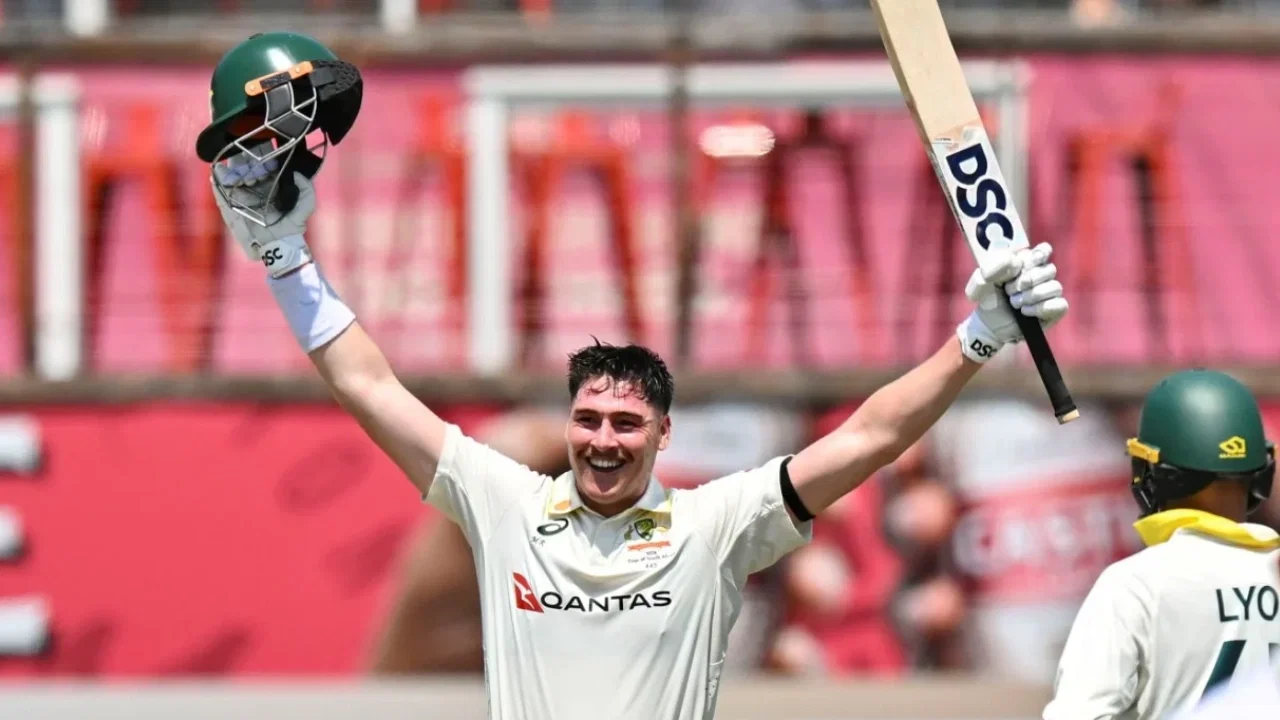
Matt Renshaw ends 9-year wait for Test ton, only 3 waited longer due to World War I
Ajit Agarkar’s selection panel blamed for Virat Kohli’s shock Test retirement
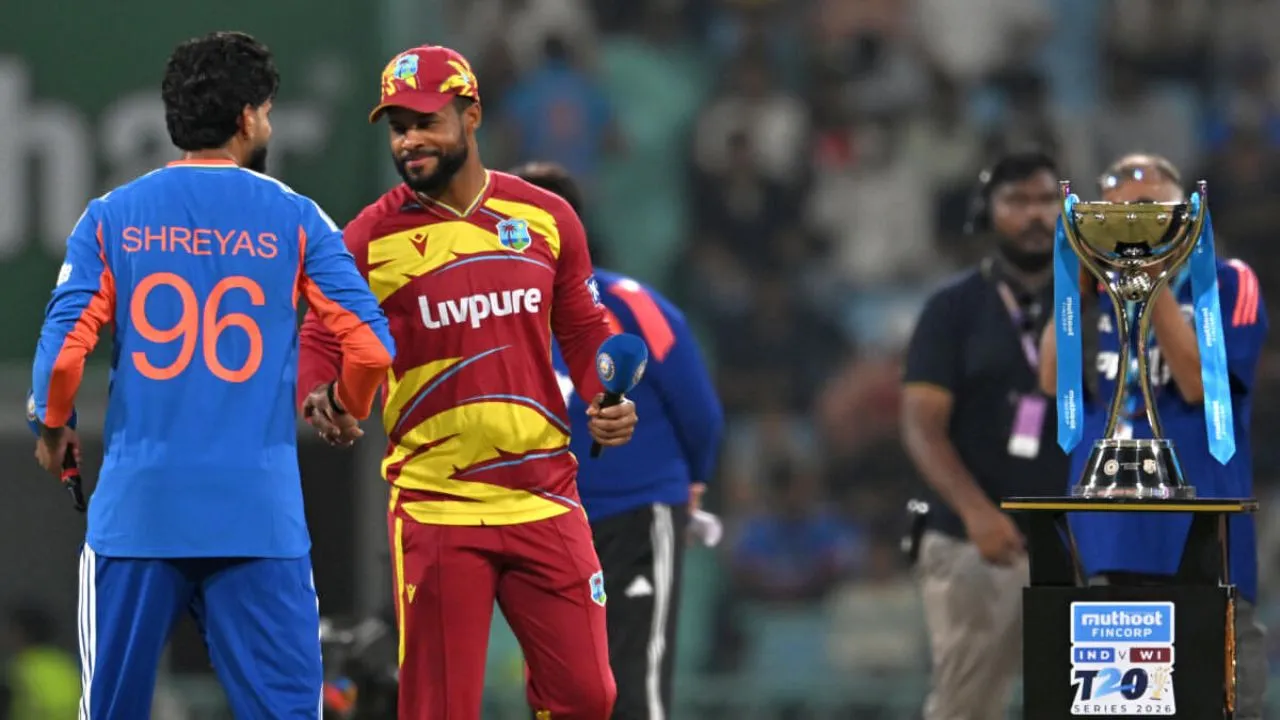
IND vs WI Playing 11 Today, Live Streaming, Pitch & Weather: India vs West Indies 3rd T20I, 2026
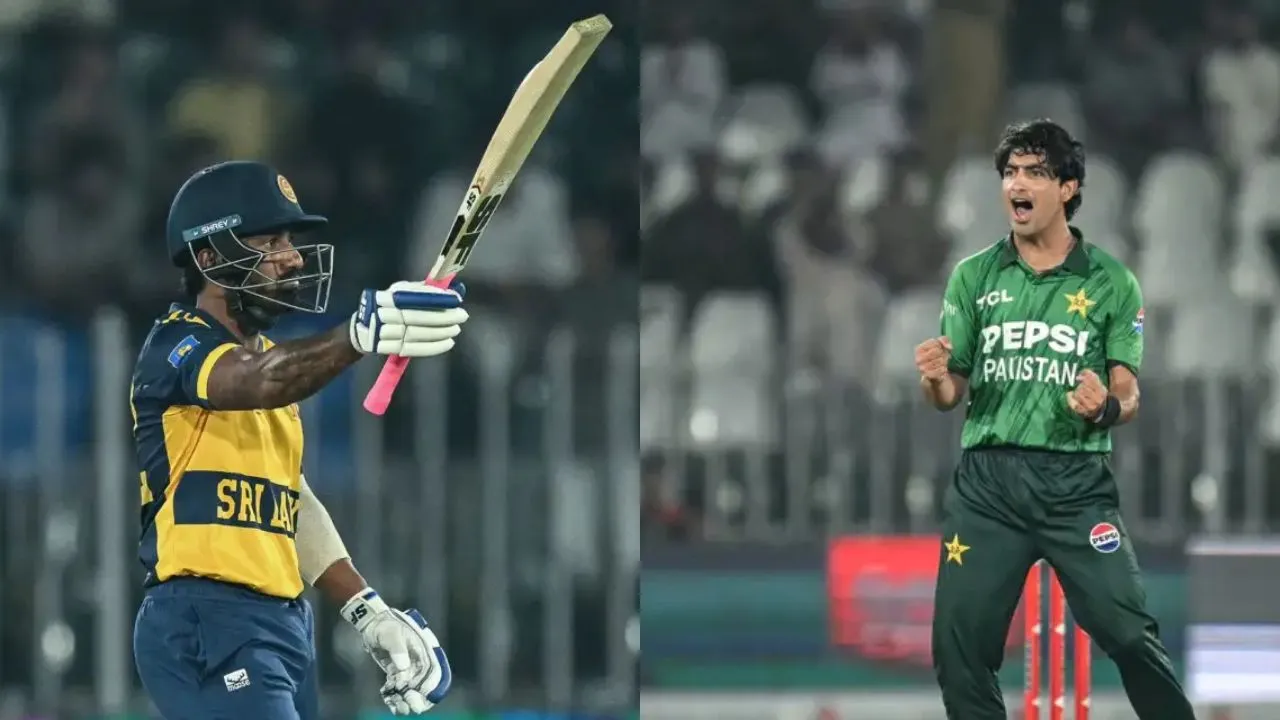
PAK vs SL Playing 11 Today, Live Streaming, Pitch & Weather: Pakistan vs Sri Lanka 2nd T20I, 2026
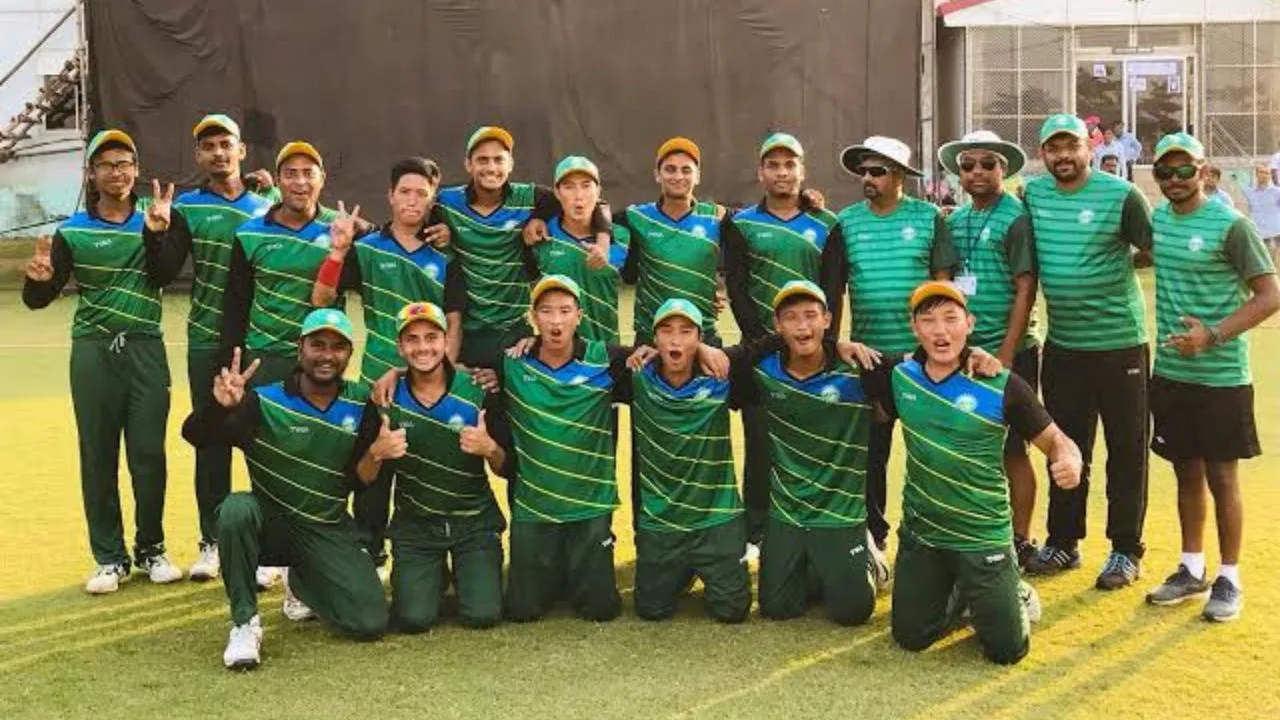
Arunachal Pradesh set to pull out of Nagaland clash in Ranji Trophy 2026-27
Sunil Gavaskar blames Indian bowlers after West Indies pull off historic 250-run chase in Ranchi
Suryakumar Yadav switches teams ahead of IPL auction
“Hungry Lion”: Ravichandran Ashwin’s strong take on Shai Hope’s bowling strategy against Sanju Samson
Cricket Australia CEO supports selectors despite Nic Maddinson’s 33-ball duck vs SA
Ranji Trophy 2026-27: Full Schedule, Groups, Round 1 Fixtures and Key India Players
Josh Inglis set to rejoin Australia squad ahead of second Test against South Africa
Ravindra Jadeja shares playful message for CSK, RR days after selector-role question