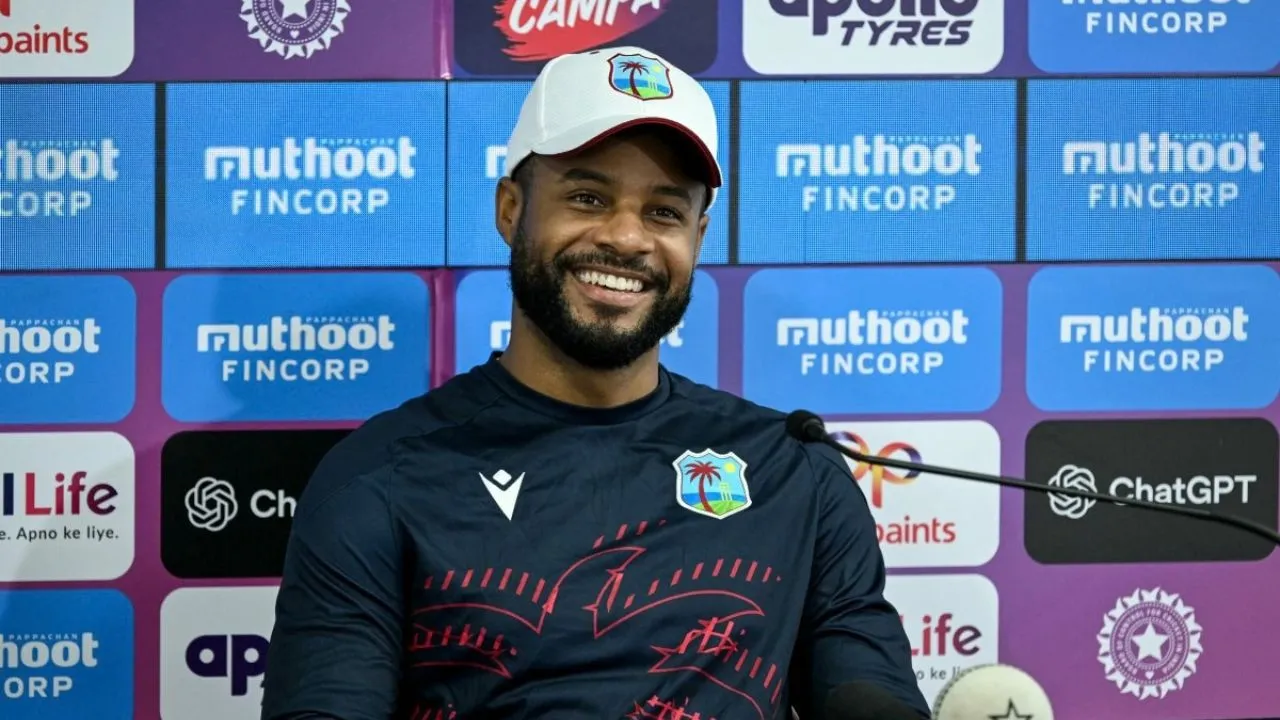
Cricket South Africa suffers R440.6 Million loss, another hit looms in 2026-27
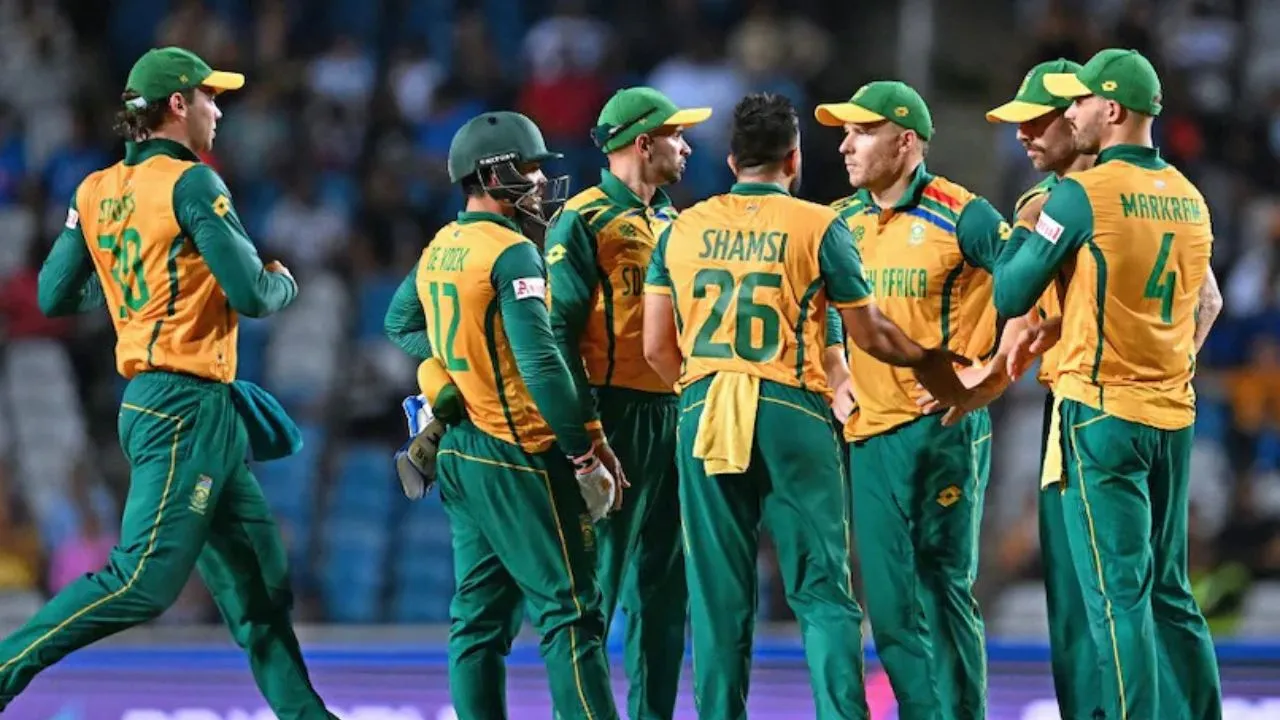
Cricket South Africa Faces Financial Challenges Amidst Predictions of Continued Losses
Cricket South Africa (CSA), the governing body responsible for developing and promoting cricket across the nation, has encountered significant financial setbacks during the 2025-26 season, posting a staggering loss of R440.6 million (approximately USD 27 million). This development marks a critical juncture for South African cricket, as the organization grapples with economic pressures stemming from various internal and external factors. While the short-term financial outlook appears bleak, the broader four-year financial narrative remains cautiously optimistic, prompting predictions about the future stability of South African cricket’s finances amidst ongoing global and domestic challenges.
Understanding the Financial Dip: Causes and Context
Several key factors contributed to CSA’s substantial financial loss during the 2025-26 season. Notably, a shortened home summer schedule significantly impacted revenue streams. Traditionally, South Africa’s cricket calendar features numerous international fixtures, lucrative domestic tournaments, and a vibrant fan engagement scene. However, this season saw only three T20 International matches against the West Indies, limiting match-day earnings and associated commercial activities.
Adding to the financial strain was the strengthening of the South African rand, which appreciated by approximately 6% against the US dollar over the past year. This currency fluctuation adversely affected CSA’s broadcasting and commercial income, much of which is denominated in foreign currencies. The annual integrated report revealed that CSA’s ICC distribution income amounted to R351 million (around USD 21.52 million). However, the organization also suffered a net foreign exchange loss of R43 million (roughly USD 2.64 million), further compounding the financial deficit.
Another critical aspect impacting CSA’s finances was the decline in broadcast revenue. The organization’s reliance on television rights and broadcasting partnerships constitutes a significant portion of its income. The evolving media landscape, coupled with strategic shifts in broadcasters’ investment decisions, has resulted in a notable reduction in broadcast income — a trend that CSA CEO Pholetsi Moseki described as the “most difficult part” of their commercial operations.
Recent Highlights and Noteworthy Performances
Despite financial challenges, South African cricket continues to produce remarkable performances that capture global attention. One of the season’s standout moments was David Miller’s record-breaking 142 against Australia, which set multiple records and underscored the talent present within the Proteas squad. Such performances bolster the sport’s popularity domestically and internationally, offering a glimmer of hope for future commercial growth.
Future Expectations: Treading on Troubled Waters
Looking ahead, CSA predicts another financial loss for the 2026-27 season, despite hosting several high-profile international tours. The upcoming fixtures include series against Australia, Bangladesh, and England in men’s cricket, as well as women’s cricket tours involving India and Australia. While these events were previously expected to generate profits or at least break even, current predictions suggest otherwise.
The primary reason for this pessimism is the persistent strength of the rand, which is expected to remain high relative to the US dollar. This currency outlook diminishes the potential revenue from international broadcasting rights, sponsorships, and match-day sales. Moreover, CSA’s CEO Pholetsi Moseki emphasized that the decline in broadcast income is a major factor influencing the financial outlook, citing changes in the global media environment and broadcaster investment strategies as key contributors.
Broadcasting Crisis: A Major Hurdle for CSA
The broadcasting landscape presents a significant challenge for CSA. The recent acquisition of MultiChoice by Canal+ has introduced uncertainty into the African sports broadcasting market. MultiChoice, which owns SuperSport — Africa’s premier sports broadcaster — has initiated cost-cutting measures, including a 10% reduction in workforce, which could lead to decreased investment in sports rights.
The current broadcasting agreement with SuperSport is set to expire after the 2026-27 season. CSA is actively seeking long-term partnerships with broadcasters such as SuperSport and the South African Broadcasting Corporation (SABC), with the 2027 ICC Cricket World Cup serving as a crucial milestone for negotiations. Additionally, CSA managed to secure a last-minute agreement with Sky Sports to broadcast the Australia and England tours in the UK. However, these deals are less lucrative compared to previous agreements, reflecting the broader trend of declining broadcast revenue across global cricket markets.
Investment in World Cup and Domestic Cricket: Heavy Expenses
Preparation for the ICC ODI World Cup 2027 is a significant financial undertaking for CSA. The governing body has allocated approximately R297 million (USD 18.09 million) toward stadium upgrades, focusing on critical infrastructure improvements such as floodlights, internet connectivity, and pitch enhancements. These investments aim to ensure South Africa’s venues meet international standards and provide a world-class experience for players and spectators alike.
Despite the financial strain, CSA remains committed to domestic cricket, which constitutes the backbone of South African cricket development and talent nurturing. The organization spends nearly R536 million (around USD 32.87 million) annually on domestic competitions involving 15 provincial teams. This expenditure is set to increase in the upcoming season, as Division 1 teams will now play 10 first-class matches instead of seven, and the domestic T20 competition has expanded to include 16 teams, including a South African emerging side. However, there are no current plans to cut costs by reducing the size or scope of domestic competitions, emphasizing CSA’s focus on nurturing talent at the grassroots level.
Looking Ahead: Predictions and Strategic Outlook
Considering the current trajectory, several industry experts predict that CSA must innovate and adapt to navigate the ongoing financial turbulence. The prediction of continued losses in the near term underscores the need for strategic partnerships, diversification of revenue streams, and enhanced fan engagement initiatives.
The prediction of a challenging financial landscape is compounded by external factors such as international travel costs, fluctuating broadcasting rights, and global economic uncertainties. Nevertheless, the organization’s long-term vision includes leveraging the upcoming 2027 World Cup and expanding domestic talent development programs to restore financial stability and growth.
Key Takeaways and Strategic Recommendations
- Enhanced Broadcast Partnerships: CSA must seek innovative broadcasting agreements tailored to the evolving media environment, possibly exploring digital streaming platforms to supplement traditional TV rights.
- Revenue Diversification: Developing new revenue streams such as merchandising, digital content, and international sponsorships could offset declining broadcast income.
- Investing in Youth and Domestic Cricket: Maintaining investment in provincial and youth cricket is crucial for long-term player development, which will eventually translate into international success and increased commercial interest.
- Cost Management and Efficiency: While expanding domestic competitions, CSA should explore cost-effective measures without compromising the quality of cricket infrastructure and player development programs.
Conclusion: Navigating Uncertain Waters with a Vision
Cricket South Africa’s current financial forecast underscores the complexities and unpredictability facing modern sports organizations in a rapidly changing global environment. While the prediction of continued losses in the short term may seem discouraging, the organization’s strategic focus on infrastructure development, domestic growth, and international partnerships offers a path toward eventual stability and growth. The upcoming seasons will be pivotal in testing the resilience and adaptability of CSA’s leadership as they seek to balance financial sustainability with the ongoing development of cricket across South Africa.
As cricket fans and stakeholders await the upcoming international tours and the 2027 World Cup, the overarching prediction remains that with innovative strategies and strategic partnerships, South African cricket can emerge stronger from these challenging times, continuing to produce world-class talent and captivating global audiences.
Latest News

Mike Baird resigns as Cricket Australia Chairman after BBL privatisation row, David Boon takes charge
Watch: Quinton de Kock drops F-bomb in fight with Temba Bavuma during SA vs AUS ODI

Aakash Chopra calls Test retirement Virat Kohli’s best ODI decision
Bangladesh Cricket Board announces domestic-3 with six franchises ahead of 2026-27 season

Irfan Pathan raises alarm over Hardik Pandya’s injury woes, urges India to find backup
Cricket South Africa suffers R440.6 Million loss, another hit looms in 2026-27
“Virat Kohli-like traits”: Aakash Chopra praises Shubman Gill
“It was unbelievable”: Prasidh Krishna hails Virat Kohli’s 86th ton
‘Kuldeep Yadav may have warmed bench if Harshit Rana was available’: Aakash Chopra on spinner’s 4-fer
Pavan Rathnayake given out, not out, then out again in England vs Sri Lanka 3rd ODI

India, Pakistan reach Asian Games 2026 semi-finals after washouts
SL vs NEP Playing 11 Today, Live Streaming, Pitch & Weather: Sri Lanka vs Nepal, Asian Games 2026, 3rd Quarter-Final
BAN vs MLY Playing 11 Today, Live Streaming, Pitch & Weather: Bangladesh vs Malaysia, Asian Games 2026, 4th Quarter-Final
‘He’s enjoying the game a lot more’: Shubman Gill opens up on Virat Kohli’s amazing ODI form