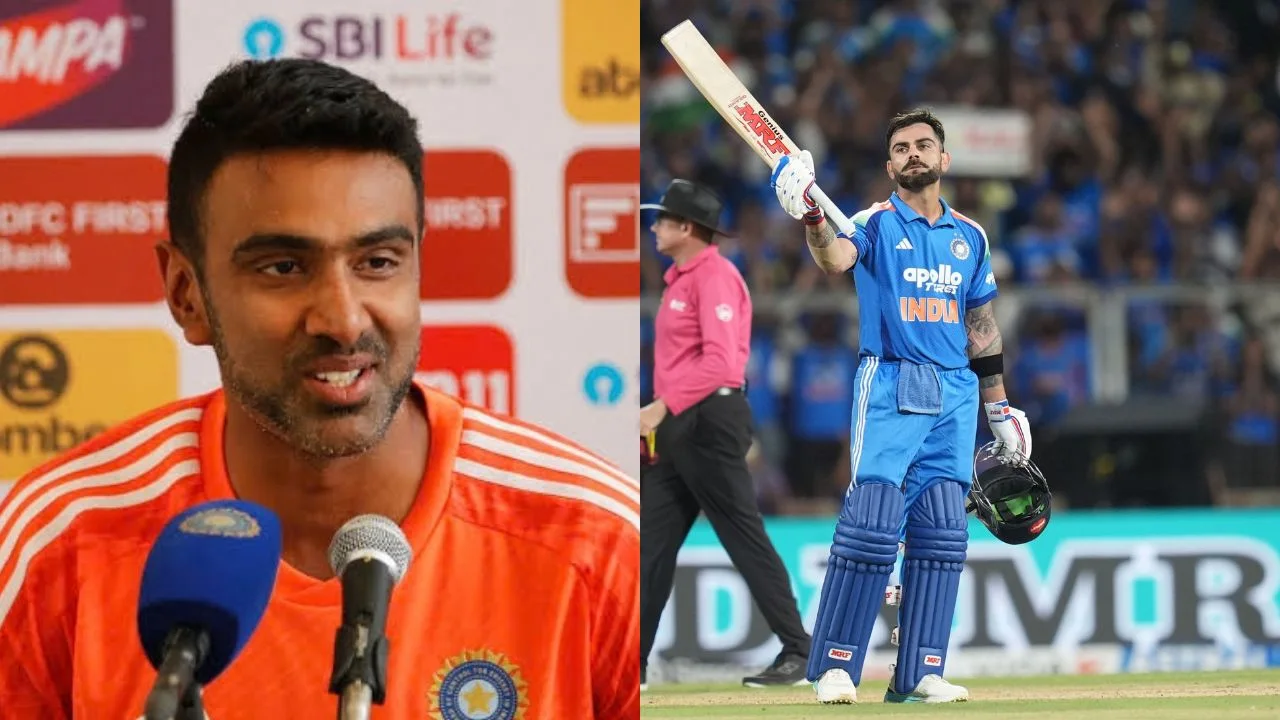
Irfan Pathan raises alarm over Hardik Pandya’s injury woes, urges India to find backup
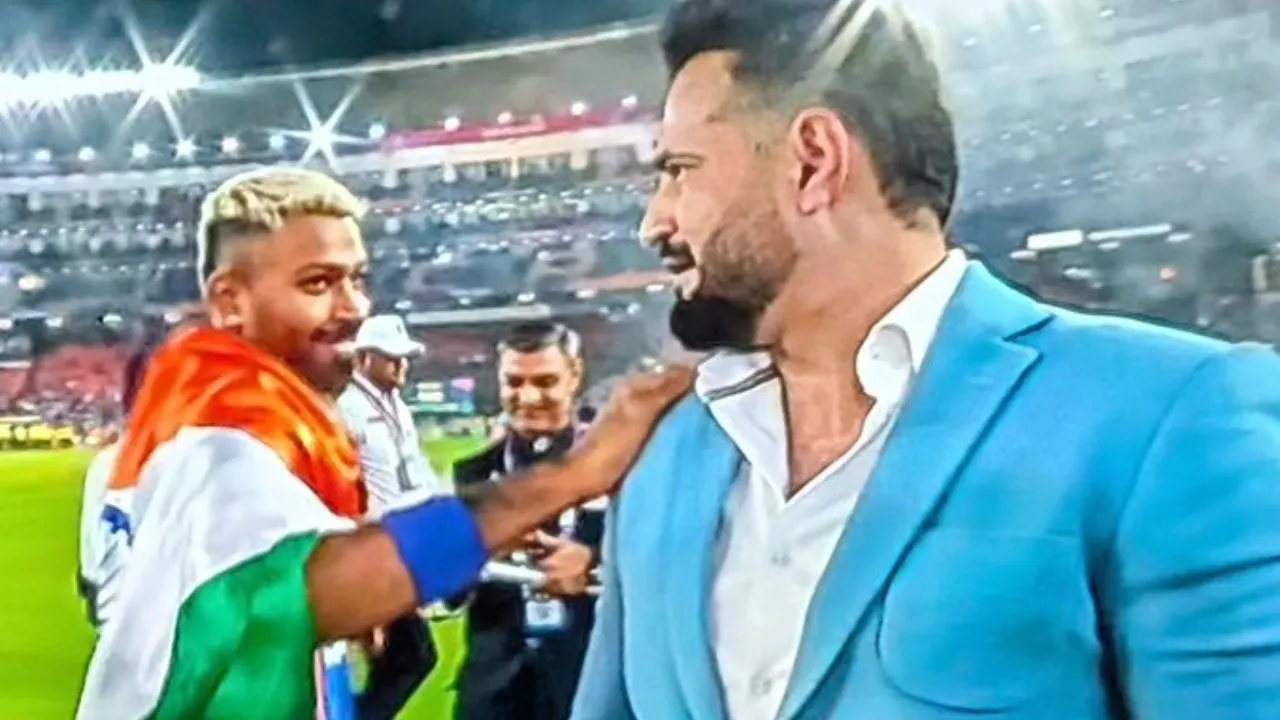
India’s Cricket Future at Risk: Irfan Pathan Highlights Concerns Over Hardik Pandya’s Injury Woes and the Need for Strategic Planning
In the ever-evolving landscape of Indian cricket, the importance of consistent player availability cannot be overstated. Recent developments have cast a shadow over the team’s stability, with former Indian all-rounder Irfan Pathan raising significant concerns about Hardik Pandya’s recurring injury issues. As the team grapples with the challenge of maintaining a balanced and competitive squad, Pathan’s insights underscore the urgency for strategic adaptation and talent development.
Hardik Pandya’s Injury Saga: A Growing Concern for Indian Cricket
Hardik Pandya, widely regarded as one of India’s most versatile all-rounders, has faced a series of injury setbacks that have severely impacted his availability for key matches. The latest injury — a fresh shin issue — has kept him sidelined during a crucial phase of the cricket calendar, including the ongoing white-ball series against the West Indies. Pandya’s absence has been felt deeply, especially given his role as a pivotal all-rounder capable of contributing both with the bat and ball.
Pathan pointed out that Pandya’s injury troubles have been ongoing since IPL 2026, when he initially suffered a back stress injury. This was followed by a quadriceps injury, and subsequent setbacks have hampered his ability to maintain consistent playing time. Despite his rigorous recovery at the BCCI Centre of Excellence, Pandya’s recent injury has once again thwarted his chances of returning to the field, particularly through the India A team’s matches against Australia A, where he was expected to make a comeback.
The Impact of Repeated Injuries on Team Strategy and Prediction
Injury prediction and management are critical elements in team planning, especially for players who hold multi-dimensional roles like Pandya. Repeated injuries not only affect the player’s confidence but also influence the team’s strategic options. When a key player is frequently sidelined, it forces selectors and coaching staff to reconsider their long-term plans, often leading to increased reliance on untested or less experienced players.
Former captain and current coach Gautam Gambhir had previously highlighted that Pandya was not yet fit enough to bowl his full quota of 10 overs in ODIs — a testament to the ongoing concerns about his fitness. This situation underscores the importance of accurate injury prediction models and tailored training programs to prevent recurrence and optimize player health.
Irfan Pathan’s Perspective: The Significance of Confidence and Consistent Selection
Reacting to the situation, Irfan Pathan emphasized that injuries occurring outside of competitive play — during rehabilitation or training phases — can significantly undermine a player’s confidence and the team’s trust in their fitness. Pathan explained, “It is unfortunate for any player that Hardik is getting injured without actively participating in matches. Playing and then getting injured is one thing, but suffering setbacks during rehab can be more damaging to a player’s mental state and ultimately, team planning.”
He also pointed out that the lack of consistent cricket exposure hampers the team’s ability to gauge Pandya’s true form and fitness, leading to uncertainty about his future availability. This uncertainty complicates prediction models used by selectors and coaches, ultimately affecting team balance and performance predictions for upcoming tournaments.
The Need to Develop a Robust Pipeline of Fast-Bowling All-Rounders
With Pandya’s fitness still a concern and his future uncertain, Pathan advocates for the development of a broader talent pool of fast-bowling all-rounders. Such players are essential to ensure team resilience, especially in high-stakes formats like ODIs and T20Is. Nitish Kumar Reddy is a prime example of emerging talent who has shown promising progress, particularly in his bowling skills.
Reddy, who recently made an impact during India’s T20I series against Afghanistan, has demonstrated increased pace and improved all-round capabilities. Pathan believes that giving players like Reddy more opportunities across formats can help India build a reliable backup plan, thus reducing over-reliance on Pandya and similar players. The prediction is that nurturing multiple all-rounders will optimize team flexibility and performance consistency, especially during injury spells or workload management periods.
Why Pandya’s Role Remains Crucial in Indian Cricket
Hardik Pandya’s role in the Indian team is not just as a versatile all-rounder but as a strategic asset that provides the team with attacking batting depth and a genuine bowling option. His ability to contribute with both bat and ball allows India to adopt aggressive, flexible game plans, including deploying an extra spinner like Kuldeep Yadav without compromising the team’s overall balance.
Moreover, India’s limited pool of pace-bowling all-rounders who can consistently bowl full spells and deliver powerful finishing shots makes Pandya’s presence even more valuable. His ability to bowl 10 overs in ODIs and anchor crucial moments with the bat makes him a linchpin in India’s quest for consistent success on the international stage.
The Larger Context: Strategic Planning and Player Development
As predictions for future tournaments such as the ICC World Cup or Asia Cup hinge on player fitness and availability, the Indian cricket fraternity must focus on strategic planning. Developing a pipeline of versatile players who can step in seamlessly during injuries is essential for sustained success. This involves not only identifying emerging talent but also investing in injury prevention programs, advanced physiotherapy, and workload management.
Fostering a culture of resilience and adaptability ensures that India remains competitive regardless of setbacks. The emphasis on prediction models for injuries, combined with proactive development of multi-skilled players, will shape the team’s future trajectory. These efforts will help mitigate the risks associated with injuries, ensuring that key roles are always filled with capable substitutes.
Conclusion: Balancing Talent, Fitness, and Prediction for a Bright Future
In conclusion, Irfan Pathan’s insights highlight the critical need for India to prioritize injury prediction, player development, and squad depth. As the team navigates the complex challenges posed by Pandya’s ongoing injury concerns, it becomes evident that building a resilient, multi-dimensional squad is vital for sustained success. The road ahead requires strategic foresight, investment in emerging talent like Nitish Kumar Reddy, and a focus on comprehensive fitness management.
Only through such an integrated approach can India hope to optimize prediction accuracy for player availability, maintain competitive edge, and secure a dominant position in international cricket for years to come.
Latest News
Virat Kohli or Sachin Tendulkar? Mohammad Kaif settles the GOAT debate

SA vs AUS Playing 11 Today, Live Streaming, Pitch & Weather: South Africa vs Australia 3rd ODI, 2026
Rohit Sharma or Virat Kohli: Kuldeep Yadav reveals the hardest captain to convince for DRS
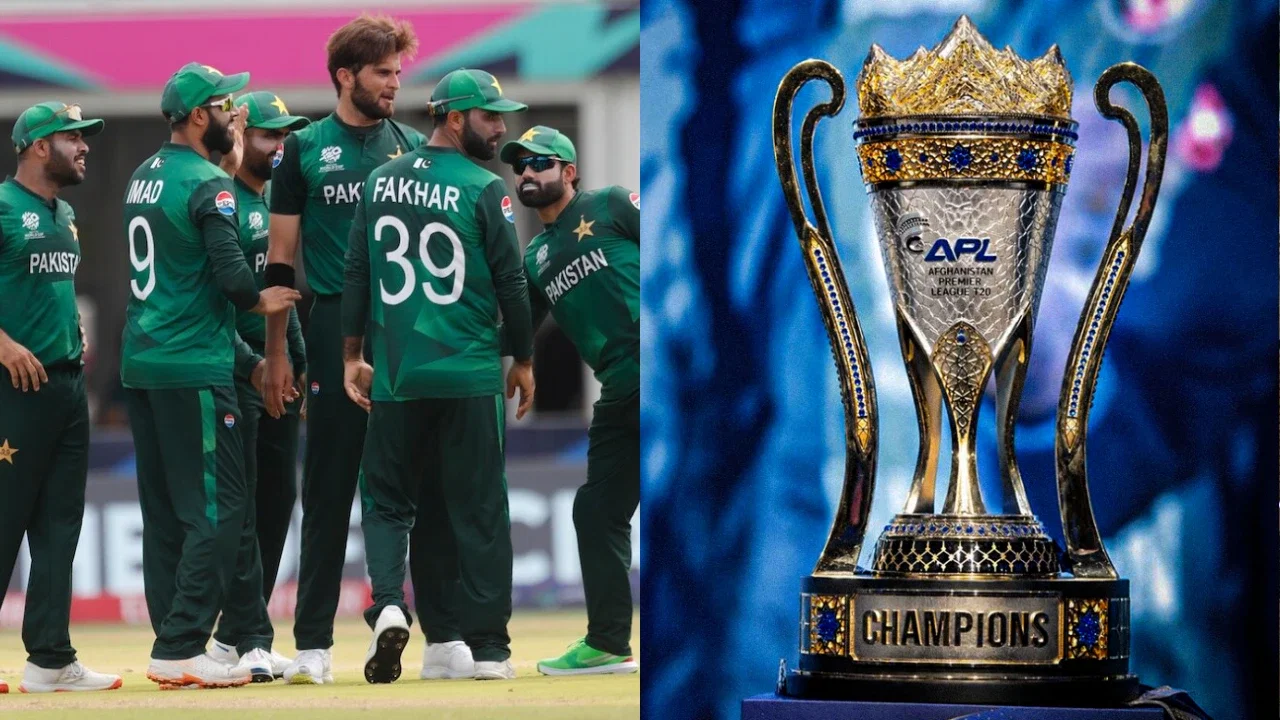
Mohsin Naqvi’s PCB bans Pakistan cricketers from playing Afghanistan Premier League
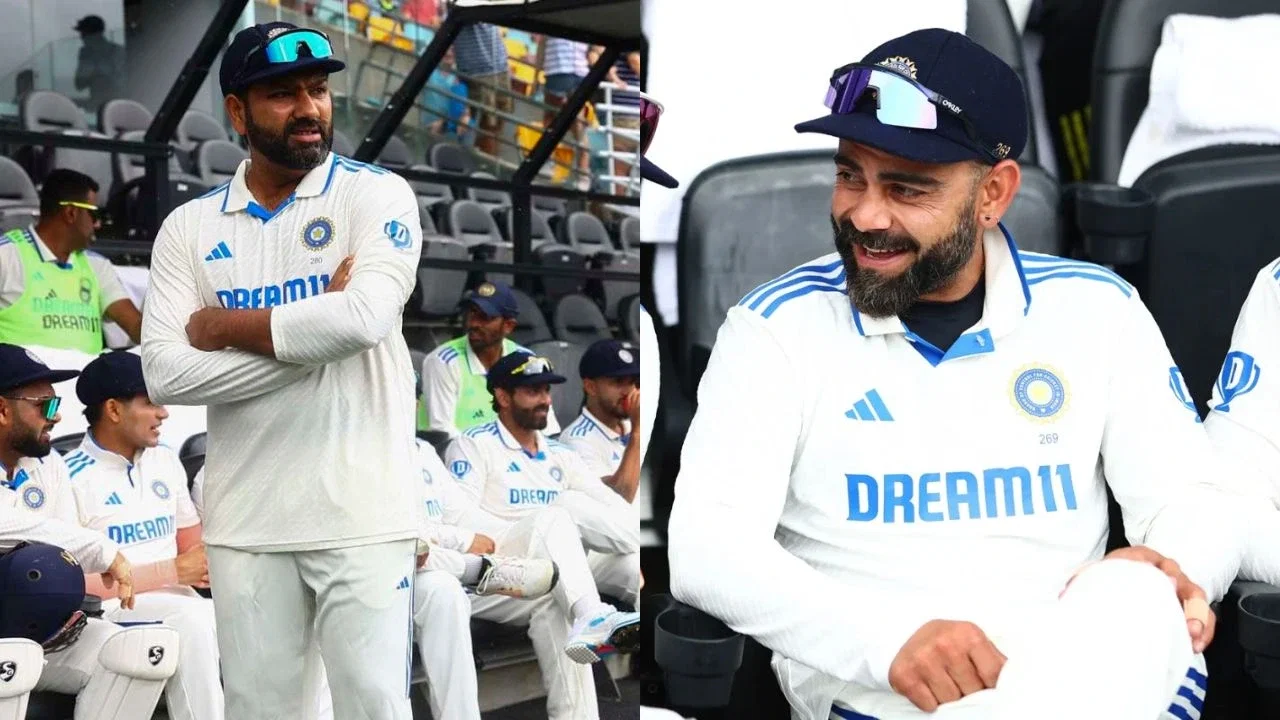
Rohit Sharma admits he was a fan of Virat Kohli’s Test captaincy
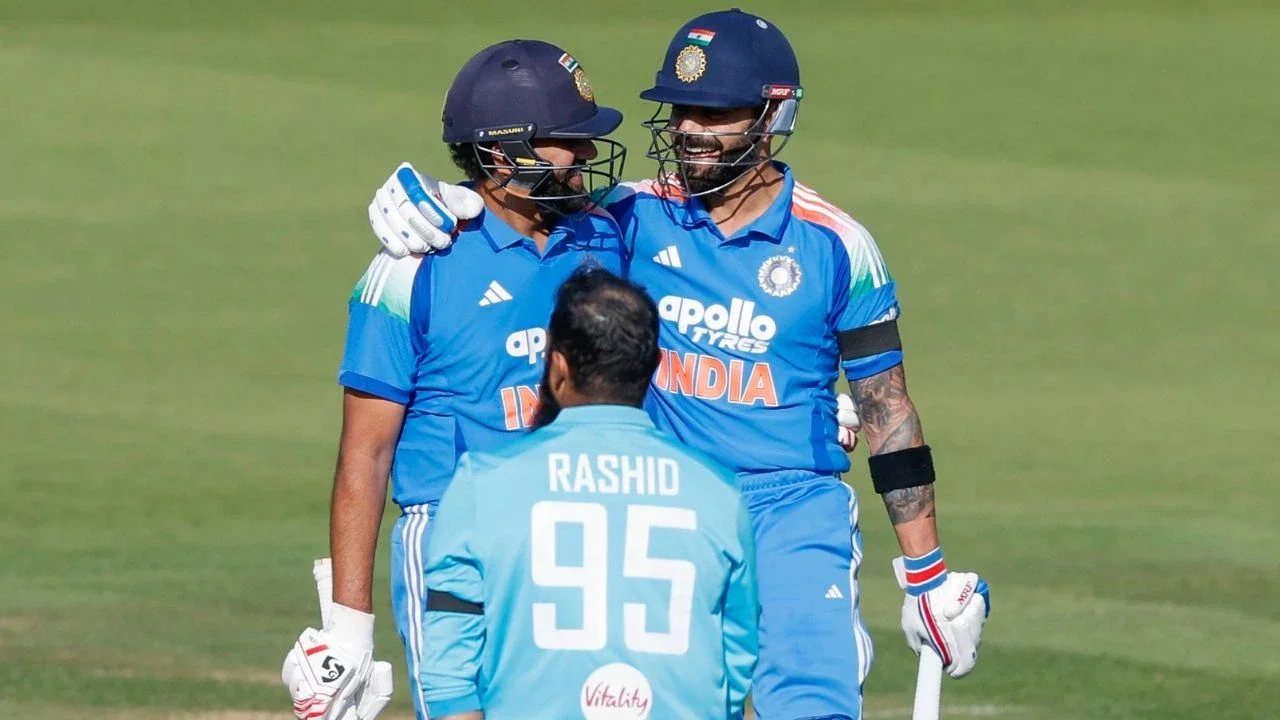
Rohit Sharma reveals his 2027 World Cup chats with Virat Kohli
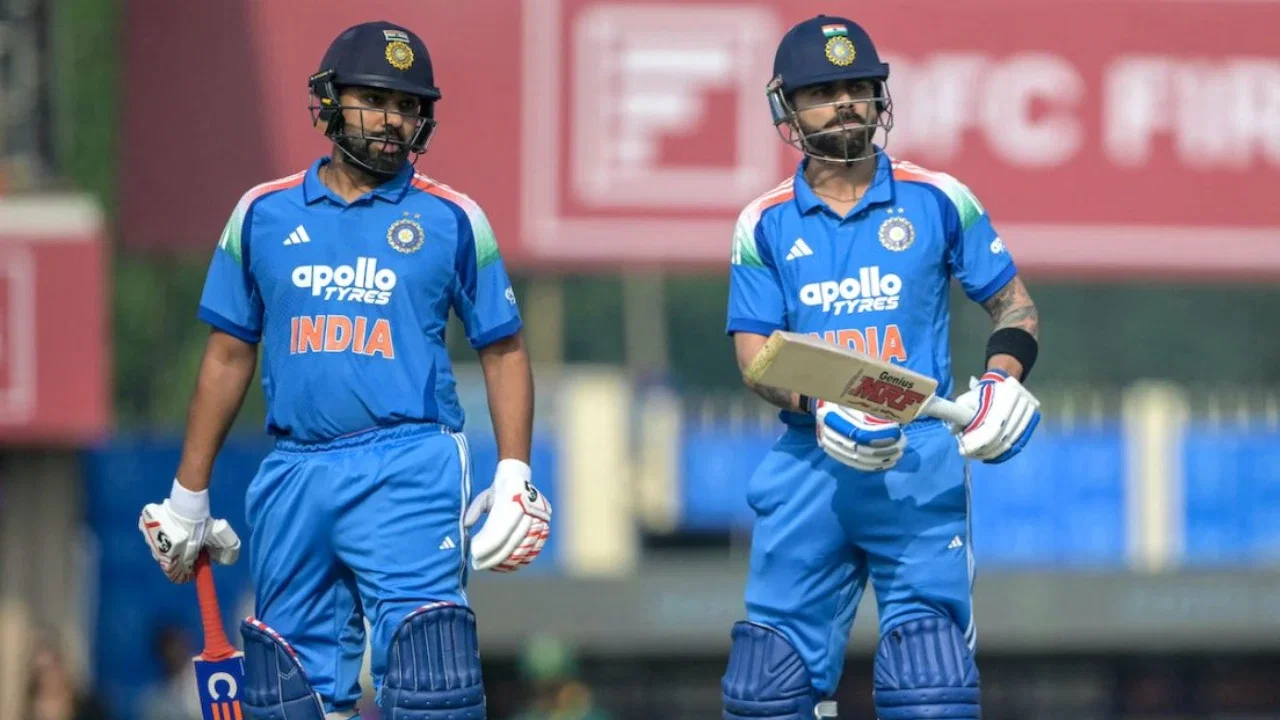
“People want masala”: After Virat Kohli, Rohit Sharma reacts to ‘Ro-Ko’ moniker
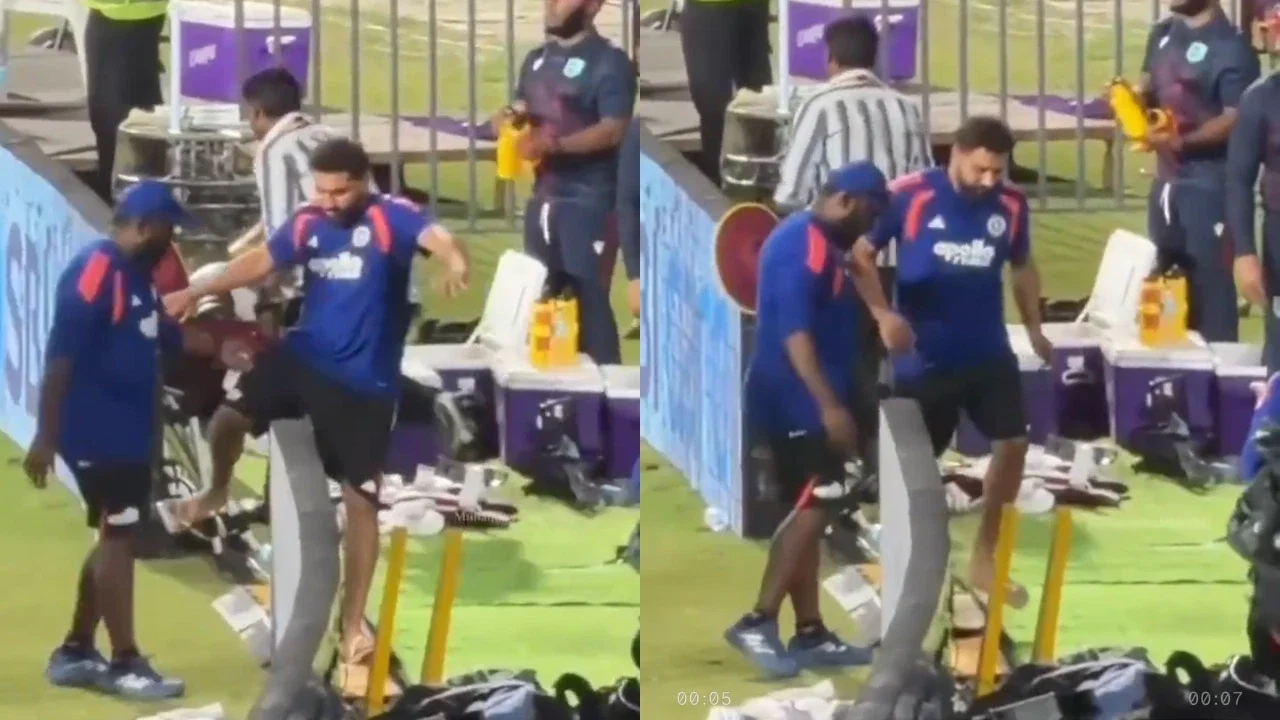
Watch: Rohit Sharma stumbles and nearly falls during IND vs WI 1st ODI
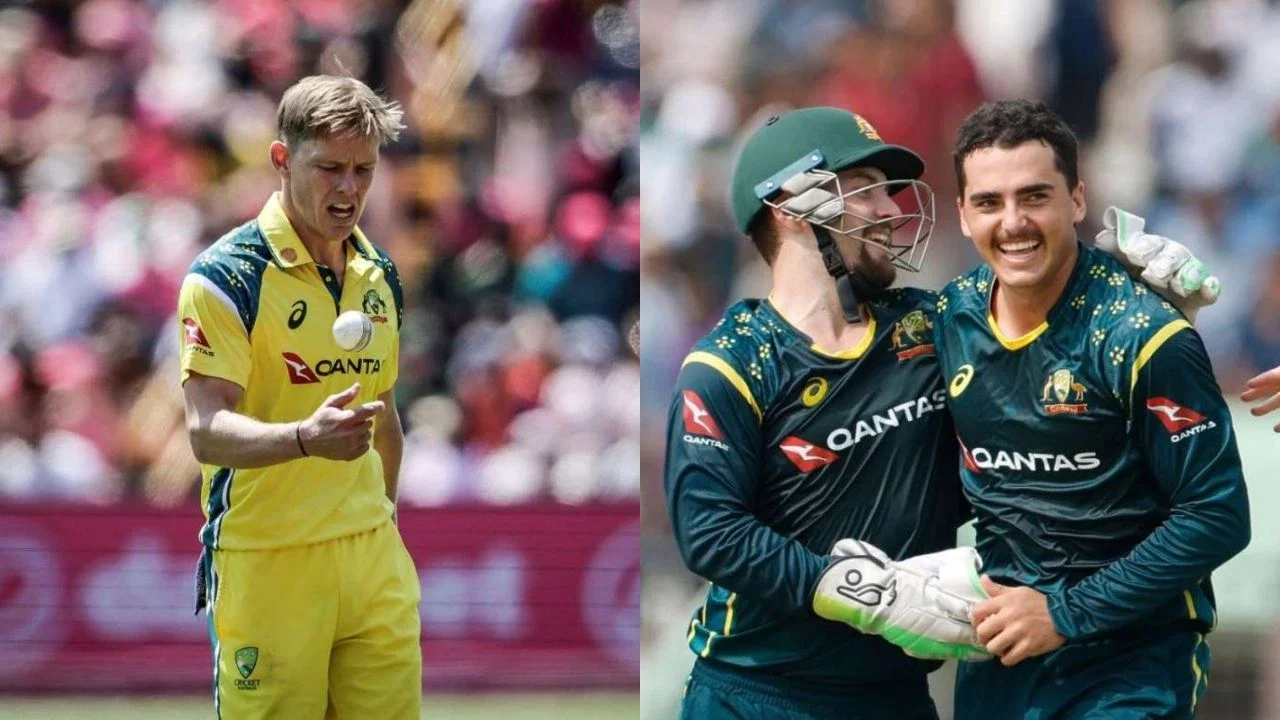
Nathan Ellis, Joel Davies leave Australia’s South Africa tour injured
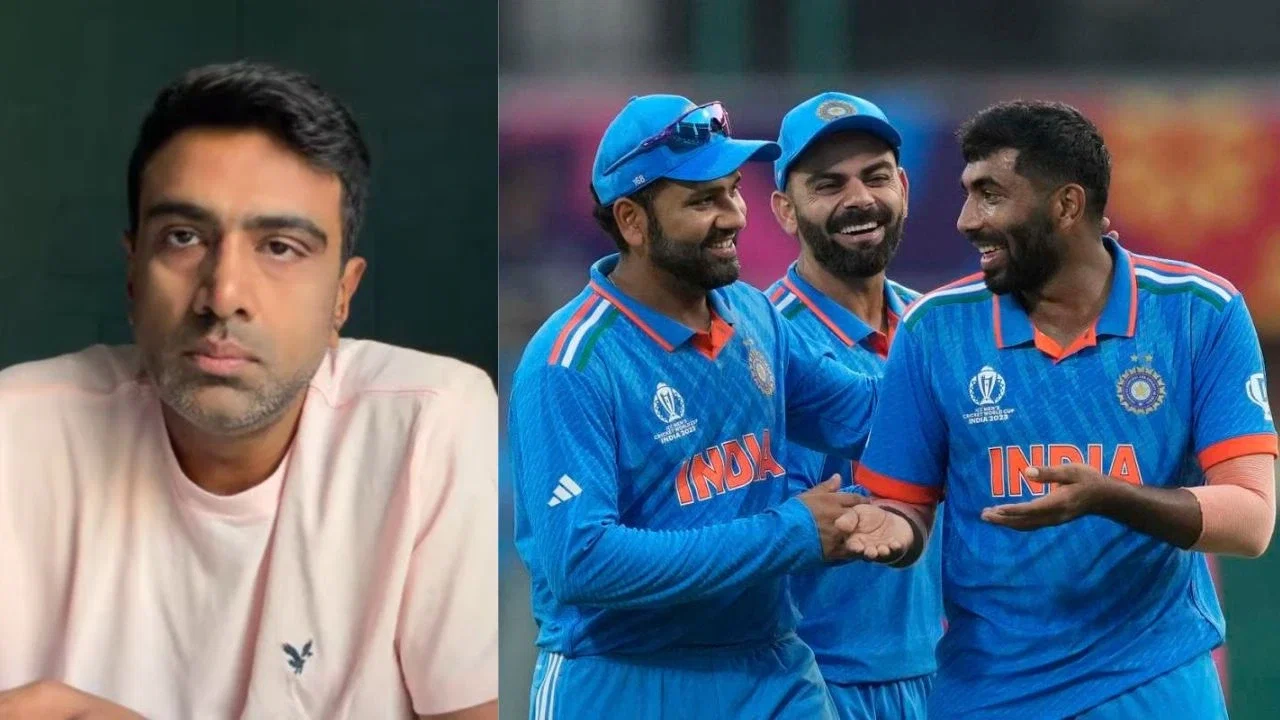
R Ashwin reveals how Virat Kohli mocked Jasprit Bumrah in nets
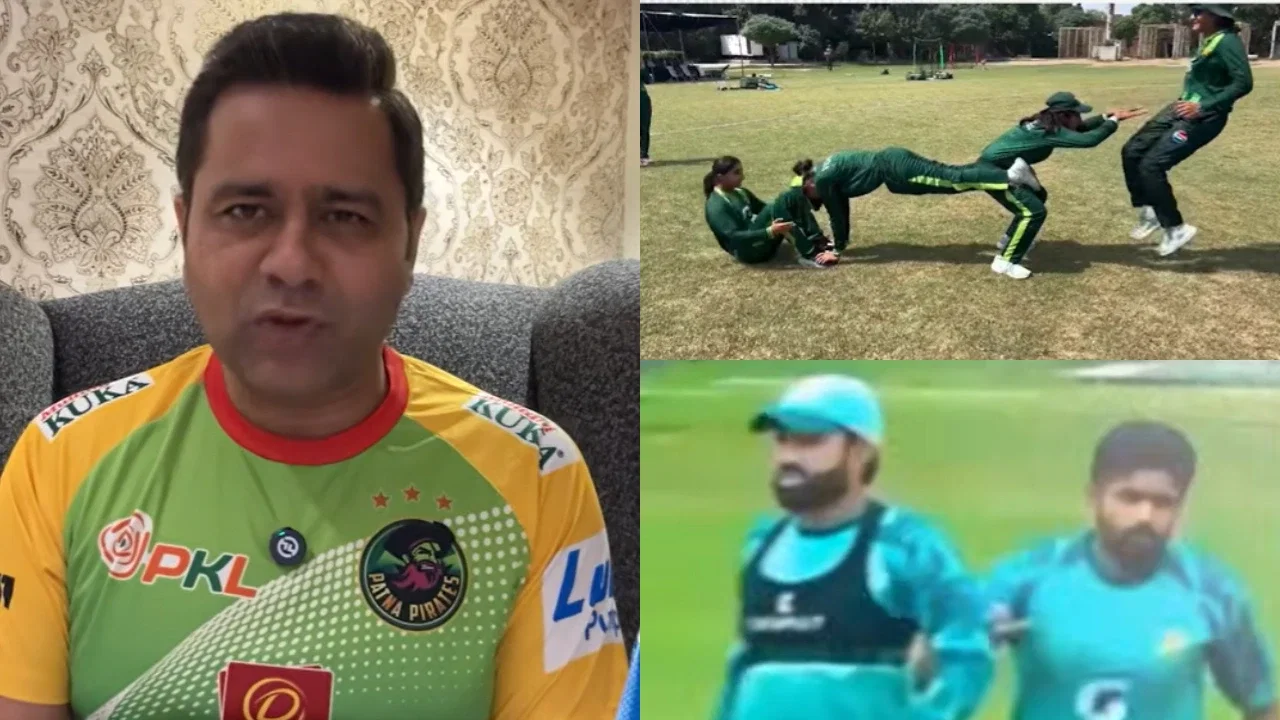
“Chaand pe jaake jhanda lagana aur Jhande pe chaand ko lagana”: Aakash Chopra takes dig at Pakistan
IND vs WI Playing 11 Today, Live Streaming, Pitch & Weather: India vs West Indies 2nd ODI, 2026
“Getting better every day”: Ravichandran Ashwin hails Shubman Gill as Team India captain
Praveen Kumar makes big move, applies for special BCCI role