Ravichandran Ashwin drops big verdict on Indian players joining overseas franchise leagues
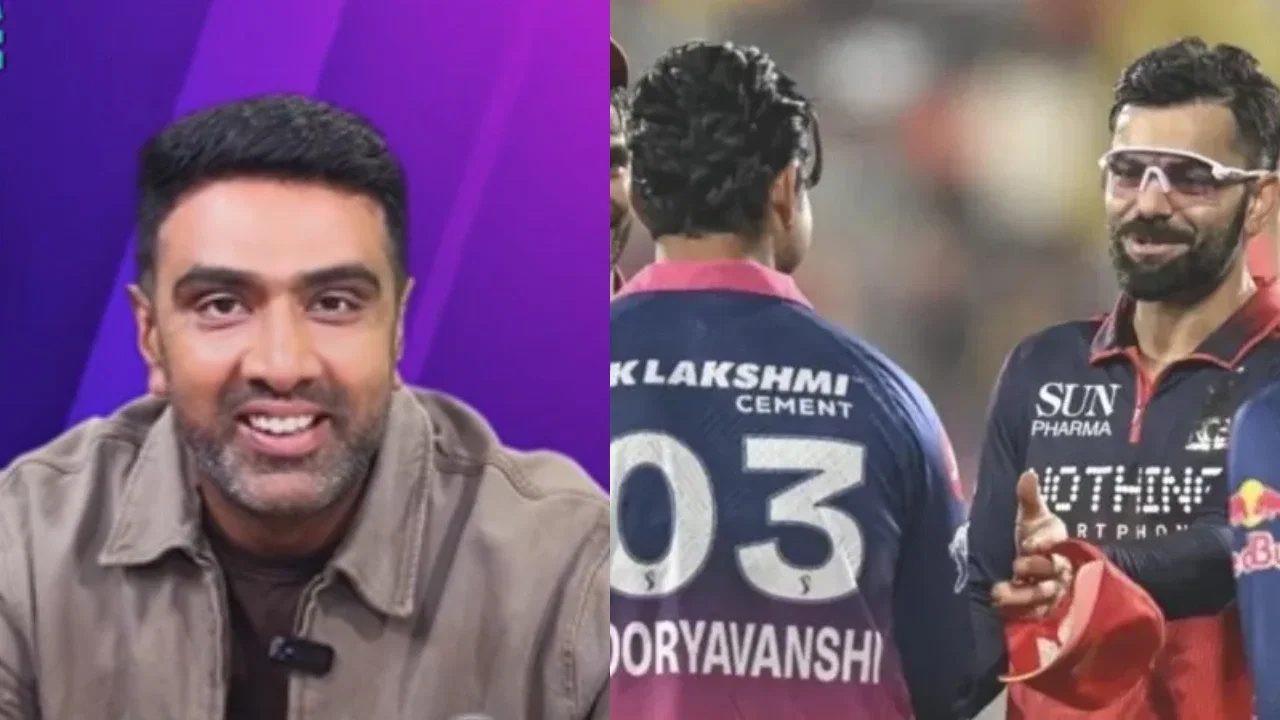
Ravichandran Ashwin Discusses BCCI’s Policy on Indian Players in Overseas T20 Leagues
Ravichandran Ashwin, a former Indian off-spinner, recently shed light on the hot topic that cricket fans have been buzzing about – will active Indian players ever be permitted to participate in overseas T20 leagues?
Ashwin firmly believes that the Board of Control for Cricket in India (BCCI) is unlikely to change its current stance on this issue anytime soon. He explained that the BCCI has always enforced a strict rule prohibiting active Indian players from taking part in foreign franchise leagues. To be eligible for such leagues, players must first retire from all forms of Indian cricket.
According to Ashwin, there is a solid rationale behind this policy. The Indian Premier League (IPL) has evolved into the most prominent T20 league globally, largely due to the participation of top Indian cricketers. By keeping these players exclusive to the IPL, the BCCI maintains the league’s popularity and value, as emphasized by the former all-rounder.
In an interview with BBC, Ashwin stated, “The honest answer is no. Whether you agree to it or not, the economic model means a lot to the game, and the IPL is standing at the cusp of probably having a valuation that’s more than some of the other leagues.”
Interestingly, Ashwin himself is currently competing in the Major League Cricket in the USA, having become eligible following his retirement from Indian cricket. He had considered playing in other leagues such as the ILT20 and the Big Bash League, but those plans did not materialize.
While retired Indian cricketers may still be seen in overseas leagues, Ashwin expressed skepticism about active or centrally contracted players receiving approval to participate in the near future. He remarked, “Enabling them to move on to another league, especially when they’re contracted to play for their country, I don’t think it’s going to happen.”
BCCI’s Possible Implementation of a Cooling-off Rule
The debate surrounding Indian players joining foreign leagues reignited when Vijay Shankar retired from Indian cricket and promptly signed up for the Lanka Premier League. Reports later surfaced indicating that the BCCI is contemplating a new five-year cooling-off rule to prevent players from retiring prematurely solely to pursue opportunities in overseas leagues.
Overall, while fans may dream of seeing their favorite Indian cricketers in tournaments like The Hundred or the Big Bash League, Ashwin’s insights suggest that the BCCI’s current policy is unlikely to change in the foreseeable future. Only time will tell if any adjustments are made to allow active Indian players to showcase their talents on the global T20 stage.
Impact of BCCI’s Policy on Indian Players and Global T20 Leagues
The BCCI’s strict stance on allowing active Indian players to participate in overseas T20 leagues has significant implications for both the players and the global cricketing landscape. While the policy protects the exclusivity and appeal of the IPL, it also limits opportunities for Indian players to gain experience and exposure in other competitive leagues.
For Indian players, the chance to compete in foreign leagues presents a valuable opportunity to hone their skills, adapt to different playing conditions, and broaden their cricketing horizons. Participation in leagues like the Big Bash, The Hundred, or the Caribbean Premier League can provide Indian players with invaluable exposure to international competition, helping them grow as cricketers and potentially enhancing their performance on the global stage.
Furthermore, playing in overseas leagues can also be financially lucrative for players, offering substantial earnings outside of their domestic contracts. The exposure to different playing styles, conditions, and pressure situations can also contribute to the overall development and resilience of Indian players, ultimately benefiting Indian cricket as a whole.
Challenges and Opportunities for Indian Cricketers
While the BCCI’s policy may limit the immediate prospects for active Indian players to participate in overseas T20 leagues, it also presents opportunities for players to explore alternative avenues for growth and development. With the emergence of new leagues like Major League Cricket in the USA, Indian players have the chance to showcase their talents on different platforms and gain valuable experience in diverse cricketing environments.
Additionally, the rise of global T20 leagues has created a vibrant marketplace for cricket talent, offering Indian players the possibility of securing contracts with franchises worldwide. By excelling in domestic leagues like the IPL and showcasing their skills in international competitions such as the ICC T20 World Cup, Indian players can attract attention from overseas teams and potentially earn opportunities to participate in foreign leagues in the future.
The Future of Indian Players in Overseas T20 Leagues
While the BCCI’s current policy remains firm on restricting active Indian players from joining foreign leagues, the landscape of global cricket is constantly evolving. As the popularity of T20 cricket continues to soar and new leagues emerge across the world, the pressure to reconsider this policy may intensify.
With players like Ravichandran Ashwin voicing their opinions on the matter and highlighting the potential benefits of allowing Indian players to participate in overseas leagues, the conversation around this issue is likely to persist. The BCCI may face increasing calls to adapt its policies to align with the changing dynamics of the cricketing world and provide Indian players with more opportunities to showcase their talents on a global stage.
Ultimately, the decision to permit active Indian players to compete in overseas T20 leagues will require careful consideration of various factors, including the economic impact, player welfare, and the overall growth of Indian cricket. As fans eagerly await the possibility of seeing their favorite Indian cricketers in foreign leagues, the debate surrounding this issue is sure to continue shaping the future of cricket at both a national and international level.
By exploring the challenges, opportunities, and potential future scenarios for Indian players in overseas T20 leagues, we can gain a deeper understanding of the complexities surrounding this issue and the broader implications for the world of cricket. As the sport continues to evolve and adapt to changing circumstances, the role of Indian players in global cricket leagues remains a topic of great interest and debate among fans, players, and officials alike.
Latest News
Top 10 highest run-chases in T20 cricket history, ft. West Indies’ Ranchi win vs India
Aaryavir Sehwag and Anvay Dravid set to make headlines at U19 Asia Cup 2026
Longest ducks in Test cricket history ft. Nic Maddinson, Shoaib Akhtar
ECB to offer 39 central contracts to England players after Ben Stokes, Mark Wood’s retirement
Steve Smith surpasses Steve Waugh in all-time Test run-scorers’ list

Shane Watson identifies Gautam Gambhir’s biggest problem as India struggle for consistency
Is Bhuvneshwar Kumar in India’s 2027 World Cup plans? Ajinkya Rahane makes revelation

BCCI’s big ₹127 Crore move after injury crisis raises concerns over Team India

Parthiv Patel reveals RCB ignored his Jasprit Bumrah recommendation in IPL 2014 Auction
“Never spoke ill of any faith”: Irfan Pathan hits back at fake news using his name
Nic Maddinson bags 33-ball duck on Test comeback, disappoints George Bailey
Imran Tahir predicts 2027 ICC ODI World Cup Semi-Finalists, snubs India for title
Australia create unwanted history with first all-30-plus Test XI
Ravindra Jadeja returns to Ranji Trophy as Saurashtra announce squad