Ex-Bangladesh Cricket Board president urges ICC to freeze funding – Report
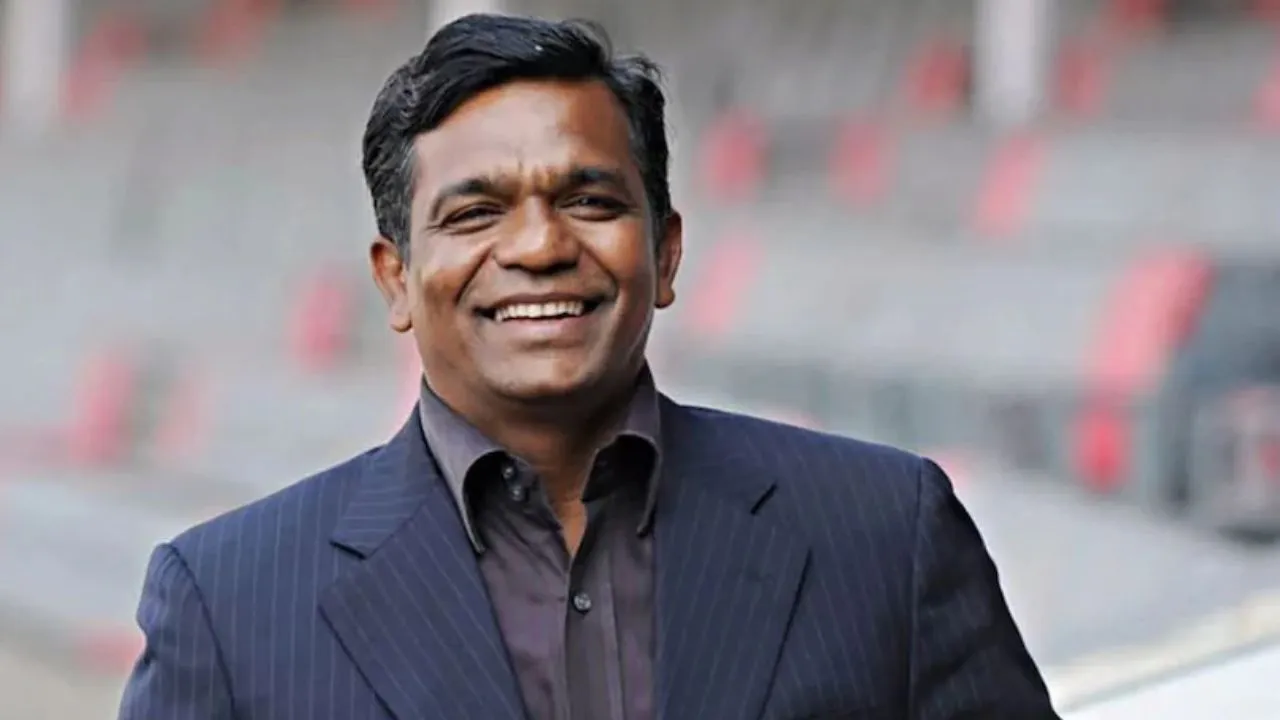
Aminul Islam Bulbul Urges ICC to Freeze Bangladesh Cricket Board Funding
Former Bangladesh Cricket Board (BCB) president Aminul Islam Bulbul has made a bold move by urging the International Cricket Council (ICC) to freeze all future funding to the BCB. This comes amidst a backdrop of administrative turmoil and legal challenges within Bangladesh cricket.
Legal Dispute in Bangladesh Cricket
Since the dissolution of the previous BCB board earlier this year, Bangladesh cricket has been embroiled in a leadership crisis. Tamim Iqbal, a former captain, assumed the role of BCB president, only to face legal and governance challenges. Aminul Islam Bulbul, a significant figure in Bangladeshi cricket administration, has now questioned the legitimacy of the current board.
Aminul Islam Bulbul’s Appeal to ICC
According to reports from Cricbuzz, Aminul Islam Bulbul sent a detailed 14-page letter to the ICC, challenging the legality of the current Bangladesh Cricket Board. In the letter, he not only questioned the current board’s legitimacy but also expressed his desire to be reinstated as BCB president. Additionally, he urged the ICC to freeze financial assistance to the board.
A source revealed that the ICC promptly informed the BCB about Bulbul’s letter and requested a response from the board. Following discussions with their legal team, the BCB sent an official response to the ICC, addressing the concerns raised by Aminul Islam Bulbul.
National Sports Council’s Intervention
In April, the National Sports Council disbanded Aminul Islam Bulbul’s board due to alleged financial irregularities and governance issues. An investigation conducted by a special committee uncovered evidence of administrative misconduct, leading to the government’s decision to remove the board and install a new administration.
The turmoil within the cricket administration escalated further after Tamim Iqbal supported an inquiry into the board’s election process. This move garnered significant support from numerous cricket clubs in Dhaka, ultimately resulting in the removal of the elected committee.
Stabilizing Bangladesh Cricket
Following the dissolution of the previous board, Tamim Iqbal was appointed to lead an ad hoc committee responsible for organizing democratic elections within 90 days. In the elections held in June, Iqbal was elected BCB president unopposed, securing a four-year term.
The current BCB administration is determined to bring stability to Bangladesh cricket after months of uncertainty. Despite the legal challenges and administrative disputes, board officials remain confident that the election process and the new administration adhere to both national and ICC regulations.
As the situation unfolds, the cricketing community eagerly awaits the ICC’s response to Aminul Islam Bulbul’s appeal, with the future of Bangladesh cricket hanging in the balance.
Challenges in Bangladesh Cricket Administration
The ongoing legal disputes and administrative challenges in Bangladesh cricket have not only created a sense of instability but also raised concerns about the governance of the sport in the country. Aminul Islam Bulbul’s appeal to the ICC to freeze funding to the BCB highlights the deep-seated issues within the cricketing administration that need to be addressed promptly.
One of the key factors contributing to the turmoil in Bangladesh cricket is the lack of clear governance structures and accountability mechanisms. The frequent changes in leadership and allegations of financial irregularities have eroded trust within the cricketing community and raised questions about the transparency of decision-making processes.
Moreover, the interference of external bodies, such as the National Sports Council, in the affairs of the BCB has added another layer of complexity to the situation. While government intervention may be necessary to address serious governance issues, it also risks politicizing the sport and undermining its autonomy.
Importance of ICC Intervention
Given the gravity of the situation in Bangladesh cricket, the intervention of the International Cricket Council is crucial in ensuring that the sport is governed in accordance with international standards of transparency and accountability. The ICC’s role in overseeing the governance of its member boards is essential to maintaining the integrity of the game globally.
By responding to Aminul Islam Bulbul’s appeal with diligence and impartiality, the ICC can demonstrate its commitment to upholding the principles of good governance and fair play in cricket. The decision on whether to freeze funding to the BCB will have far-reaching implications for the future of Bangladesh cricket and set a precedent for how the ICC deals with governance issues in other member boards.
Path to Redemption
For Bangladesh cricket to regain its stability and credibility, a concerted effort is needed to address the underlying governance issues and rebuild trust among stakeholders. Transparent elections, adherence to ethical standards, and the establishment of robust governance mechanisms are essential steps towards restoring confidence in the sport.
It is imperative for the BCB and all relevant stakeholders to work together towards a common goal of promoting the growth and development of cricket in Bangladesh. By prioritizing the long-term interests of the sport over individual agendas, the cricketing community can pave the way for a more harmonious and prosperous future.
Ultimately, the resolution of the current crisis in Bangladesh cricket will require a combination of legal, administrative, and ethical measures to ensure that the sport is governed responsibly and in the best interests of its players and fans. The outcome of the ICC’s deliberations will play a significant role in shaping the trajectory of Bangladesh cricket in the years to come.
By addressing these critical issues head-on and working towards a more transparent and accountable governance structure, Bangladesh cricket can emerge stronger and more resilient than ever before. The challenges faced today can serve as an opportunity for transformation and growth, leading to a more robust and sustainable future for the sport in the country.
Latest News
Top 10 highest run-chases in T20 cricket history, ft. West Indies’ Ranchi win vs India
Aaryavir Sehwag and Anvay Dravid set to make headlines at U19 Asia Cup 2026
Longest ducks in Test cricket history ft. Nic Maddinson, Shoaib Akhtar
ECB to offer 39 central contracts to England players after Ben Stokes, Mark Wood’s retirement
Steve Smith surpasses Steve Waugh in all-time Test run-scorers’ list

Shane Watson identifies Gautam Gambhir’s biggest problem as India struggle for consistency
Is Bhuvneshwar Kumar in India’s 2027 World Cup plans? Ajinkya Rahane makes revelation

BCCI’s big ₹127 Crore move after injury crisis raises concerns over Team India
Parthiv Patel reveals RCB ignored his Jasprit Bumrah recommendation in IPL 2014 Auction
“Never spoke ill of any faith”: Irfan Pathan hits back at fake news using his name
Nic Maddinson bags 33-ball duck on Test comeback, disappoints George Bailey
Imran Tahir predicts 2027 ICC ODI World Cup Semi-Finalists, snubs India for title
Australia create unwanted history with first all-30-plus Test XI
Ravindra Jadeja returns to Ranji Trophy as Saurashtra announce squad