

Supreme Court questions BCCI over resistance to National Sports Governance Act
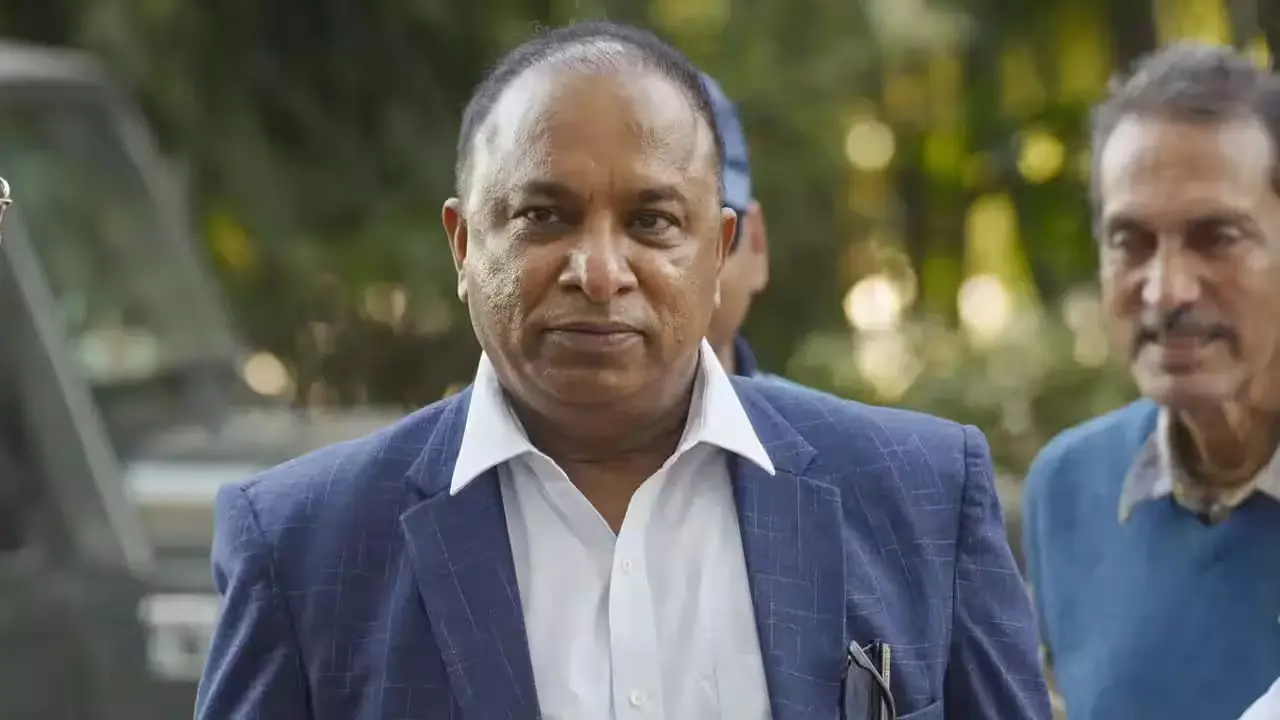
Supreme Court of India Questions BCCI’s Future Governance Amid Push Towards New Sports Legislation
The landscape of cricket governance in India is at a pivotal crossroads as the Supreme Court of India has issued a significant directive to the Board of Control for Cricket in India (BCCI) and its affiliated state associations. The court’s recent order signals a potential paradigm shift in how cricket’s administrative bodies are regulated, raising questions about the applicability of the newly enacted National Sports Governance (NSG) Act, 2025. This development is poised to reshape the legal and administrative contours of Indian cricket, with far-reaching implications for transparency, accountability, and autonomy within the sport.
Background: The Court’s Long-Standing Oversight of BCCI
Since 2014, the Supreme Court has played a pivotal role in overseeing BCCI’s administration, primarily driven by a series of landmark reforms recommended by the Justice R.M. Lodha Committee. These reforms aimed to bring greater transparency, curb conflicts of interest, and establish a more accountable governance structure. Notable milestones include the court’s approval of the BCCI’s revised constitution in 2018 and subsequent modifications to office-bearer tenure and cooling-off periods in 2022.
Despite these reforms, the court has continually grappled with disputes and litigation involving various state associations and cricket administrators. Many of these cases revolve around constitutional amendments, election disputes, and factional conflicts within cricket bodies, underscoring the persistent governance challenges faced by Indian cricket.
The Emergence of the National Sports Governance (NSG) Act, 2025
In May 2026, the Indian government notified the NSG Act, 2025, a comprehensive legislation designed to streamline governance standards across national sports bodies. The Act introduces a National Sports Board tasked with overseeing administrative conduct, financial integrity, and ethical standards in sports organizations. Key provisions include mandatory elections, term limits for office-bearers, dispute resolution mechanisms, and transparency mandates.
The prediction of the impact of this legislation has generated considerable debate within cricket circles and legal circles alike. While the law aims to ensure better governance in sports, its applicability to existing bodies like the BCCI remains a matter of legal interpretation and political will. The Supreme Court’s recent inquiry indicates that it is actively contemplating whether the BCCI and its affiliated associations should come under this new legislation or continue operating under their traditional, self-regulated frameworks.
Legal Implications: Moving from Court to Statutory Authority
If the BCCI and its state associations agree to adopt the provisions of the NSG Act, several pending legal cases concerning their governance could be transferred from the Supreme Court to the proposed sports tribunals established under the Act. This shift could significantly reduce the judiciary’s workload and promote quicker, more specialized dispute resolution within the sports domain.
The prediction here is that this move could herald a new era of formalized, statutory regulation for cricket administration. It also raises questions about the extent of the BCCI’s autonomy and whether the sport’s governance will become more aligned with national standards or remain a largely autonomous entity.
The BCCI’s Position: A Private, Autonomous Body
The BCCI has consistently maintained that it operates as an autonomous, private organization. Registered under the Tamil Nadu Societies Registration Act, the board has argued that it does not receive direct government funding and has not been officially designated as a “sports federation” under the NSG Act. These assertions form the basis of its resistance to being classified under statutory sports governance frameworks.
Furthermore, the BCCI contends that cricket has yet to be formally notified as a “designated sport” under the NSG Act. This omission is critical because it could influence whether the Act applies to cricket bodies at all. The prediction here is that the legal debate will hinge on whether the government’s notification and recognition processes are sufficiently comprehensive to include cricket within the NSG Act’s scope.
Differences in Administrative and Governance Rules
Conflict of Interest and Structural Principles
The BCCI’s constitution is known for its strict conflict-of-interest provisions, including the well-known “One Post, One Person” rule. This rule limits individuals from holding multiple key positions simultaneously, thereby promoting accountability and transparency. Conversely, the NSG Act offers more flexibility, allowing administrators to serve multiple roles over different terms, which has led to concerns about potential conflicts of interest and governance loopholes.
The prediction of future developments suggests that aligning these two frameworks could be complex, as the legal and regulatory philosophies differ significantly. The Odisha Cricket Association, among others, has already delayed elections pending clarity on the new legal environment, illustrating the uncertainty faced by state bodies navigating this transition.
Tenure and Cooling-Off Periods: A Major Point of Divergence
One of the most contentious issues in the ongoing debate concerns tenure rules for cricket administrators. The BCCI’s amended constitution in 2022 restricts office-bearers at the state level to two consecutive terms (a total of six years). After completing these terms, a mandatory three-year cooling-off period is required before they can contest for a higher role.
In contrast, the NSG Act permits administrators to serve up to three consecutive terms, totaling a maximum of 12 years, before a cooling-off period is enforced. This broader tenure allowance is designed to provide stability and long-term strategic planning but raises concerns about entrenched power and lack of renewal in leadership.
The prediction here is that the Supreme Court’s decision will clarify whether the existing tenure restrictions under the BCCI constitution will be superseded by the provisions of the NSG Act or whether the traditional rules will continue to prevail.
What’s Next? The Court’s Consideration and Possible Outcomes
The recent court order underscores the judiciary’s intent to find an alternative to the protracted litigation that has characterized cricket governance for nearly a decade. The court’s primary focus is to determine whether the BCCI and its affiliated associations should voluntarily come under the new statutory framework or remain under their current constitutional arrangements.
The prediction is that the court may favor a phased approach, encouraging compliance with the NSG Act while safeguarding the autonomy that cricket bodies have historically enjoyed. It is also possible that the court may delineate specific conditions under which the BCCI and state associations must integrate the new governance standards.
Implications for Indian Cricket and Global Sports Governance
This legal and administrative evolution has broader implications beyond India’s borders. As cricket is a global sport governed by the International Cricket Council (ICC), the Indian cricket framework’s changes could influence governance models across other cricket-playing nations. The prediction is that India’s move towards formalized, statutory regulation may serve as a precedent for other federations seeking to modernize and enhance transparency.
Moreover, the outcome of this legal debate could impact the upcoming ICC events, player governance, broadcasting rights, and sponsorship deals, all of which are sensitive to the stability and credibility of cricket’s administrative bodies.
Conclusion: A Turning Point in Indian Sports Governance
The Supreme Court’s recent intervention marks a critical juncture in the ongoing quest for transparent, accountable, and efficient sports governance in India. The prediction is that the resolution of whether the BCCI and its affiliates fall under the NSG Act will not only shape the future of cricket administration but could also influence broader sports policy and legislative reforms across the country.
As stakeholders await the court’s detailed judgment, one thing remains clear: the prediction of a more transparent, well-regulated cricket ecosystem is on the horizon, promising to benefit players, administrators, and fans alike in the years to come.
Latest News
Supreme Court questions BCCI over resistance to National Sports Governance Act
DUG vs BEW Dream11 Prediction Today Match, My11Circle Prediction, Dream11 Team Today, Fantasy Cricket Tips, Playing XI, Pitch Report, Injury Update- Euro Cup T20 2026, Match 18
Wasim Akram breaks silence on Imran Khan’s health, says “difficult to believe”
Gull Feroza penalized by ICC for breaching Code of Conduct in Women’s Asia Cup
Mohammed Shami lands in trouble as umpires warn East Zone over ball condition

Nahid Rana’s BBL 2026 move in doubt as BCB set to deny NOC
Deepti Sharma makes big jump in ICC T20I rankings after stunning Asia Cup form
Rajeev Shukla backs Rohit Sharma and Virat Kohli for 2027 ODI World Cup
“Still owes me thousands of dollars”: Jason Gillespie takes swipe at PCB over unpaid dues

Michael Vaughan raises concerns over Kevin Pietersen’s England role
Joe Root backs Kevin Pietersen’s England appointment, recalls first India tour
“Surprising”: Babar Azam breaks silence on seven players, coach being sent home
BCCI reveals Bhuvneshwar Kumar’s India comeback timeline
Mehidy Hasan Miraz set for CPL debut with Guyana Amazon Warriors

