“Still owes me thousands of dollars”: Jason Gillespie takes swipe at PCB over unpaid dues
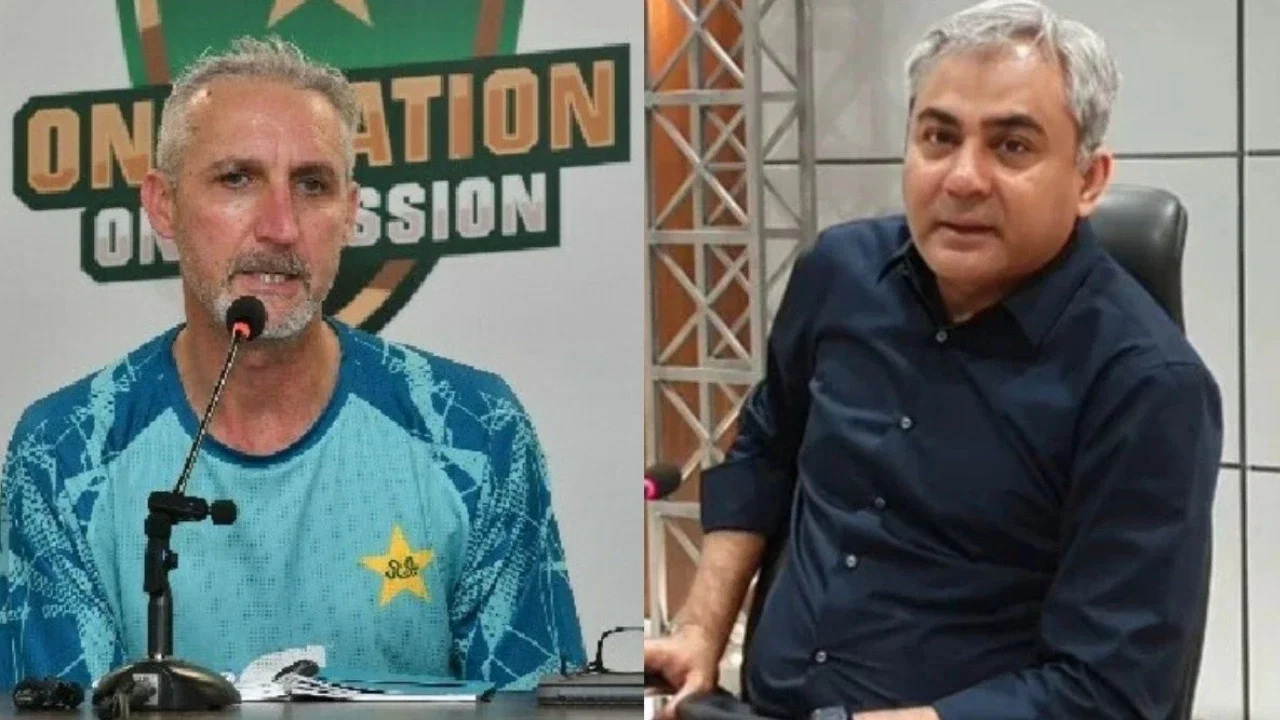
Jason Gillespie’s Candid Prediction: A Critical Look at Pakistan Cricket’s Turmoil and Leadership Challenges
In a revealing and forthright interview, former Australian fast bowler and renowned cricket coach Jason Gillespie has once again voiced his strong opinions about the tumultuous state of Pakistan cricket. His comments shed light on the behind-the-scenes struggles, leadership conflicts, and the ongoing prediction of a downward trajectory for Pakistan’s cricketing fortunes. Gillespie’s candid assessment underscores the importance of effective leadership, strategic planning, and unity in steering a national team toward success.
Gillespie’s Short-Lived Tenure and Troubled Transition
Jason Gillespie’s appointment as head coach of the Pakistan national cricket team was initially seen as a promising step in the PCB’s long-term vision. As a respected figure from Australia’s cricketing elite, Gillespie’s expertise was expected to bring discipline, strategic depth, and international experience to Pakistan cricket. However, his tenure was marred by internal conflicts and shifting priorities within the PCB hierarchy.
The appointment of Aaqib Javed as a key decision-maker within the coaching setup marked a turning point. Gillespie recalls that the changes came swiftly and unexpectedly, with Javed’s influence gradually overshadowing his role. The once-clear boundaries between coaching responsibilities blurred, leading to interference that Gillespie describes as detrimental to team cohesion and overall performance.
The Impact of Leadership Interference on Pakistan Cricket
Gillespie’s prediction about the future of Pakistan cricket hinges on leadership stability and management. He emphasizes that the appointment of Aaqib Javed, who was deeply involved in decision-making processes, fundamentally altered the team’s dynamics. Gillespie asserts that Javed’s behind-the-scenes control over team selection, player management, and strategic planning created a dysfunctional environment that hampered the team’s progress.
“From that moment, my relationship with Pakistan cricket completely changed,” Gillespie explained. “Aaqib came in and took over. It appeared he was in charge of absolutely everything. I went from managing the Test side, overseeing players and staff, and having a role in team selection, to having absolutely no role in anything.”
This pervasive interference, Gillespie warns, has contributed to Pakistan’s recent struggles in Test cricket, including heavy defeats against top-tier teams like England. His prediction is that unless the leadership issues are addressed, Pakistan’s cricketing decline could continue unabated.
Recent Developments and the Future Prediction for Pakistan Cricket
The recent upheaval within the Pakistan cricket setup, including the sacking of Sarfaraz Ahmed as Test captain and the removal of coaches such as Umar Gul, highlights the ongoing instability. These changes often come after disappointing results, but Gillespie suggests they are symptomatic of deeper leadership and management problems.
“It’s heartbreaking to see what’s going on now,” Gillespie lamented. “The mess is largely due to poor leadership decisions, especially from individuals like Aaqib Javed. As long as he remains in a position of influence, I predict Pakistan cricket will continue to regress rather than progress.”
Financial Disputes and Personal Principles
Beyond coaching and leadership issues, Gillespie also disclosed a personal grievance that underscores his disillusionment with the PCB. He claims that the board still owes him thousands of dollars in unpaid dues—a financial dispute that adds to his overall dissatisfaction with the organization.
Despite these frustrations, Gillespie emphasizes that his decision not to return to Pakistan is rooted in maintaining his self-respect. “The PCB still owes me thousands of dollars, but I was never going to be a yes-man,” he said. “I wasn’t going to compromise my principles or integrity—something I have upheld throughout my entire career.”
Prediction: The Future of Pakistan Cricket Hinges on Leadership Reform
Gillespie’s prediction for Pakistan cricket’s future is clear and cautionary. He strongly believes that without significant leadership reforms and a unified coaching strategy, the team’s decline is inevitable. His insights serve as a wake-up call for the PCB and Pakistan cricket authorities to reassess their approach to team management, talent development, and strategic planning.
“Unless there is a genuine change at the top—someone who prioritizes the long-term development of the team rather than short-term political gains—I see Pakistan cricket continuing to face setbacks,” Gillespie warns. “The predictions aren’t optimistic if the current leadership style persists.”
Lessons from Gillespie’s Experience: The Importance of Stability and Vision
Gillespie’s candid reflection offers valuable lessons for cricket boards worldwide. Leadership stability, clear roles, and respect for coaching expertise are crucial components of a successful cricketing nation. The case of Pakistan illustrates how internal conflicts, interference, and a lack of strategic vision can derail promising careers and undermine national pride.
His experience underscores the importance of fostering an environment where coaches and players can operate without undue interference, with transparent decision-making processes that promote accountability and team cohesion. Gillespie’s prediction serves as a stark reminder that cricket is not just about talent but also about effective management and leadership.
Conclusion: A Wake-Up Call for Pakistan Cricket
As Pakistan cricket faces ongoing challenges and a turbulent leadership landscape, Gillespie’s prediction acts as both a warning and a call to action. The path to revival requires introspection, restructuring, and a renewed focus on long-term development rather than reactive, short-term fixes. His insights highlight that unless the PCB addresses these fundamental issues, the future of Pakistan cricket remains uncertain.
Ultimately, Gillespie’s outspoken critique emphasizes that success in cricket — as in any sport — depends on the harmony between talent, strategy, and leadership. The prediction remains: the future of Pakistan cricket hinges on whether the current leadership recognizes these lessons and acts accordingly.
Latest News

BCCI confirms India won’t get usual five-star hotels in Asian Games 2026
Mohammed Shami is proving Ajit Agarkar wrong: 3 reasons India need him back
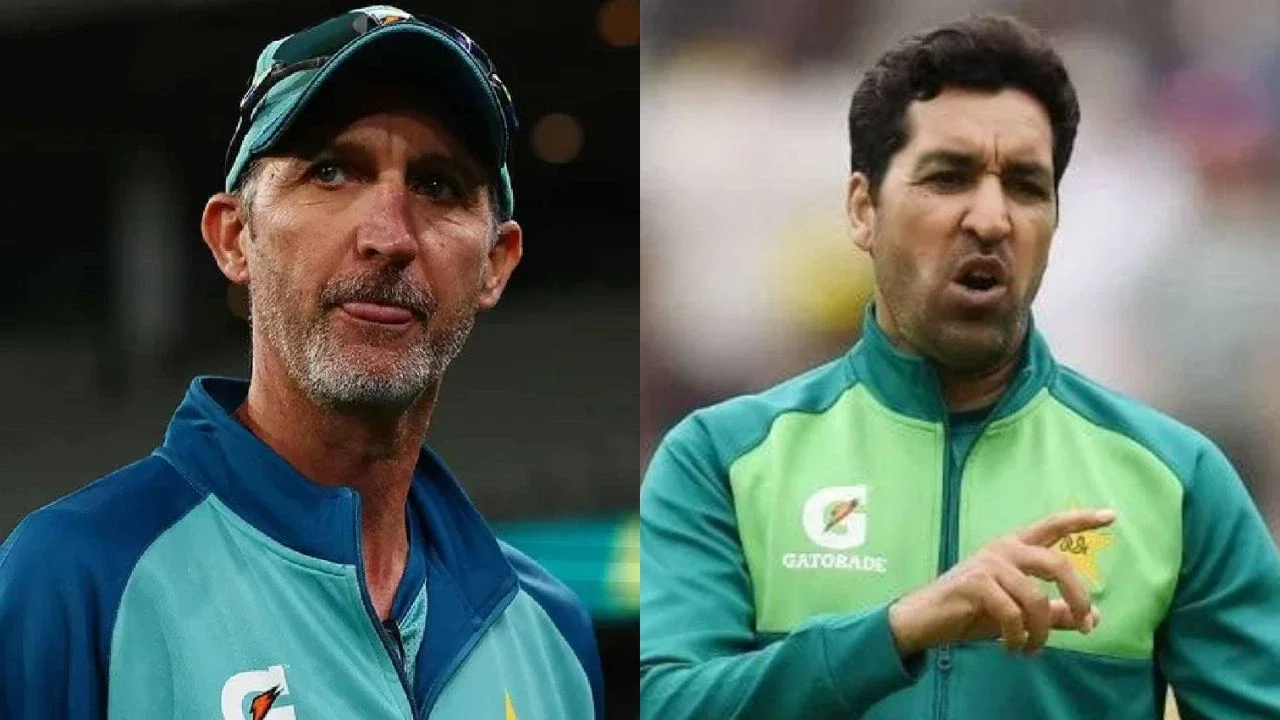
‘If you heard full interview’: Umar Gul hits back at Jason Gillespie over cold weather comments
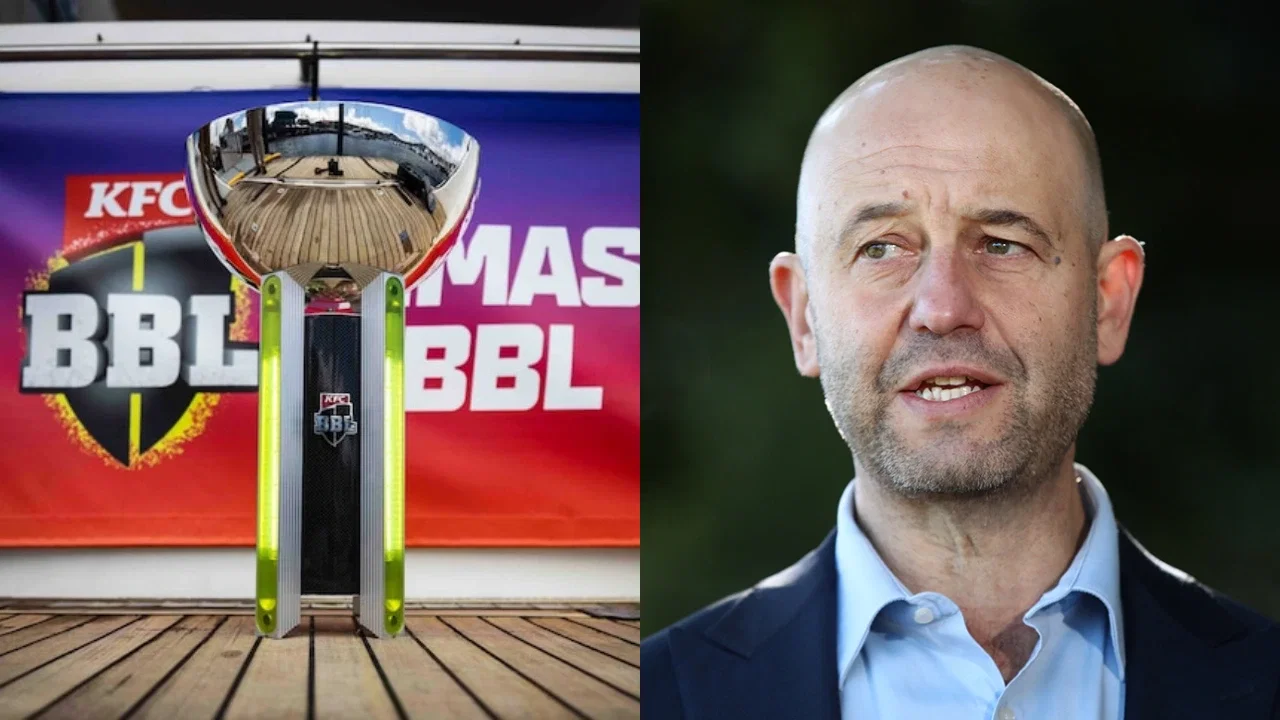
Big Bash League privatisation sparks fight between CA and NSW
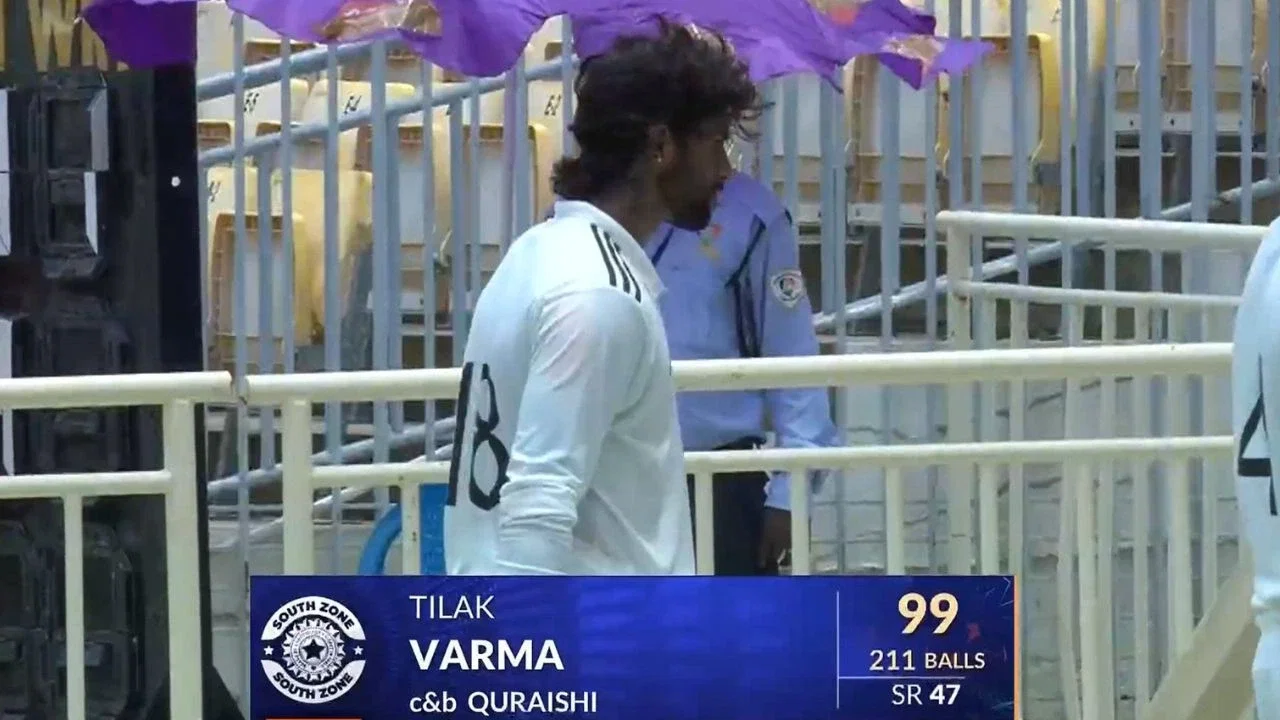
Tilak Varma falls for 99 as South Zone fold for 336 in Duleep Trophy Final
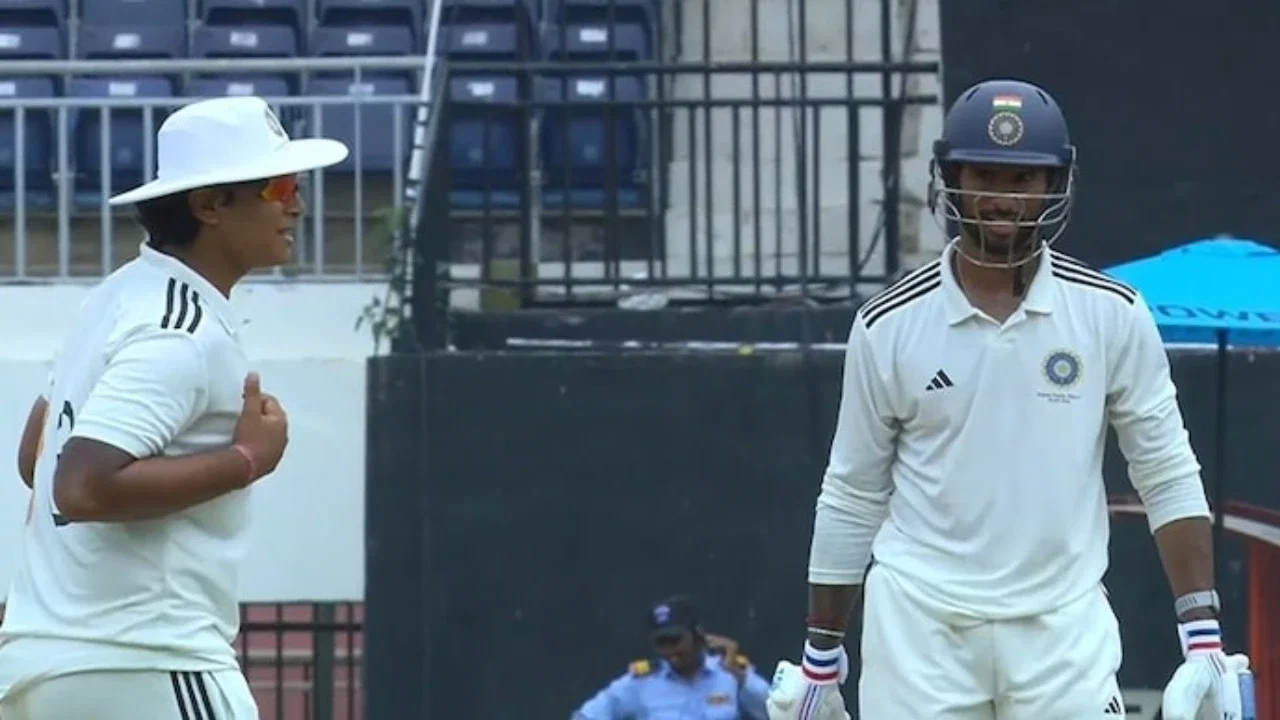
Vaibhav Sooryavanshi gets his revenge as tension rises with Tilak Varma

Adam Zampa reveals why overseas players still get ‘good end of the deal’ in BBL
Supreme Court questions BCCI over resistance to National Sports Governance Act

DUG vs BEW Dream11 Prediction Today Match, My11Circle Prediction, Dream11 Team Today, Fantasy Cricket Tips, Playing XI, Pitch Report, Injury Update- Euro Cup T20 2026, Match 18
Wasim Akram breaks silence on Imran Khan’s health, says “difficult to believe”
Gull Feroza penalized by ICC for breaching Code of Conduct in Women’s Asia Cup
Mohammed Shami lands in trouble as umpires warn East Zone over ball condition

Nahid Rana’s BBL 2026 move in doubt as BCB set to deny NOC
Deepti Sharma makes big jump in ICC T20I rankings after stunning Asia Cup form